 Indietro
Fungi: Structure, Function, and Ecological Roles
Guida di studio - Note intelligenti
 Appunti personalizzati basati sui tuoi materiali, ampliati con definizioni chiave, esempi e contesto.
Fungi: Structure, Function, and Ecological Roles
Overview of Fungi
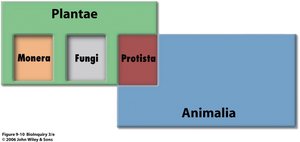
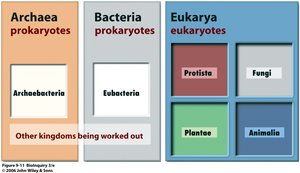
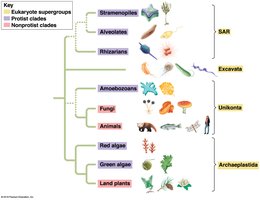
Fungi are a diverse group of eukaryotic organisms that play essential roles in ecosystems, industry, and human health. They are distinct from plants, animals, and protists, and are classified in their own kingdom.
Kingdom Fungi: Includes multicellular organisms (except yeasts, which are unicellular).
Cell Wall Composition: Fungi have cell walls made of chitin, unlike plants (cellulose).
Nutrition: Fungi are heterotrophic, obtaining nutrients by external digestion and absorption.
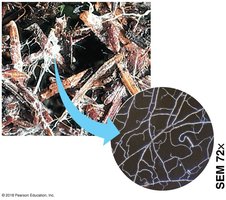
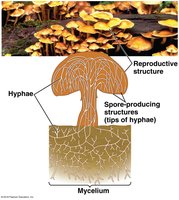
Filamentous Structure: Most fungi grow as filaments called hyphae, forming a network called mycelium.
Reproduction: Fungi reproduce via spores, often through complex life cycles involving sexual and asexual stages.
Fungal Traits and Life Cycle
Fungi exhibit unique biological traits and reproductive strategies.
Multicellularity: Most fungi are multicellular, except yeasts.
Hyphae and Mycelium: Hyphae are thread-like structures; mycelium is the mass of hyphae.
Haploid Vegetative Stage: Most cells in the vegetative stage contain a single haploid nucleus.
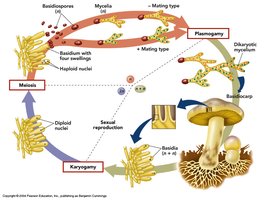
Sexual Reproduction: Involves fusion of haploid cells (plasmogamy), growth of fruiting bodies, fusion of nuclei (karyogamy), and meiosis to produce spores.
External Digestion: Fungi secrete enzymes to break down organic matter outside their bodies.
Fungal Life Cycle
The fungal life cycle typically includes both sexual and asexual reproduction.
Plasmogamy: Fusion of cytoplasm from two parent mycelia.
Dikaryotic Stage: Cells contain two nuclei (n + n).
Karyogamy: Fusion of nuclei to form a diploid cell.
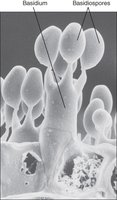
Meiosis: Produces haploid spores that disperse and germinate.
Ecological Roles of Fungi
Fungi are vital decomposers and symbionts in ecosystems.
Decomposition: Fungi break down dead organic matter, recycling nutrients.
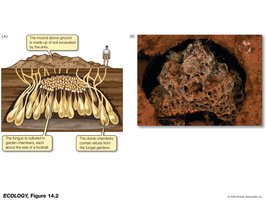
Symbiosis: Many fungi form mutualistic relationships, such as mycorrhizae with plant roots.
Pathogens: Some fungi cause diseases in plants, animals, and humans.
Mycorrhizae
Mycorrhizae are symbiotic associations between fungi and plant roots, enhancing nutrient uptake.
Benefits: Fungi increase water and mineral absorption for plants; plants provide carbohydrates to fungi.
Types: Ectomycorrhizae (outside root cells) and endomycorrhizae (inside root cells).
Yeasts and Industrial Applications
Yeasts are unicellular fungi with significant industrial and medical importance.
Fermentation: Yeasts ferment sugars to produce alcohol and carbon dioxide.
Applications: Used in baking, brewing, and winemaking.

Fungi in Medicine and Food
Fungi are sources of antibiotics and are used in food production.
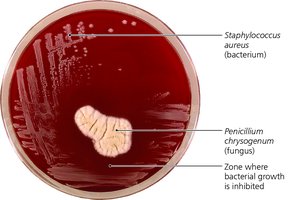
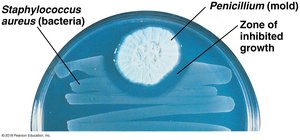
Antibiotics: Penicillium species produce penicillin, inhibiting bacterial growth.
Food: Fungi are used in cheese production and other fermented foods.

Fungal Diversity
Fungi display a wide range of forms and ecological strategies.
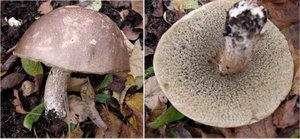
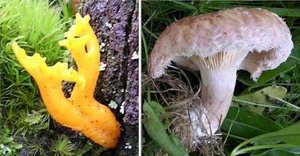
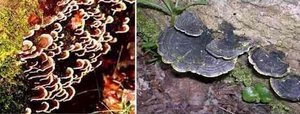
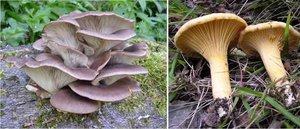
Mushrooms: Fruiting bodies of many fungi, important for spore dispersal.
Other Forms: Includes molds, yeasts, smuts, and rusts.
Human Diseases: Fungi can cause athlete’s foot, ringworm, and yeast infections.

Summary Table: Key Fungal Traits
Trait | Description |
|---|---|
Cell Wall | Chitin |
Nutrition | External digestion, absorption |
Structure | Hyphae, mycelium (except yeasts) |
Reproduction | Spores, sexual and asexual cycles |
Ecological Role | Decomposers, symbionts, pathogens |
Additional info:
Fungi are classified in their own kingdom due to unique traits such as chitin cell walls and external digestion. Their life cycles are complex, often involving both sexual and asexual reproduction. Fungi are essential for nutrient cycling, symbiotic relationships, and have significant industrial and medical applications.
