 Indietro
Fungi: Structure, Function, and Ecological Roles
Guida di studio - Note intelligenti
 Appunti personalizzati basati sui tuoi materiali, ampliati con definizioni chiave, esempi e contesto.
Fungi: Structure, Function, and Ecological Roles
Introduction to Fungi
Fungi are a diverse kingdom of eukaryotic organisms that play essential roles in ecosystems as decomposers, mutualists, and pathogens. They are more closely related to animals than to plants and exhibit unique structural and reproductive features.
Key Characteristics of Fungi
Heterotrophic Nutrition: Fungi obtain nutrients by absorbing dissolved molecules, typically by secreting digestive enzymes into their environment (absorptive nutrition).
Cell Walls: Fungal cell walls contain chitin, a strong, flexible polysaccharide, distinguishing them from plant cell walls (which contain cellulose).
Storage Molecule: Fungi and animals both store surplus food as glycogen.
Body Structure: Most fungi are multicellular, forming networks of filaments called hyphae that collectively make up a mycelium. Some fungi are unicellular (yeasts).
Sessile: Fungi are non-motile and grow in place.
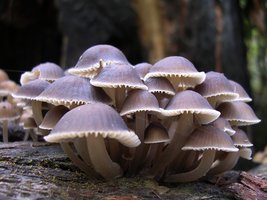
Fungal Phylogeny and Evolutionary Relationships
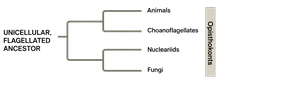
Fungi are part of the eukaryotic clade Opisthokonta, which also includes animals and certain protists. Molecular evidence shows that fungi are more closely related to animals than to plants.
Fungal Cell Wall Chemistry
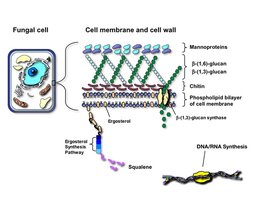
The cell wall of fungi is primarily composed of chitin, which provides rigidity and protection. This composition prevents fungal cells from engulfing food particles, so they rely on external digestion and absorption.
Fungal Body Structure: Mycelium and Fruiting Bodies
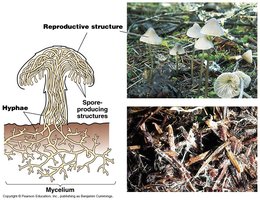
The main body of a fungus is the mycelium, a network of hyphae that grows through and digests the substrate. The visible part of many fungi, such as mushrooms, is the fruiting body, which is specialized for spore production and dispersal.
Hyphae: Thread-like filaments that form the mycelium and allow for efficient nutrient absorption due to their high surface area.
Fruiting Bodies: Structures composed of densely packed hyphae, responsible for producing and releasing spores.
Growth and Reproduction in Fungi
Fungi can reproduce both sexually and asexually. Their growth is characterized by the extension of hyphal tips, driven by osmosis and the deposition of new cell wall material.
Osmosis: Water uptake at hyphal tips generates pressure that drives growth.
Sexual Reproduction: Involves the fusion of hyphae from different mating types, leading to a dikaryotic stage (cells with two genetically distinct nuclei) before nuclear fusion and meiosis produce haploid spores.
Asexual Reproduction: Many fungi reproduce rapidly by producing spores through mitosis.
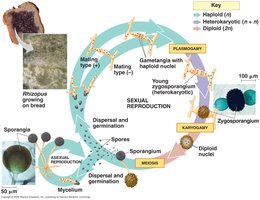
Fungal Life Cycle
The typical fungal sexual life cycle includes:
Plasmogamy: Fusion of cytoplasm from two parent mycelia.
Dikaryotic Stage: Cells contain two separate nuclei (n + n).
Karyogamy: Fusion of nuclei to form a diploid zygote (2n).
Meiosis: Produces haploid spores that germinate into new mycelia.
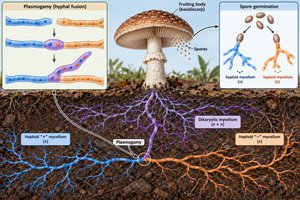
Ecological Roles of Fungi
Decomposers: Fungi are essential for breaking down complex organic materials, such as cellulose and lignin, recycling nutrients in ecosystems.
Mutualists: Many fungi form symbiotic relationships with plants (mycorrhizae) or photosynthetic organisms (lichens).
Pathogens: Some fungi cause diseases in plants, animals, and humans.
Predators: Certain fungi can trap and consume small organisms, such as nematodes.
Fungal Mutualisms
Lichens: Symbiotic associations between fungi and photosynthetic partners (algae or cyanobacteria). The fungus provides structure and protection, while the photosynthetic partner supplies organic nutrients.
Mycorrhizae: Symbiotic relationships between fungal hyphae and plant roots, enhancing water and mineral uptake for the plant and providing organic nutrients for the fungus.
Fungi in Biotechnology
Industrial Applications: Fungi are used to produce antibiotics, citric acid, glycerol, and other chemicals.
Food Production: Saccharomyces cerevisiae (yeast) is essential for baking, brewing, and winemaking.
Bioremediation: Some fungi can break down pollutants or recycle waste materials.
Unique Features for Fungal Identification
Chitinous Cell Walls: The presence of chitin in cell walls is a defining feature of fungi, distinguishing them from plants and animals.
Summary Table: Key Features of Fungi Compared to Plants and Animals
Feature | Fungi | Plants | Animals |
|---|---|---|---|
Cell Wall Composition | Chitin | Cellulose | None |
Nutrition | Absorptive heterotroph | Photosynthetic autotroph | Ingestive heterotroph |
Storage Molecule | Glycogen | Starch | Glycogen |
Motility | Sessile | Sessile | Motile (most) |
Conclusion
Fungi are a vital group of eukaryotes with unique structural, reproductive, and ecological characteristics. Their roles as decomposers, mutualists, and pathogens make them essential to the functioning of ecosystems and valuable in biotechnology and industry.
