 Indietro
Fungi: Structure, Life Cycles, Diversity, and Ecological Roles
Guida di studio - Note intelligenti
 Appunti personalizzati basati sui tuoi materiali, ampliati con definizioni chiave, esempi e contesto.
Fungi: Nutrition and Ecology
Heterotrophic Nutrition and Enzyme Activity
Fungi are heterotrophic organisms that obtain nutrients by absorption. They secrete enzymes to break down a wide range of complex molecules, enabling them to utilize diverse food sources.
Decomposers: Break down dead organic matter, recycling nutrients in ecosystems.
Parasites: Extract nutrients from living hosts, often causing disease.
Mutualists: Form beneficial relationships with other organisms, such as plants.
Specialized Hyphae in Mycorrhizal Fungi
Mycorrhizae: Plant-Fungi Symbiosis
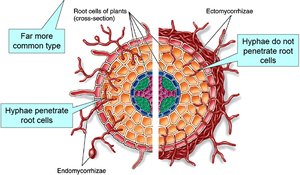
Mycorrhizae are symbiotic associations between fungal hyphae and plant roots, enhancing nutrient uptake for plants. There are two main types:
Ectomycorrhizal fungi: Hyphae surround root cells but do not penetrate them.
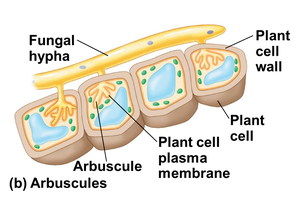
Arbuscular (Endomycorrhizal) fungi: Hyphae penetrate root cell walls, forming arbuscules for nutrient exchange.
Fungal Reproduction: Spores and Life Cycles
Spore Production and Germination
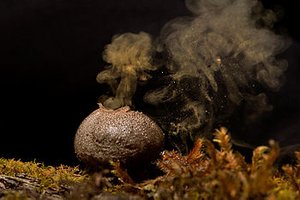
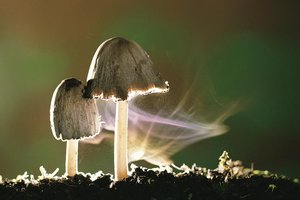
Fungi produce spores through both sexual and asexual life cycles. Spores germinate in moist environments with available nutrients.
Sexual reproduction: Involves fusion of hyphae from different individuals, often guided by pheromones.
Asexual reproduction: Molds produce haploid spores by mitosis, forming visible mycelia.
Fungal Life Cycle Overview
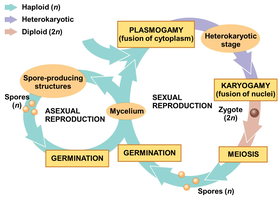
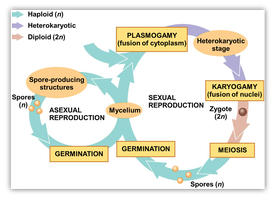
The fungal life cycle alternates between haploid, diploid, and heterokaryotic stages. Key processes include plasmogamy (fusion of cytoplasm), karyogamy (fusion of nuclei), and meiosis.
Plasmogamy: Fusion of cytoplasm from two parent mycelia.
Karyogamy: Fusion of nuclei, forming a diploid zygote.
Meiosis: Produces haploid spores for dispersal.
Asexual Reproduction in Fungi
Molds and Yeasts
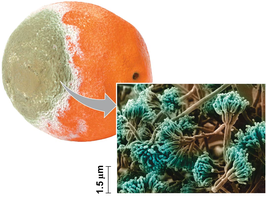
Molds: Produce haploid spores by mitosis, rapidly colonizing substrates.
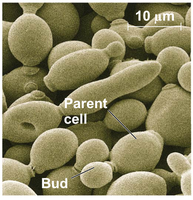
Yeasts: Reproduce by budding, where a new cell forms from the parent cell.
Origin and Evolution of Fungi
Fossil Record and Move to Land
The oldest undisputed fungal fossils date back about 460 million years. Fungi were among the earliest organisms to colonize land, playing a crucial role in soil formation and plant evolution.
Fungal Diversity: Major Phyla
Phylum Cryptomycota
Unicellular fungi with flagellated spores.
Phylum Microsporidia
Intracellular parasites; spores infect host cells using a harpoon-like organelle.
Phylum Chytridiomycota (Chytrids)
Produce zoospores (motile spores with flagella).
Phylum Zoopagomycota
Includes parasites and commensal symbionts of animals, fungi, and protists.
Phylum Mucoromycota
Contains fast-growing molds responsible for food spoilage.
Phylum Ascomycota (Ascomycetes)
Produce sexual spores in saclike asci within fruiting bodies called ascocarps.
Phylum Basidiomycota (Basidiomycetes)
Named for the basidium, a clublike structure where spores are produced.
Fungi as Decomposers
Role in Ecosystems
Fungi are efficient decomposers of organic material, including cellulose and lignin, facilitating nutrient cycling in ecosystems.
Fungus-Plant Mutualisms
Endophytes
Plants often host harmless symbiotic endophytes—fungi that live inside leaves or other plant parts. These endophytes can enhance plant resistance to pathogens and environmental stress.
Fungus-Animal Mutualisms
Ant-Fungus Symbiosis
Some ant species cultivate fungi in specialized gardens, using their digestive power to break down plant material.
Lichens
Symbiotic Associations
Lichens are symbiotic associations between a photosynthetic microorganism (algae or cyanobacteria) and a fungus. The photosynthetic partner occupies an inner layer below the lichen surface, providing nutrients to the fungus.
Fungi as Parasites
Impact on Plants and Animals
While animals are less susceptible to parasitic fungi than plants, fungi can cause significant diseases in both groups.
Practical Uses of Fungi
Human Applications
Humans utilize fungi for food (e.g., mushrooms), fermentation (e.g., bread, alcoholic beverages), and production of cheeses.
Summary Table
Major Fungal Groups and Their Characteristics
Phylum | Key Features | Ecological Role |
|---|---|---|
Cryptomycota | Unicellular, flagellated spores | Unknown, possibly decomposers |
Microsporidia | Harpoon-like organelle, intracellular parasites | Parasites |
Chytridiomycota | Zoospores, aquatic | Decomposers, parasites |
Zoopagomycota | Parasites/commensals of animals/fungi/protists | Parasites, symbionts |
Mucoromycota | Fast-growing molds | Decomposers |
Ascomycota | Asci, ascocarps | Decomposers, mutualists, parasites |
Basidiomycota | Basidium, mushrooms | Decomposers, mutualists, parasites |
Additional info: Academic context was added to clarify fungal life cycles, ecological roles, and phylum characteristics.
