Indietro

General Biology: Core Concepts and Study Guide (Chapters 1–14)

Guida di studio - Impara con i video

Lezioni curate abbinate al materiale che hai caricato – impara ogni argomento passo dopo passo.

Natural Selection and Evolution

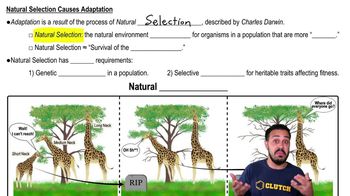
  • Natural Selection Causes Adaptation
    07:48
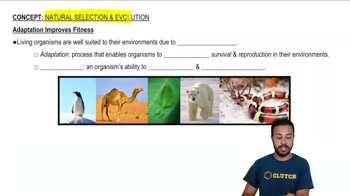
  • Adaptation Improves Fitness
    02:57
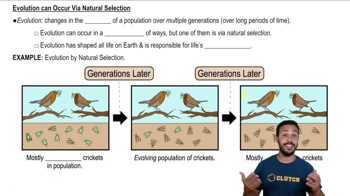
  • Evolution can Occur Via Natural Selection
    04:32

Scientific Method

  • Scientific Method Example 1
    01:35
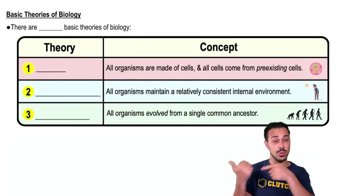
  • Basic Theories of Biology
    03:03
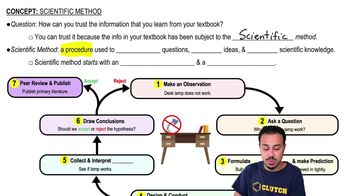
  • Scientific Method
    06:29

Hydrogen Bonding

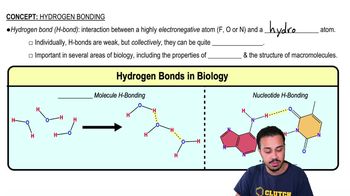
  • Hydrogen Bonding
    05:03

Properties of Water- The Universal Solvent

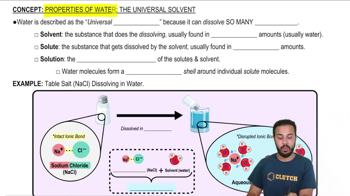
  • Properties of Water- The Universal Solvent
    06:20
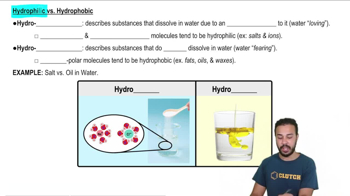
  • Hydrophilic vs. Hydrophobic
    03:43
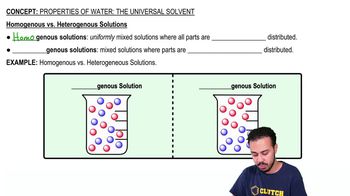
  • Homogenous vs. Heterogenous Solutions
    02:19

Acids and Bases

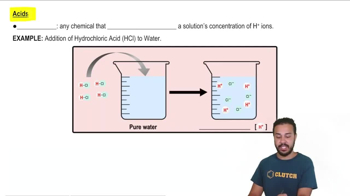
  • Acids
    02:45
  • Acids and Bases
    01:29
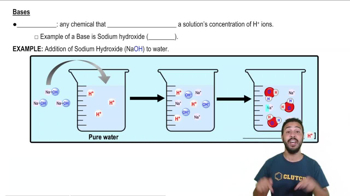
  • Bases
    03:48
pH Scale

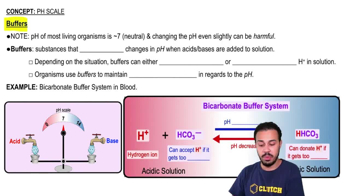
  • Buffers
    05:38
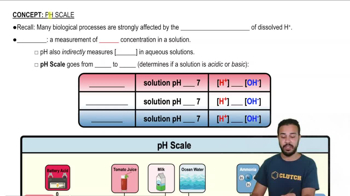
  • pH Scale
    11:05

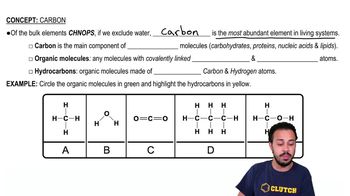
Carbon

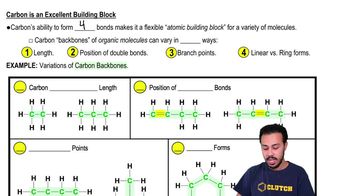
  • Carbon is an Excellent Building Block
    03:35
  • Carbon
    04:19

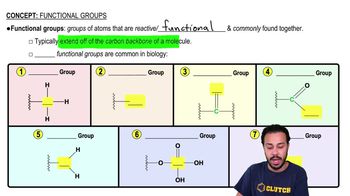
Functional Groups

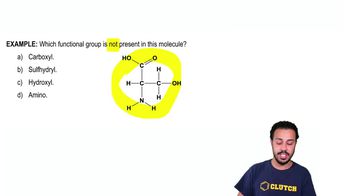
  • Functional Groups Example 1
    02:00
  • Functional Groups
    06:04

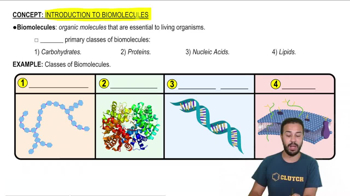
Introduction to Biomolecules

  • Introduction to Biomolecules
    01:17
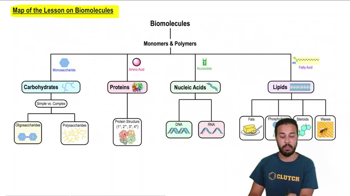
  • Map of the Lesson on Biomolecules
    01:29

Monomers & Polymers

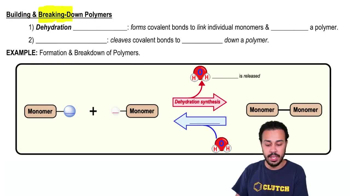
  • Building & Breaking-Down Polymers
    04:19
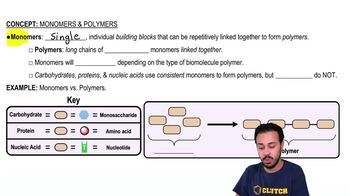
  • Monomers & Polymers
    03:42

Carbohydrates

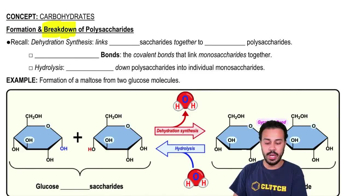
  • Formation & Breakdown of Polysaccharides
    03:08
  • Carbohydrates
    04:53
  • Carbohydrate Functions
    05:08

Lipids

  • Steroids & Waxes
    03:30
  • Lipids
    04:19
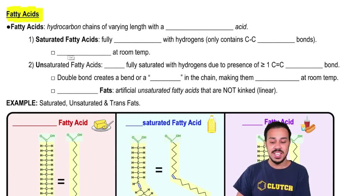
  • Fatty Acids
    06:59

Proteins

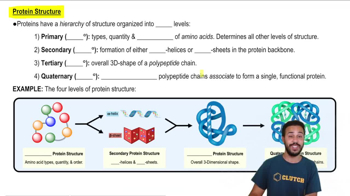
  • Protein Structure
    08:02
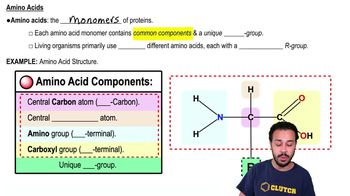
  • Amino Acids
    04:37
  • Proteins
    02:50

Nucleic Acids

  • Nucleic Acids Example 2
    01:05
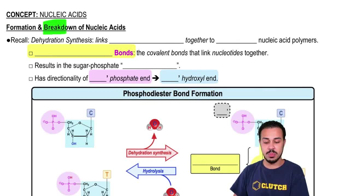
  • Formation & Breakdown of Nucleic Acids
    04:07
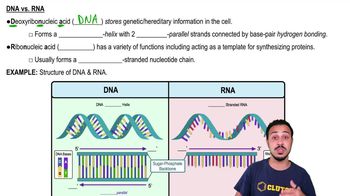
  • DNA vs. RNA
    05:57

Microscopes

  • Microscopes
    06:35
  • Types of Electron Microscopes
    02:52

Prokaryotic & Eukaryotic Cells

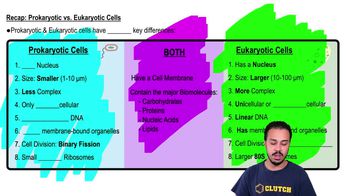
  • Recap: Prokaryotic vs. Eukaryotic Cells
    04:26
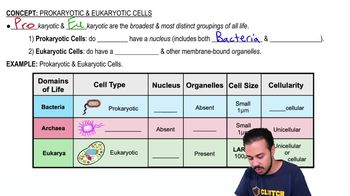
  • Prokaryotic & Eukaryotic Cells
    05:54
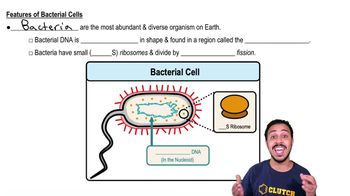
  • Features of Bacterial Cells
    03:54

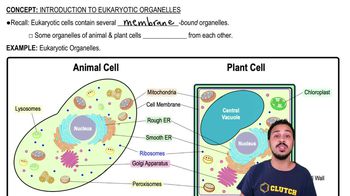
Introduction to Eukaryotic Organelles

  • Introduction to Eukaryotic Organelles
    03:45
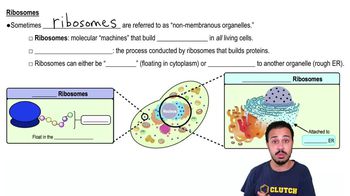
  • Ribosomes
    06:51
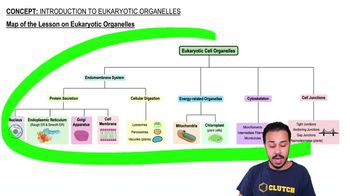
  • Map of the Lesson on Eukaryotic Organelles
    02:43

Endomembrane System: Protein Secretion

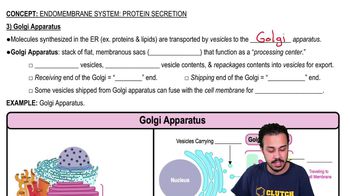
  • Golgi Apparatus
    06:02
  • Endoplasmic Reticulum
    06:07
  • Nucleus
    06:32

Endomembrane System: Digestive Organelles

  • Central Vacuole
    03:35
  • Lysosomes & Peroxisomes
    05:38

Mitochondria & Chloroplasts

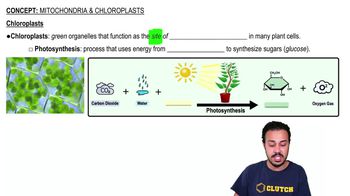
  • Chloroplasts
    03:16
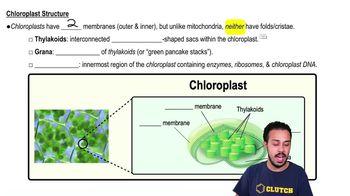
  • Chloroplast Structure
    03:41
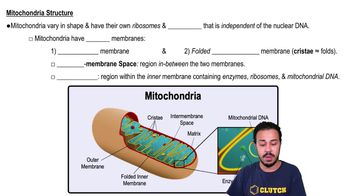
  • Mitochondria Structure
    04:45

Introduction to the Cytoskeleton

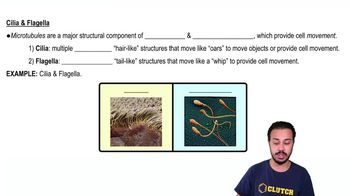
  • Cilia & Flagella
    03:15
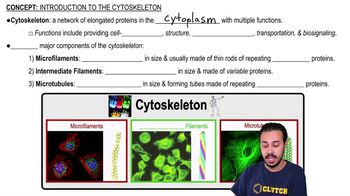
  • Introduction to the Cytoskeleton
    06:05

Cell Junctions

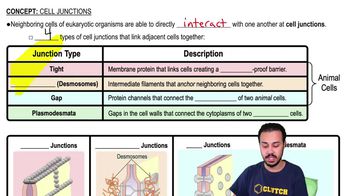
  • Cell Junctions
    05:33

Biological Membranes

  • Biological Membranes Example 1
    02:21
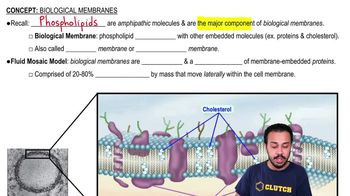
  • Biological Membranes
    06:04

Concentration Gradients and Diffusion

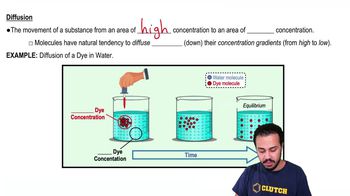
  • Diffusion
    02:44
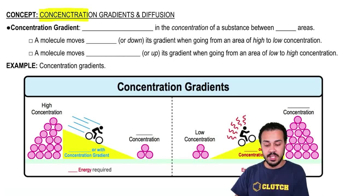
  • Concentration Gradients and Diffusion
    04:51

Introduction to Membrane Transport

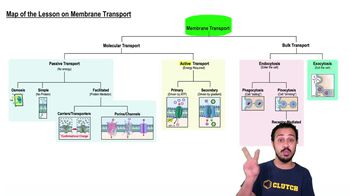
  • Map of the Lesson on Membrane Transport
    02:33
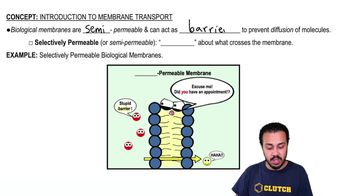
  • Introduction to Membrane Transport
    02:47
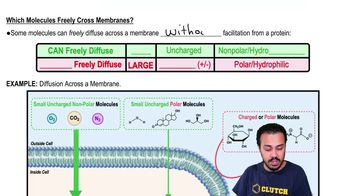
  • Which Molecules Freely Cross Membranes?
    07:10

Passive vs. Active Transport

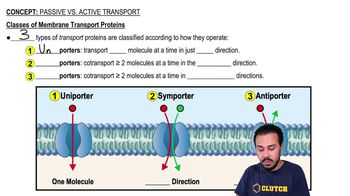
  • Classes of Membrane Transport Proteins
    03:28
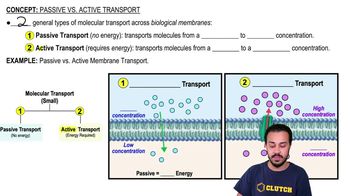
  • Passive vs. Active Transport
    04:18

Osmosis

  • Osmosis Example 1
    02:18
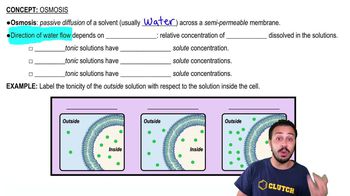
  • Osmosis
    05:59
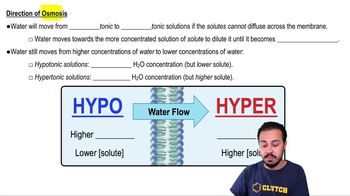
  • Direction of Osmosis
    06:48
Simple and Facilitated Diffusion

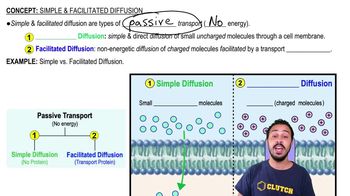
  • Simple and Facilitated Diffusion
    05:10
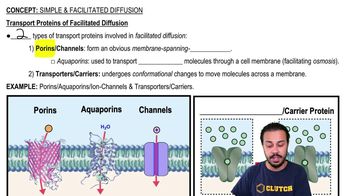
  • Transport Proteins of Facilitated Diffusion
    04:49

Active Transport

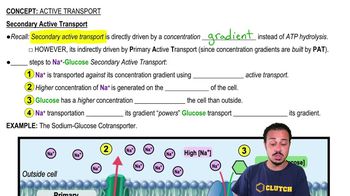
  • Secondary Active Transport
    07:06
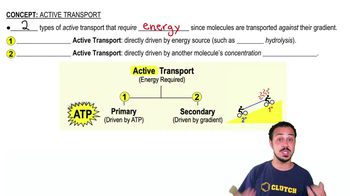
  • Active Transport
    02:37
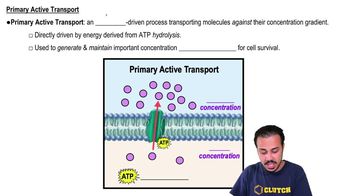
  • Primary Active Transport
    02:53

Endocytosis and Exocytosis

  • Endocytosis and Exocytosis Example 1
    01:52
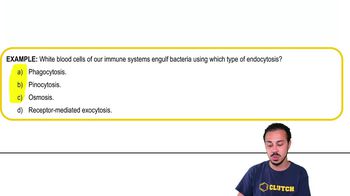
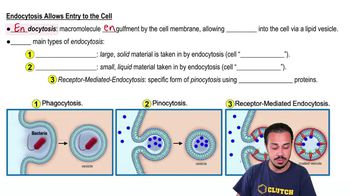
  • Endocytosis Allows Entry to the Cell
    04:18
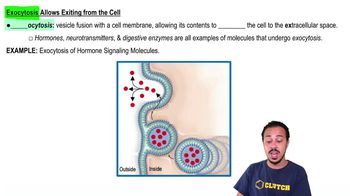
  • Exocytosis Allows Exiting from the Cell
    02:28
Redox Reactions

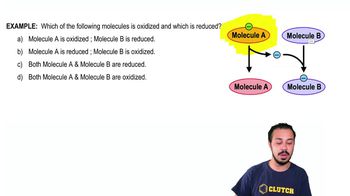
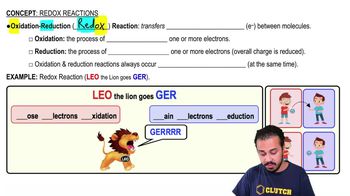
  • Redox Reactions Example 1
    01:44
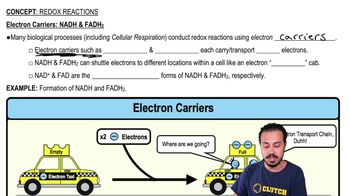
  • Electron Carriers: NADH & FADH2
    05:22
  • Redox Reactions
    04:47

Introduction to Aerobic Cellular Respiration

  • Introduction to Cellular Respiration Example 2
    01:53
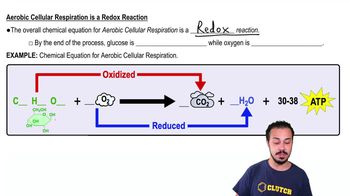
  • Aerobic Cellular Respiration is a Redox Reaction
    04:18
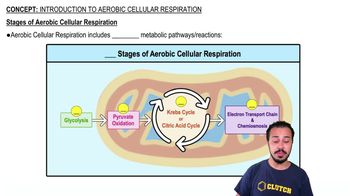
  • Stages of Aerobic Cellular Respiration
    02:31

Glycolysis

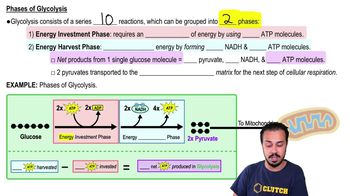
  • Phases of Glycolysis
    06:20
  • Glycolysis Example 1
    01:29
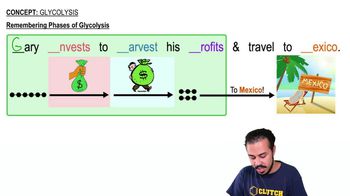
  • Remembering Phases of Glycolysis
    02:49

Pyruvate Oxidation

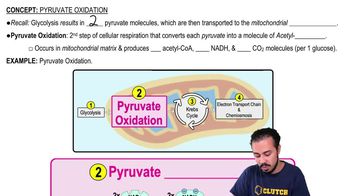
  • Pyruvate Oxidation
    04:37

Krebs Cycle

  • Krebs Cycle Example 1
    01:20
  • Krebs Cycle
    01:36
  • Phases of The Krebs Cycle
    09:54

Electron Transport Chain

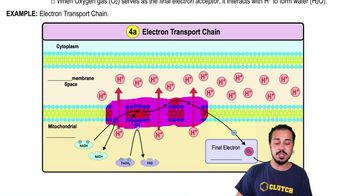
  • Remembering the ETC
    04:43
  • Electron Transport Chain
    07:41

Chemiosmosis

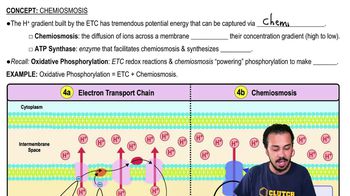
  • Chemiosmosis
    05:01

Fermentation & Anaerobic Respiration

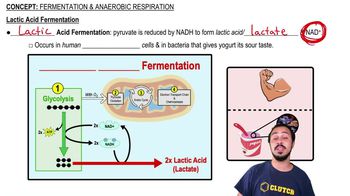
  • Lactic Acid Fermentation
    03:34
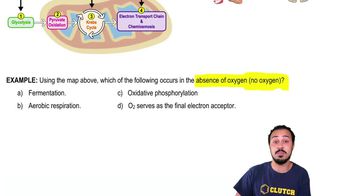
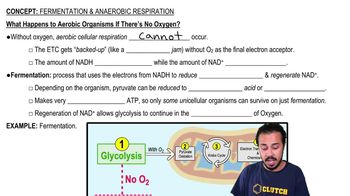
  • What Happens to Aerobic Organisms if There's No Oxygen?
    07:51
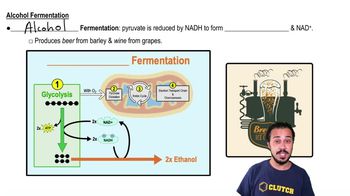
  • Alcohol Fermentation
    02:02

Introduction to the Cell Cycle

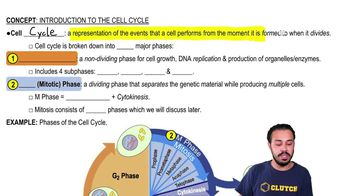
  • Introduction to the Cell Cycle
    04:46

Phases of Mitosis

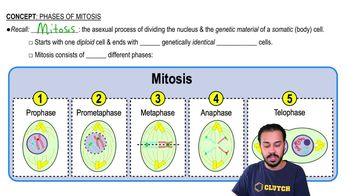
  • Phases of Mitosis
    03:21
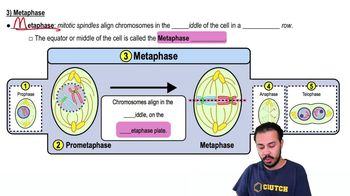
  • Metaphase
    01:58
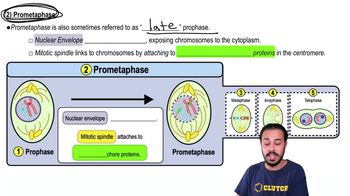
  • Prometaphase
    03:20

Cytokinesis

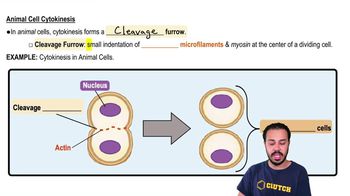
  • Animal Cell Cytokinesis
    02:56
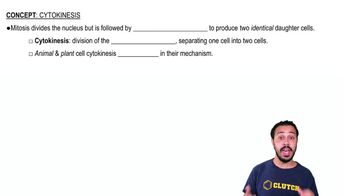
  • Cytokinesis
    01:25
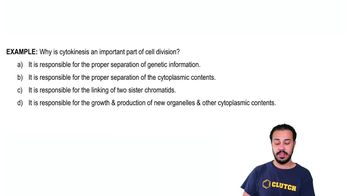
  • Cytokinesis Example 1
    01:59

Cell Cycle Regulation

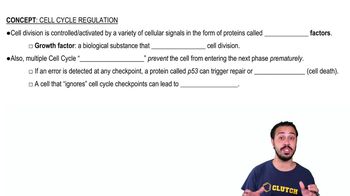
  • Cell Cycle Regulation
    03:31
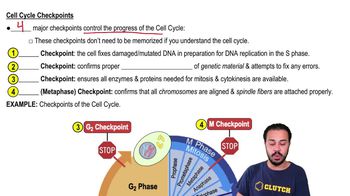
  • Cell Cycle Checkpoints
    06:32

Mitosis & Meiosis Review

  • Mitosis & Meiosis Review Example 1
    01:27

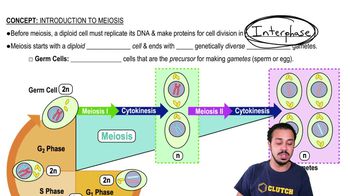
Introduction to Meiosis

  • Introduction to Meiosis Example 1
    01:43
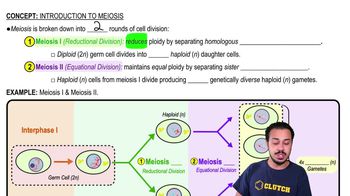
  • Meiosis I & Meiosis II
    04:49
  • Introduction to Meiosis
    04:33

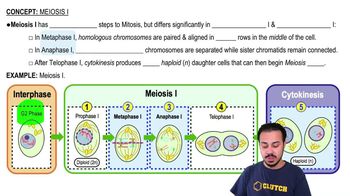
Meiosis I

  • Meiosis I
    07:55

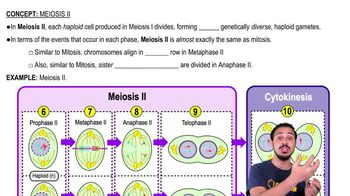
Meiosis II

  • Meiosis II
    06:17

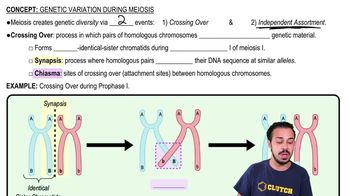
Genetic Variation During Meiosis

  • Genetic Variation During Meiosis
    07:08
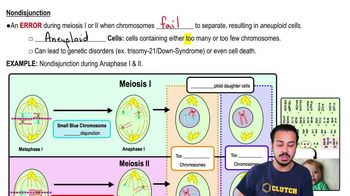
  • Nondisjunction
    05:03
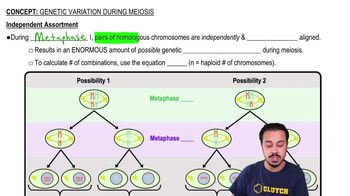
  • Independent Assortment
    08:49

Introduction to Mendel's Experiments

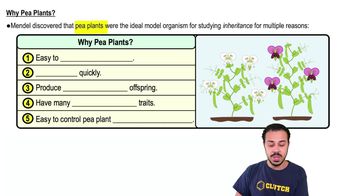
  • Why Pea Plants?
    01:58
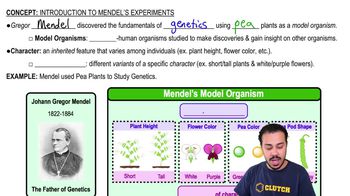
  • Introduction to Mendel's Experiments
    03:50

Mendel's Laws

  • Mendel's Laws
    01:16
  • Law of Segregation
    03:24
  • Law of Independent Assortment
    06:44

Pedigrees

  • How to Read Pedigrees
    03:21
  • Pedigrees
    02:36