Indietro

General Biology Final Exam Study Guide: Key Concepts and Topics

Guida di studio - Impara con i video

Lezioni curate abbinate al materiale che hai caricato – impara ogni argomento passo dopo passo.

Scientific Method

  • Scientific Method Example 1
    01:35
  • Basic Theories of Biology
    03:03
  • Scientific Method
    06:29

Experimental Design

  • Variables
    07:36
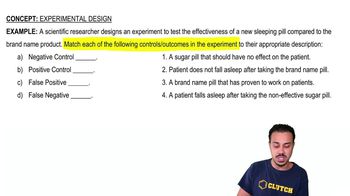
  • Experimental Design Example 1
    02:50
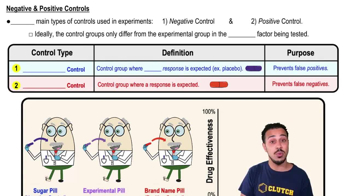
  • Negative & Positive Controls
    07:42

Atoms - Smallest Unit of Matter

  • Atoms- Smallest Unit of Matter Example 1
    02:13
  • Atoms- Smallest Unit of Matter Example 3
    03:51
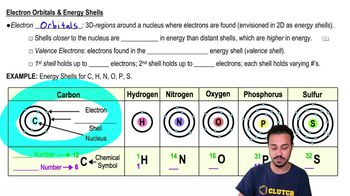
  • Electron Orbitals & Energy Shells
    09:44

Introduction to Chemical Bonding

  • Introduction to Chemical Bonding Example 1
    1:59
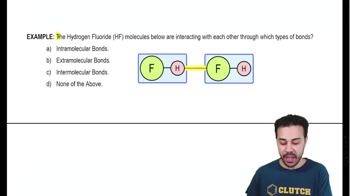
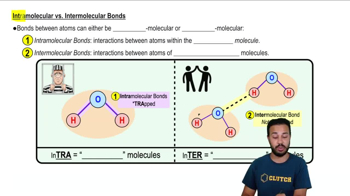
  • Intramolecular vs. Intermolecular Bonds
    03:53
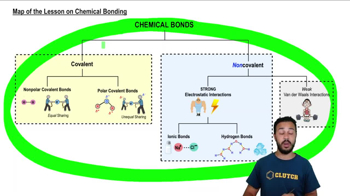
  • Map of the Lesson on Chemical Bonding
    02:42

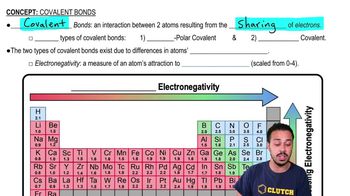
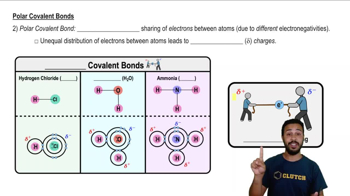
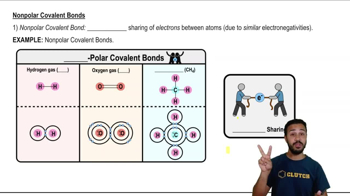
Covalent Bonds

  • Covalent Bonds
    04:28
  • Polar Covalent Bonds
    06:59
  • Nonpolar Covalent Bonds
    06:41

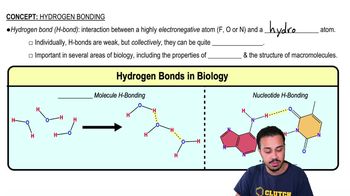
Hydrogen Bonding

  • Hydrogen Bonding
    05:03

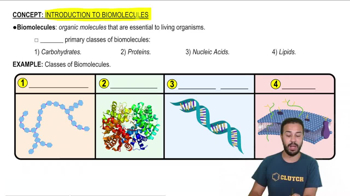
Introduction to Biomolecules

  • Introduction to Biomolecules
    01:17
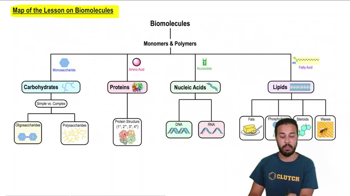
  • Map of the Lesson on Biomolecules
    01:29

Monomers & Polymers

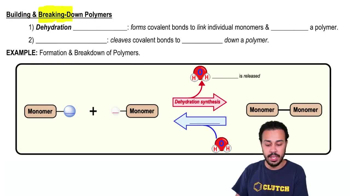
  • Building & Breaking-Down Polymers
    04:19
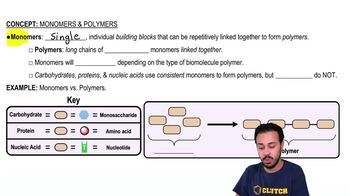
  • Monomers & Polymers
    03:42

Proteins

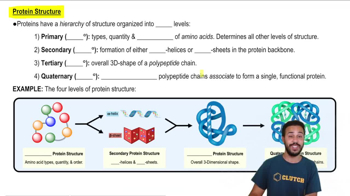
  • Protein Structure
    08:02
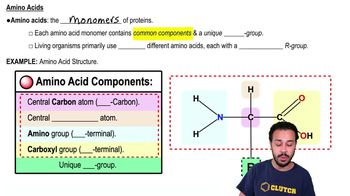
  • Amino Acids
    04:37
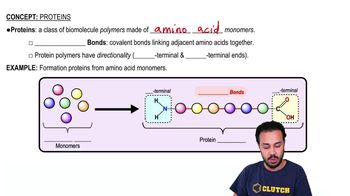
  • Proteins
    02:50

Nucleic Acids

  • Nucleic Acids Example 2
    01:05
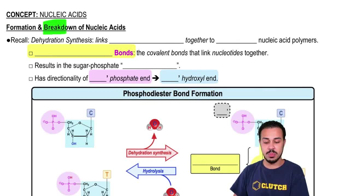
  • Formation & Breakdown of Nucleic Acids
    04:07
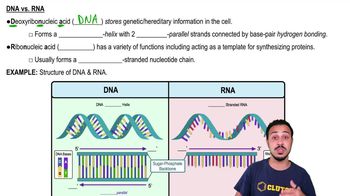
  • DNA vs. RNA
    05:57

Introduction to DNA Replication

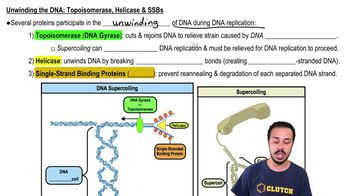
  • Unwinding the DNA: Topoisomerase, Helicase & SSBs
    05:10
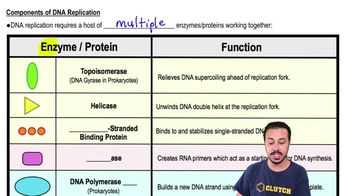
  • Components of DNA Replication
    04:47
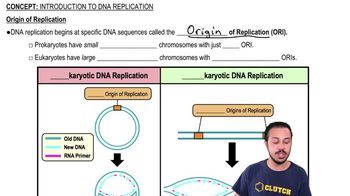
  • Origin of Replication
    03:33

Steps of DNA Replication

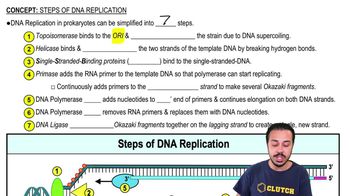
  • Steps of DNA Replication
    09:29

Central Dogma

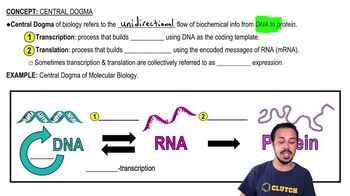
  • Central Dogma
    05:45

Introduction to Transcription

  • Overview of Transcription
    07:44
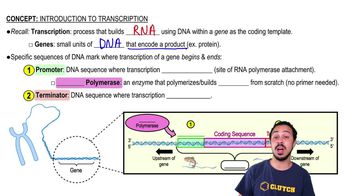
  • Introduction to Transcription
    05:51

Steps of Transcription

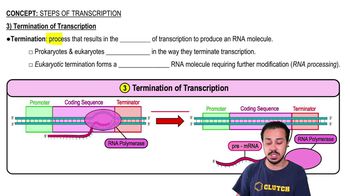
  • 3) Termination of Transcription
    02:44
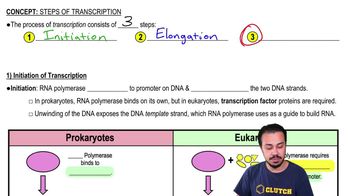
  • 1) Initiation of Transcription
    04:16
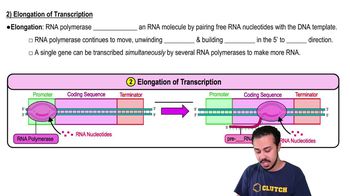
  • 2) Elongation of Transcription
    04:01

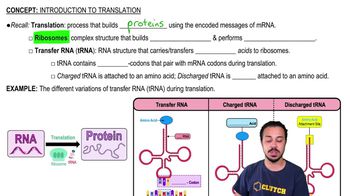
Introduction to Translation

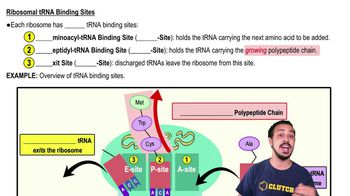
  • Ribosomal tRNA Binding Sites
    06:16
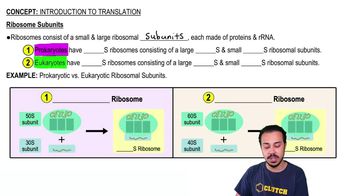
  • Ribosome Subunits
    08:42
  • Introduction to Translation
    06:12

Steps of Translation

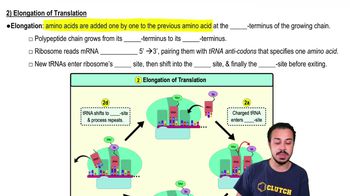
  • 2) Elongation of Translation
    04:59
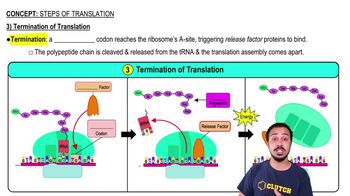
  • 3) Termination of Translation
    02:16
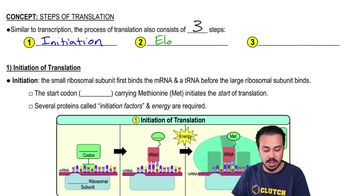
  • 1) Initiation of Translation
    05:03

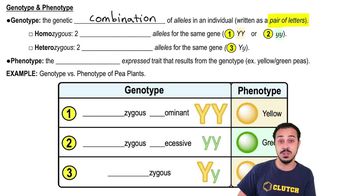
Genotype vs. Phenotype

  • Genotype & Phenotype
    06:36
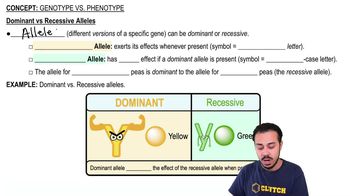
  • Dominant vs. Recessive Alleles
    03:39

Punnett Squares

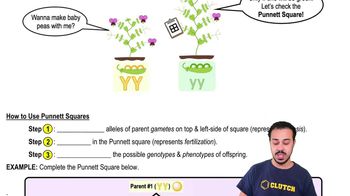
  • How to Use Punnett Squares
    07:05
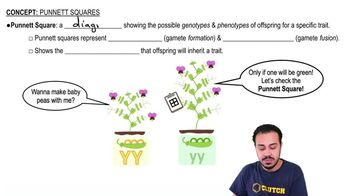
  • Punnett Squares
    01:37

Mendel's Experiments

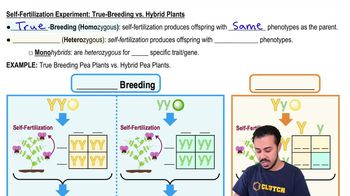
  • Self-Fertilization Experiment: True-Breeding vs. Hybrid Plants
    05:48
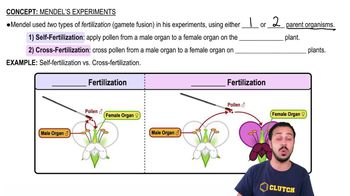
  • Mendel's Experiments
    03:02
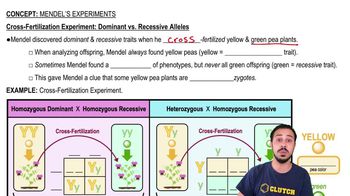
  • Cross-Fertilization Experiment: Dominant vs. Recessive Alleles
    05:04

Mendel's Laws

  • Mendel's Laws
    01:16
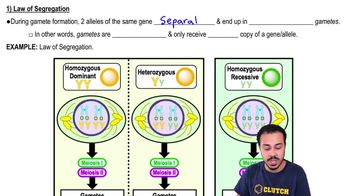
  • Law of Segregation
    03:24
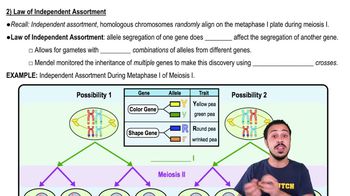
  • Law of Independent Assortment
    06:44

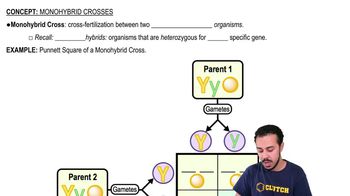
Monohybrid Crosses

  • Monohybrid Crosses Example 1
    03:12
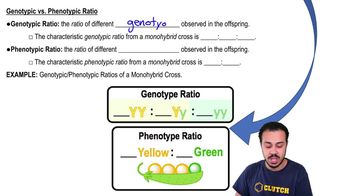
  • Genotypic vs. Phenotypic Ratio
    02:48
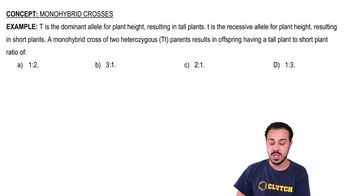
  • Monohybrid Crosses
    02:05

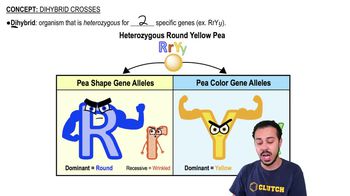
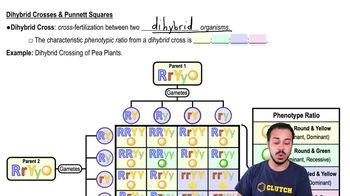
Dihybrid Crosses

  • Dihybrid Crosses
    02:37
  • Dihybrid Crosses & Punnett Squares
    03:34

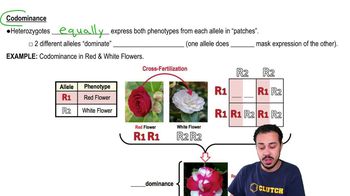
Incomplete Dominance vs. Codominance

  • Codominance
    02:59
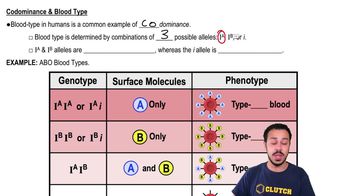
  • Codominance & Blood Type
    05:15
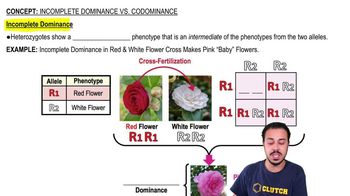
  • Incomplete Dominance
    03:09

Non-Mendelian Genetics

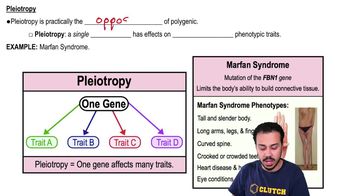
  • Pleiotropy
    02:18
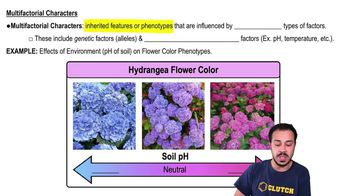
  • Multifactorial Characters
    01:39
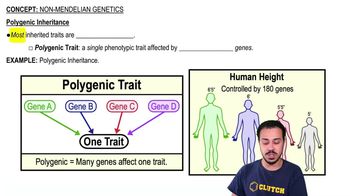
  • Polygenic Inheritance
    02:27

Genes & Alleles

  • Genes & Alleles Example 1
    02:09
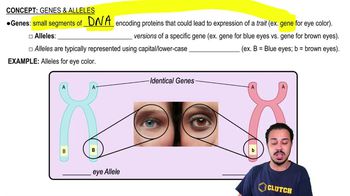
  • Genes & Alleles
    05:02
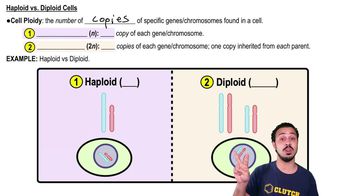
  • Haploid vs. Diploid Cells
    04:14

Genetic Variation

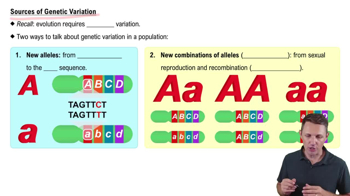
  • Sources of Genetic Variation
    02:16
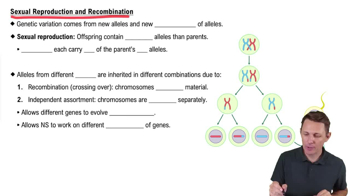
  • Sexual Reproduction and Recombination
    05:08
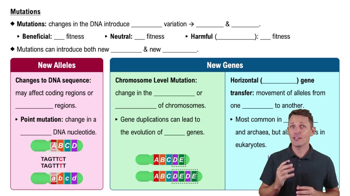
  • Mutations
    06:42

The Hardy-Weinberg Principle

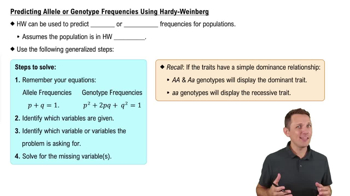
  • Predicting Allele or Genotype Frequencies Using Hardy-Weinberg
    03:31
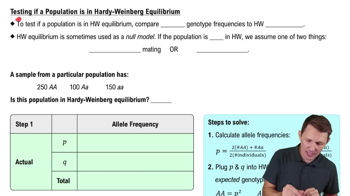
  • Testing if a Population is in Hardy-Weinberg Equilibrium
    08:26
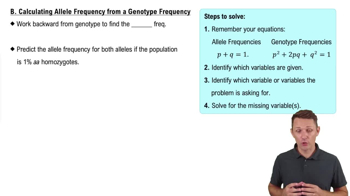
  • B. Calculating Allele Frequency from a Genotype Frequency
    03:20

Assumptions of the Hardy-Weinberg Principle

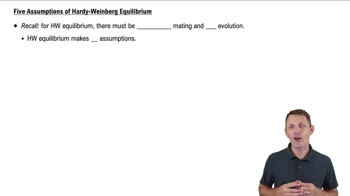
  • Five Assumptions of Hardy-Weinberg Equilibrium
    06:16
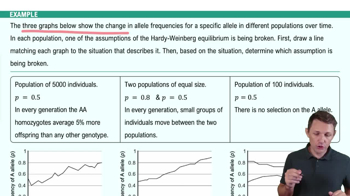
  • Assumptions of the Hardy-Weinberg Principle Example 1
    04:13

Natural Selection and Evolution

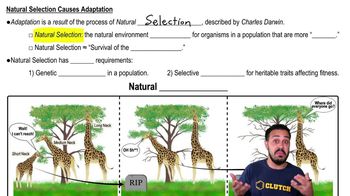
  • Natural Selection Causes Adaptation
    07:48
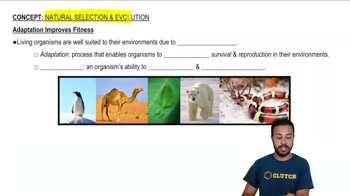
  • Adaptation Improves Fitness
    02:57
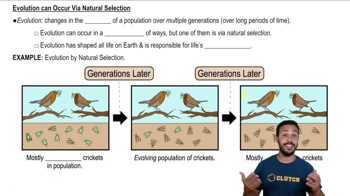
  • Evolution can Occur Via Natural Selection
    04:32

Introduction to Evolution and Natural Selection

  • Introduction to Evolution and Natual Selection Example 1
    03:22
  • Introduction to Evolution and Natual Selection Example 2
    04:28
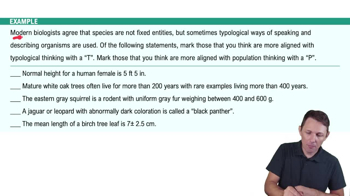
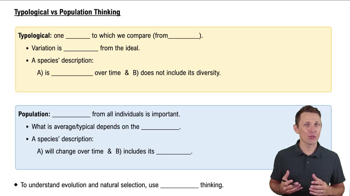
  • Typological vs. Population Thinking
    03:56

Natural Selection

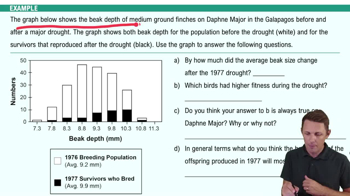
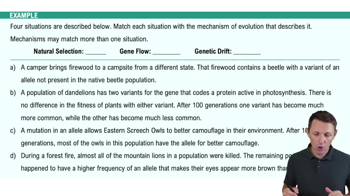
  • Natural Selection Example 2
    05:11
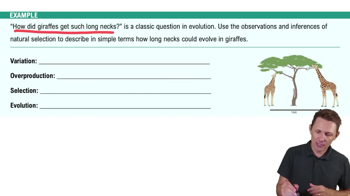
  • Natural Selection: Observations and Inferences
    04:12
  • Natural Selection Example 1
    02:19

Evolution of Populations

  • Evolution of Populations Example 1
    03:33
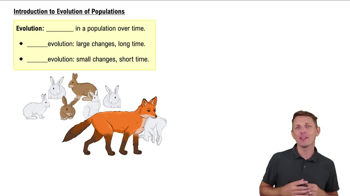
  • Introduction to Evolution of Populations
    05:14

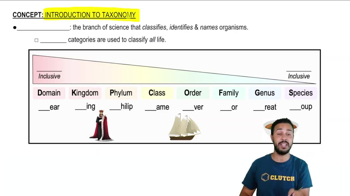
Introduction to Taxonomy

  • Introduction to Taxonomy Example 2
    01:37
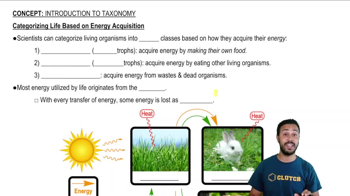
  • Categorizing Life Based on Energy Acquisition
    05:48
  • Introduction to Taxonomy
    02:23

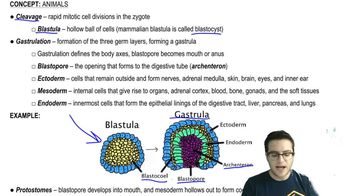
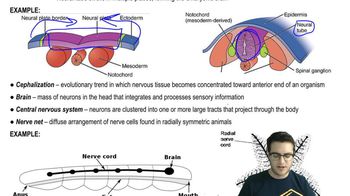
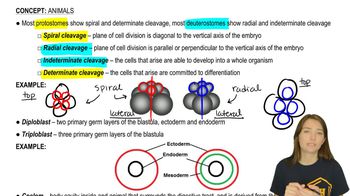
Overview of Animals

  • Overview of Animals - 2
    06:59
  • Overview of Animals - 5
    04:57
  • Overview of Animals - 3
    12:01

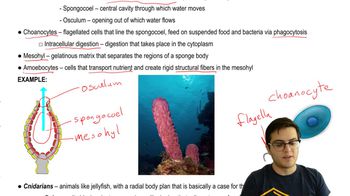
Porifera and Cnidaria

  • Porifera and Cnidaria
    10:20

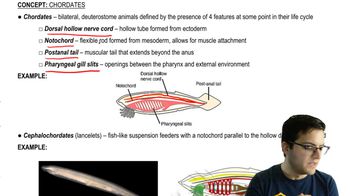
Chordates

  • Chordates
    05:34
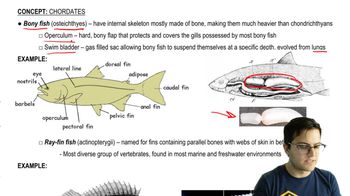
  • Bony Fish
    05:21
  • Tetrapods
    05:57

Primates and Homonids

  • Homonids
    11:30
  • Primates
    05:26