 Indietro
General Biology: Foundations of Chemistry, Macromolecules, and Biological Systems
Guida di studio - Note intelligenti
 Appunti personalizzati basati sui tuoi materiali, ampliati con definizioni chiave, esempi e contesto.
Atoms, Elements, and Chemical Bonds
Atomic Structure and Elements
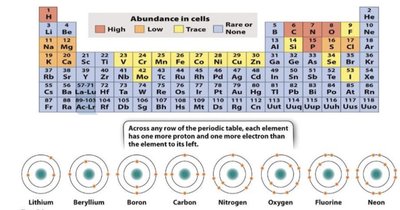
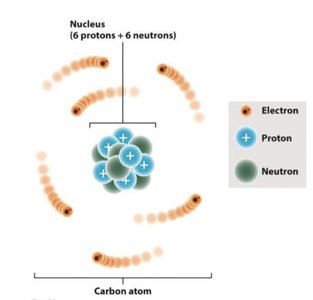
Atoms are the fundamental units of matter, composed of protons, neutrons, and electrons. The nucleus contains protons (positively charged) and neutrons (neutral), while electrons (negatively charged) move around the nucleus in defined orbitals. Elements are pure substances consisting of only one type of atom and are defined by their atomic number (number of protons).
Atomic Mass: The sum of protons and neutrons in the nucleus.
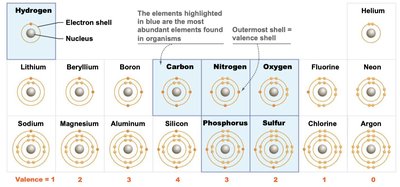
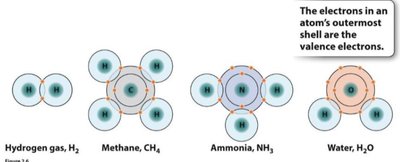
Valence Electrons: Electrons in the outermost shell, crucial for chemical bonding and reactivity.
Periodic Table: Organizes elements by increasing atomic number and similar chemical properties.
Chemical Bonds and Electronegativity
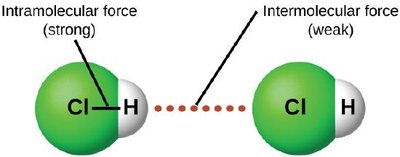
Chemical bonds form when atoms interact to fill their valence shells. The main types of bonds in biological systems are covalent (strong) and noncovalent (weak) bonds. Electronegativity, the tendency of an atom to attract electrons, determines bond type.
Covalent Bonds: Atoms share electrons. Can be nonpolar (equal sharing) or polar (unequal sharing).
Ionic Bonds: Electrons are transferred from one atom to another, creating charged ions.
Noncovalent Bonds: Include hydrogen bonds, van der Waals interactions, and ionic interactions between molecules.
Electronegativity Order (most to least): O > N > S ≈ C > H ≈ P
Properties of Carbon
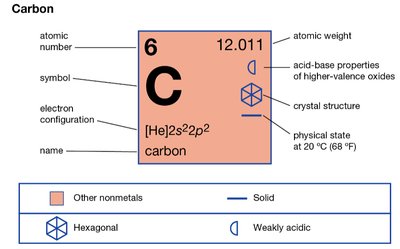
Carbon is the backbone of organic molecules due to its ability to form four covalent bonds, allowing for diverse molecular structures. It can form single, double, or triple bonds, influencing molecular geometry and function.
Macromolecules: Structure and Function
Overview of Biological Macromolecules
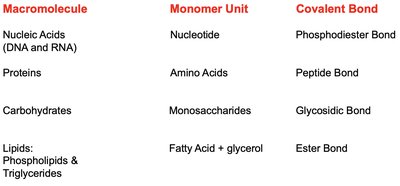
Biological macromolecules are large molecules essential for life, built from smaller subunits (monomers) joined by covalent bonds. The four major classes are nucleic acids, proteins, carbohydrates, and lipids.
Macromolecule | Monomer Unit | Covalent Bond |
|---|---|---|
Nucleic Acids (DNA/RNA) | Nucleotide | Phosphodiester Bond |
Proteins | Amino Acid | Peptide Bond |
Carbohydrates | Monosaccharide | Glycosidic Bond |
Lipids (Phospholipids, Triglycerides) | Fatty Acid + Glycerol | Ester Bond |
Nucleic Acids
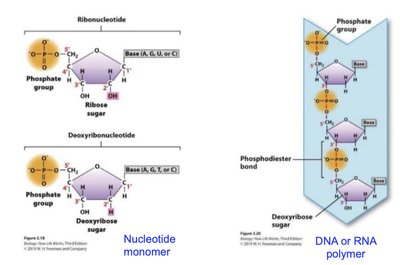
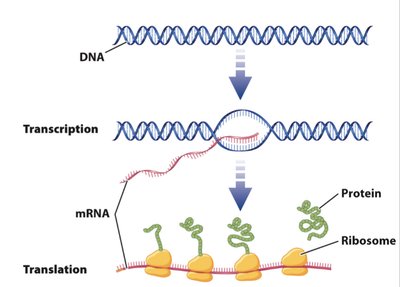
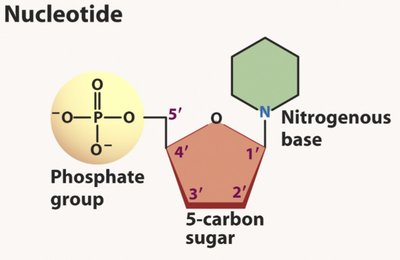
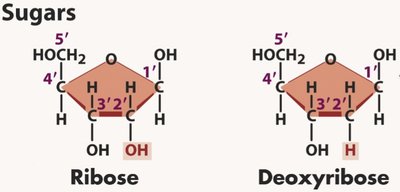
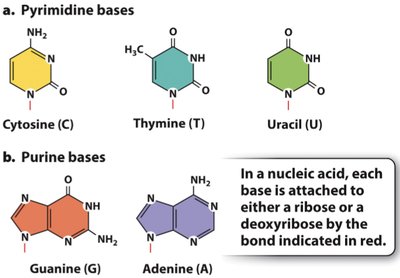
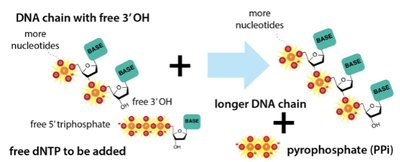
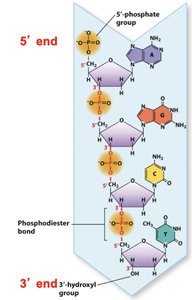
Nucleic acids (DNA and RNA) store and transmit genetic information. They are polymers of nucleotides, each consisting of a phosphate group, a five-carbon sugar (ribose or deoxyribose), and a nitrogenous base (purine or pyrimidine).
Phosphodiester Bonds: Link nucleotides between the 3' hydroxyl and 5' phosphate groups.
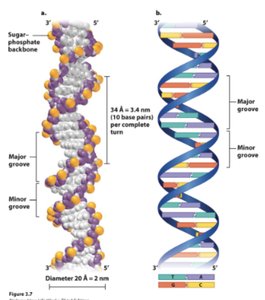
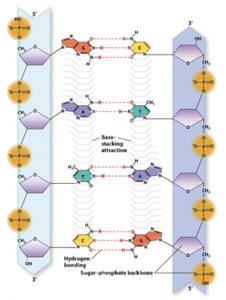
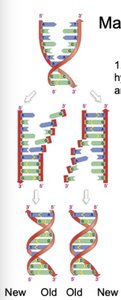
DNA: Double-stranded, antiparallel, with complementary base pairing (A-T, G-C).
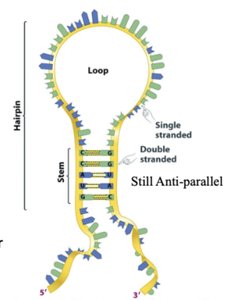
RNA: Single-stranded, can fold into complex structures, uses uracil instead of thymine.
Proteins
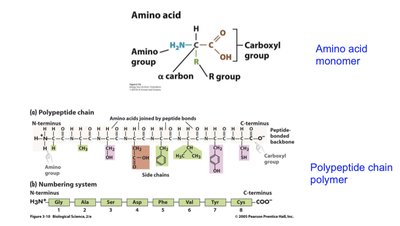
Proteins are polymers of amino acids, joined by peptide bonds. Their structure determines their function, with four levels of organization: primary (sequence), secondary (α-helix, β-sheet), tertiary (3D folding), and quaternary (multiple polypeptides).
Amino Acid Structure: Central carbon, amino group, carboxyl group, hydrogen, and variable R group.
Peptide Bonds: Formed by condensation reactions between amino and carboxyl groups.
Protein Functions: Enzymes, structural support, transport, signaling, movement, and defense.
Carbohydrates
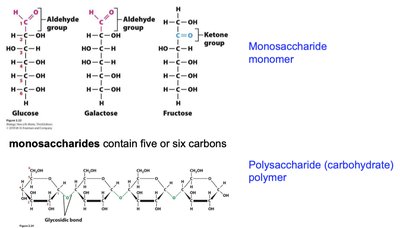
Carbohydrates are composed of monosaccharides (simple sugars) that can form polysaccharides (complex carbohydrates) via glycosidic bonds. They serve as energy sources and structural materials.
Monosaccharides: Glucose, galactose, fructose (differ in arrangement of atoms).
Polysaccharides: Starch, glycogen (energy storage); cellulose, chitin, peptidoglycan (structural).
Glycosidic Linkages: Alpha (digestible) and beta (structural, indigestible by humans except lactose).
Lipids
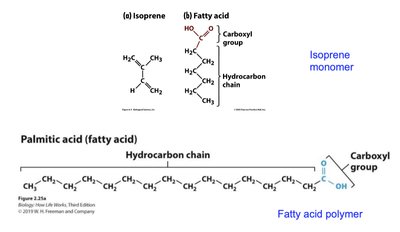
Lipids are hydrophobic molecules, including fats, phospholipids, and steroids. They are not true polymers but are formed by condensation reactions (ester bonds) between fatty acids and glycerol.
Fatty Acids: Saturated (no double bonds, solid at room temp) or unsaturated (double bonds, liquid at room temp).
Phospholipids: Amphipathic molecules forming cell membranes (hydrophilic head, hydrophobic tails).
Steroids: Four-ring structure, e.g., cholesterol.
pH, Acids, Bases, and Buffers in Biological Systems
Acids, Bases, and the pH Scale
Acids release protons (H+) in solution, while bases accept protons. The pH scale measures the concentration of H+ ions, with lower pH being more acidic. Biological systems require tightly regulated pH for proper function.
pH Calculation:
Strong Acids: Completely dissociate in water (e.g., HCl).
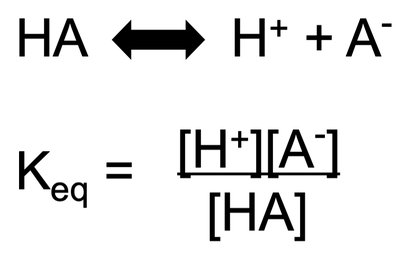
Weak Acids: Partially dissociate, exist in equilibrium with their conjugate base.
Buffers and Biological Importance
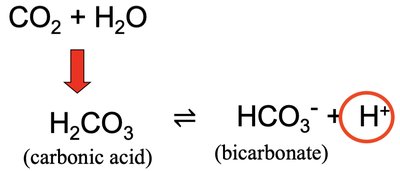
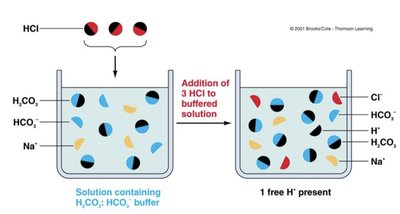
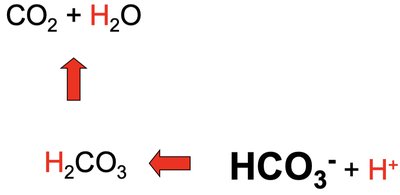
Buffers are solutions that resist changes in pH by reversibly binding H+ ions. Weak acids and their conjugate bases make effective buffers. The bicarbonate buffering system is crucial for maintaining blood pH.
Bicarbonate Buffer System:
Homeostasis: Buffers maintain stable internal conditions, essential for enzyme function and cellular processes.

Functional Groups in Biological Molecules
Common Functional Groups
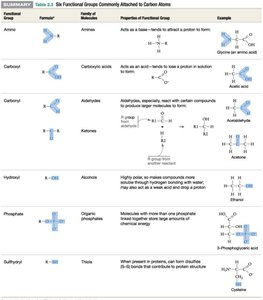
Functional groups are specific groups of atoms within molecules that confer characteristic chemical properties and reactivity. They are critical for the structure and function of macromolecules.
Functional Group | Structure | Properties | Example |
|---|---|---|---|
Amino | -NH2 | Acts as a base, tends to attract a proton | Glycine |
Carbonyl (Aldehyde/Ketone) | -COH / -CO- | Reactive, polar | Acetaldehyde, Acetone |
Carboxyl | -COOH | Acts as an acid, tends to lose a proton | Acetic acid |
Hydroxyl | -OH | Highly polar, makes compounds more soluble | Ethanol |
Phosphate | -PO4 | Stores large amounts of chemical energy | Glycerol phosphate |
Sulfhydryl | -SH | Forms disulfide bonds in proteins | Cysteine |
Summary Table: Macromolecules, Monomers, and Bonds
Macromolecule | Monomer | Bond Type |
|---|---|---|
Nucleic Acids | Nucleotide | Phosphodiester |
Proteins | Amino Acid | Peptide |
Carbohydrates | Monosaccharide | Glycosidic |
Lipids | Fatty Acid + Glycerol | Ester |
Additional info: This guide covers foundational topics in General Biology, including atomic structure, chemical bonding, macromolecule structure and function, pH and buffers, and the importance of functional groups. These concepts are essential for understanding the molecular basis of life and are directly relevant to introductory college biology courses.
