 Indietro
General Biology Review: Cells, Molecules, Genetics, and Human Biology
Guida di studio - Note intelligenti
 Appunti personalizzati basati sui tuoi materiali, ampliati con definizioni chiave, esempi e contesto.
Introduction to the Science of Life
The Scientific Method
The scientific method is a systematic approach used by scientists to investigate natural phenomena, develop hypotheses, and test predictions. It is foundational to biological research and understanding.
Observation: Gathering information about a phenomenon.
Hypothesis: A testable explanation for an observation.
Prediction: A statement about what will happen if the hypothesis is correct.
Experiment: Testing the prediction through controlled experiments.
Conclusion: Analyzing results to support or refute the hypothesis.
Example: Studying the effects of a treatment on Covid-19 symptoms using control and experimental groups.
The Chemistry of Life
Four Classes of Organic Molecules
Organic molecules are essential for life and are classified into four main groups: carbohydrates, lipids, proteins, and nucleic acids. Each group has unique functions and structures.
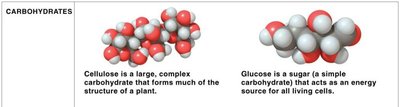
Carbohydrates: Provide energy and structural support. Examples include glucose (energy source) and cellulose (structural component in plants).
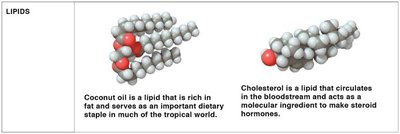
Lipids: Store energy, form cell membranes, and act as signaling molecules. Examples include coconut oil (dietary fat) and cholesterol (precursor for steroid hormones).
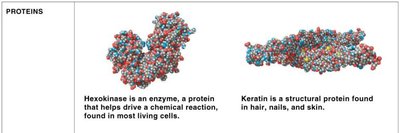
Proteins: Perform a wide range of functions, including catalyzing reactions (enzymes) and providing structure. Examples include hexokinase (enzyme) and keratin (structural protein).
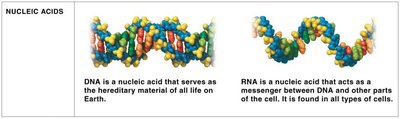
Nucleic Acids: Store and transmit genetic information. DNA is the hereditary material, while RNA acts as a messenger between DNA and other cell parts.
The Cell: The Fundamental Unit of Life
Cell Structure and Types
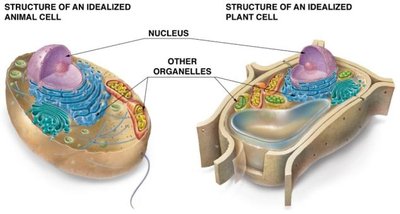
Cells are the basic units of life. All living organisms are composed of cells, which can be classified as prokaryotic or eukaryotic. Eukaryotic cells include plant and animal cells, which share many organelles but also have distinct features.
Plasma Membrane: Surrounds the cell and regulates entry and exit of substances.
Nucleus: Contains genetic material (DNA).
Mitochondria: Site of cellular respiration and energy production.
Other Organelles: Include endoplasmic reticulum, Golgi apparatus, lysosomes, etc.
Cellular Infection and Covid-19
Viruses, such as SARS-CoV-2, infect human cells by entering and hijacking cellular machinery. The genetic material inside viruses can be DNA or RNA, and detection often involves PCR amplification of viral nucleic acids.
Cells affected: Primarily respiratory epithelial cells, but other organ systems can be involved.
PCR Test: Used to detect viral genetic material by amplifying specific sequences.
Energy and Life
ATP Production and Cellular Respiration
Cells obtain energy through the breakdown of glucose in the presence of oxygen, a process known as cellular respiration. The main product is ATP, the energy currency of the cell.
Process: Glucose is metabolized to produce ATP, with oxygen required for efficient energy production.
Equation:
Chromosomes and Inheritance
Genetics and Pedigree Analysis
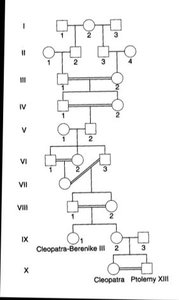
Genetics is the study of heredity and variation. Pedigree charts are used to track inheritance patterns in families, and Punnett squares help predict offspring genotypes.
Allele: A variant form of a gene.
Genotype: The genetic makeup of an organism.
Dominant: An allele that masks the effect of another.
Recessive: An allele whose effect is masked by a dominant allele.
Punnett Square
Punnett squares are used to predict the probability of offspring genotypes from parental crosses.
A | a | |
|---|---|---|
A | AA | Aa |
a | Aa | aa |
DNA: The Molecule of Life
Structure of DNA
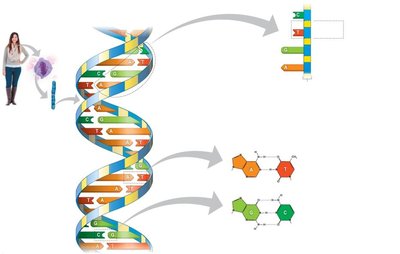
DNA is a double helix composed of nucleotides, each containing a phosphate group, a sugar, and a nitrogenous base. Base pairs (A-T and G-C) are held together by hydrogen bonds.
PCR and DNA Amplification
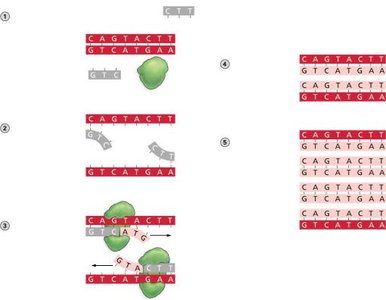
The polymerase chain reaction (PCR) is a technique used to amplify DNA sequences. Taq polymerase is the key enzyme used in PCR, and each cycle doubles the amount of DNA.
Steps: Denaturation, primer binding, DNA synthesis.
Key enzyme: Taq polymerase.
Gel Electrophoresis
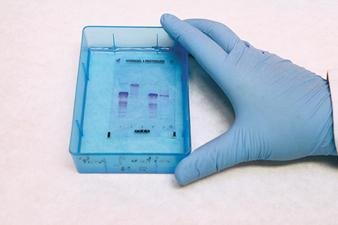
Gel electrophoresis separates DNA fragments by size using an electric current. Smaller fragments move faster through the gel.
Darwinian Evolution and Biodiversity
Microscopic Organisms, Fungi, Plants, and Animals
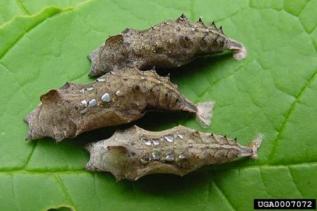
Biodiversity encompasses the variety of life forms, including microscopic organisms, fungi, plants, and animals. Each group has unique cellular structures and functions.
Microscopic organisms: Include bacteria and protists.
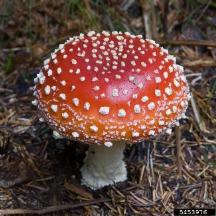
Fungi: Eukaryotic organisms with cell walls, such as mushrooms.
Plants: Eukaryotic, photosynthetic organisms with cell walls and chloroplasts.
Animals: Multicellular, eukaryotic organisms without cell walls.

Human Body Systems
Organ Systems and Functions
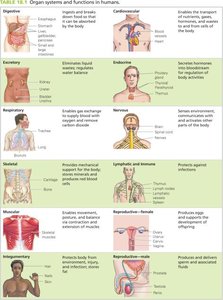
The human body is composed of multiple organ systems, each with specialized functions. Covid-19 can affect several organ systems, most notably the respiratory system.
System | Main Function |
|---|---|
Excretory | Eliminates liquid waste |
Respiratory | Enables gas exchange |
Cardiovascular | Transports nutrients and oxygen |
Endocrine | Secretes hormones |
Nervous | Coordinates body activities |
Skeletal | Provides mechanical support |
Lymphatic/Immune | Protects against infection |
Muscular | Produces movement |
Reproductive | Produces offspring |
Integumentary | Protects and covers the body |
Chromosomes and Inheritance: Mitosis vs. Meiosis
Comparison of Mitosis and Meiosis
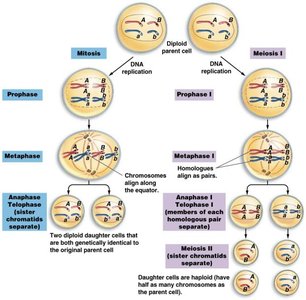
Mitosis and meiosis are processes of cell division. Mitosis produces two genetically identical diploid cells, while meiosis produces four genetically unique haploid cells.
Mitosis: Used for growth and repair; daughter cells are identical to parent.
Meiosis: Used for sexual reproduction; daughter cells have half the chromosome number of the parent.
Additional info:
Some content was inferred from context and standard biology curriculum to ensure completeness.
Tables and images were recreated and included only when directly relevant to the explanation.
