Indietro

General Biology Study Guide: Ecology, Chemistry of Life, and Cell Membranes

Guida di studio - Impara con i video

Lezioni curate abbinate al materiale che hai caricato – impara ogni argomento passo dopo passo.

Animal Behavior

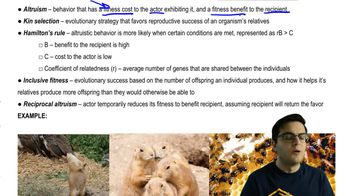
  • Migration and Altruism
    07:15
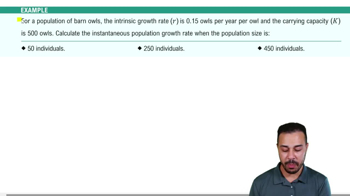
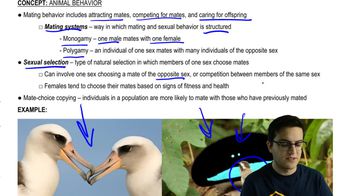
  • Mating and Parental Care
    03:59
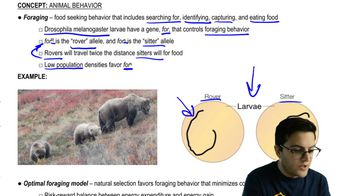
  • Foraging
    04:50

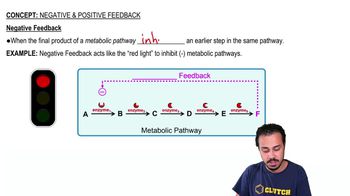
Negative & Positive Feedback

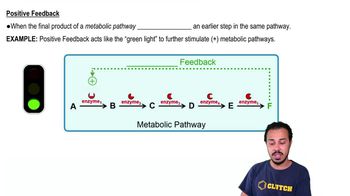
  • Positive Feedback
    02:19
  • Negative Feedback
    02:41

Introduction to Ecology

  • Levels of Ecological Study
    05:01
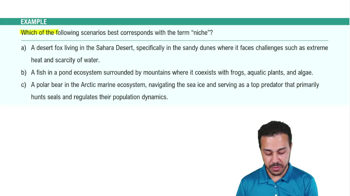
  • Introduction to Ecology Example 1
    02:31
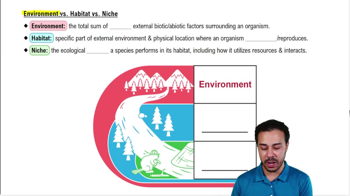
  • Environment vs. Habitat vs. Niche
    01:57

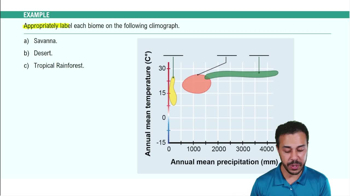
Terrestrial Biomes: Near Equator

  • Terrestrial Biomes: Near Equator Example 1
    03:03
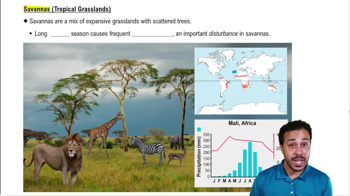
  • Savannas (Tropical Grasslands)
    01:02
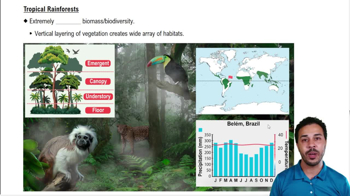
  • Tropical Rainforests
    01:22

Terrestrial Biomes: Temperate Regions

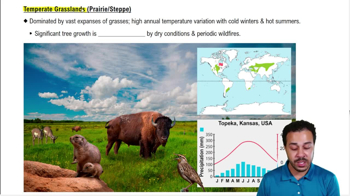
  • Temperate Grasslands (Prairie/Steppe)
    00:51
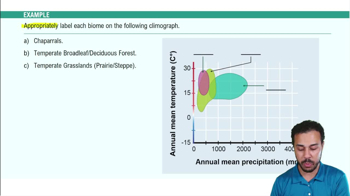
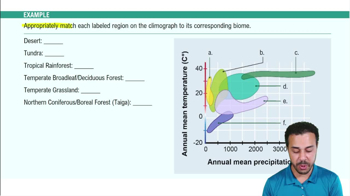
  • Terrestrial Biomes: Temperate Regions Example 1
    01:59
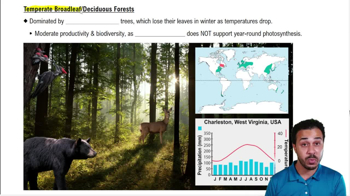
  • Temperate Broadleaf/Deciduous Forests
    01:00

Terrestrial Biomes: Northern Regions

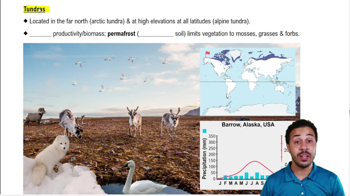
  • Tundras
    00:58
  • Terrestrial Biomes: Northern Regions Example 1
    05:07
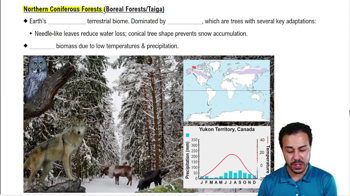
  • Northern Coniferous Forests (Boreal Forests/Taiga)
    01:03

Freshwater Aquatic Biomes

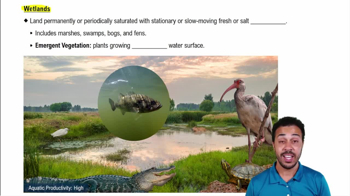
  • Wetlands
    01:29
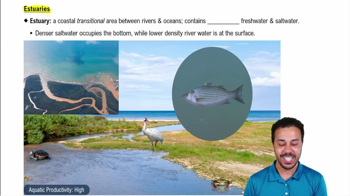
  • Estuaries
    01:51
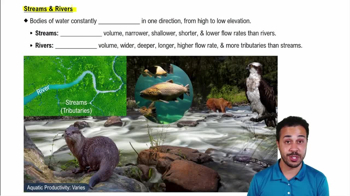
  • Streams & Rivers
    01:41

Marine Aquatic Biomes

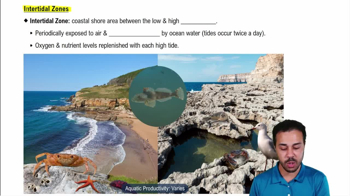
  • Intertidal Zones
    01:43
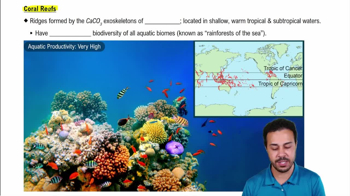
  • Coral Reefs
    01:30
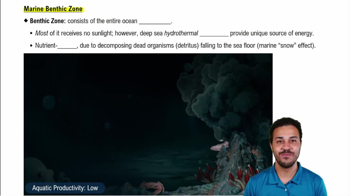
  • Marine Benthic Zone
    01:47

Introduction to Population Ecology

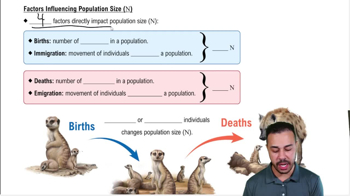
  • Factors Affecting Population Size (N)
    01:48
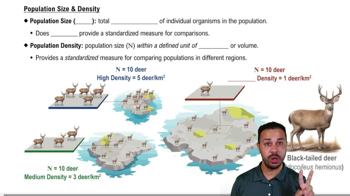
  • Population Size & Density
    01:52
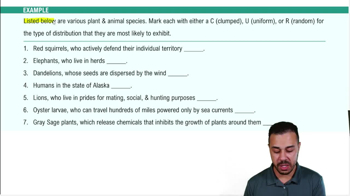
  • Introduction to Population Ecology Example 3
    01:51

Exponential Population Growth

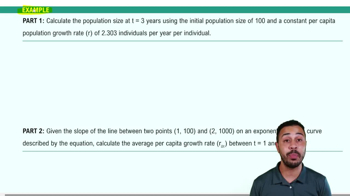
  • Exponential Population Growth Example 2
    07:34
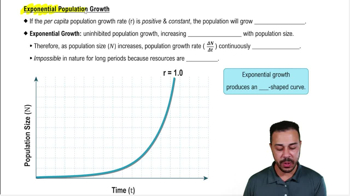
  • Exponential Population Growth
    03:05
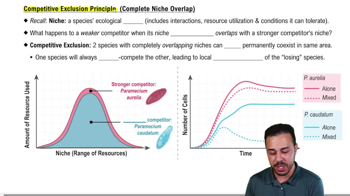
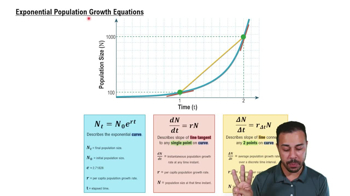
  • Exponential Population Growth Equations
    06:35
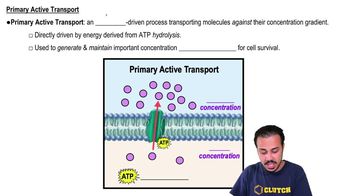
Logistic Population Growth

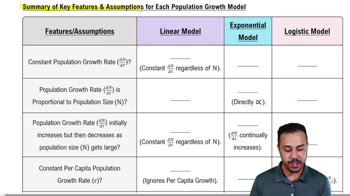
  • Summary of Key Features & Assumptions for Each Population Growth Model
    07:28
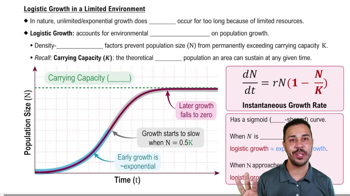
  • Logistic Growth in a Limited Environment
    05:00
  • Logistic Population Growth Example 1
    04:28

Introduction to Community Ecology

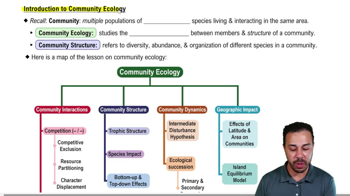
  • Introduction to Community Ecology
    02:03

Introduction to Community Interactions

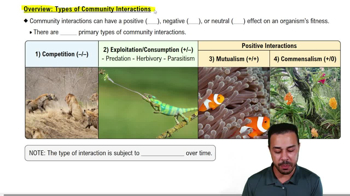
  • Overview: Types of Community Interactions
    02:55
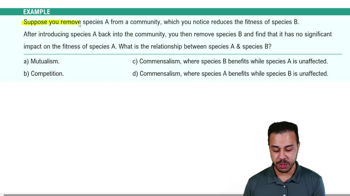
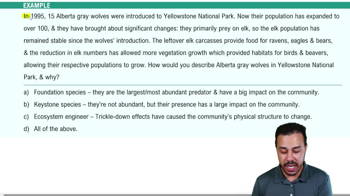
  • Introduction to Community Interactions Example 1
    02:23
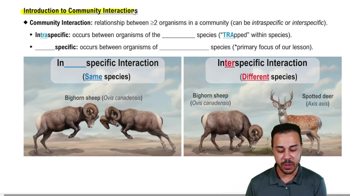
  • Introduction to Community Interactions
    01:57

Community Interactions: Competition (-/-)

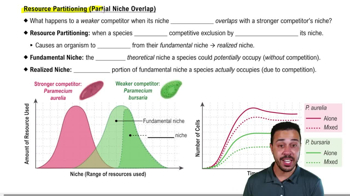
  • Resource Partitioning (Partial Niche Overlap)
    03:57
  • Competitive Exclusion Principle (Complete Niche Overlap)
    04:23
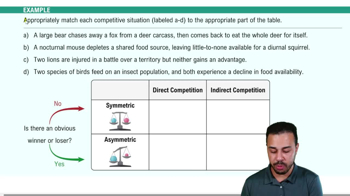
  • Community Interactions: Competition (-/-) Example 1
    04:23

Community Interactions: Exploitation (+/-)

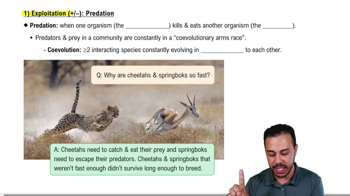
  • 1) Exploitation (+/-): Predation
    01:42
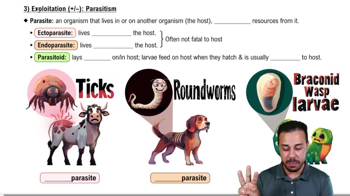
  • 3) Exploitation (+/-): Parasitism
    02:37
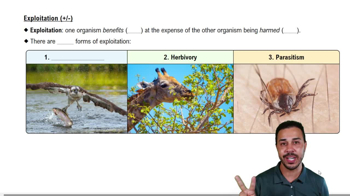
  • Community Interactions: Exploitation (+/–)
    00:49

Community Interactions: Mutualism (+/+) & Commensalism (+/0)

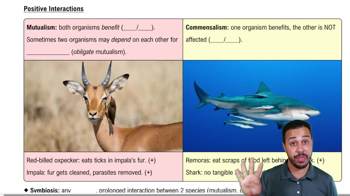
  • Positive Interactions
    02:56
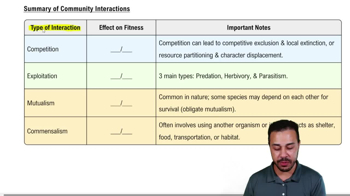
  • Summary of Community Interactions
    01:52

Community Structure

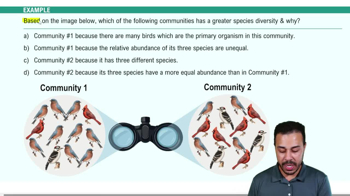
  • Community Structure Example 3
    02:22
  • Community Structure Example 1
    03:37
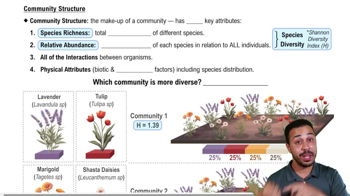
  • Community Structure
    04:25

Community Dynamics

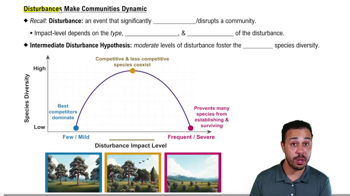
  • Disturbances Make Communities Dynamic
    03:37
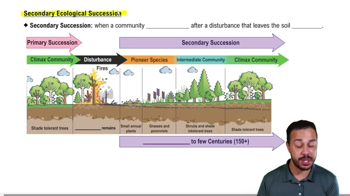
  • Secondary Ecological Succession
    02:31
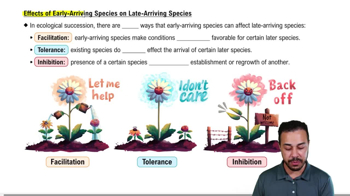
  • Effects of Early-Arriving Species on Late-Arriving Species
    01:34

Introduction to Ecosystems

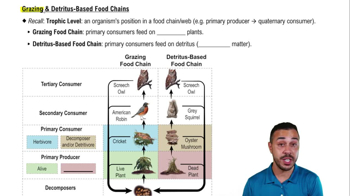
  • Grazing & Detritus-Based Food Chains
    03:29
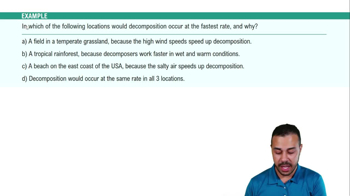
  • Introduction to Ecosystems Example 2
    01:57
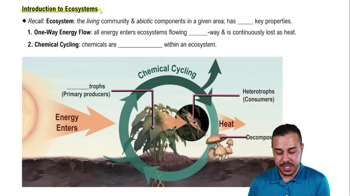
  • Introduction to Ecosystems
    04:07

Energy Flow Through Ecosystems

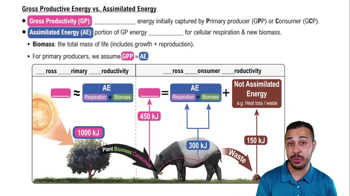
  • Gross Productive Energy vs. Assimilated Energy
    05:28
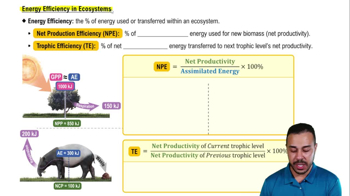
  • Energy Efficiency in Ecosystems
    06:28
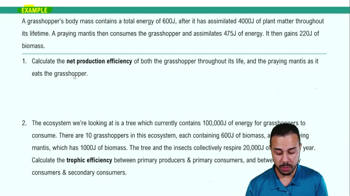
  • Energy Flow Through Ecosystems Example 2
    07:07

Biogeochemical Cycles

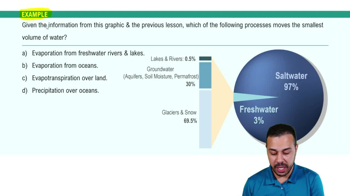
  • Biogeochemical Cycles Example 2
    02:40
  • Carbon Cycle
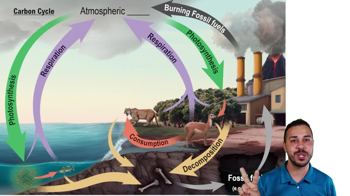
    04:20
  • Nitrogen Cycle
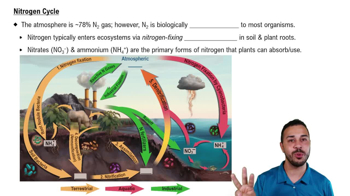
    08:32

Monomers & Polymers

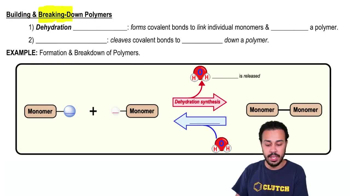
  • Building & Breaking-Down Polymers
    04:19
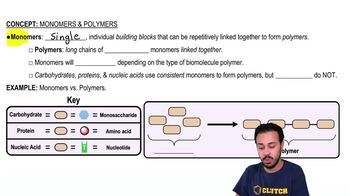
  • Monomers & Polymers
    03:42

Carbohydrates

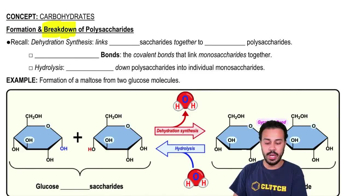
  • Formation & Breakdown of Polysaccharides
    03:08
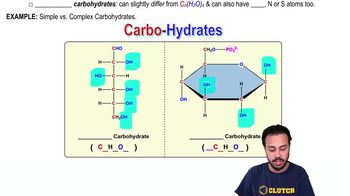
  • Carbohydrates
    04:53
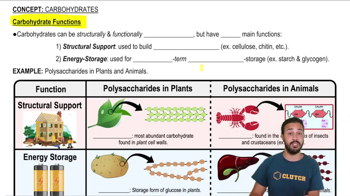
  • Carbohydrate Functions
    05:08

Lipids

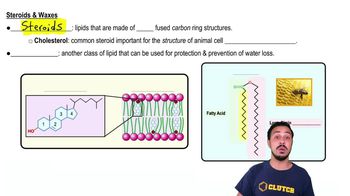
  • Steroids & Waxes
    03:30
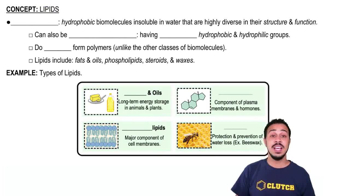
  • Lipids
    04:19
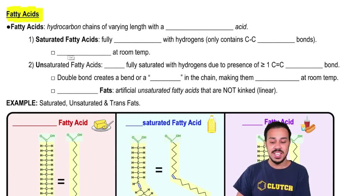
  • Fatty Acids
    06:59

Proteins

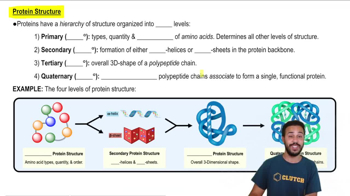
  • Protein Structure
    08:02
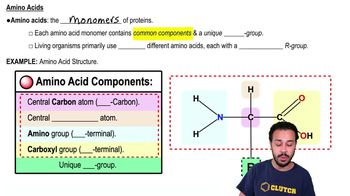
  • Amino Acids
    04:37
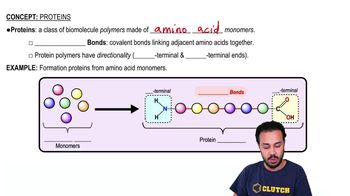
  • Proteins
    02:50

Nucleic Acids

  • Nucleic Acids Example 2
    01:05
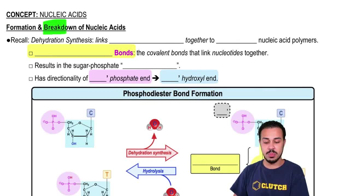
  • Formation & Breakdown of Nucleic Acids
    04:07
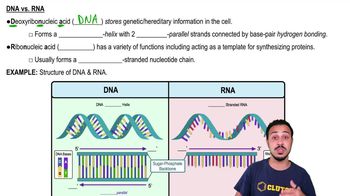
  • DNA vs. RNA
    05:57

Functional Groups

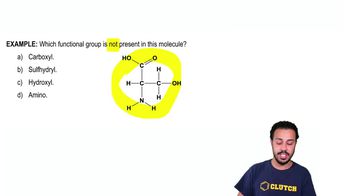
  • Functional Groups Example 1
    02:00
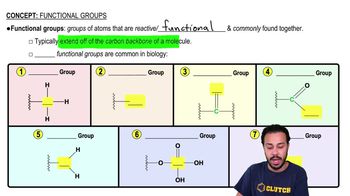
  • Functional Groups
    06:04

Properties of Water- Cohesion and Adhesion

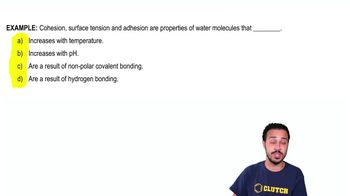
  • Properties of Water- Cohesion and Adhesion Example 1
    01:46
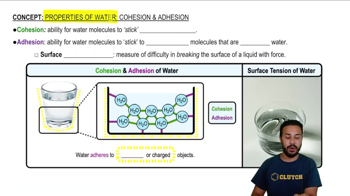
  • Properties of Water- Cohesion and Adhesion
    04:16

Properties of Water- Density

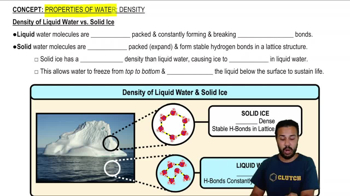
  • Density of Liquid Water vs. Solid Ice
    05:43
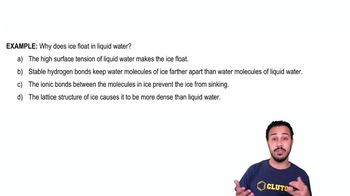
  • Properties of Water- Density Example 1
    02:13

Properties of Water- Thermal

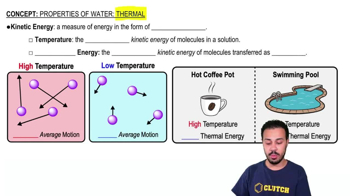
  • Properties of Water- Thermal
    04:07
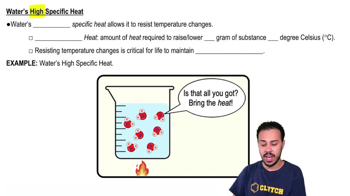
  • Water’s High Specific Heat
    03:25
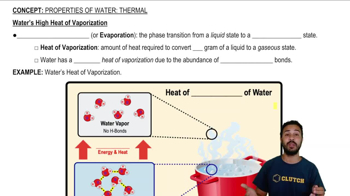
  • Water’s High Heat of Vaporization
    03:31

Properties of Water- The Universal Solvent

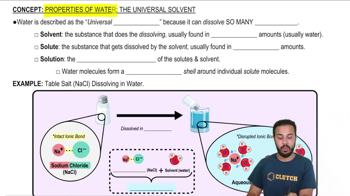
  • Properties of Water- The Universal Solvent
    06:20
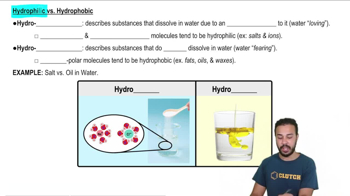
  • Hydrophilic vs. Hydrophobic
    03:43
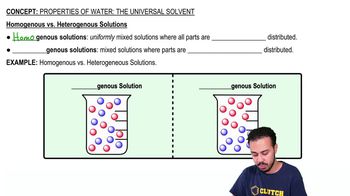
  • Homogenous vs. Heterogenous Solutions
    02:19

Introduction to Membrane Transport

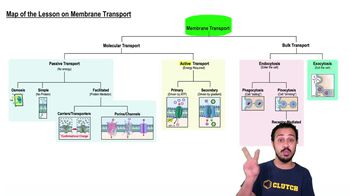
  • Map of the Lesson on Membrane Transport
    02:33
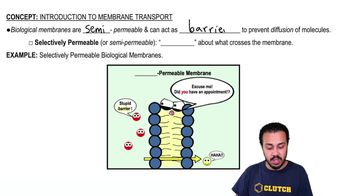
  • Introduction to Membrane Transport
    02:47
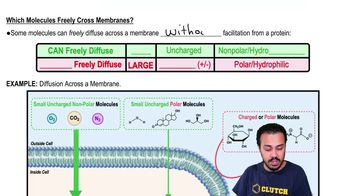
  • Which Molecules Freely Cross Membranes?
    07:10

Passive vs. Active Transport

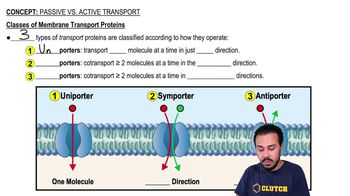
  • Classes of Membrane Transport Proteins
    03:28
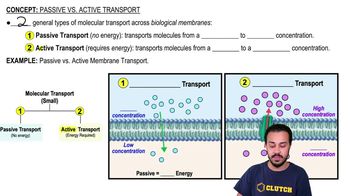
  • Passive vs. Active Transport
    04:18

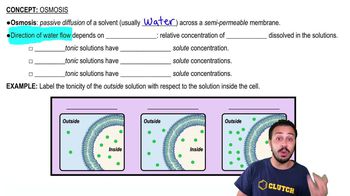
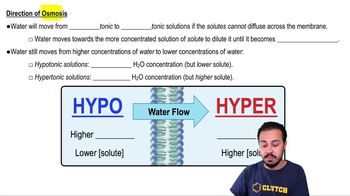
Osmosis

  • Osmosis Example 1
    02:18
  • Osmosis
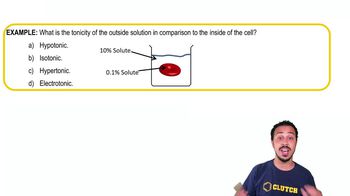
    05:59
  • Direction of Osmosis
    06:48

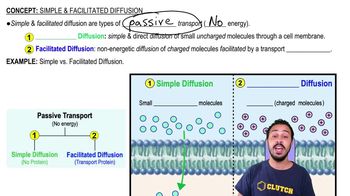
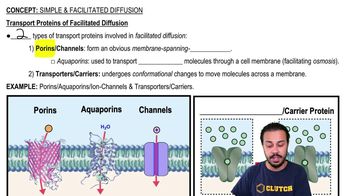
Simple and Facilitated Diffusion

  • Simple and Facilitated Diffusion
    05:10
  • Transport Proteins of Facilitated Diffusion
    04:49

Active Transport

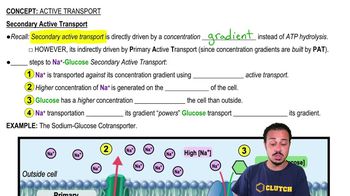
  • Secondary Active Transport
    07:06
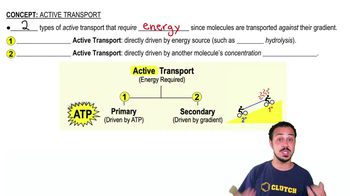
  • Active Transport
    02:37
  • Primary Active Transport
    02:53

Endocytosis and Exocytosis

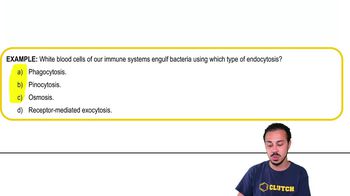
  • Endocytosis and Exocytosis Example 1
    01:52
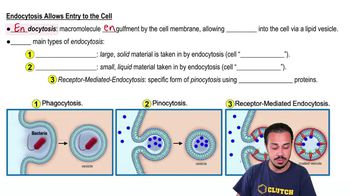
  • Endocytosis Allows Entry to the Cell
    04:18
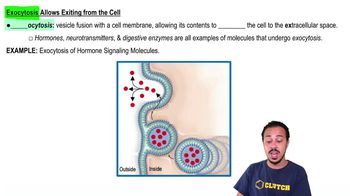
  • Exocytosis Allows Exiting from the Cell
    02:28

Water Potential

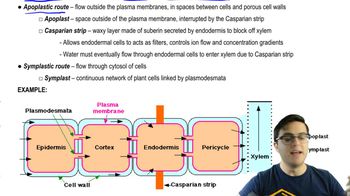
  • How Water Enters Xylem
    07:59
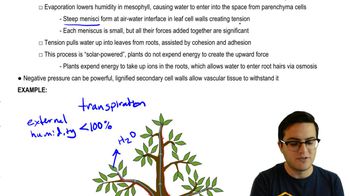
  • Cohesion-Tension Theory
    05:59
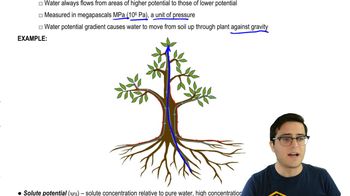
  • Water Potential
    11:32

Biological Membranes

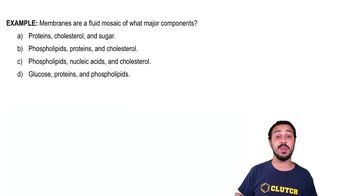
  • Biological Membranes Example 1
    02:21
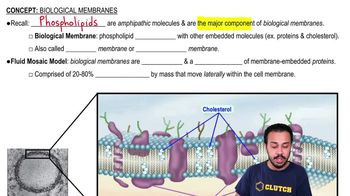
  • Biological Membranes
    06:04

Types of Membrane Proteins

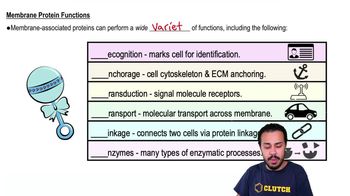
  • Membrane Protein Functions
    03:54
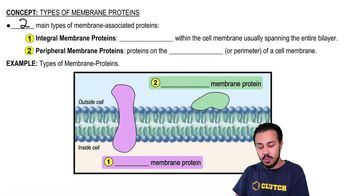
  • Types of Membrane Proteins
    02:35