Indietro

General Biology Study Guide: Evolution, Diversity, Plants, and Ecology

Guida di studio - Impara con i video

Lezioni curate abbinate al materiale che hai caricato – impara ogni argomento passo dopo passo.

Scientific Method

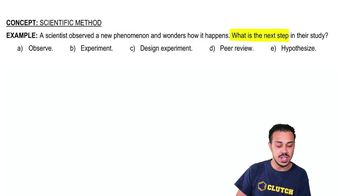
  • Scientific Method Example 1
    01:35
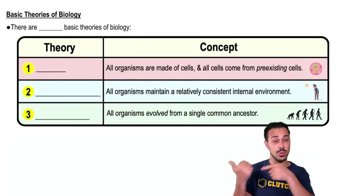
  • Basic Theories of Biology
    03:03
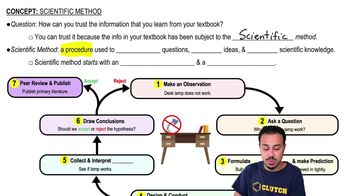
  • Scientific Method
    06:29

Natural Selection and Evolution

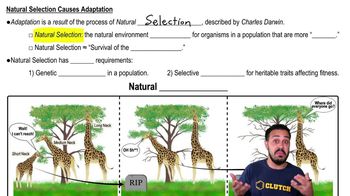
  • Natural Selection Causes Adaptation
    07:48
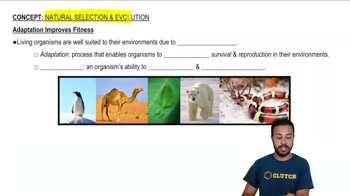
  • Adaptation Improves Fitness
    02:57
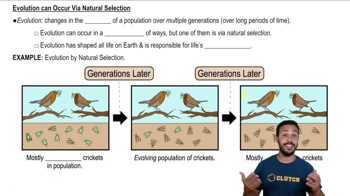
  • Evolution can Occur Via Natural Selection
    04:32

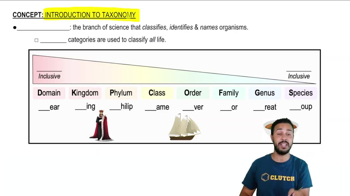
Introduction to Taxonomy

  • Introduction to Taxonomy Example 2
    01:37
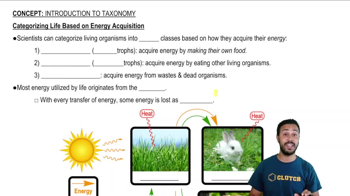
  • Categorizing Life Based on Energy Acquisition
    05:48
  • Introduction to Taxonomy
    02:23

Introduction to Prokaryotes

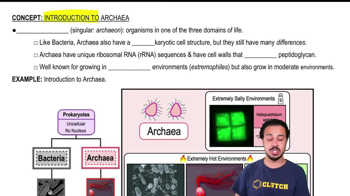
  • Introduction to Archaea
    04:39
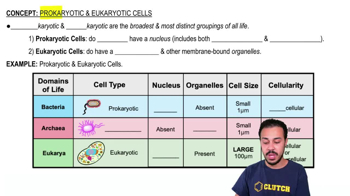
  • Prokaryotic & Eukaryotic Cells
    05:54
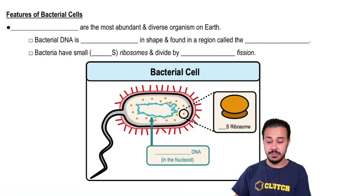
  • Features of Bacterial Cells
    03:54

Prokaryotic Cell Structure

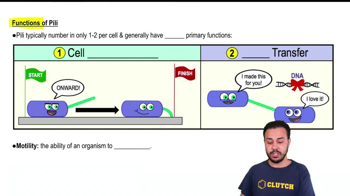
  • Functions of Pili
    01:46
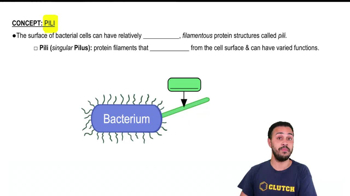
  • Pili
    01:02
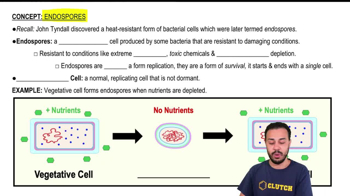
  • Endospores
    05:35
Prokaryotic Diversity

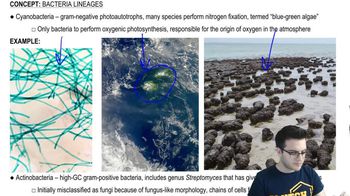
  • Prokaryote Lineages 1
    03:51
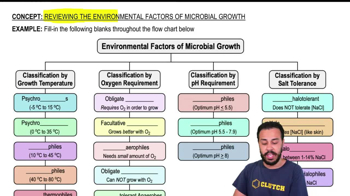
  • Reviewing the Environmental Factors of Microbial Growth
    07:21
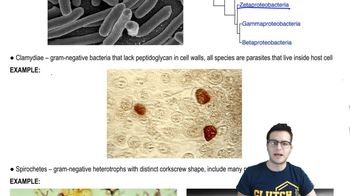
  • Prokaryote Lineages 2
    05:13

Introduction to Eukaryotic Organelles

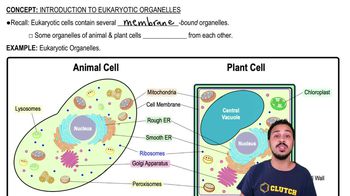
  • Introduction to Eukaryotic Organelles
    03:45
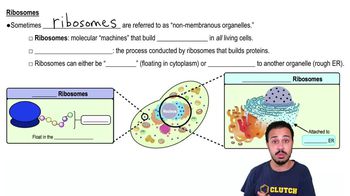
  • Ribosomes
    06:51
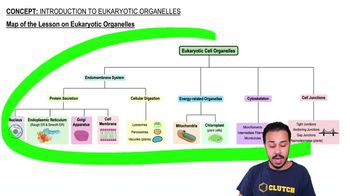
  • Map of the Lesson on Eukaryotic Organelles
    02:43

Endosymbiotic Theory

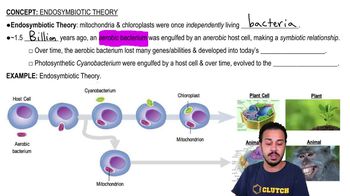
  • Endosymbiotic Theory
    06:58

Fungi

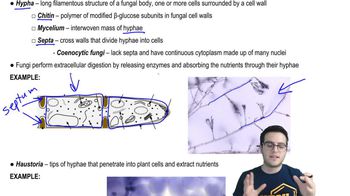
  • Fungi - 1
    08:59
  • Fungi - 2
    09:57

Land Plants

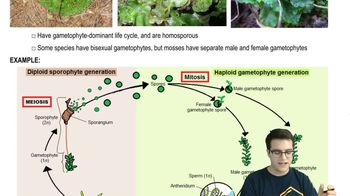
  • Land Plants - 4
    06:17
  • Land Plants - 2
    12:57
  • Land Plants - 3
    03:36

Nonvascular Plants

  • Nonvascular Plants - 2
    07:32
  • Nonvascular Plants - 1
    06:16

Seedless Vascular Plants

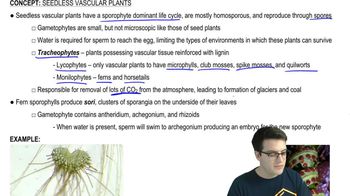
  • Seedless Vascular Plants
    06:08

Seed Plants

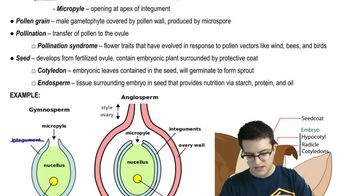
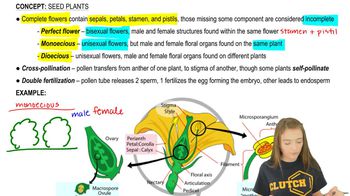
  • Seed Plants - 1
    06:26
  • Seed Plants - 3
    05:26
  • Seed Plants - 4
    10:21

Plant Development

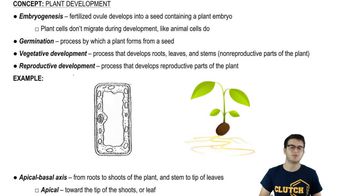
  • Embryogenesis and Body Axes
    03:15
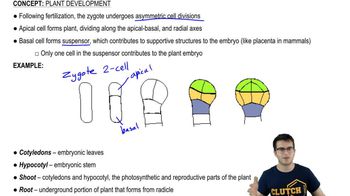
  • Embryonic Plant Development
    06:02
  • Embryonic Tissues and Pattern Formation
    04:31

Tropisms and Hormones

  • Thigmotropism and Cytokinins
    05:19
  • Plant Hormones and Senescence
    08:18
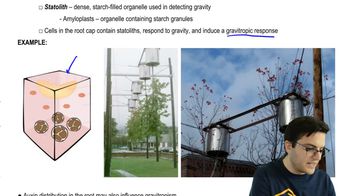
  • Gravitropism
    05:39

Introduction to Ecology

  • Levels of Ecological Study
    05:01
  • Introduction to Ecology Example 1
    02:31
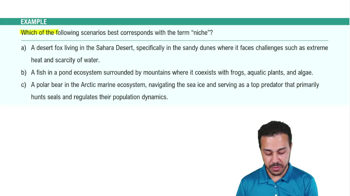
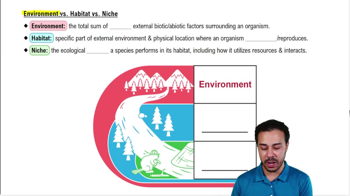
  • Environment vs. Habitat vs. Niche
    01:57

Introduction to Terrestrial Biomes

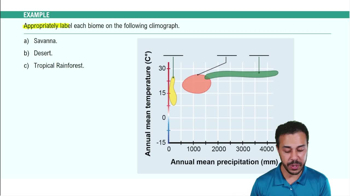
  • Introduction to Terrestrial Biomes Example 2
    01:29
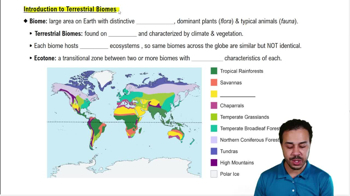
  • Introduction to Terrestrial Biomes
    01:55
  • Introduction to Terrestrial Biomes Example 1
    00:49

Terrestrial Biomes: Near Equator

  • Terrestrial Biomes: Near Equator Example 1
    03:03
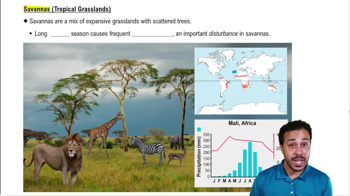
  • Savannas (Tropical Grasslands)
    01:02
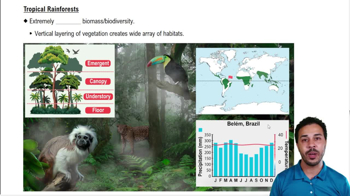
  • Tropical Rainforests
    01:22

Terrestrial Biomes: Temperate Regions

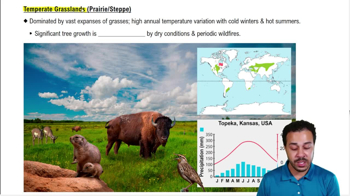
  • Temperate Grasslands (Prairie/Steppe)
    00:51
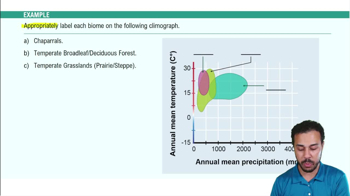
  • Terrestrial Biomes: Temperate Regions Example 1
    01:59
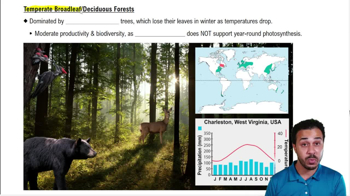
  • Temperate Broadleaf/Deciduous Forests
    01:00

Terrestrial Biomes: Northern Regions

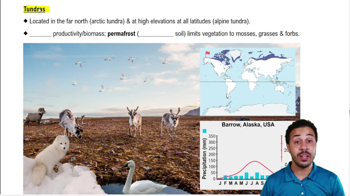
  • Tundras
    00:58
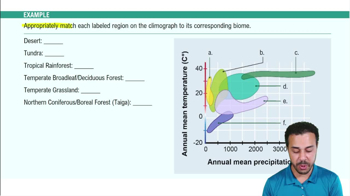
  • Terrestrial Biomes: Northern Regions Example 1
    05:07
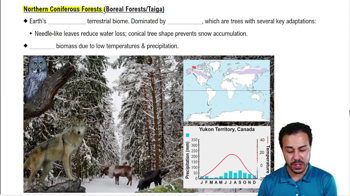
  • Northern Coniferous Forests (Boreal Forests/Taiga)
    01:03

Introduction to Population Ecology

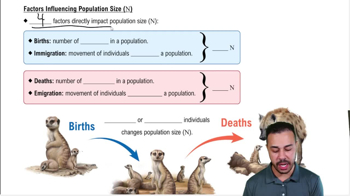
  • Factors Affecting Population Size (N)
    01:48
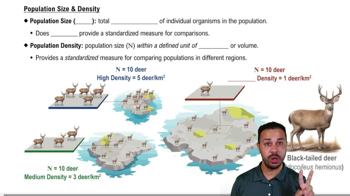
  • Population Size & Density
    01:52
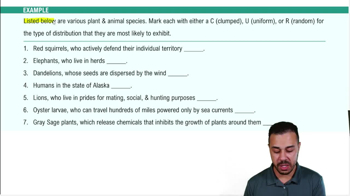
  • Introduction to Population Ecology Example 3
    01:51

Population Demography

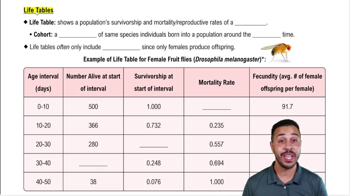
  • Life Tables
    03:49
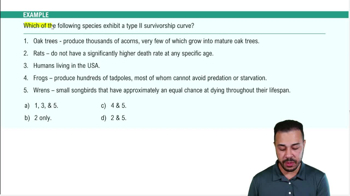
  • Population Demography Example 1
    02:18
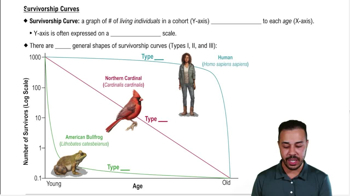
  • Survivorship Curves
    02:54

Factors Limiting Population Growth

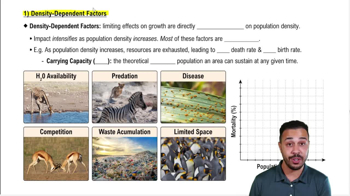
  • Density-Dependent Factors
    02:37
  • Factors Limiting Population Growth
    00:51
  • Density-Dependent vs. Density-Independent Factors
    03:14

Introduction to Population Growth Models

  • Introduction to Population Growth Models Example 3
    02:52
  • Introduction to Population Growth Models
    01:09
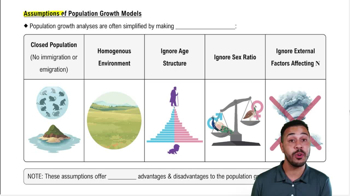
  • Assumptions of Population Growth Models
    03:29

Exponential Population Growth

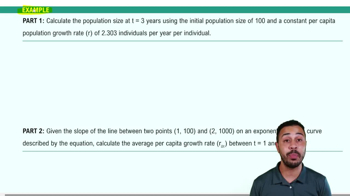
  • Exponential Population Growth Example 2
    07:34
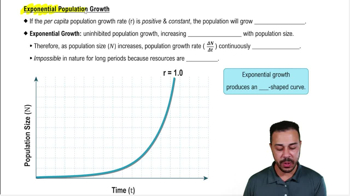
  • Exponential Population Growth
    03:05
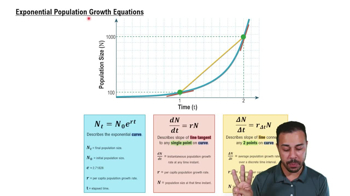
  • Exponential Population Growth Equations
    06:35
Logistic Population Growth

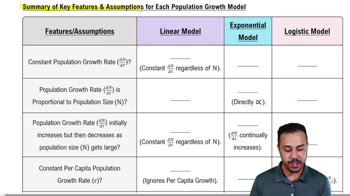
  • Summary of Key Features & Assumptions for Each Population Growth Model
    07:28
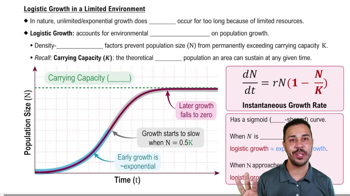
  • Logistic Growth in a Limited Environment
    05:00
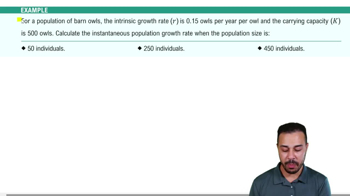
  • Logistic Population Growth Example 1
    04:28

Introduction to Community Ecology

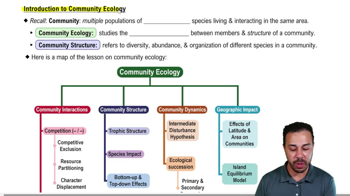
  • Introduction to Community Ecology
    02:03

Community Interactions: Competition (-/-)

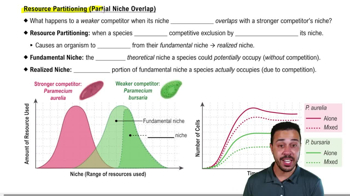
  • Resource Partitioning (Partial Niche Overlap)
    03:57
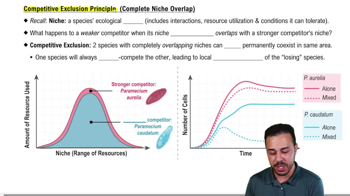
  • Competitive Exclusion Principle (Complete Niche Overlap)
    04:23
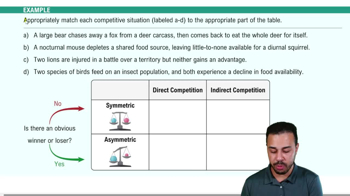
  • Community Interactions: Competition (-/-) Example 1
    04:23

Community Interactions: Exploitation (+/-)

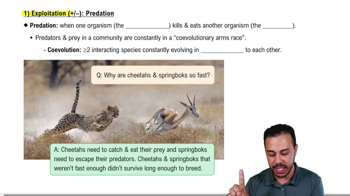
  • 1) Exploitation (+/-): Predation
    01:42
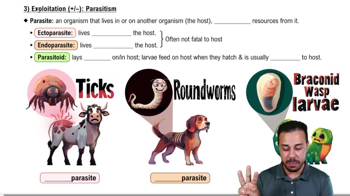
  • 3) Exploitation (+/-): Parasitism
    02:37
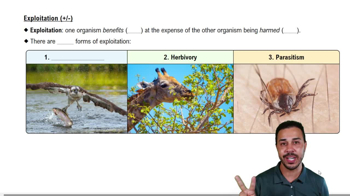
  • Community Interactions: Exploitation (+/–)
    00:49

Community Interactions: Mutualism (+/+) & Commensalism (+/0)

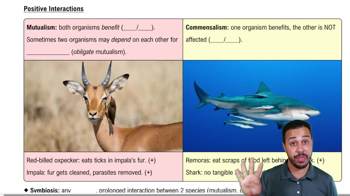
  • Positive Interactions
    02:56
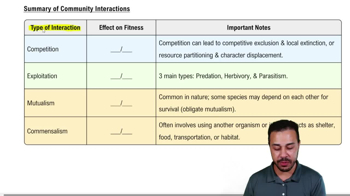
  • Summary of Community Interactions
    01:52

Community Structure

  • Community Structure Example 3
    02:22
  • Community Structure Example 1
    03:37
  • Community Structure
    04:25
Community Dynamics

  • Disturbances Make Communities Dynamic
    03:37
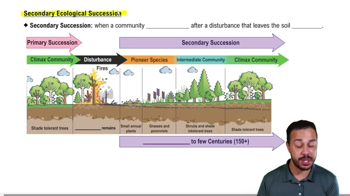
  • Secondary Ecological Succession
    02:31
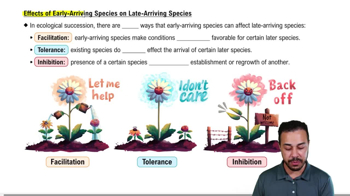
  • Effects of Early-Arriving Species on Late-Arriving Species
    01:34

Introduction to Ecosystems

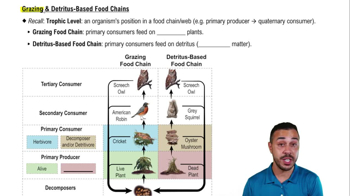
  • Grazing & Detritus-Based Food Chains
    03:29
  • Introduction to Ecosystems Example 2
    01:57
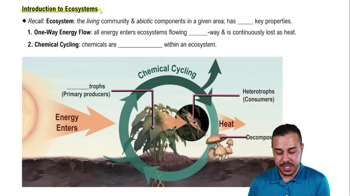
  • Introduction to Ecosystems
    04:07

Energy Flow Through Ecosystems

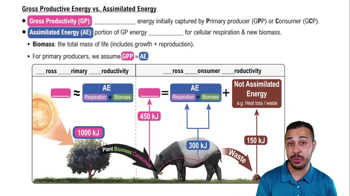
  • Gross Productive Energy vs. Assimilated Energy
    05:28
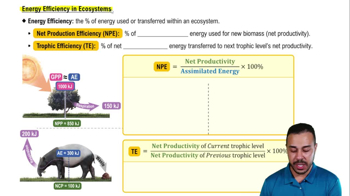
  • Energy Efficiency in Ecosystems
    06:28
  • Energy Flow Through Ecosystems Example 2
    07:07

Biogeochemical Cycles

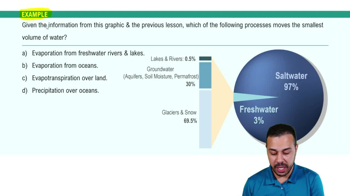
  • Biogeochemical Cycles Example 2
    02:40
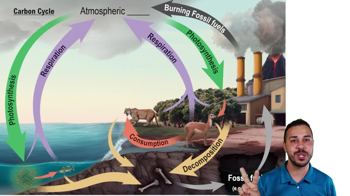
  • Carbon Cycle
    04:20
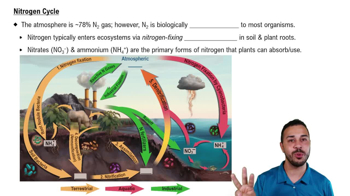
  • Nitrogen Cycle
    08:32

Conservation Biology

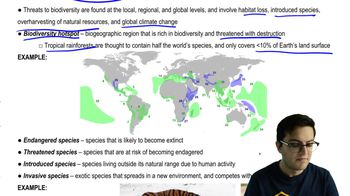
  • Biodiversity Hotspots and Endangered Species
    04:32
  • Biodiversity and Sustainability
    05:06
  • Pollution and Climate Change
    03:36