Indietro

General Biology Study Notes: Diversity of Life, Physiology, and Ecology

Guida di studio - Impara con i video

Lezioni curate abbinate al materiale che hai caricato – impara ogni argomento passo dopo passo.

Introduction to Prokaryotes

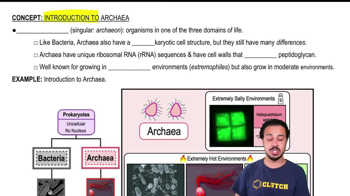
  • Introduction to Archaea
    04:39
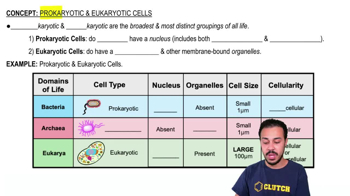
  • Prokaryotic & Eukaryotic Cells
    05:54
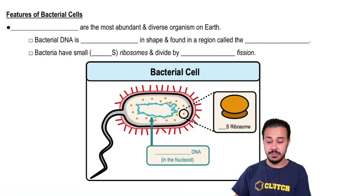
  • Features of Bacterial Cells
    03:54

Prokaryotic Cell Structure

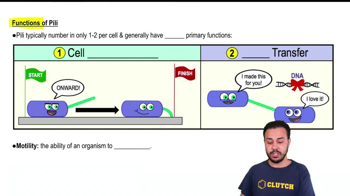
  • Functions of Pili
    01:46
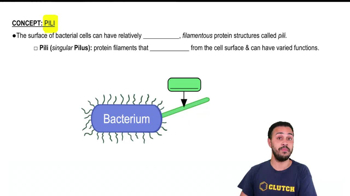
  • Pili
    01:02
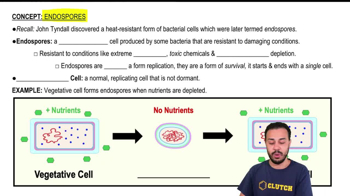
  • Endospores
    05:35

Prokaryotic Diversity

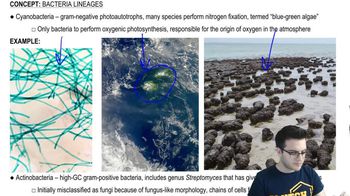
  • Prokaryote Lineages 1
    03:51
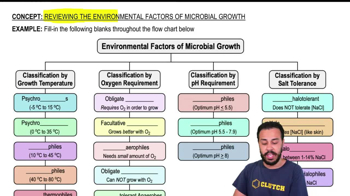
  • Reviewing the Environmental Factors of Microbial Growth
    07:21
  • Prokaryote Lineages 2
    05:13

Introduction to Protists

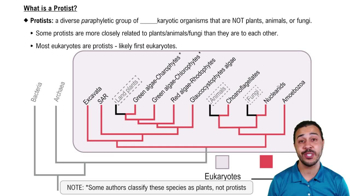
  • What is a Protist?
    03:23
  • Introduction to Protists Example 1
    02:30
  • Introduction to Protists Example 2
    01:39
Evolution of Protists

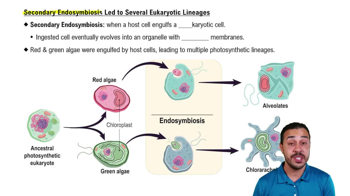
  • Secondary Endosymbiosis Led to Several Eukaryotic Lineages
    02:37
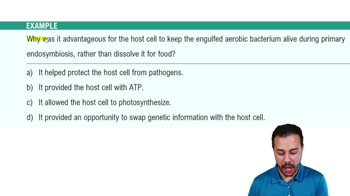
  • Evolution of Protists Example 1
    01:43
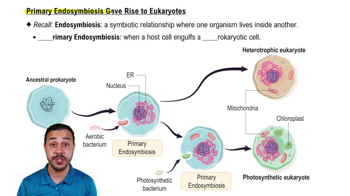
  • Primary Endosymbiosis Gave Rise to Eukaryotes
    01:37

Fungi

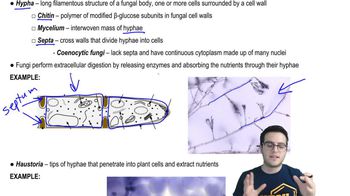
  • Fungi - 1
    08:59
  • Fungi - 2
    09:57

Overview of Animals

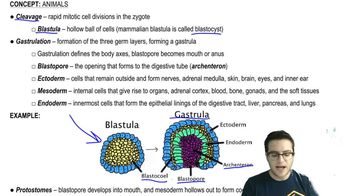
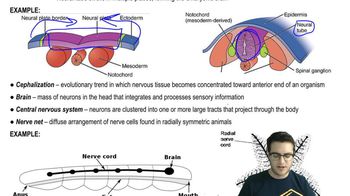
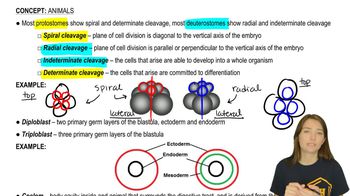
  • Overview of Animals - 2
    06:59
  • Overview of Animals - 5
    04:57
  • Overview of Animals - 3
    12:01

Porifera and Cnidaria

  • Porifera and Cnidaria
    10:20

Chordates

  • Chordates
    05:34
  • Bony Fish
    05:21
  • Tetrapods
    05:57

Roots and Shoots

  • Phenotypic Plasticity
    06:58
  • Plant Cells Review
    05:29
  • Shoots and Leaves
    05:46

Growth

  • Root Growth
    05:29
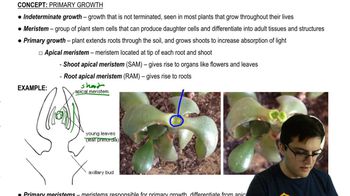
  • Primary Meristems
    07:52
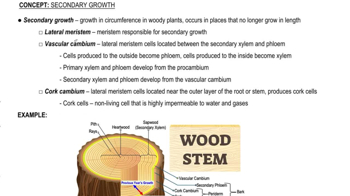
  • Secondary Growth
    06:52

Plant Development

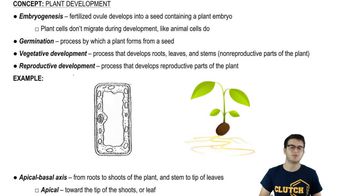
  • Embryogenesis and Body Axes
    03:15
  • Embryonic Plant Development
    06:02
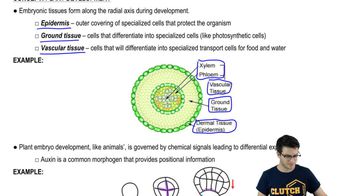
  • Embryonic Tissues and Pattern Formation
    04:31

Water Potential

  • How Water Enters Xylem
    07:59
  • Cohesion-Tension Theory
    05:59
  • Water Potential
    11:32

Soil and Nutrients

  • Ion Exclusion
    04:51
  • Soil Nutrients
    03:25
  • Cation Exchange
    06:26

Flowers

  • Flower Anatomy
    04:08
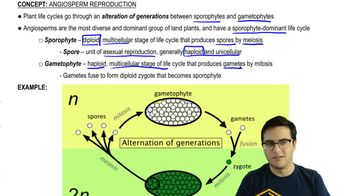
  • Alteration of Generations
    05:18
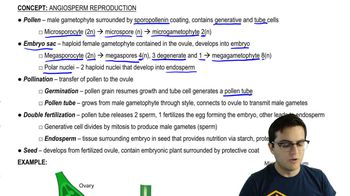
  • Double Fertilization
    07:44

Seeds

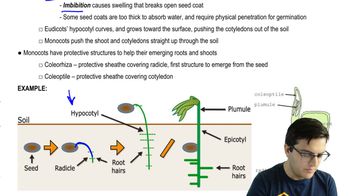
  • Germination
    05:30
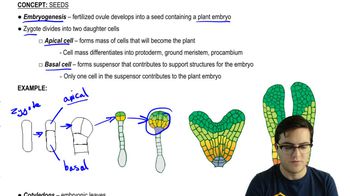
  • Embryogenesis
    04:58
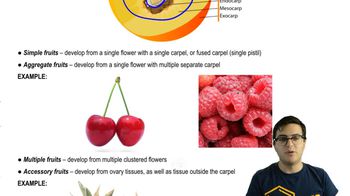
  • Fruit
    03:49

Tropisms and Hormones

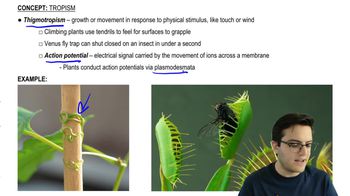
  • Thigmotropism and Cytokinins
    05:19
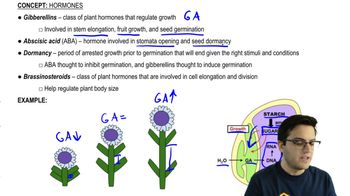
  • Plant Hormones and Senescence
    08:18
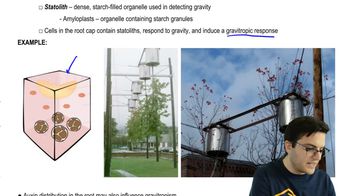
  • Gravitropism
    05:39
Introduction to Ecology

  • Levels of Ecological Study
    05:01
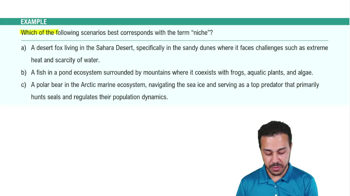
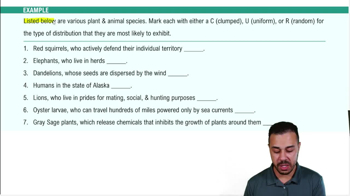
  • Introduction to Ecology Example 1
    02:31
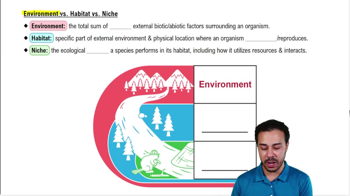
  • Environment vs. Habitat vs. Niche
    01:57

Introduction to Population Ecology

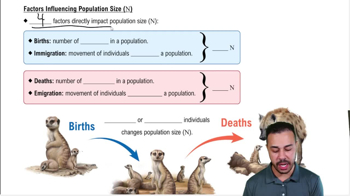
  • Factors Affecting Population Size (N)
    01:48
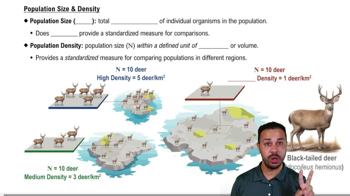
  • Population Size & Density
    01:52
  • Introduction to Population Ecology Example 3
    01:51

Population Demography

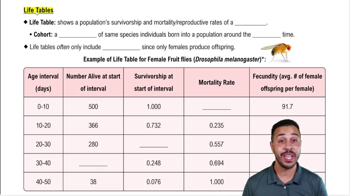
  • Life Tables
    03:49
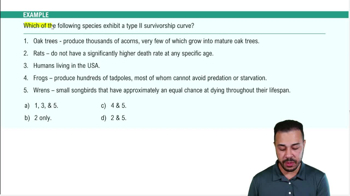
  • Population Demography Example 1
    02:18
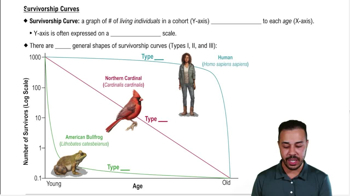
  • Survivorship Curves
    02:54

Factors Limiting Population Growth

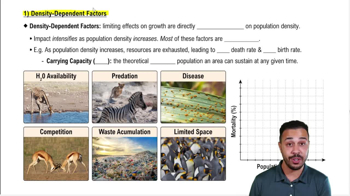
  • Density-Dependent Factors
    02:37
  • Factors Limiting Population Growth
    00:51
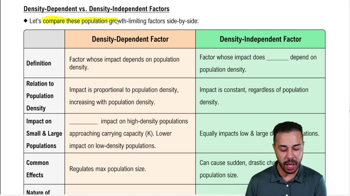
  • Density-Dependent vs. Density-Independent Factors
    03:14

Introduction to Population Growth Models

  • Introduction to Population Growth Models Example 3
    02:52
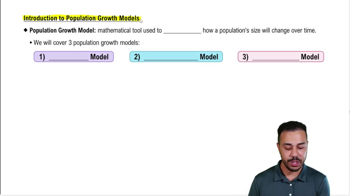
  • Introduction to Population Growth Models
    01:09
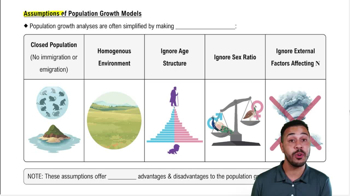
  • Assumptions of Population Growth Models
    03:29

Exponential Population Growth

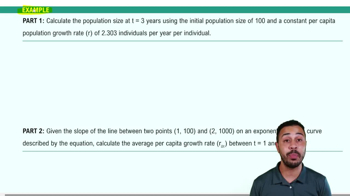
  • Exponential Population Growth Example 2
    07:34
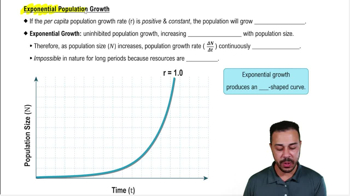
  • Exponential Population Growth
    03:05
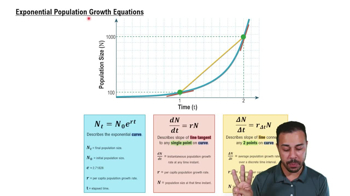
  • Exponential Population Growth Equations
    06:35

Logistic Population Growth

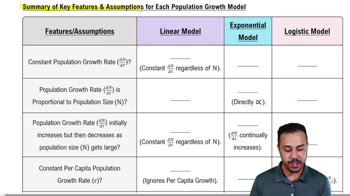
  • Summary of Key Features & Assumptions for Each Population Growth Model
    07:28
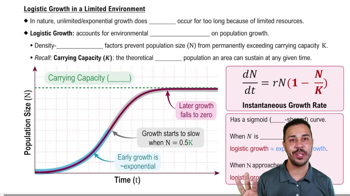
  • Logistic Growth in a Limited Environment
    05:00
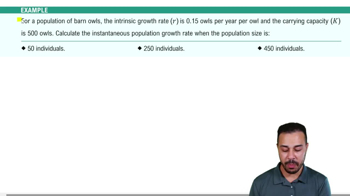
  • Logistic Population Growth Example 1
    04:28

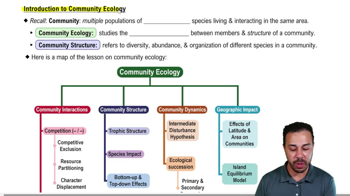
Introduction to Community Ecology

  • Introduction to Community Ecology
    02:03

Introduction to Ecosystems

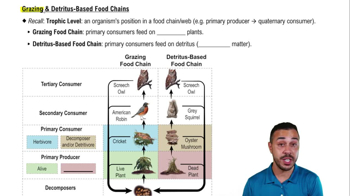
  • Grazing & Detritus-Based Food Chains
    03:29
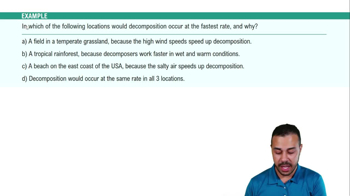
  • Introduction to Ecosystems Example 2
    01:57
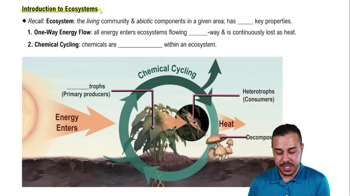
  • Introduction to Ecosystems
    04:07

Energy Flow Through Ecosystems

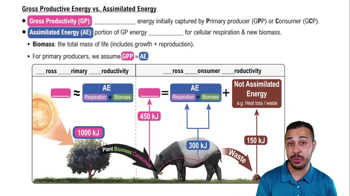
  • Gross Productive Energy vs. Assimilated Energy
    05:28
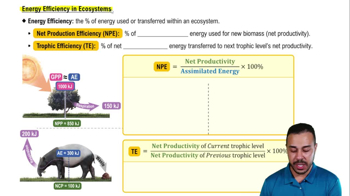
  • Energy Efficiency in Ecosystems
    06:28
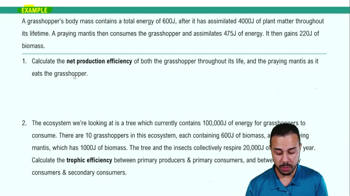
  • Energy Flow Through Ecosystems Example 2
    07:07

Biogeochemical Cycles

  • Biogeochemical Cycles Example 2
    02:40
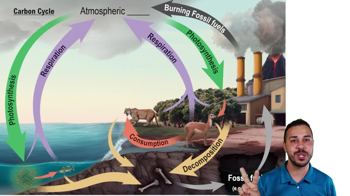
  • Carbon Cycle
    04:20
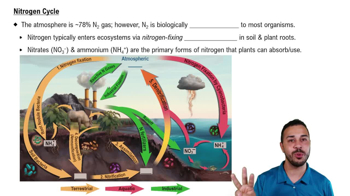
  • Nitrogen Cycle
    08:32

Population Sampling Methods

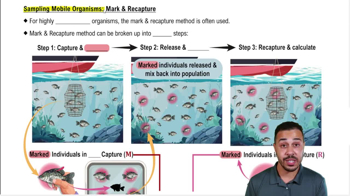
  • Sampling Mobile Organisms: Mark & Recapture
    03:12
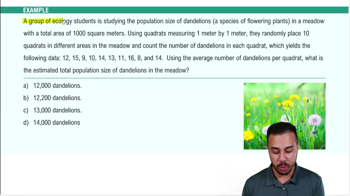
  • Population Sampling Methods Example 1
    01:54
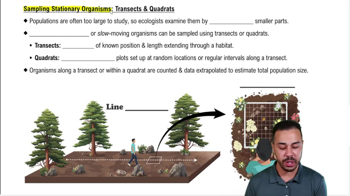
  • Sampling Stationary Organisms: Transects & Quadrats
    02:31

Animal Tissues

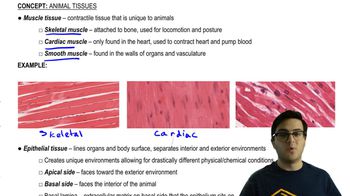
  • Muscle and Epithelial Tissues
    03:16
  • Tissues and Organs
    05:37
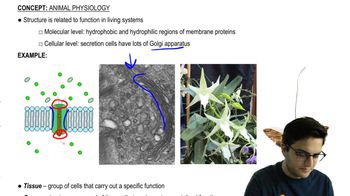
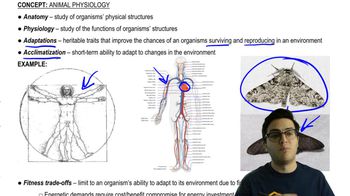
  • Animal Physiology and Fitness Trade-Offs
    10:26

Metabolism and Homeostasis

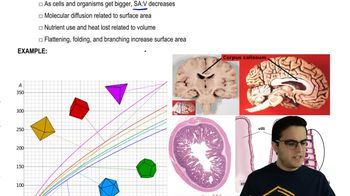
  • Surface Area to Volume Ratio
    07:47
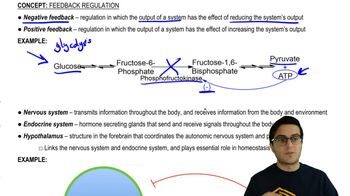
  • Feedback Regulation
    08:57
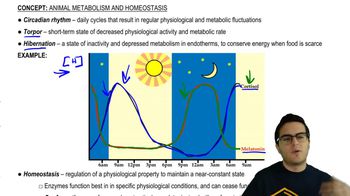
  • Homeostasis
    11:49

Thermoregulation

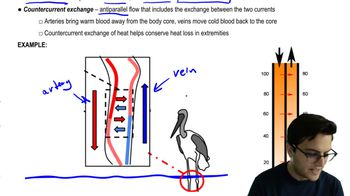
  • Countercurrent Exchange
    06:28
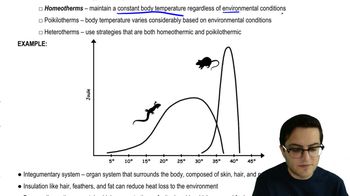
  • Thermoregulation
    09:51

Digestion

  • Digestion and Digestive Tracts
    05:11
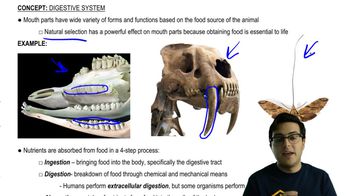
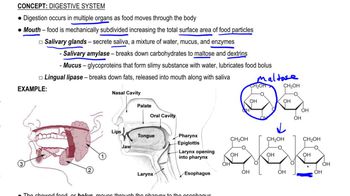
  • Mouth and Esophagus
    06:37
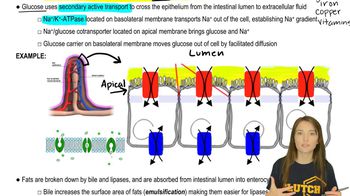
  • Nutrient Absorption
    19:59

Blood Sugar Homeostasis

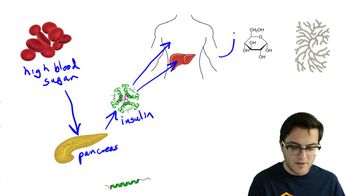
  • Blood Sugar Homeostasis
    07:01

Circulatory and Respiratory Anatomy

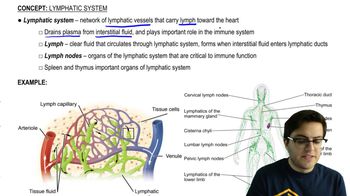
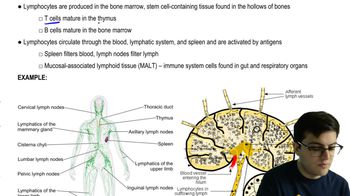
  • Lymphatic System
    02:15
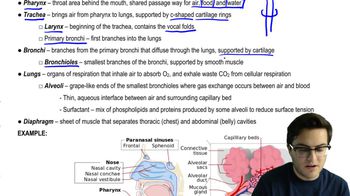
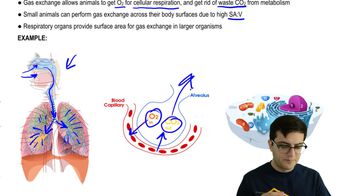
  • Lung Anatomy
    06:24
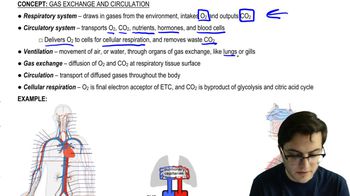
  • Gas Exchange and Circulation
    06:28

Heart Physiology

  • Cardiovascular Disease
    07:53
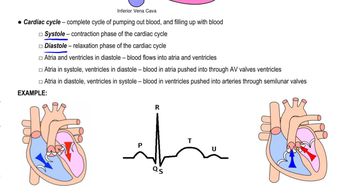
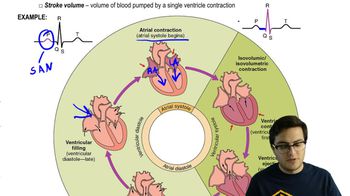
  • Heart Physiology
    05:13
  • Cardiac Cycle
    05:37

Gas Exchange

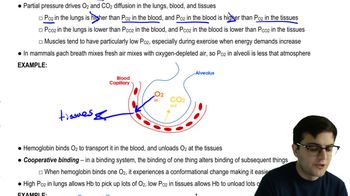
  • Diffusion of Gases
    07:48
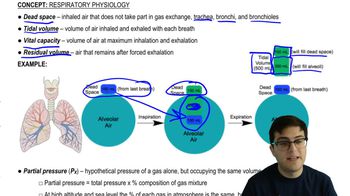
  • Gas Exchange and Breathing
    05:55
  • Air Movement and Partial Pressure
    08:52

Immune System

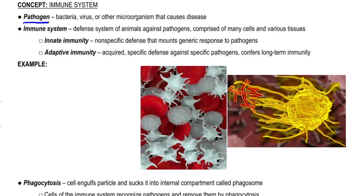
  • Immune System
    09:33

Innate Immunity

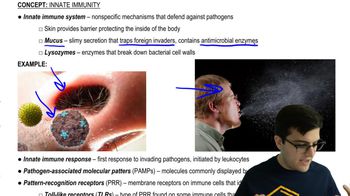
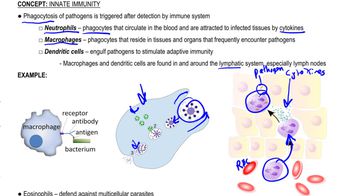
  • Innate Immune Response
    05:20
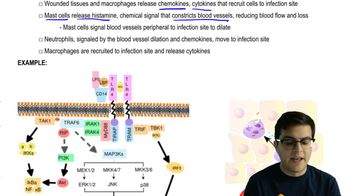
  • Inflammatory Response
    03:06
  • Innate Immune Cells
    06:47

Adaptive Immunity

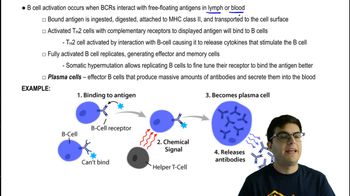
  • Helper T Cells and B Cells
    04:06
  • Lymphocytes
    04:23
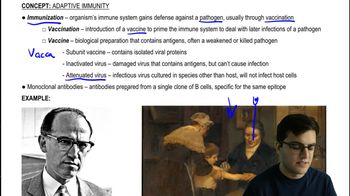
  • Immunization and Autoimmunity
    07:51

Osmoregulation and Excretion

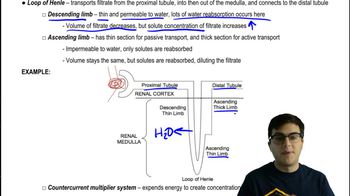
  • Loop of Henle
    06:25
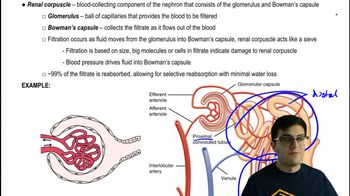
  • Glomerulus and Bowman's Capsule
    04:07
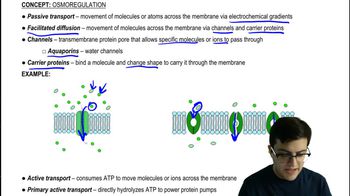
  • Active and Passive Transport
    06:32

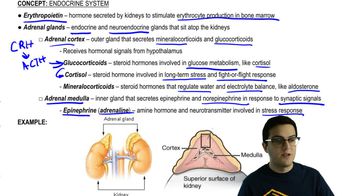
Endocrine System

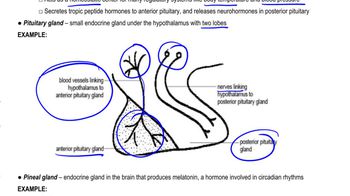
  • Hypothalamus and Pituitary
    03:34
  • Adrenal Glands
    06:17
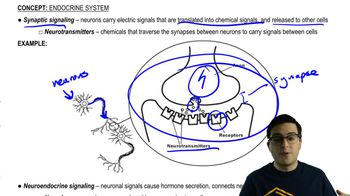
  • Neuroendocrine Signaling
    03:59

Animal Reproduction

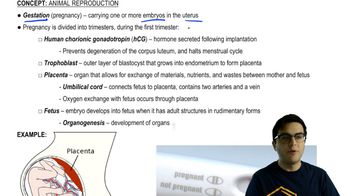
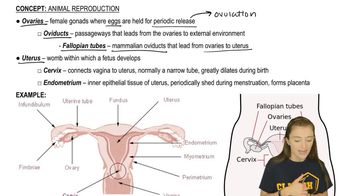
  • Pregnancy and Birth
    04:09
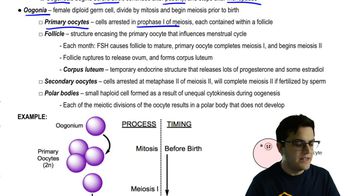
  • Oogenesis
    04:28
  • Female Reproductive Anatomy
    07:19

Neurons and Action Potentials

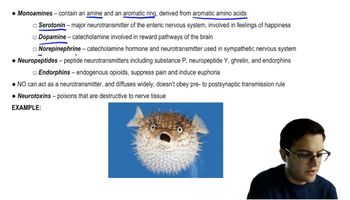
  • Neurotransmitters
    12:47
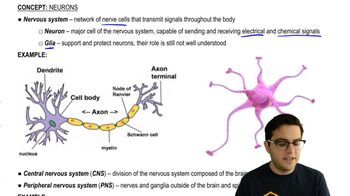
  • Nervous System
    02:14
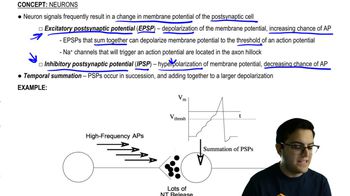
  • Postsynaptic Potentials and Summation
    05:33

Central and Peripheral Nervous System

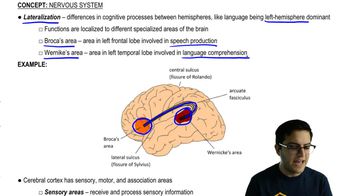
  • Motor, Sensory, and Association Areas
    03:59
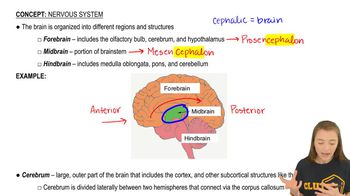
  • Cerebrum and Cerebral Cortex
    11:10
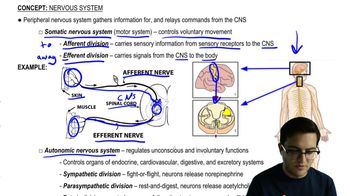
  • Peripheral Nervous System
    06:26

Sensory System

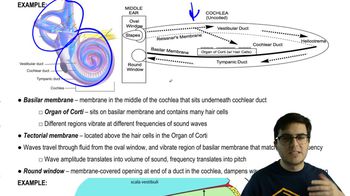
  • Inner Ear
    06:11
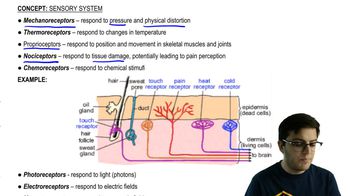
  • Sensory Receptors
    02:54
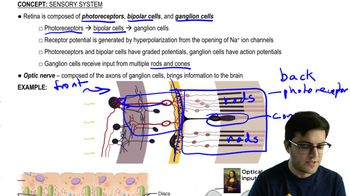
  • The Retina
    06:45

Musculoskeletal System

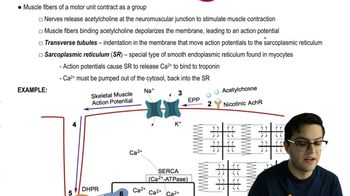
  • Motor Unit and Neuromuscular Junction
    03:14
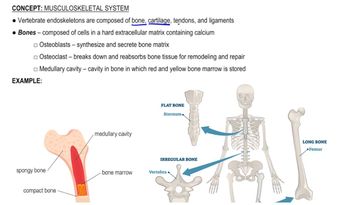
  • Endoskeleton
    01:42
  • Muscle System and Skeleton
    02:08