 Indietro
General Biology Study Notes: The Chemical Context of Life
Guida di studio - Note intelligenti
 Appunti personalizzati basati sui tuoi materiali, ampliati con definizioni chiave, esempi e contesto.
The Chemical Context of Life
Introduction to Chemistry in Biology
Biology is deeply intertwined with chemistry, as all living organisms are composed of chemical elements and compounds. Understanding the chemical basis of life is essential for comprehending biological processes.
Matter: Anything that takes up space and has mass.
Elements: Substances that cannot be broken down by chemical reactions.
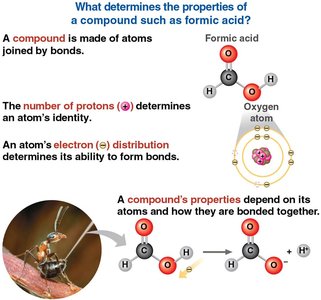
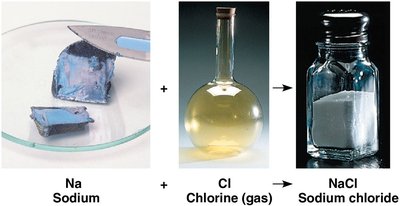
Compounds: Substances consisting of two or more elements in a fixed ratio, exhibiting emergent properties distinct from their constituent elements.


Properties of Compounds
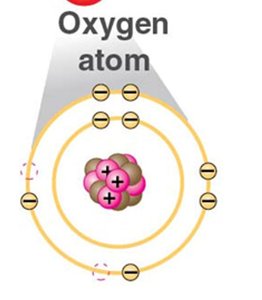
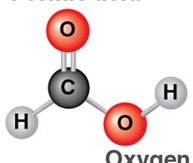
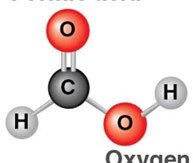
The properties of compounds, such as formic acid, are determined by the types of atoms present and how they are bonded together. The number of protons defines an atom's identity, while electron distribution determines bonding ability.
Atoms: The smallest unit of matter retaining the properties of an element.
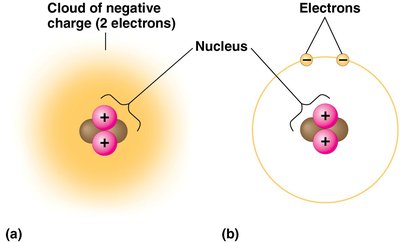
Protons: Positively charged particles in the nucleus.
Electrons: Negatively charged particles orbiting the nucleus.
Neutrons: Neutral particles in the nucleus.
Elements and Compounds
Elements are the fundamental building blocks of matter. Compounds are formed when elements combine in specific ratios, resulting in new properties.
Emergent Properties: New characteristics that arise when elements form compounds.
The Elements of Life
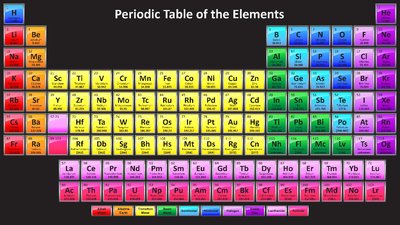
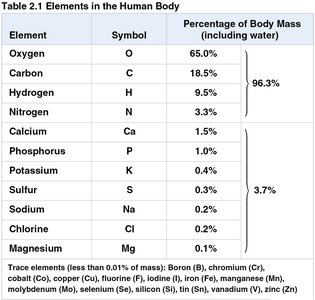
Only a subset of the 92 naturally occurring elements are essential for life. The most abundant elements in living organisms are carbon, hydrogen, oxygen, and nitrogen.
Essential Elements: Required for life (about 20–25% of elements).
Trace Elements: Needed in minute quantities.
Adaptation to Toxic Elements
Some organisms have evolved to tolerate environments with toxic elements, such as serpentine soils containing heavy metals.

Atomic Structure and Subatomic Particles
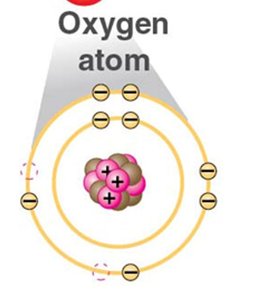
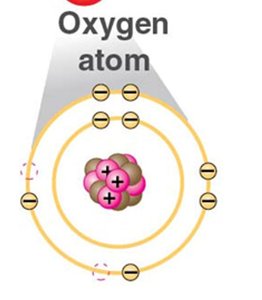
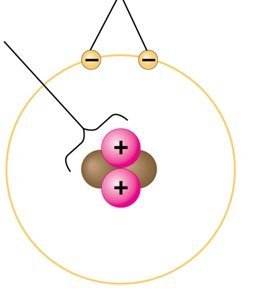
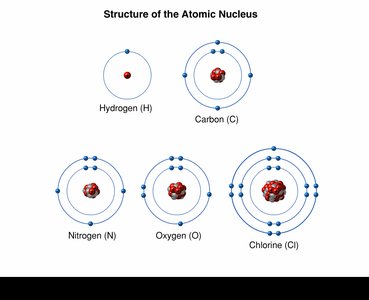
Each element consists of unique atoms, which are composed of subatomic particles: protons, neutrons, and electrons. The atomic nucleus contains protons and neutrons, while electrons form a cloud around the nucleus.
Dalton: Unit of atomic mass.
Atomic Number and Atomic Mass
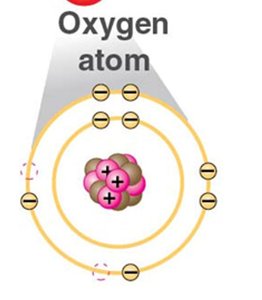
The atomic number is the number of protons in an atom's nucleus. The mass number is the sum of protons and neutrons. Atomic mass is the weighted average of all isotope masses.
Formula:
Isotopes
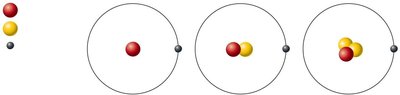
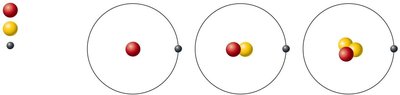
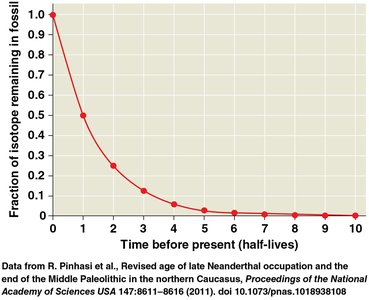
Isotopes are atoms of the same element with different numbers of neutrons. Some isotopes are radioactive and decay spontaneously, emitting particles and energy.
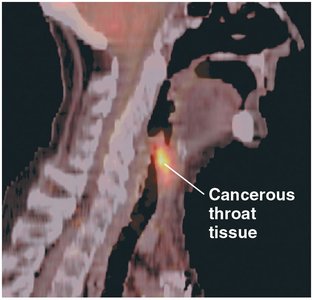
Radioactive Isotopes: Used as tracers in medicine and for radiometric dating.
Half-life: The time required for half of the isotope to decay.
Radioactive Tracers and Radiometric Dating
Radioactive isotopes are used to track atoms through metabolism and to date fossils and rocks by measuring isotope ratios.
Carbon-14 Dating: Used to estimate the age of biological matter.
Energy Levels of Electrons
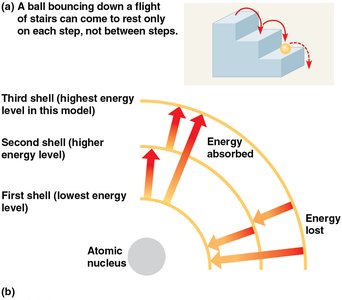
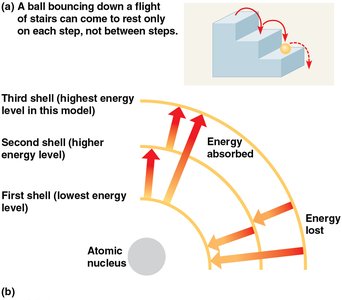
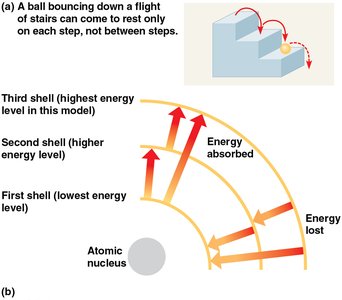
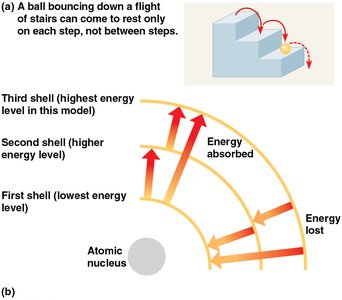
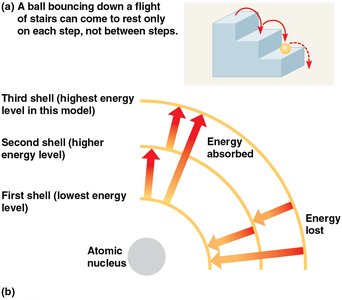
Electrons have potential energy based on their distance from the nucleus. Energy levels are quantized, and electrons occupy specific shells.
Potential Energy: Energy due to location or structure.
Electron Distribution and Chemical Properties
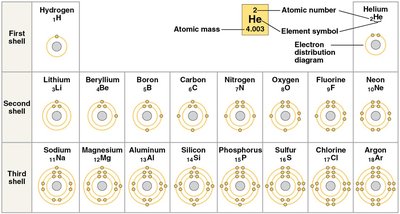
The chemical behavior of an atom is determined by the distribution of electrons in its shells, especially the valence electrons in the outermost shell.
Periodic Table: Shows electron distribution for each element.
Electron Orbitals
Orbitals are three-dimensional spaces where electrons are found 90% of the time. Each shell has a specific number of orbitals, and no more than two electrons can occupy a single orbital.
Chemical Bonding
Atoms with incomplete valence shells can share or transfer electrons, forming chemical bonds. The main types of bonds are covalent, ionic, and weak interactions.
Covalent Bonds
Covalent Bond: Sharing of a pair of valence electrons.
Single Bond: Sharing one pair of electrons.
Double Bond: Sharing two pairs of electrons.
Electronegativity: Atom's attraction for electrons in a covalent bond.
Polar Covalent Bond: Unequal sharing of electrons.
Nonpolar Covalent Bond: Equal sharing of electrons.
Ionic Bonds
Ionic Bond: Attraction between oppositely charged ions (cation and anion).
Ionic Compounds (Salts): Stable when dry, dissociate easily in water.
Weak Chemical Interactions
Hydrogen Bonds: Attraction between a hydrogen atom covalently bonded to an electronegative atom and another electronegative atom.
Van der Waals Interactions: Weak attractions due to transient local charges.
Molecular Shape and Function
The shape of a molecule is determined by the positions of its atoms' orbitals and is key to its function. Molecular shape determines how biological molecules recognize and respond to one another.
Table: Elements in the Human Body
Element | Symbol | Percentage of Body Mass (including water) |
|---|---|---|
Oxygen | O | 65.0% |
Carbon | C | 18.5% |
Hydrogen | H | 9.5% |
Nitrogen | N | 3.3% |
Calcium | Ca | 1.5% |
Phosphorus | P | 1.0% |
Potassium | K | 0.4% |
Sulfur | S | 0.3% |
Sodium | Na | 0.2% |
Chlorine | Cl | 0.2% |
Magnesium | Mg | 0.1% |
Summary
Living organisms are composed of matter, which consists of elements and compounds.
Atoms are made of protons, neutrons, and electrons; their arrangement determines chemical properties.
Isotopes and radioactive decay are important in biology and medicine.
Electron energy levels and distribution influence chemical bonding and reactivity.
Covalent, ionic, and weak bonds are fundamental to molecular structure and function.
Molecular shape is crucial for biological recognition and function.
