 Indietro
Genetic Disorders and DNA Replication: Study Guide for General Biology
Guida di studio - Note intelligenti
 Appunti personalizzati basati sui tuoi materiali, ampliati con definizioni chiave, esempi e contesto.
Genetic Disorders
Autosomal Recessive Disorders
Autosomal recessive disorders are inherited in a simple Mendelian fashion, requiring two copies of the mutant allele for the disorder to manifest. These disorders often result from mutations in genes located on autosomes (non-sex chromosomes).
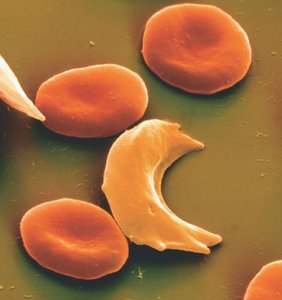
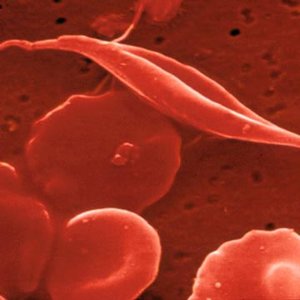
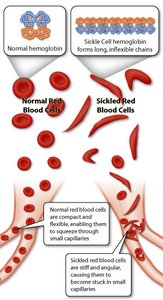
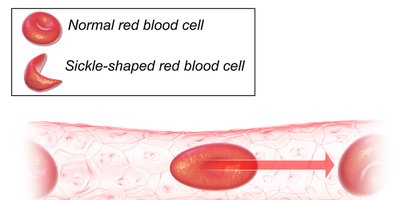
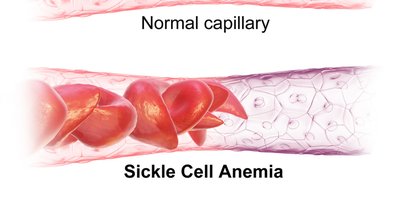
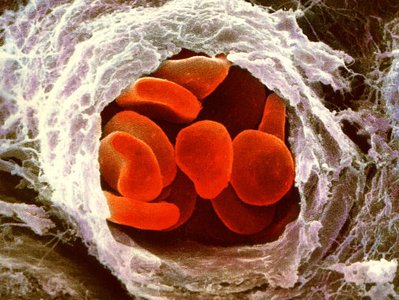
Sickle-cell anemia: Caused by a mutation in the hemoglobin gene, resulting in sickle-shaped red blood cells that can block blood flow and cause pain and organ damage. Individuals with one sickle cell allele (heterozygous) are more resistant to malaria caused by Plasmodium falciparum.
Cystic fibrosis: Inherited disease causing thick, sticky mucus to build up in the lungs and digestive tract, leading to respiratory and digestive issues.
Inheritance: Both parents must carry the recessive allele for offspring to be affected.
Example: Sickle-cell anemia is prevalent in regions where malaria is common due to the protective effect of the heterozygous genotype.
Autosomal Dominant Disorders
Autosomal dominant disorders require only one copy of the mutant allele for the disorder to manifest. These disorders are often more easily traced through family pedigrees.
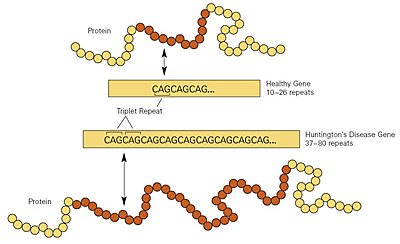
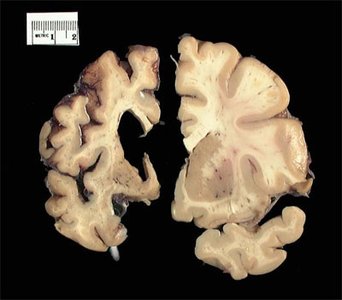
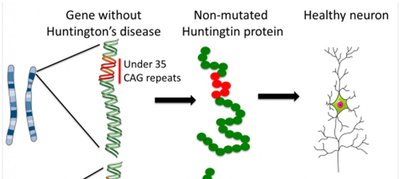
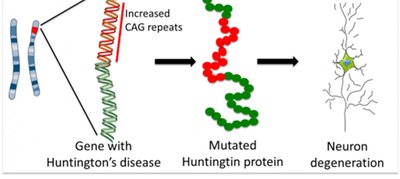
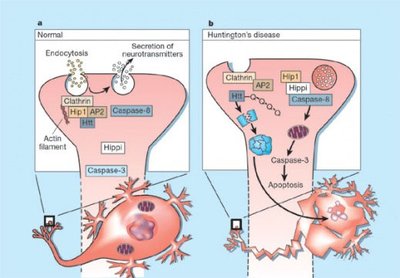
Huntington’s disease: An incurable neurodegenerative disorder affecting muscle coordination and cognitive functions. Caused by a dominant allele with expanded CAG repeats in the gene.
Inheritance: Affected individuals have at least one affected parent.
Example: Huntington’s disease typically manifests in adulthood, leading to progressive neurological decline.
Sex-linked Disorders
Sex-linked disorders are caused by mutations in genes located on the X chromosome. Males are more frequently affected due to having only one X chromosome.
Hemophilia: A disorder characterized by impaired blood clotting, leading to excessive bleeding.
Inheritance: Males inherit the disorder if their single X chromosome carries the mutant allele; females must have two mutant alleles to be affected.
Aneuploidy
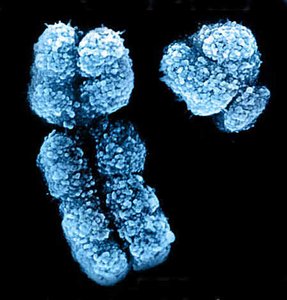
Aneuploidy refers to the presence of an abnormal number of chromosomes, often caused by nondisjunction during meiosis. Most aneuploid individuals are inviable, but some syndromes are compatible with life.
Down Syndrome (Trisomy 21): Characterized by three copies of chromosome 21, resulting in physical symptoms and learning disabilities. More common in children of older mothers.
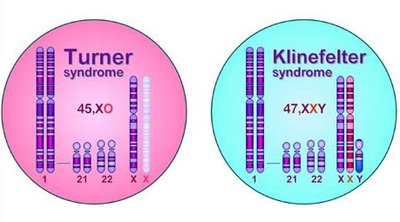
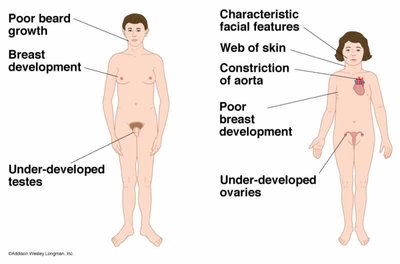
Klinefelter Syndrome (XXY): Males with an extra X chromosome, leading to reduced fertility and other symptoms.
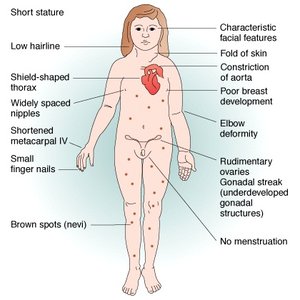
Turner Syndrome (XO): Females with only one X chromosome, resulting in sterility and characteristic physical features.
Nondisjunction: Failure of chromosomes to separate properly during meiosis, leading to gametes with abnormal chromosome numbers.
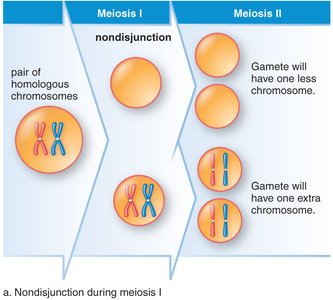
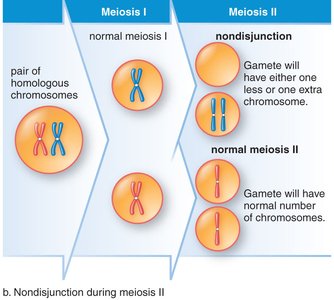
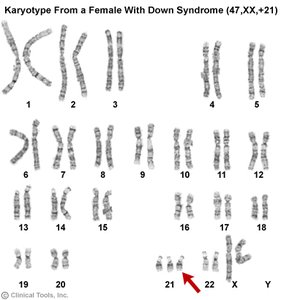
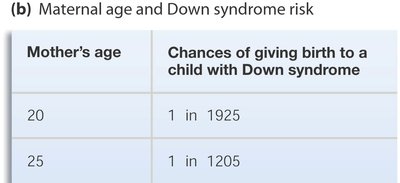
Mother's Age | Chance of Down Syndrome |
|---|---|
20 | 1 in 1925 |
25 | 1 in 1205 |
Chromosomal Aberrations
Chromosomal aberrations are structural changes in chromosomes that can lead to genetic disorders. These include deletion, inversion, translocation, and duplication.
Deletion: Loss of a chromosomal segment, often resulting in severe genetic consequences.
Inversion: A segment of chromosome is reversed end to end; may cause a wide range of symptoms.
Translocation: Exchange of segments between non-homologous chromosomes.
Duplication: A segment is duplicated, potentially reducing viability.
Type | Description | Possible Effects |
|---|---|---|
Deletion | Segment lost | Severe genetic consequences |
Inversion | Segment flipped | Wide range of symptoms |
Translocation | Segments exchanged | Genetic disorders |
Duplication | Segment duplicated | Reduced viability |
DNA Structure and Replication
DNA Structure
DNA (deoxyribonucleic acid) is the hereditary material in cells, first described as a double helix by Watson and Crick in 1953. DNA is composed of nucleotides, each consisting of a 5-carbon sugar, a phosphate group, and a nitrogenous base.
Nucleosome: DNA wraps around histone proteins to form nucleosomes, which help package DNA into chromatin.
Chromatin: DNA and histones during non-cell division periods; condenses into chromosomes during cell division.
Phosphodiester bonds: Strong covalent bonds joining nucleotides in the sugar-phosphate backbone.
Base pairs: Adenine (A) pairs with Thymine (T), Guanine (G) pairs with Cytosine (C).
Double helix: Two strands held together by hydrogen bonds between nitrogenous bases.
DNA Information Storage
The sequence of nitrogenous bases in DNA encodes the information for protein synthesis. Groups of three bases (codons) specify amino acids, which are assembled into proteins.
Humans: Have 20,000-25,000 genes and about 3 billion base pairs per gamete.
Codon: Sequence of three bases coding for one amino acid.
DNA Replication
DNA replication is the process by which a cell duplicates its DNA before cell division. It occurs during the S phase of the cell cycle and is semiconservative, meaning each new DNA molecule contains one old and one new strand.
Steps:
Unwinding the DNA (helicase enzyme)
Pairing bases with new nucleotides (DNA polymerase enzyme)
Producing two identical DNA molecules
Okazaki fragments: Short segments of DNA formed on the lagging strand during replication.
Cell Cycle and Cancer
Cell Cycle Checkpoints
The cell cycle is regulated by checkpoints to ensure proper division and DNA integrity. Key checkpoints include G1, G2, and M phase.
G1 checkpoint: Apoptosis occurs if DNA is damaged.
G2 checkpoint: Mitosis will not occur if DNA is not correctly replicated.
M checkpoint: Mitosis stops if chromosomes are not properly aligned.
Cancer
Cancer is a disorder involving uncontrolled cell division, often caused by mutations in genes responsible for regulating the cell cycle. Development involves transformation of normal cells, uncontrolled division, tumor formation, and metastasis.
Genes involved: Rb, p53, ras
Steps:
Transformation: Cell ignores division controls
Division: Cancer cell produces daughter cells
Tumor formation: Uncontrolled growth
Metastasis: Spread to other body parts
Key Terms and Concepts
Gene: Unit of inheritance; sequence of DNA coding for a polypeptide.
Base pair: Two nitrogenous bases held together by hydrogen bonds in DNA.
Chromosome: DNA-protein complex; condensed during cell division.
Apoptosis: Programmed cell death.
Semiconservative replication: Each new DNA molecule contains one old and one new strand.
Important Equations and Formulas
Base pairing: ,
Phosphodiester bond:
Semiconservative replication:
