 Indietro
Genetics: Principles of Inheritance and Patterns of Genetic Variation
Guida di studio - Note intelligenti
 Appunti personalizzati basati sui tuoi materiali, ampliati con definizioni chiave, esempi e contesto.
Genetics: The Science of Inheritance
Introduction to Genetics
Genetics is the scientific study of heredity and variation. Heredity refers to the transmission of traits from one generation to the next, while variation is demonstrated by the differences in appearance that offspring show from parents and siblings. Living organisms are distinguished by their ability to reproduce their own kind, ensuring continuity of genetic information.
Heredity: Transmission of traits from parents to offspring.
Variation: Differences in traits among individuals.
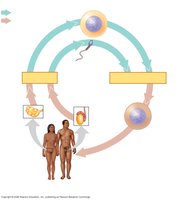
Cell Types and Chromosome Number
Somatic Cells, Germ Cells, and Gametes
Cells in multicellular organisms are classified as somatic or germ cells. Somatic cells are all cells of the body except those that give rise to gametes. Germ cells undergo meiosis to produce gametes, which are haploid reproductive cells (egg or sperm).
Diploid (2n): Two sets of homologous chromosomes.
Haploid (n): One set of chromosomes.
Gametes: Haploid reproductive cells.
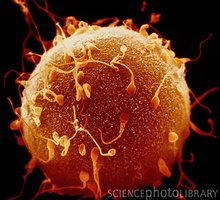
Modes of Reproduction
Asexual Reproduction
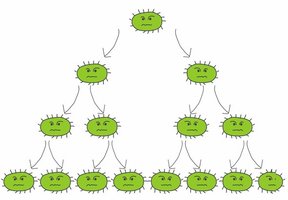
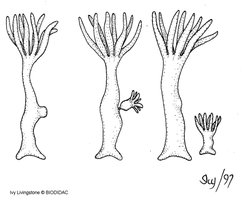
Asexual reproduction results in offspring that are genetically identical to the parent, known as clones. This occurs by prokaryotic fission in bacteria and mitosis in eukaryotes.
Clones: Genetically identical individuals from the same parent.
Examples: Bacterial fission, budding in hydra, vegetative propagation in plants.
Sexual Reproduction
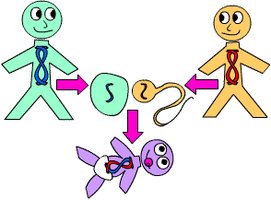
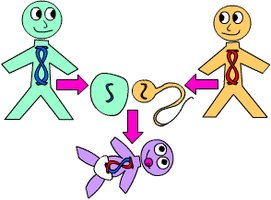
Sexual reproduction involves two parents and results in offspring with unique combinations of genes. It includes meiosis (halving chromosome number) and fertilization (fusion of gametes).
Genetic variability: Increased diversity among individuals.
Evolution: Sex and mutation drive diversity, enabling natural selection.
Chromosomes and Genetic Terminology
Chromosomes, Karyotype, and Homologous Chromosomes
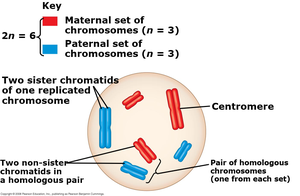
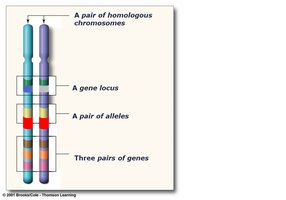
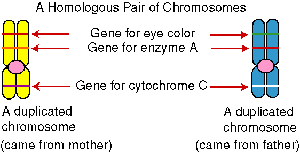
Chromosomes are structures that organize genetic material (DNA). A karyotype is a visual display of an individual's chromosomes, arranged as pairs of homologous chromosomes.
Homologous chromosomes: Chromosome pairs with similar shape and gene content, but possibly different alleles.
Sister chromatids: Identical subunits of a replicated chromosome.
Genes, Alleles, and Locus
A gene is a segment of DNA that codes for a polypeptide, giving an organism a particular characteristic. Alleles are alternative forms of a gene at a specific locus (location) on a chromosome.
Gene: DNA segment coding for a trait.
Allele: Alternative form of a gene.
Locus: Specific location of a gene on a chromosome.
Allele Interactions and Patterns of Inheritance
Dominant and Recessive Alleles
Dominant alleles are always expressed, while recessive alleles are only expressed in the absence of a dominant allele (homozygous recessive condition).
Dominant allele: Expressed in heterozygous and homozygous dominant states (e.g., AA, Aa).
Recessive allele: Expressed only in homozygous recessive state (aa).
Homozygous and Heterozygous
Individuals can be homozygous (two identical alleles) or heterozygous (two different alleles) at a locus.
Homozygous dominant: AA
Homozygous recessive: aa
Heterozygous: Aa
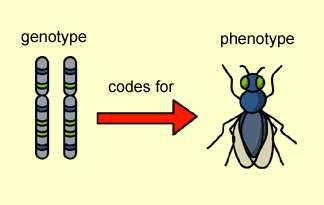
Genotype and Phenotype
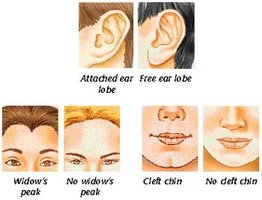
The genotype is an individual's genetic makeup, while the phenotype is the observable expression of the genotype.
Genotype: Genetic composition (e.g., Aa, BB).
Phenotype: Observable traits (e.g., cleft chin, attached earlobe).
Genetics Problem Solving
Punnett Squares and Ratios
Punnett squares are diagrams used to predict the results of genetic crosses. They help determine genotypic and phenotypic ratios, probabilities, percentages, and frequencies.
Genotypic ratio: Ratio of different genotypes in offspring.
Phenotypic ratio: Ratio of observable traits in offspring.
Probability: Likelihood of a particular outcome.
Percentage: Proportion out of 100.
Frequency: Percentage divided by 100.
Example Problems
Genetic crosses can be analyzed using nomenclature, parental phenotypes/genotypes, gametes, and Punnett squares. For example, crossing a man with a cleft chin (dominant) and a woman with a smooth chin (recessive) can reveal the genotypes of their offspring.
Mendelian Genetics
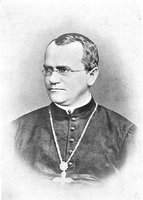
Gregor Mendel and Pea Plant Experiments
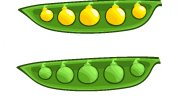
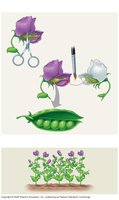
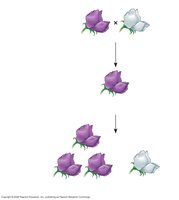
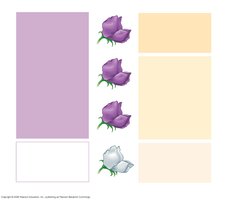
Gregor Mendel, the father of genetics, used pea plants to study inheritance. He observed distinct heritable features, controlled mating, and derived laws of segregation and independent assortment.
Law of Segregation: Two alleles for a heritable character separate during gamete formation.
Law of Independent Assortment: Genes located on different chromosomes are inherited independently.
Test Crosses
Determining Genotype Using Test Crosses
A test cross involves breeding an individual with a dominant phenotype with a homozygous recessive individual to determine the unknown genotype. If any offspring display the recessive phenotype, the unknown parent must be heterozygous.

Types of Alleles and Allelic Interactions
Degrees of Dominance
Alleles can interact in various ways:
Complete dominance: Heterozygote and dominant homozygote have identical phenotypes.
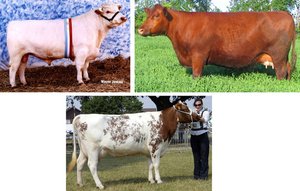
Incomplete dominance: Heterozygote phenotype is intermediate between parents.
Co-dominance: Both alleles are expressed distinctly in the heterozygote.
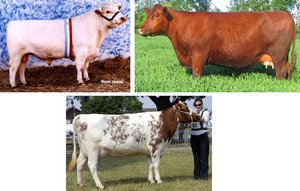
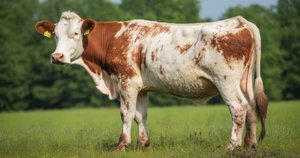
Multiple Alleles
Genes with More Than Two Alleles
Some genes have more than two alleles, resulting in multiple possible genotypes and phenotypes. For example, rabbit coat color is determined by four alleles with a gradient of dominance.
Formula for genotype number: , where n = number of alleles.
Lethal Alleles
Essential and Non-Essential Genes
Lethal alleles can cause death when expressed. They are often recessive and may be early onset (embryonic death) or late onset (e.g., Huntington disease).
Conditional lethal alleles: Lethal under certain environmental conditions.
Semi-lethal alleles: Kill some, but not all, individuals.
Case Study: Sickle-Cell Disease
Sickle-cell disease is caused by a recessive lethal allele (HbS). Heterozygotes (HbAHbS) are resistant to malaria, while homozygotes (HbSHbS) suffer from anemia and other health issues.
Dihybrid Inheritance
Inheritance of Two Genes
Dihybrid crosses involve two genes, each with two alleles. The standard phenotypic ratio for a dihybrid cross with complete dominance is 9:3:3:1.
Number of gametes:
Number of genotypes:
Number of phenotypes:
Law of Multiplicative Probabilities
Calculating Probabilities in Genetics
The probability of two independent events occurring together is the product of their individual probabilities. This principle is used to calculate the likelihood of specific genotypes or phenotypes in offspring.
Example: Probability of genotype Cc producing a c gamete is 0.5; probability of Uu producing a u gamete is 0.5; probability of CcUu producing cu gamete is 0.25.
Mixed Dihybrid Crosses
Inheritance with Different Allelic Interactions
When one or both genes in a dihybrid cross exhibit incomplete dominance, co-dominance, or lethality, the standard 9:3:3:1 ratio does not apply. Ratios must be calculated based on the specific interactions.
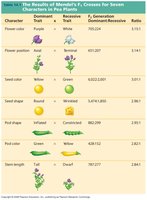
Summary Table: Mendel's F1 Crosses
Comparison of Traits and Ratios
Mendel observed consistent ratios for various traits in pea plants, supporting his laws of inheritance.
Character | Dominant Trait | Recessive Trait | F2 Generation Ratio |
|---|---|---|---|
Flower color | Purple | White | 3:1 |
Seed color | Yellow | Green | 3:1 |
Seed shape | Round | Wrinkled | 3:1 |
Pod shape | Inflated | Constricted | 3:1 |
Pod color | Green | Yellow | 3:1 |
Stem length | Tall | Dwarf | 3:1 |
Conclusion
Genetics provides a framework for understanding how traits are inherited and how variation arises in populations. Mendel's principles, Punnett squares, and probability calculations are foundational tools for analyzing genetic crosses and predicting outcomes.
