 Indietro
Genetics: Principles of Inheritance and Variation
Guida di studio - Note intelligenti
 Appunti personalizzati basati sui tuoi materiali, ampliati con definizioni chiave, esempi e contesto.
Genetics: The Science of Inheritance
Introduction to Genetics
Genetics is the scientific study of heredity and variation. Heredity refers to the transmission of traits from one generation to the next, while variation is demonstrated by the differences in appearance that offspring show compared to parents and siblings. Living organisms are distinguished by their ability to reproduce their own kind, ensuring continuity of genetic information.
Heredity: Transmission of traits from parent to offspring.
Variation: Differences in traits among individuals.
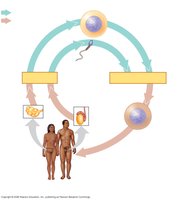
Key Definitions
Somatic cell: Any cell of the body except gametes; does not form reproductive cells.
Germ cell: Cells that can undergo meiosis to become gametes.
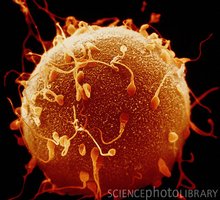
Gamete: Haploid reproductive cell (sperm or egg).
Diploid (2n): Two sets of homologous chromosomes.
Haploid (n): One set of chromosomes.
Modes of Reproduction
Asexual Reproduction
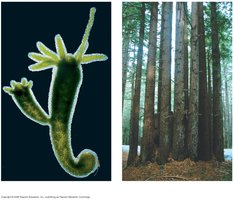
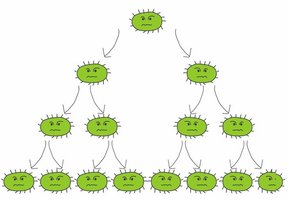
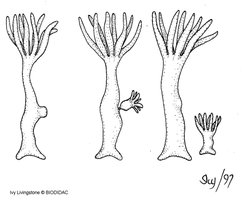
Asexual reproduction results in offspring that are genetically identical to the parent, known as clones. It occurs by prokaryotic fission in bacteria and mitosis in eukaryotes.
Offspring inherit the same number and kind of genes from a single parent.
Examples: Binary fission in bacteria, budding in hydra.
Sexual Reproduction
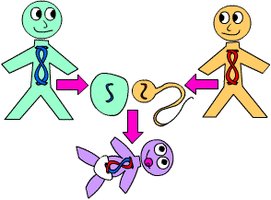
Sexual reproduction involves two parents, each contributing unique combinations of genes. It includes meiosis (halving chromosome number) and fertilization (fusion of gametes).
Results in genetic variability among offspring.
Promotes diversity and evolution through mutation and natural selection.
Chromosomes and Genetic Terminology
Chromosomes and Karyotypes
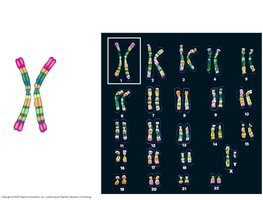
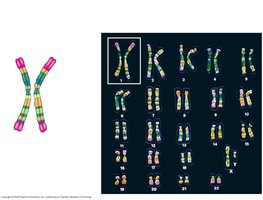
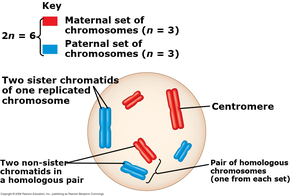
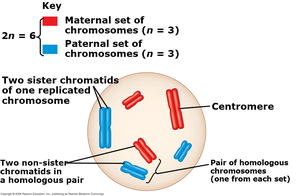
Chromosomes are structures that organize DNA. A karyotype is a visual display of an individual's chromosomes, arranged as pairs of homologous chromosomes.
Homologous chromosomes: Chromosome pairs with similar shape and gene content.
Chromatids: Identical subunits of a replicated chromosome.
Sister chromatids: Chromatids of the same chromosome.
Genes, Alleles, and Loci
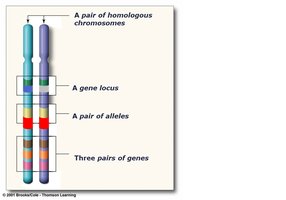
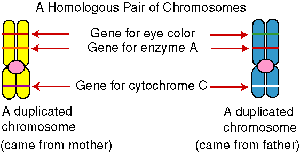
Gene: Segment of DNA coding for a polypeptide.
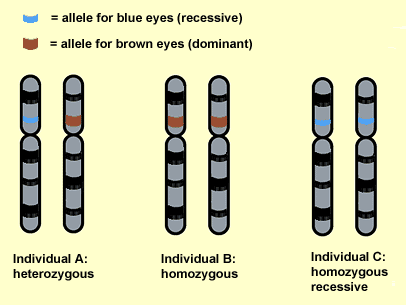
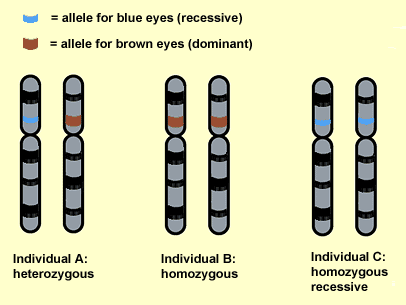
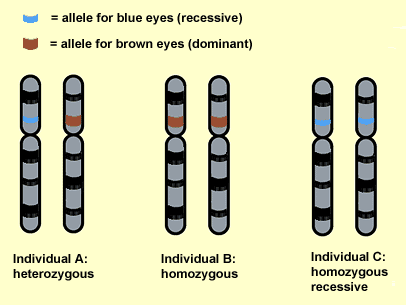
Allele: Alternative form of a gene at a specific locus.
Locus: Specific location of a gene on a chromosome.
Dominant and Recessive Alleles
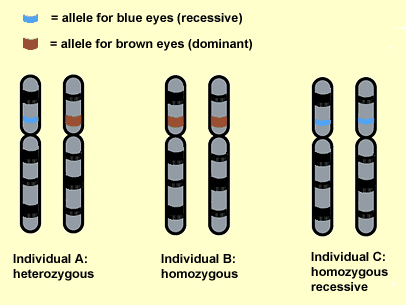
Dominant allele: Always expressed (e.g., A).
Recessive allele: Expressed only when homozygous (e.g., a).
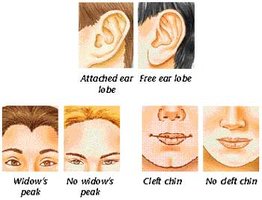
Homozygous and Heterozygous
Homozygous: Two identical alleles at a locus (AA or aa).
Heterozygous: Two different alleles at a locus (Aa).
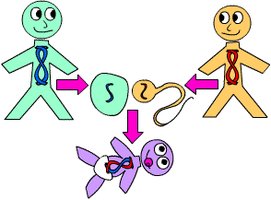
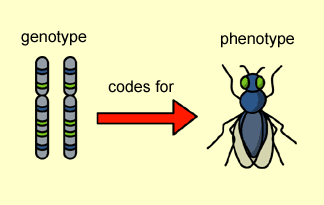
Genotype and Phenotype
Genotype: Genetic makeup of an individual.
Phenotype: Observable traits resulting from genotype.
Mendelian Genetics
Gregor Mendel and Pea Plant Experiments
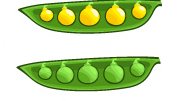
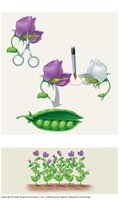
Gregor Mendel, the father of genetics, used pea plants to study inheritance. He observed distinct heritable features and controlled mating, leading to the discovery of fundamental laws of inheritance.
Advantages of pea plants: Many varieties, short generation time, controlled mating.
Monohybrid Crosses and Law of Segregation
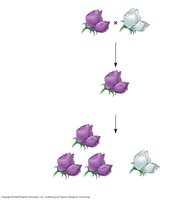
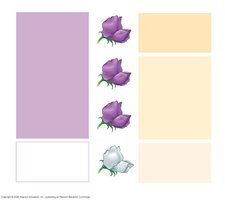
Mendel derived the law of segregation by following a single character. The F1 generation from two true-breeding parents showed only the dominant trait, while the F2 generation revealed a 3:1 ratio of dominant to recessive traits.
Law of Segregation: Two alleles for a heritable character separate during gamete formation.
Punnett Square: Diagram for predicting genetic cross outcomes.
Test Cross
A test cross determines the genotype of an individual with a dominant phenotype by crossing it with a homozygous recessive individual. If any offspring display the recessive phenotype, the unknown parent is heterozygous.

Allelic Interactions and Patterns of Inheritance
Degrees of Dominance
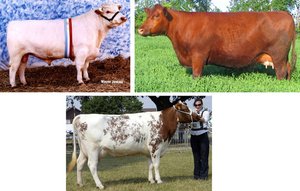
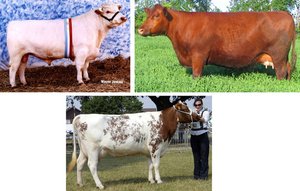
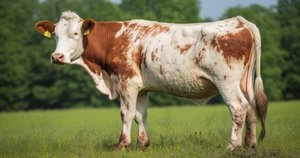
Complete dominance: Heterozygote and dominant homozygote have identical phenotypes.
Incomplete dominance: Heterozygote phenotype is intermediate between parents.
Co-dominance: Both alleles are expressed distinctly in the phenotype.
Multiple Alleles
Some genes have more than two alleles, leading to multiple possible genotypes and phenotypes. For example, rabbit coat color is determined by four alleles with a gradient of dominance.
Number of possible genotypes: , where n = number of alleles.
Lethal Alleles
Lethal alleles are mutations in essential genes that can cause death. They may be recessive or dominant and can be influenced by environmental conditions.
Early onset: Death during embryonic development or infancy.
Late onset: Death occurs later in life (e.g., Huntington disease).
Conditional lethal: Lethal only under certain environmental conditions.
Case Study: Sickle-Cell Disease
Sickle-cell disease is caused by a recessive lethal allele (HbS). Heterozygotes (HbAHbS) are resistant to malaria, while homozygotes (HbSHbS) suffer from anemia and other health issues.
Dihybrid Inheritance and Probability
Dihybrid Crosses
Dihybrid crosses involve two genes, each with two alleles, located on separate pairs of homologous chromosomes. The standard phenotypic ratio for a dihybrid cross is 9:3:3:1.
Number of gametes:
Number of genotypes:
Number of phenotypes:
Law of Independent Assortment
Genes located on different pairs of homologous chromosomes are inherited independently. This law explains the random assortment of traits during meiosis.
Law of Multiplicative Probabilities
The probability of two independent events occurring together is the product of their individual probabilities.
Example: Probability of genotype CcUu producing a cu gamete is
Mixed Dihybrid Crosses
Inheritance with Non-Standard Allelic Interactions
When one or both genes in a dihybrid cross exhibit incomplete dominance, co-dominance, or lethality, the standard 9:3:3:1 ratio does not apply. Modified ratios must be calculated based on the specific inheritance patterns.
Summary Table: Mendelian Traits in Pea Plants
Character | Dominant Trait | Recessive Trait | F2 Generation Ratio |
|---|---|---|---|
Flower color | Purple | White | 3:1 |
Seed color | Yellow | Green | 3:1 |
Seed shape | Round | Wrinkled | 3:1 |
Pod shape | Inflated | Constricted | 3:1 |
Pod color | Green | Yellow | 3:1 |
Stem length | Tall | Dwarf | 3:1 |
Conclusion
Genetics is fundamental to understanding inheritance, variation, and the mechanisms that drive biological diversity. Mendel's laws, Punnett squares, and the study of allelic interactions provide a framework for predicting and analyzing genetic outcomes in both monohybrid and dihybrid crosses.
