 Indietro
Lecture 23 (Unit 2) Genomes: Sequencing, Structure, and Evolution
Guida di studio - Note intelligenti
 Appunti personalizzati basati sui tuoi materiali, ampliati con definizioni chiave, esempi e contesto.
Genomics and Bioinformatics
Introduction to Genomics
Genomics is the study of entire sets of genes (genomes) and their interactions within and between species. The field has been revolutionized by advances in DNA sequencing technology, enabling the complete sequencing of genomes from a wide variety of organisms, including humans, bacteria, yeast, and plants.
Genomics: The comprehensive study of genomes, including their structure, function, evolution, and mapping.
Bioinformatics: The application of computational tools to manage, analyze, and interpret biological data, especially large-scale DNA sequence data.
Comparative genomics: Comparing genomes of different species to understand evolutionary relationships and functional biology.
Reference genome: A representative example of a species' genome, used as a standard for comparison and further studies.
Genome Sequencing and Assembly
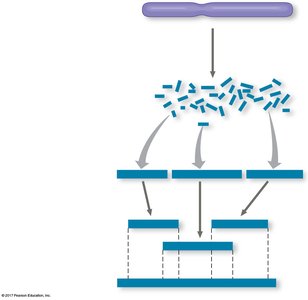
Sequencing a genome involves determining the order of nucleotides in DNA. Modern sequencing projects use high-throughput methods to generate millions of short DNA fragments, which are then computationally assembled into a complete genome sequence.
Whole-genome shotgun sequencing: DNA is randomly fragmented, sequenced, and then assembled using computational algorithms to reconstruct the original genome.
Coverage: Each base in the genome is typically sequenced 30–100 times to ensure accuracy.
Assembly: Overlapping sequence reads are aligned and merged to form contiguous sequences (contigs) and, ultimately, complete chromosomes.
Genome Sequencing Milestones
Key milestones in genome sequencing include the first viral, bacterial, archaeal, eukaryotic, animal, and plant genomes. The Human Genome Project (1990–2003) was a landmark effort that spurred technological advances and set the stage for modern genomics.
First virus sequenced: Phage fX174 (1977, 5,386 bp)
First bacterium: Haemophilus influenzae (1995, ~1.8 Mb)
First eukaryote: Saccharomyces cerevisiae (1996, ~12 Mb)
First animal: Caenorhabditis elegans (1998, ~100 Mb)
First plant: Arabidopsis thaliana (2000, ~135 Mb)
Human genome: Draft (2001), "complete" (2003, ~3,100 Mb)
Genome Databases and Annotation
GenBank and Genome Browsers
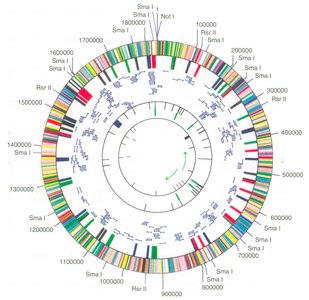
GenBank is a comprehensive public database of DNA sequences, maintained by the National Center for Biotechnology Information (NCBI). Genome browsers, such as the UCSC Genome Browser, provide interactive tools for exploring genome sequences and annotations.
GenBank: Annotated collection of all publicly available DNA sequences.
Genome browsers: Web-based platforms for visualizing and analyzing genome data, including gene locations, regulatory elements, and comparative genomics.


Bioinformatics Resources
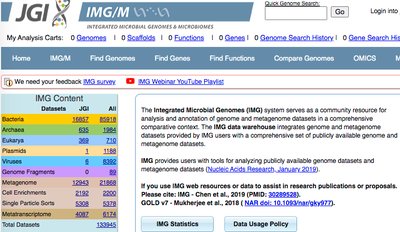
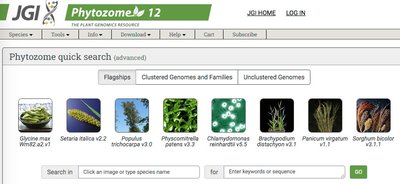
Specialized databases and tools exist for different groups of organisms and research needs. Examples include the Integrated Microbial Genomes (IMG) system for microbes and Phytozome for plant genomes.
IMG: Resource for microbial genome analysis and comparison.
Phytozome: Database for plant genome sequences and comparative genomics.
Gene Annotation
Gene annotation is the process of identifying protein-coding genes and other functional elements within a genome sequence. This involves locating open reading frames (ORFs), untranslated regions (UTRs), splice sites, and regulatory sequences. Functional annotation compares gene sequences to known genes in other species to predict function.
Structural annotation: Identifies gene locations, exon-intron boundaries, and regulatory elements.
Functional annotation: Assigns putative functions to genes based on sequence similarity and conserved domains.
Experimental validation: Techniques such as RNA-seq and gene knockout (e.g., CRISPR-Cas9) confirm gene structure and function.
Genome Structure and Variation
Genome Size, Gene Number, and Complexity
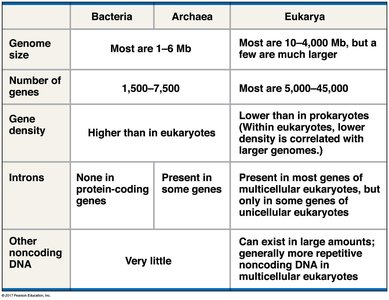
Genome size and gene number vary widely among organisms and are not directly correlated with organismal complexity. Most of the variation in eukaryotic genome size is due to noncoding and repetitive DNA.
Bacteria | Archaea | Eukarya | |
|---|---|---|---|
Genome size | Most are 1–6 Mb | Most are 1–6 Mb | Most are 10–4,000 Mb, but a few much larger |
Number of genes | 1,500–7,500 | 1,500–7,500 | 5,000–45,000 |
Gene density | Higher than in eukaryotes | Higher than in eukaryotes | Lower than in prokaryotes |
Introns | None in protein-coding genes | Present in some genes | Present in most genes of multicellular eukaryotes |
Other noncoding DNA | Very little | Very little | Can exist in large amounts; more repetitive noncoding DNA in multicellular eukaryotes |
Composition of the Human Genome
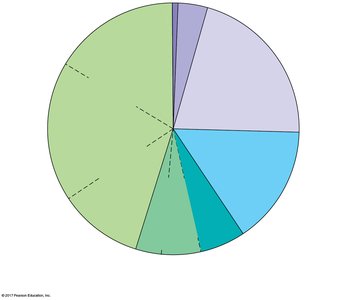
The human genome is composed mostly of noncoding and repetitive DNA. Protein-coding exons make up only about 1.5% of the genome, while regulatory sequences, introns, and various types of repetitive DNA account for the majority.
Exons: 1.5%
Regulatory sequences: 5%
Introns: ~20%
Unique noncoding DNA: 15%
Repetitive DNA (including transposable elements): ~59%
Transposable Elements and Repetitive DNA
Transposable Elements
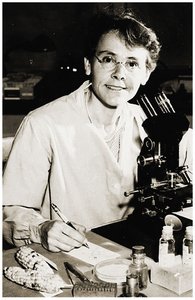
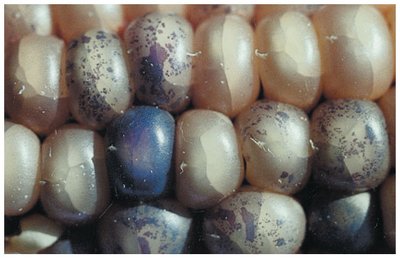
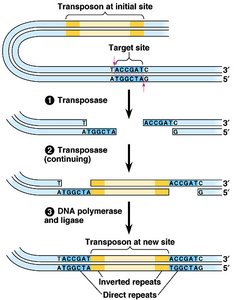
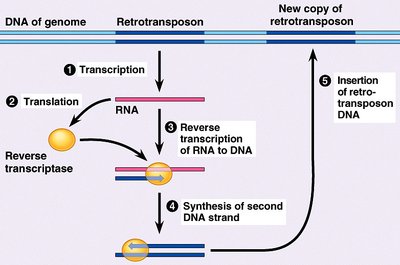
Transposable elements are DNA sequences that can move from one location to another within the genome. They are a major component of repetitive DNA in eukaryotic genomes and were first discovered by Barbara McClintock in maize.
Transposons: Move via a DNA intermediate and require a transposase enzyme. Can use "cut-and-paste" or "copy-and-paste" mechanisms.
Retrotransposons: Move via an RNA intermediate, using reverse transcriptase to generate a DNA copy for insertion elsewhere in the genome.
Transposable elements can disrupt genes or regulatory regions, but also contribute to genome evolution by generating new genes and regulatory sequences.
Genome Evolution
Mechanisms of Genome Evolution
Genomes evolve through mutation, gene duplication, chromosomal rearrangements, and the activity of transposable elements. These processes generate genetic diversity, which can be acted upon by natural selection.
Mutation: Changes in DNA sequence, including base substitutions, insertions, and deletions.
Gene duplication: Often results from unequal crossing over during meiosis, leading to multigene families.
Polyploidy: Whole-genome duplications, especially common in plants.
Exon shuffling: Recombination events can rearrange exons, creating new gene variants.
Multigene Families
Multigene families are groups of related genes that have similar sequences and often encode proteins with related functions. They arise through gene duplication and divergence.
Example: The human α-globin and β-globin gene families, which encode different subunits of hemoglobin and are located on different chromosomes.
Gene duplication provides raw material for the evolution of new gene functions (neofunctionalization).
Summary of Key Concepts
Genome sequencing and assembly rely on high-throughput methods and computational analysis.
Genome size and gene number vary widely; most variation in eukaryotes is due to noncoding and repetitive DNA.
Transposable elements are a major component of eukaryotic genomes and play important roles in genome evolution.
Gene duplication and exon shuffling contribute to the evolution of new genes and functions.
