 Indietro
Global Ecology and Conservation Biology: Biodiversity, Threats, and Solutions
Guida di studio - Note intelligenti
 Appunti personalizzati basati sui tuoi materiali, ampliati con definizioni chiave, esempi e contesto.
Global Ecology and Conservation Biology
Overview of Biodiversity
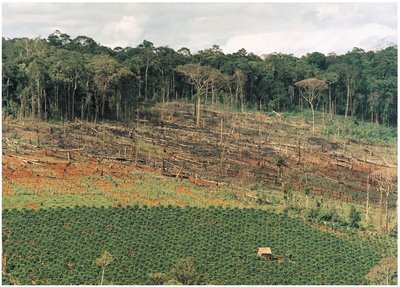
Biodiversity refers to the variety of life on Earth, encompassing millions of species, many of which remain undiscovered. Tropical forests are particularly rich in species diversity but are threatened by rapid destruction. Conservation biology is an interdisciplinary field aiming to preserve life by integrating ecology, evolutionary biology, molecular biology, genetics, and physiology.
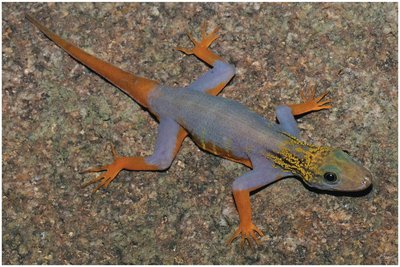
Biodiversity Crisis: Human activities are accelerating species extinction, including newly discovered species such as the psychedelic rock gecko.
Estimated Species: Scientists have described 1.8 million species, but estimates range from 10–100 million existing species.
Three Levels of Biodiversity
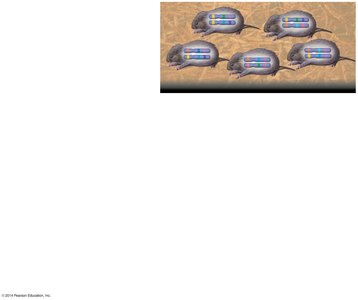
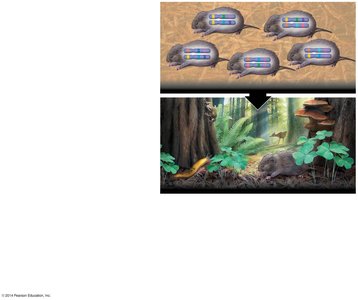
Biodiversity is measured at three main levels: genetic, species, and ecosystem diversity. Each level is crucial for maintaining the adaptive potential and stability of biological communities.
Genetic Diversity: Variation within and between populations; loss reduces adaptive potential.
Species Diversity: Variety of species in an ecosystem or the biosphere; includes endangered and threatened species.
Ecosystem Diversity: Variety of ecosystems in the biosphere; loss impacts ecosystem services and other species.
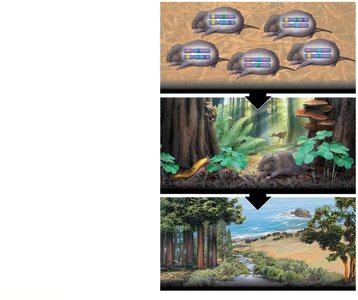
Species Diversity and Conservation Status
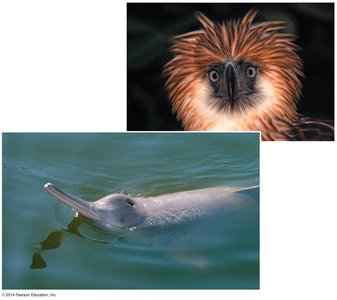
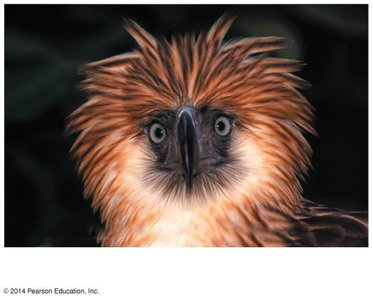
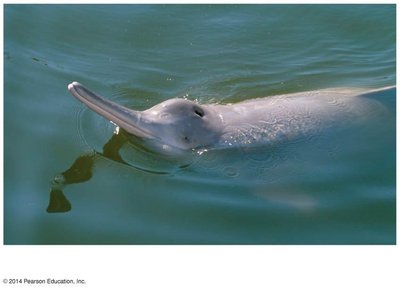
Species diversity is vital for ecosystem function and human welfare. Conservation biologists monitor extinction rates and classify species as endangered or threatened based on their risk of extinction.
Endangered Species: In danger of extinction throughout all or a significant portion of its range.
Threatened Species: Likely to become endangered in the near future.
Global Statistics: 12% of birds and 21% of mammals are threatened with extinction.
Local vs. Global Extinction: Extinction can occur at local or global scales.
Ecosystem Diversity and Human Impact
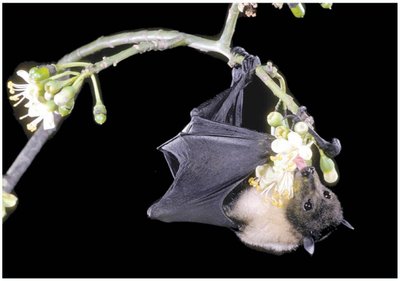
Human activities such as draining wetlands and converting land for agriculture reduce ecosystem diversity. The extinction of one species can negatively affect others, as seen with flying foxes (bats) that are key pollinators and seed dispersers.
Biodiversity and Human Welfare
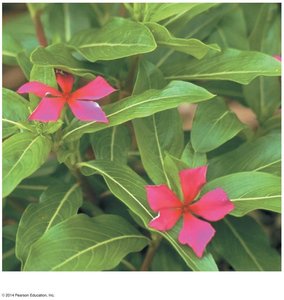
Biodiversity provides practical benefits to humans, including genetic resources for agriculture and medicine. For example, plant breeders have developed virus-resistant rice, and the rosy periwinkle produces alkaloids that inhibit cancer growth.
Genetic Diversity: Source of traits for crop improvement and disease resistance.
Medicinal Plants: 25% of prescriptions in the U.S. contain substances derived from plants.
Ecosystem Services
Ecosystem services are processes through which natural ecosystems sustain human life. These include purification of air and water, waste decomposition, pollination, pest control, and soil preservation. The estimated value of ecosystem services is $33 trillion per year.
Threats to Biodiversity
Major Threats
Most species loss can be attributed to four main threats: habitat loss, introduced species, overharvesting, and global change.
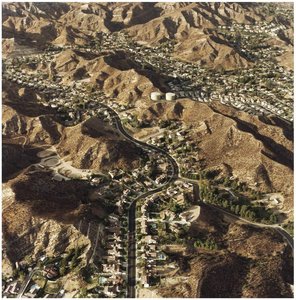
Habitat Loss: Fragmentation and destruction of habitats are the greatest threats to biodiversity.
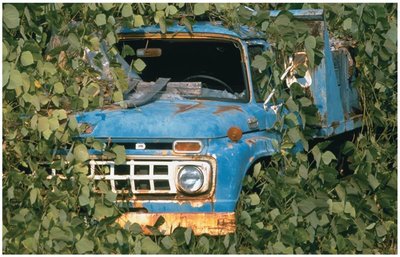
Introduced Species: Species moved by humans to new regions can disrupt native communities.
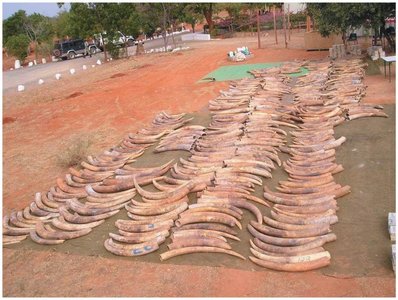
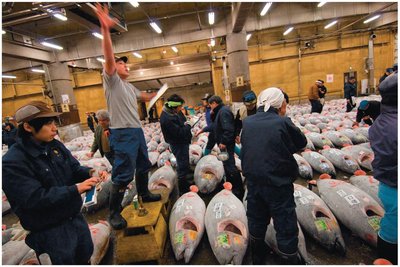
Overharvesting: Harvesting wild plants and animals faster than populations can recover.
Global Change: Includes climate change, acid precipitation, and alterations in ecological systems.
Global Change and Acid Precipitation
Global change includes alterations in climate and atmospheric chemistry. Acid precipitation, with a pH less than 5.2, results from sulfuric and nitric acids produced by burning wood and fossil fuels. It can kill aquatic organisms and damage ecosystems.
Population Conservation Approaches
Small-Population Approach
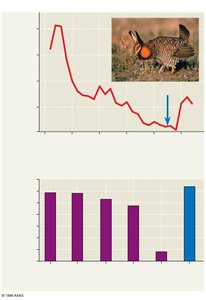
This approach studies processes that make small populations vulnerable to extinction, such as inbreeding and genetic drift, which can lead to an extinction vortex—a downward spiral of reduced genetic variability and adaptability.
Extinction Vortex: Loss of genetic variation reduces evolutionary potential and fitness.
Case Study: Greater prairie chicken populations rebounded after genetic variation was restored.
Minimum Viable Population and Effective Population Size
The minimum viable population (MVP) is the smallest population size at which a species can survive. Effective population size (Ne) is based on the breeding potential of the population and is calculated as:
Formula: , where is the number of breeding females and is the number of breeding males.
Declining-Population Approach
Environmental Factors and Case Studies
This approach focuses on populations showing a downward trend, regardless of size, and emphasizes environmental causes of decline. For example, the red-cockaded woodpecker requires mature pine forests with low undergrowth, and habitat restoration combined with artificial nesting cavities enabled population recovery.
Landscape and Regional Conservation
Fragmentation, Edges, and Corridors
Landscape structure, including habitat fragmentation and ecosystem edges, influences biodiversity. Movement corridors connect isolated patches, promoting dispersal and reducing inbreeding, but may also spread disease.
Protected Areas and Biodiversity Hot Spots
Protected areas and biodiversity hot spots are established to conserve species-rich regions. Zoned reserves include undisturbed areas surrounded by human-modified buffer zones, as seen in Costa Rica and the Florida Keys National Marine Sanctuary.
Human Impact and Sustainable Development
Human Population Growth and Carrying Capacity
The human population is increasing rapidly, though growth rates have slowed. The ecological footprint concept measures the land and water area needed to sustain a nation, helping estimate Earth's carrying capacity.
Sustainable Development
Sustainable development aims to meet current needs without compromising future generations. It requires integrating life sciences, social sciences, economics, and humanities to conserve biodiversity and improve human welfare.
Summary Table: Levels of Biodiversity
Level | Description | Importance |
|---|---|---|
Genetic Diversity | Variation within and between populations | Enables adaptation to environmental changes |
Species Diversity | Variety of species in an ecosystem or biosphere | Maintains community structure and food webs |
Ecosystem Diversity | Variety of ecosystems in the biosphere | Provides life-sustaining services (nutrient cycling, waste decomposition) |
