 Indietro
How Populations Evolve: Evolutionary Mechanisms and Evidence
Guida di studio - Note intelligenti
 Appunti personalizzati basati sui tuoi materiali, ampliati con definizioni chiave, esempi e contesto.
How Populations Evolve
Introduction to Evolutionary Biology
Evolution is the central unifying concept in biology, explaining the diversity of life and the adaptation of organisms to their environments. This chapter explores the mechanisms of evolution, the evidence supporting it, and its impact on populations.
The Diversity of Life and Taxonomy
Taxonomy and Classification
Taxonomy is the branch of biology concerned with identifying, naming, and classifying species.
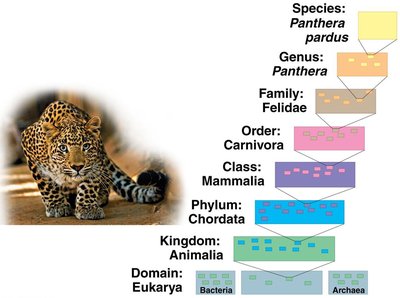
The Linnaean system uses a two-part Latinized name (binomial) for each species: the genus and the species identifier.
Organisms are grouped into a hierarchy: Domain, Kingdom, Phylum, Class, Order, Family, Genus, Species.
Classification helps structure our understanding of biological diversity.
Historical Perspectives on Evolution
The Idea of Fixed Species
Aristotle and Judeo-Christian traditions viewed species as fixed and unchanging.
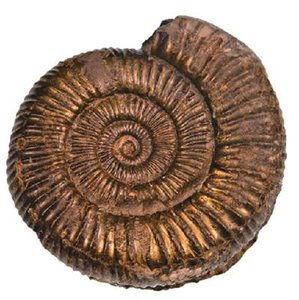
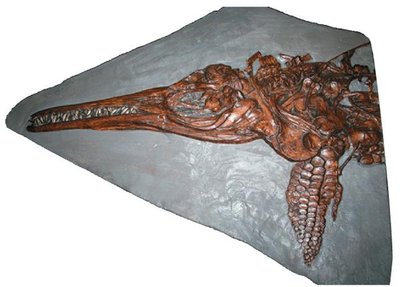
Fossils challenged this view, suggesting that life forms have changed over time.
Lamarck and Evolutionary Adaptations
Jean-Baptiste de Lamarck proposed that life evolves through the refinement of traits that help organisms succeed in their environments.
He incorrectly suggested that acquired traits could be inherited.
Charles Darwin and the Origin of Species
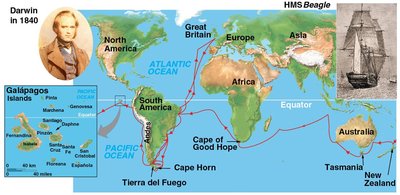
Darwin's voyage on the HMS Beagle provided evidence for evolution by natural selection.
He observed that geographic proximity, not environment, predicted relatedness among species.
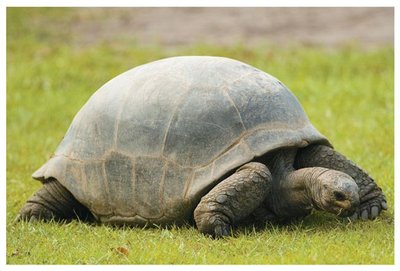
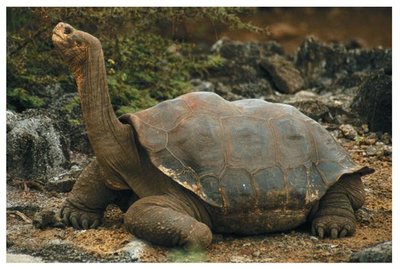
Galápagos Islands provided key insights into adaptation and speciation.
Evidence for Evolution
Fossil Evidence
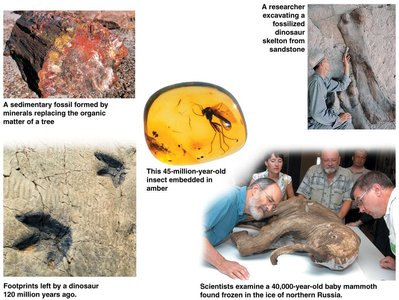
Fossils are imprints or remains of organisms from the past, documenting evolutionary change and extinction.
Fossil types include casts, imprints, and coprolites (fossilized feces).
The fossil record is the ordered sequence of fossils in rock layers, showing the passage of geologic time.
Homologies
Homology is similarity due to common ancestry.
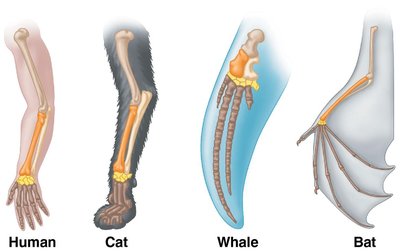
Anatomical homologies include similar bone structures in vertebrate limbs, even if their functions differ.
Molecular homologies are seen in DNA and protein sequences shared among species.
Vestigial structures are remnants of features that served important functions in ancestors.
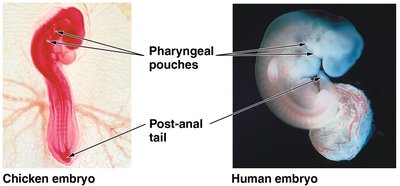
Comparative embryology reveals shared developmental features among vertebrates.
Evolutionary Trees
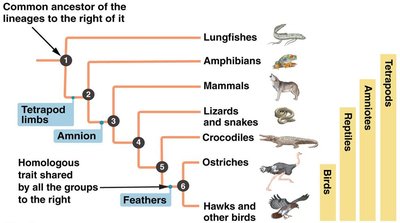
Evolutionary trees illustrate patterns of descent and hypothesize relationships among species.
Homologous structures help determine branching sequences.
Mechanisms of Evolution
Natural Selection
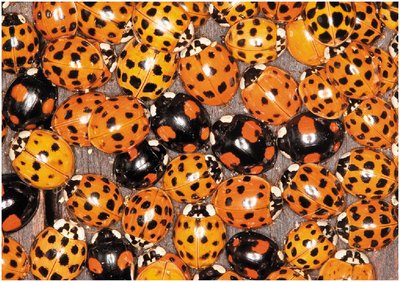
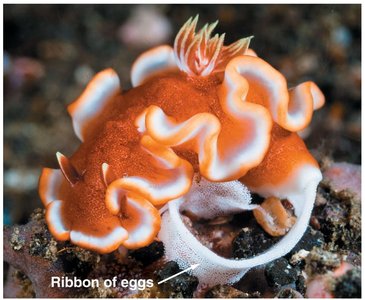
Natural selection is the process by which individuals with advantageous traits survive and reproduce more successfully.
Populations, not individuals, evolve over time as adaptive traits become more common.
Artificial selection (selective breeding) demonstrates how selection can change traits in a population.
Key requirements: variation among individuals and heritability of traits.
Natural Selection in Action
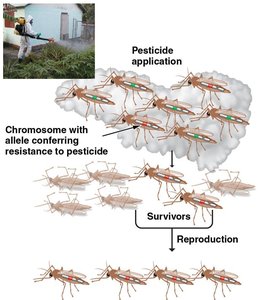
Evolution of pesticide resistance in insects is a clear example of natural selection.
Pesticides do not cause resistance; they select for individuals already possessing resistance alleles.
Sources of Genetic Variation
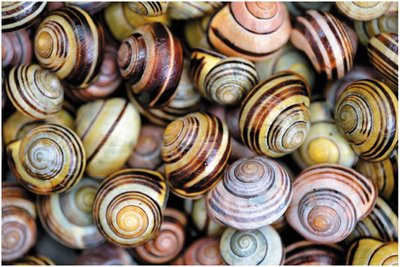
Genetic variation arises from mutations and sexual reproduction.
Only heritable genetic variation is relevant to evolution.
Mutation is the ultimate source of new alleles; sexual reproduction shuffles existing alleles.
Population Genetics
Gene Pools and Hardy-Weinberg Equilibrium
A population is a group of individuals of the same species living in the same area and interbreeding.
The gene pool includes all alleles at all loci in the population.
The Hardy-Weinberg equation describes a non-evolving population: allele and genotype frequencies remain constant.
Hardy-Weinberg equation: where and are the frequencies of two alleles in the population.
Mechanisms of Evolutionary Change
Natural selection: Only mechanism that consistently leads to adaptive evolution.
Genetic drift: Random changes in allele frequencies, especially in small populations.
Bottleneck effect: Drastic reduction in population size reduces genetic diversity.
Founder effect: A few individuals colonize a new area, leading to a new gene pool.
Gene flow: Movement of alleles between populations, reducing differences between them.
Natural Selection: Outcomes and Examples
Modes of Natural Selection
Directional selection: Favors one extreme phenotype.
Disruptive selection: Favors both extreme phenotypes over intermediates.
Stabilizing selection: Favors intermediate phenotypes, reducing variation.
Sexual Selection
Sexual selection favors traits that enhance mating success.
Sexual dimorphism: Distinct differences in appearance between males and females.
Evolution and Human Health
Antibiotic Resistance
Antibiotic resistance evolves through natural selection, as bacteria with resistance genes survive and reproduce.
Overuse and misuse of antibiotics accelerate the evolution of resistant strains, such as MRSA.
Summary Table: Mechanisms of Evolution
Mechanism | Description | Effect on Genetic Variation |
|---|---|---|
Natural Selection | Favors traits that enhance survival and reproduction | Increases adaptation; can reduce or maintain variation |
Genetic Drift | Random changes in allele frequencies | Reduces variation, especially in small populations |
Gene Flow | Exchange of alleles between populations | Reduces differences between populations |
Mutation | Random changes in DNA sequence | Creates new alleles, increasing variation |
Additional info: This guide integrates foundational concepts from evolutionary biology, population genetics, and the evidence supporting evolution, as presented in Campbell Essential Biology, Chapter 13.
