 Indietro
Inside the Cell: Structure and Function of Organelles
Guida di studio - Note intelligenti
 Appunti personalizzati basati sui tuoi materiali, ampliati con definizioni chiave, esempi e contesto.
Inside the Cell: Structure and Function of Organelles
Overview of Cellular Structure
Cells are the fundamental units of life, and their internal structures collaborate to produce the properties of living organisms. This chapter explores the organization of cells, focusing on the differences between prokaryotic and eukaryotic cells, and the specialized organelles within eukaryotes.
Cell Types: Cells are classified as prokaryotic or eukaryotic based on morphology and evolutionary history.
Domains of Life: Organisms are divided into three domains: Bacteria (prokaryotic), Archaea (prokaryotic), and Eukarya (eukaryotic).
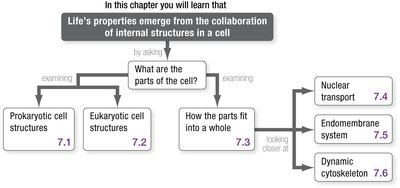
Cellular Collaboration: Internal cell structures work together to enable processes such as nuclear transport, endomembrane system function, and cytoskeletal dynamics.
Plasma Membrane and Cytoplasm
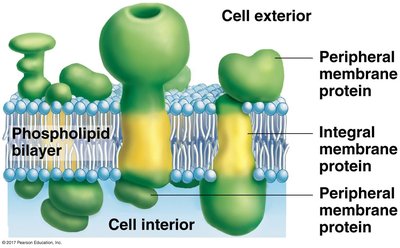
The plasma membrane is a universal feature of all cells, separating the cell from its environment and maintaining a distinct internal environment. It consists of a phospholipid bilayer embedded with proteins.
Phospholipid Bilayer: Provides structural integrity and selective permeability.
Membrane Proteins: Include integral and peripheral proteins, which perform functions such as transport, signaling, and structural support.
Cytoplasm vs. Cytosol: The cytoplasm includes all cellular contents within the membrane, while the cytosol is the fluid portion.
Ribosomes: Universal Macromolecular Machines
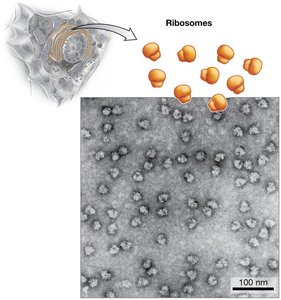
Ribosomes are found in all cells and are responsible for protein synthesis. They are composed of RNA and proteins and can function as ribozymes.
Function: Translate mRNA into polypeptides.
Structure: Consist of large and small subunits.
Location: Free in cytoplasm or attached to the endoplasmic reticulum in eukaryotes.
Prokaryotic Cell Structure
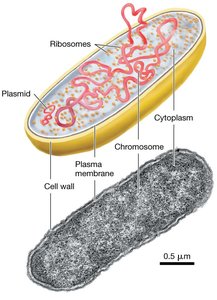
Prokaryotic cells, including bacteria and archaea, are characterized by their simplicity and lack of membrane-bound organelles. Their genetic material is located in a nucleoid region.
Chromosome: Single, circular DNA molecule.
Plasmids: Small, circular DNA molecules that may carry additional genes.
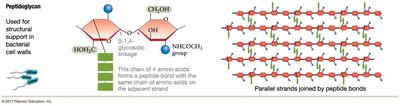
Cell Wall: Provides structural support; in bacteria, composed of peptidoglycan.
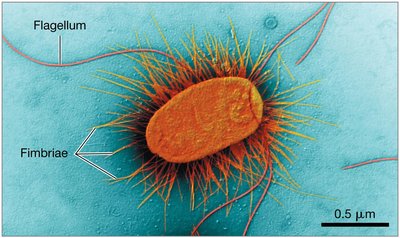
External Structures: Flagella for movement, fimbriae for attachment.
Eukaryotic Cell Structure and Diversity
Eukaryotic cells are highly diverse, ranging from microscopic algae to large multicellular organisms. They contain numerous membrane-bound organelles that compartmentalize cellular functions.
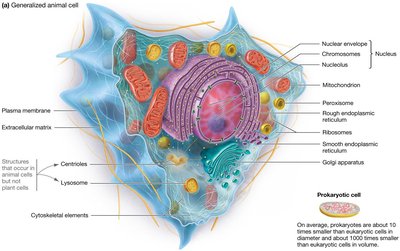
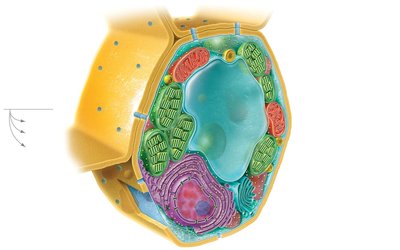
Organelles: Specialized structures such as the nucleus, endoplasmic reticulum, Golgi apparatus, mitochondria, and chloroplasts.
Compartmentalization: Increases efficiency by separating incompatible reactions and facilitating molecular diffusion.
Diversity: Includes protists, fungi, plants, and animals; may be unicellular or multicellular.
The Nucleus: Information Storage and Transmission
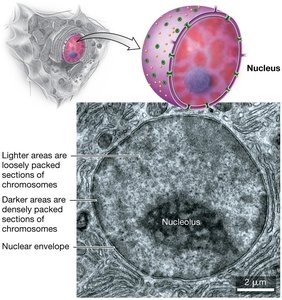
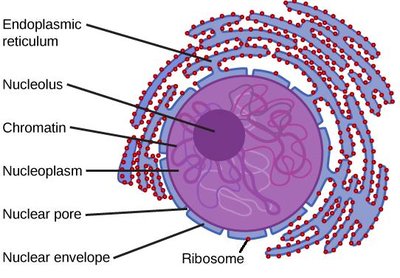
The nucleus is the control center of eukaryotic cells, storing genetic information and coordinating cellular activities. It is surrounded by a nuclear envelope and contains the nucleolus.
Nuclear Envelope: Double membrane with pores for transport.
Nucleolus: Site of ribosome synthesis.
Chromosomes: DNA organized into chromatin.
Endoplasmic Reticulum (ER)
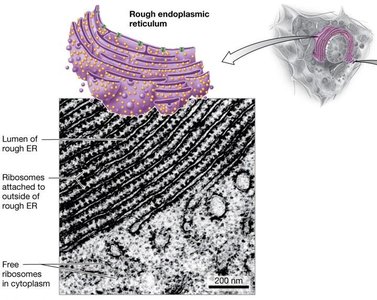
The ER is a network of membranes continuous with the nuclear envelope. It is divided into rough and smooth regions, each with distinct functions.
Rough ER: Studded with ribosomes; synthesizes proteins for secretion or membrane insertion.
Smooth ER: Lacks ribosomes; synthesizes and breaks down lipids, detoxifies molecules, and stores calcium ions.
Golgi Apparatus
The Golgi apparatus processes, sorts, and ships proteins synthesized in the ER. It consists of stacked cisternae with structural polarity (cis and trans sides).
Function: Modifies proteins and lipids, packages them into vesicles for transport.
Structural Polarity: Cis side receives vesicles from ER; trans side ships them out.
Lysosomes
Lysosomes are recycling centers found only in animal cells. They digest macromolecules and export monomers to the cytosol. Their enzymes function at low pH.
Acid Hydrolases: Enzymes that break down biomolecules.
Low pH: Maintained for optimal enzyme activity.
Endomembrane System
The endomembrane system includes the ER, Golgi apparatus, and lysosomes. It is responsible for producing, processing, and transporting proteins and lipids within the cell.
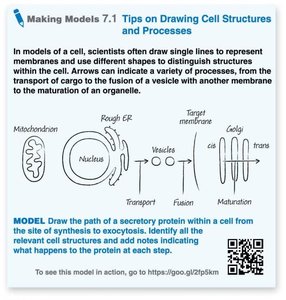
Protein Processing: Proteins are synthesized in the ER, processed in the Golgi, and shipped to lysosomes or other destinations.
Acid Hydrolase Pathway: Synthesized in ER, processed in Golgi, shipped to lysosomes.
Vacuoles
Vacuoles are large, membrane-bound structures found in plants and fungi. They serve functions such as storage, protection, and digestion.
Storage: Store water, ions, and nutrients.
Protection: May contain toxic compounds to deter herbivores.
Digestion: Some vacuoles are specialized for breaking down substances.
Mitochondria
Mitochondria are the major site of cellular respiration and ATP synthesis in eukaryotic cells. They have two membranes and their own DNA and ribosomes.
Cellular Respiration: Catabolic reactions occur in the matrix, producing ATP.
Endosymbiosis Theory: Mitochondria originated from a bacterial cell living inside another cell.
Chloroplasts
Chloroplasts are found in plants and algae and are the site of photosynthesis. They have two outer membranes and a third membrane forming thylakoids.
Photosynthesis: Conversion of light energy to chemical energy (sugars).
Stroma: Location of sugar synthesis.
Own DNA and Ribosomes: Supports endosymbiosis theory.
Cell Structure and Function Correlation
Eukaryotic cells have different structures and compositions based on their function. Cells are dynamic, constantly producing and moving molecules, and their structure is closely tied to their role in the organism.
Dynamic Cytoskeleton: Provides structural support and facilitates movement.
Specialization: Cells may specialize for storage, movement, energy production, or other functions.
Summary Table: Eukaryotic Cell Components
The following table summarizes the main components of eukaryotic cells and their functions:
Organelle | Main Function |
|---|---|
Nucleus | Stores genetic information, coordinates cell activities |
Ribosomes | Protein synthesis |
Rough ER | Synthesizes proteins for secretion/membrane |
Smooth ER | Lipid synthesis, detoxification, Ca2+ storage |
Golgi Apparatus | Processes, sorts, ships proteins and lipids |
Lysosomes | Digestion and recycling (animal cells only) |
Vacuoles | Storage, protection, digestion (plants/fungi) |
Mitochondria | ATP synthesis, cellular respiration |
Chloroplasts | Photosynthesis (plants/algae) |
Cytoskeleton | Structural support, movement |
How Molecules Move Within the Cell
Molecules are transported within the cell via vesicles, cytoskeletal elements, and membrane systems. The endomembrane system is central to the movement of proteins and lipids.
Vesicle Transport: Proteins synthesized in the ER are packaged into vesicles, processed in the Golgi, and shipped to their destination.
Cytoskeleton: Provides tracks for vesicle movement.
Additional info: The notes above expand on brief points from the original materials, providing academic context and definitions for key terms, and summarizing the main functions of each organelle for clarity and completeness.
