 Indietro
Inside the Cell: Structure and Function of Cellular Components
Guida di studio - Note intelligenti
 Appunti personalizzati basati sui tuoi materiali, ampliati con definizioni chiave, esempi e contesto.
Inside the Cell
Overview of Cellular Organization
Cells are the fundamental units of life, and their internal structure is essential for understanding biological function. There are two broad groupings of life based on cell structure: prokaryotes and eukaryotes. Prokaryotes lack a membrane-bound nucleus, while eukaryotes possess such a nucleus. Evolutionarily, prokaryotes are divided into Bacteria and Archaea, with Eukarya representing eukaryotic organisms.
Prokaryotes: No membrane-bound nucleus; include Bacteria and Archaea.
Eukaryotes: Have a membrane-bound nucleus and organelles.
Prokaryotic Cell Structure
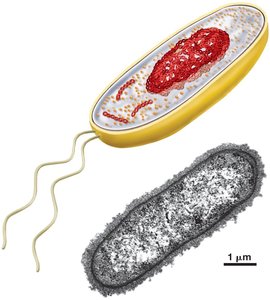
Prokaryotic cells are characterized by a plasma membrane, cytoplasm, and a tough cell wall. They contain few internal membrane-bound structures, but possess essential components for survival and function.
Plasma membrane: Surrounds the cytoplasm, controlling entry and exit of substances.
Cell wall: Provides protection, shape, and structural support.
Ribosomes: Sites of protein synthesis.
Plasmids: Small, circular DNA molecules.
Flagellum: Enables motility.
Chromosome: Contains genetic material, often supercoiled for efficient packaging.
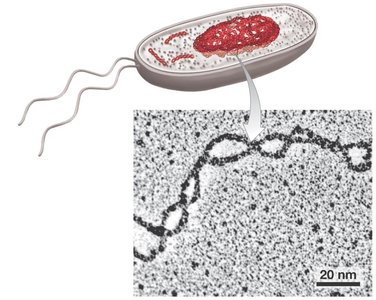
Bacterial DNA Supercoiling
Bacterial DNA is supercoiled, allowing long DNA molecules to fit inside the small cell volume. Supercoiling is a structural adaptation for efficient storage and accessibility of genetic information.
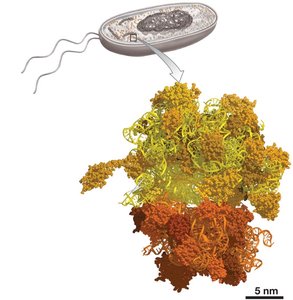
Bacterial Ribosome Structure
Ribosomes are protein-RNA complexes responsible for protein synthesis. In prokaryotes, ribosomes are free in the cytoplasm and are essential for translating genetic information into functional proteins.
Comparison: Eukaryotes vs. Prokaryotes
Eukaryotic cells differ from prokaryotic cells in several key ways:
Nucleus: Eukaryotes have a membrane-bound nucleus; prokaryotes do not.
Size: Eukaryotic cells are typically larger.
Internal membranes: Eukaryotes have extensive internal membrane systems.
Cytoskeleton: Eukaryotes possess a dynamic cytoskeleton for structural support and movement.
Eukaryotic Cell Structure
Eukaryotic cells contain specialized, membrane-bound organelles that compartmentalize cellular functions, increasing efficiency and allowing for complex biochemical processes.
Organelles: Membrane-bound structures with specific functions (e.g., nucleus, mitochondria, chloroplasts).
Divided cytoplasm: Separation of incompatible reactions and grouping of enzymes/substrates.
Animal and Plant Cells
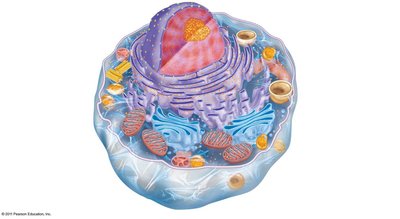
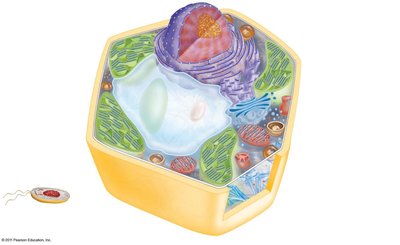
Animal and plant cells share many organelles but also have unique structures. Plant cells have a cell wall, chloroplasts, and a large central vacuole, while animal cells have centrioles and lysosomes.
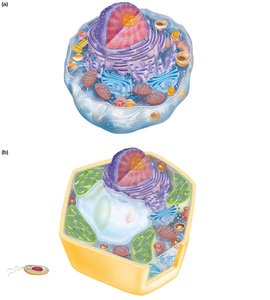
Animal Cell Structure
Plant Cell Structure
Summary Table: Eukaryotic Cell Components
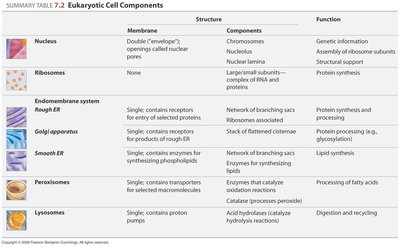
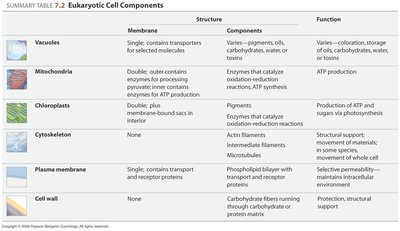
The following tables summarize the structure and function of key eukaryotic cell components:
Organelle | Membrane | Components | Function |
|---|---|---|---|
Nucleus | Double (envelope), openings called nuclear pores | Chromosomes, nucleolus, nuclear lamina | Genetic information, assembly of ribosome subunits, structural support |
Ribosomes | None | Large/small subunits, RNA and proteins | Protein synthesis |
Rough ER | Single, contains receptors for entry of selected proteins | Network of branching sacs, ribosomes associated | Protein synthesis and processing |
Golgi apparatus | Single, contains receptors for products of rough ER | Stack of flattened cisternae | Protein processing (e.g., glycosylation) |
Smooth ER | Single, contains enzymes for synthesizing phospholipids | Network of branching sacs, enzymes for synthesizing or breaking down lipids | Lipid synthesis |
Peroxisomes | Single, contains transporters for selected macromolecules | Enzymes that catalyze oxidation reactions | Processing of fatty acids |
Lysosomes | Single, contains proton pumps | Acid hydrolases (catalyze hydrolysis reactions) | Digestion and recycling |
Organelle | Membrane | Components | Function |
|---|---|---|---|
Vacuoles | Single, contains transporters for selected molecules | Varies—pigments, oils, carbohydrates, water, or toxins | Varies—coloration, storage of oils, carbohydrates, water, or toxins |
Mitochondria | Double, outer contains enzymes for processing pyruvate; inner contains enzymes for ATP production | Enzymes that catalyze oxidation-reduction reactions, ATP synthase | ATP production |
Chloroplasts | Double, plus membrane-bound sacs in interior | Pigments, enzymes that catalyze oxidation-reduction reactions | Production of ATP and sugars via photosynthesis |
Cytoskeleton | None | Actin filaments, microtubules, intermediate filaments | Structural support, movement of materials, cell movement |
Plasma membrane | Single, contains transporters for selected molecules | Phospholipid bilayer with transport and receptor proteins | Selective permeability, maintains intracellular environment |
Cell wall | None | Carbohydrate fibers running through carbohydrate or protein matrix | Protection, structural support |
The Nucleus
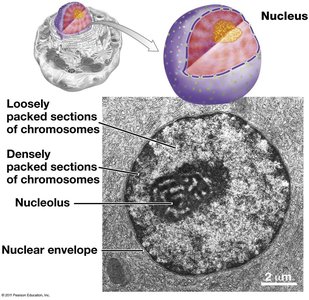
The nucleus is the information center of the cell, surrounded by a double-membrane nuclear envelope. It contains chromosomes and a distinct region called the nucleolus, which is the site of ribosomal RNA synthesis.
Information storage and processing: Contains genetic material.
Ribosomal RNA synthesis: Occurs in the nucleolus.
Endoplasmic Reticulum (ER)
Rough ER
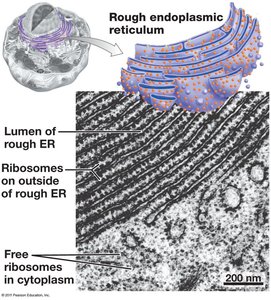
The rough ER is a network of membrane-bound tubes and sacs studded with ribosomes. It is continuous with the nuclear envelope and is involved in protein synthesis, folding, and processing.
Protein synthesis: Ribosomes on rough ER synthesize proteins for insertion into membranes, secretion, or delivery to organelles.
Protein processing: Occurs in the ER lumen.
Smooth ER
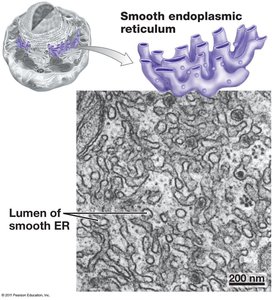
The smooth ER lacks ribosomes and is involved in lipid synthesis, detoxification, and calcium ion storage.
Lipid synthesis: Enzymes synthesize fatty acids and phospholipids.
Detoxification: Breaks down poisonous lipids.
Calcium storage: Acts as a reservoir for Ca2+ ions.
Golgi Apparatus
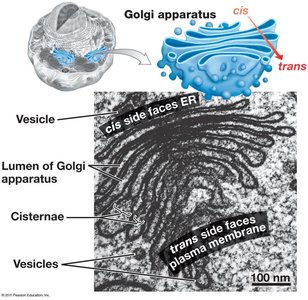
The Golgi apparatus is a series of stacked, flat membranous sacs called cisternae. It processes, sorts, and ships proteins synthesized in the rough ER via vesicles.
Protein processing: Modifies proteins (e.g., glycosylation).
Sorting and shipping: Vesicles transport materials to and from the Golgi.
Ribosomes
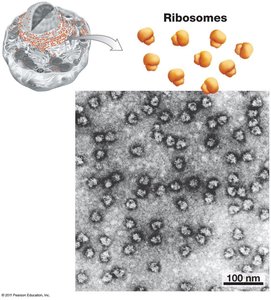
Ribosomes are non-membranous structures composed of RNA and protein. They can be free in the cytosol or attached to the rough ER, and are responsible for protein synthesis.
Protein synthesis: Translation of mRNA into polypeptides.
Peroxisomes
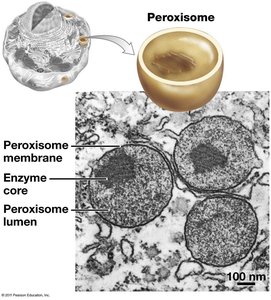
Peroxisomes are globular organelles bound by a single membrane. They are centers of oxidation reactions, breaking down fatty acids and detoxifying harmful substances.
Oxidation reactions: Breakdown of fatty acids and toxins.
Glyoxysomes: Specialized peroxisomes in plants for fat oxidation.
Lysosomes
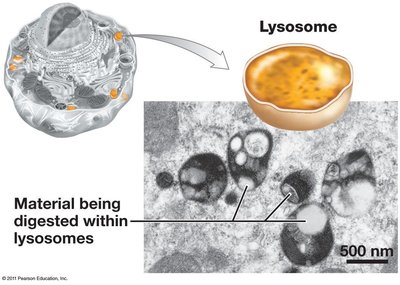
Lysosomes are single-membrane-bound structures containing digestive enzymes. They are found in animal cells and are used for digestion and waste processing.
Digestion: Breakdown of nucleic acids, carbohydrates, lipids, and proteins.
Waste processing: Recycling of cellular components.
Hydrolases: Enzymes with optimal pH of 5.0.
Delivery of Materials to Lysosomes
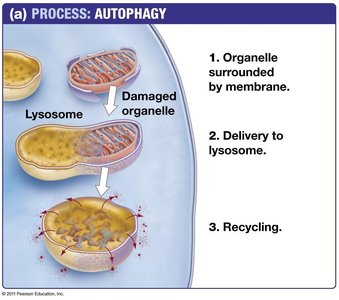
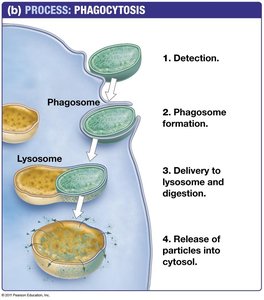
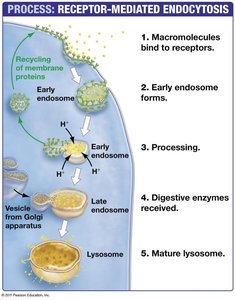
Materials are delivered to lysosomes by three processes: phagocytosis, autophagy, and receptor-mediated endocytosis. These processes enable the cell to digest and recycle various substances.
Phagocytosis: Engulfment of foreign particles.
Autophagy: Degradation of damaged organelles.
Receptor-mediated endocytosis: Uptake of specific molecules via receptors.
Vacuoles
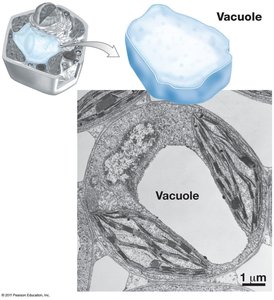
Vacuoles are large membrane-bound structures found in plants and fungi. They serve as storage sites for water, ions, and other substances, and may contain digestive enzymes.
Storage: Water, ions, proteins, pigments, and toxins.
Digestion: Replacement for lysosomes in plants and fungi.
Mitochondria
Mitochondria are double-membraned organelles with their own DNA and ribosomes. Their primary function is ATP production through cellular respiration.
ATP production: Core function of mitochondria.
Maternal inheritance: Mitochondrial DNA is inherited from the mother.
Chloroplasts
Chloroplasts are found in plant and algal cells. They have a double membrane and contain thylakoids stacked into grana. Chloroplasts convert light energy to chemical energy via photosynthesis.
Photosynthesis: Conversion of light energy to sugars.
Thylakoids and grana: Sites of light-dependent reactions.
Cell Wall
Fungi, algae, and plants have a stiff cell wall for protection and structural support. The primary component is cellulose in plants and algae, and chitin in fungi. Some plants have a secondary cell wall containing lignin.
Cytoskeleton
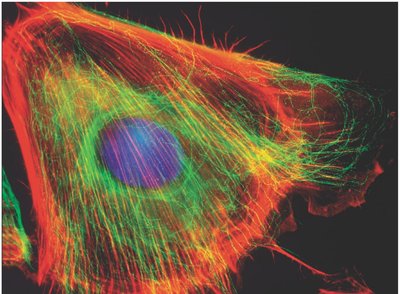
The cytoskeleton is composed of protein fibers that provide shape, structural stability, and facilitate movement and transport within the cell. It organizes organelles and cellular structures into a cohesive whole.
Cell Structure and Function
The membrane composition and enzyme content of organelles correlate with their function. The type, size, and number of organelles in each cell differ depending on the cell's function. Cells are dynamic, with interacting parts and constantly moving molecules.
Pancreatic cells: Packed with ER and Golgi for enzyme export.
Testis cells: Packed with smooth ER for lipid-soluble signal export.
Leaf cells: Packed with chloroplasts for ATP and sugar production.
Root cells: Packed with vacuoles for starch storage.
Protein Trafficking and Sorting
Proteins synthesized on free ribosomes or ER-bound ribosomes are sorted to their final destinations based on signal sequences. The signal hypothesis explains how proteins are directed to the endomembrane system or other organelles.
Free ribosomes: Proteins remain in cytosol or are targeted to nucleus, mitochondria, or peroxisomes.
ER-bound ribosomes: Proteins enter endomembrane system for secretion, membrane insertion, or delivery to lysosomes.
Signal sequences: Direct proteins to specific locations (e.g., ER, nucleus, mitochondria).
Example: Proteins with a nuclear localization signal (NLS) are imported into the nucleus; proteins with an ER signal sequence are directed to the ER.
Endomembrane System
The endomembrane system is a set of interconnected membranes that produce, modify, package, and deliver proteins to their correct locations. It includes the nucleus, ER, Golgi, lysosome, peroxisome, and plasma membrane.
Protein synthesis: Occurs in rough ER.
Processing: Occurs in Golgi apparatus.
Delivery: Proteins are sorted into vesicles and transported to their destinations.
Transmembrane Protein Targeting
Transmembrane proteins contain signal-anchor sequences that direct their insertion into the ER membrane. These proteins can remain in the ER membrane or be transported to the plasma membrane, serving as channels, pumps, receptors, or enzymes.
Signal-anchor sequence: Hydrophobic region that anchors protein in membrane.
Vesicle transport: Proteins remain embedded in membrane during transport.
Summary: Protein Sorting
Protein sorting is determined by the presence or absence of signal sequences:
ER signal sequence: Directs protein to endomembrane system.
No signal: Protein remains in cytosol.
NLS: Protein imported into nucleus.
Mitochondrial targeting sequence: Protein imported into mitochondria.
PTS: Protein imported into peroxisome.
Additional info: The cell uses molecular "zip codes" to ensure proteins reach their correct destinations, and free ribosomes are interchangeable; the information in the protein itself determines its localization.
