 Indietro
Introduction to Animals: Structure, Function, and Diversification
Guida di studio - Note intelligenti
 Appunti personalizzati basati sui tuoi materiali, ampliati con definizioni chiave, esempi e contesto.
Introduction to Animals
Overview of Animal Characteristics
Animals are a diverse group of multicellular organisms distinguished by several key features. Understanding these characteristics is fundamental to the study of animal biology and evolution.
Multicellularity: All animals are composed of multiple cells that work together to perform complex functions.
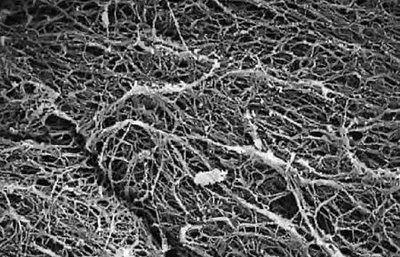
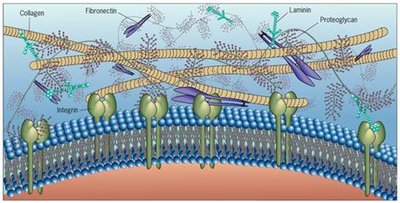
Extracellular Matrix Made of Collagen: Collagen is a structural protein forming an elastic connective tissue present in skin, muscles, cartilage, and bones. It is one of the most common proteins in animal bodies.
Heterotrophy: Animals obtain energy by consuming other organisms, rather than producing their own food via photosynthesis.
Movement: Most animals possess muscle and nervous tissue, enabling movement for finding food, mates, escaping predators, and dispersing to new habitats. Sponges are an exception, lacking these tissues.
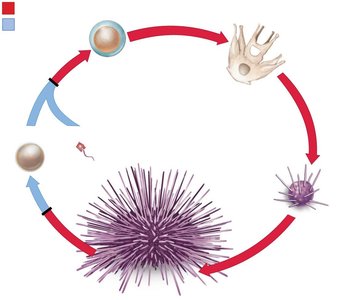
Diploid Life Cycle: Most animals are diploid (2n) with haploid (n) gametes. Fertilization produces a diploid zygote, which develops into a juvenile and then an adult.
Development via Blastula: Early embryonic development includes the formation of a blastula, a hollow ball of cells, which allows for tissue differentiation.
Feeding Strategies and Ecological Roles
Animals exhibit a wide range of feeding strategies and ecological roles, contributing to ecosystem diversity and function.
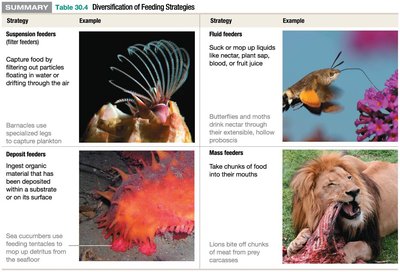
Feeding Strategies: Include suspension feeders, deposit feeders, fluid feeders, and mass feeders. Each strategy is adapted to specific environmental conditions and food sources.
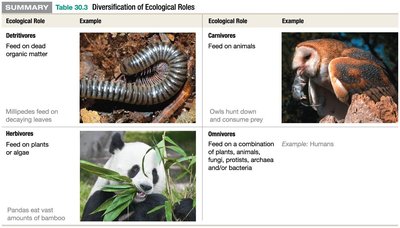
Ecological Roles: Animals may be detritivores (feed on dead organic matter), carnivores (feed on animals), herbivores (feed on plants or algae), or omnivores (feed on a combination of sources).
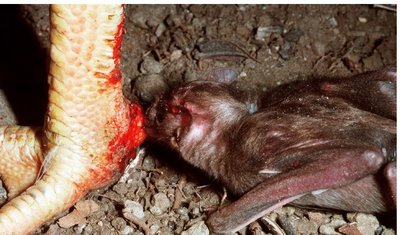
Example: Vampire bats are fluid feeders and carnivores, consuming blood from other animals.
Animal Life Cycles and Metamorphosis
Life Cycle Stages
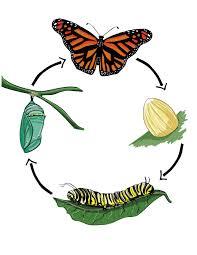
Animal life cycles typically involve several distinct stages, including zygote, larva, juvenile, and adult. Metamorphosis is a process where massive morphological changes occur between juvenile and adult stages.
Metamorphosis: Allows juveniles and adults to occupy different ecological niches, reducing competition and enabling movement for species that are sessile as adults.
Animal Categorization
Body Symmetry
Body symmetry is a key feature used to categorize animals. It refers to the arrangement of body parts around a central axis.
Asymmetry: No symmetry (e.g., sponges).
Radial Symmetry: Body parts arranged around a central axis (e.g., jellyfish).
Bilateral Symmetry: Body has left and right sides that are mirror images (e.g., humans).
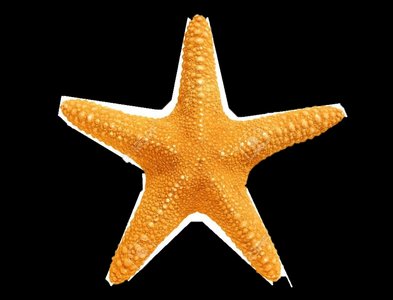
Pentaradial Symmetry: Five-part symmetry (e.g., starfish).
Tissue Layers
Animals are classified based on the number of tissue layers formed during embryonic development.
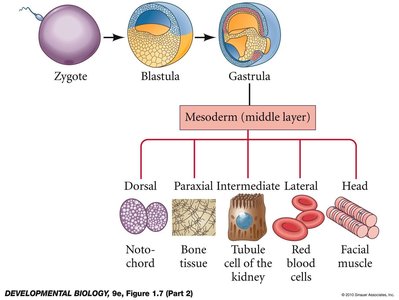
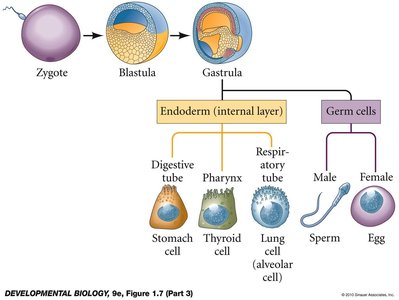
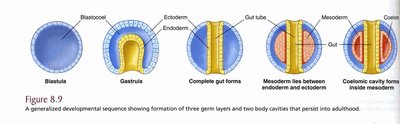
Ectoderm: Forms external layers (epidermis).
Endoderm: Forms internal tissue lining (gut).
Mesoderm: Forms musculature and lining of body cavity.
No tissue layers: Porifera (sponges).
Diploblastic: Two layers (ecto- and endoderm).
Triploblastic: All three germ layers.
Gut Type (Digestive Tract Organization)
The organization of the digestive tract is another important categorization criterion.
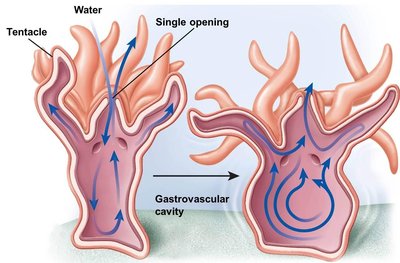
Incomplete/Blind Gut: One opening for both ingestion and excretion; food moves in two directions.
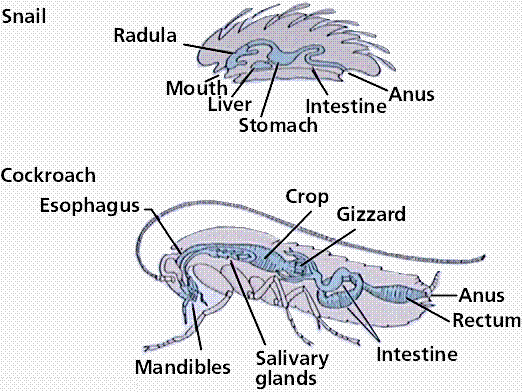
Complete Gut: Two openings (mouth and anus); food moves in one direction.
Processing Gut: Specialized regions perform different tasks (e.g., humans).
Body Cavity Type (Coelom)
The presence and type of body cavity (coelom) is a major feature in animal classification.
Coelomate: Enclosed body cavity completely lined with mesoderm.
Acoelomate: No enclosed body cavity.
Pseudocoelomate: Enclosed body cavity partially lined with mesoderm.
Type | Body Cavity | Mesoderm Lining |
|---|---|---|
Coelomate | Present | Complete |
Acoelomate | Absent | None |
Pseudocoelomate | Present | Partial |
Nervous System Organization & Cephalization
The evolution of the nervous system and cephalization (concentration of nervous and sensory tissue at one end) are key innovations in animal evolution.
Diffuse Nerve Net: Early animals had a simple, diffuse network of neurons.
Central Nervous System: Later animals evolved a centralized brain and connected nerve system.
Cephalization: Associated with bilateral symmetry, it allows animals to move forward and sense their environment efficiently.
Animal Diversification and Evolution
Causes of Animal Diversification
The Cambrian explosion marked a rapid diversification of animal life, driven by several key factors.
High Oxygen Levels: Increased atmospheric oxygen enabled more efficient aerobic respiration, supporting larger and more active animals.
Food Availability: Greater food resources led to the evolution of diverse feeding strategies.
Predation: The emergence of predation drove the evolution of protective structures, rapid movement, and advanced sensory organs.
New Niches: The ability to move off the ocean floor allowed animals to exploit new resources, leading to further diversification.
Genetic Toolkit: The evolution of developmental regulatory genes (e.g., Hox genes) enabled major changes in body organization without large changes to the genome.
Developmental Regulatory Genes and Hox Genes
Developmental regulatory genes, such as Hox genes, play a crucial role in animal development by determining the placement of body parts.
Hox Genes: Highly conserved across species, these genes specify the arrangement of body segments and structures.
Genetic Homology: Similar structures can evolve independently in different groups (homoplasy), but the underlying genes are homologous, having evolved early in animal evolution.
Summary of Animal Evolution
Animal evolution is a complex process, with key innovations arising gradually and ongoing evolutionary changes within every lineage.
Take Home Message: Animal evolution is not a simple progression from 'simple to complex.' Innovations arose at different times, and evolution continues in all animal groups.
