Indietro
Introduction to Biology: Themes and Organization
Guida di studio - Note intelligenti
 Appunti personalizzati basati sui tuoi materiali, ampliati con definizioni chiave, esempi e contesto.
Introduction to Biology
What is Biology?
Biology is the scientific study of life and living organisms. It seeks to understand what living things are made of, how they function, how they grow and change, and how they interact with each other and their environments. The scope of biology ranges from the molecular level to the entire biosphere.
Major Themes in Biology
Overview of Themes
Organization: Biological systems are structured in hierarchical levels, from molecules to the biosphere.
Information: Life processes depend on the storage, transmission, and use of information, primarily in the form of genetic material (DNA).
Energy and Matter: Living systems require energy and matter to grow, develop, and maintain organization.
Interactions: Organisms interact with each other and with their environment at all levels of organization.
Evolution: Populations of organisms change over generations, leading to the diversity and unity of life.
Organization in Biology
Levels of Biological Organization
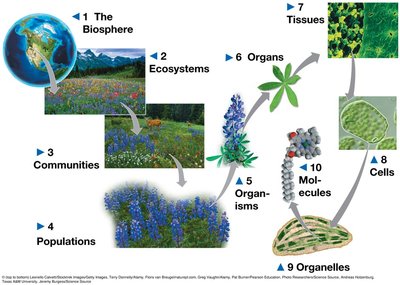
Biological organization can be understood as a hierarchy of levels, each with emergent properties that arise from the interactions of components at the lower level.
Molecules: Chemical building blocks of life (e.g., DNA, proteins, lipids, carbohydrates).
Organelles: Specialized structures within cells (e.g., mitochondria, nucleus).
Cells: The basic unit of life; can be unicellular or multicellular.
Tissues: Groups of similar cells performing a specific function.
Organs: Structures composed of different tissues working together.
Organ Systems: Groups of organs that perform major body functions.
Organisms: Individual living beings.
Populations: Groups of organisms of the same species in an area.
Communities: Different populations living and interacting in an area.
Ecosystems: Communities and their physical environment.
Biosphere: All ecosystems on Earth.
Emergent Properties
At each higher level of organization, new properties emerge that are not present at the lower level. These emergent properties result from the interactions and arrangement of parts.
Example: A single heart cell can contract, but the heart as an organ can pump blood due to the coordinated action of many cells.
Example: An ecosystem exhibits nutrient cycling and energy flow, which are not properties of individual organisms alone.
Structure and Function
There is a close relationship between the structure of a biological component and its function. Analyzing structure provides clues about its role in the organism.
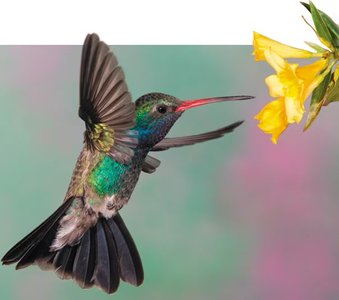
Example: The long, slender beak of a hummingbird is adapted for feeding on nectar deep within flowers.
Example: The shape of red blood cells increases surface area and allows them to move through small blood vessels efficiently.
Information in Biology
Genetic Information
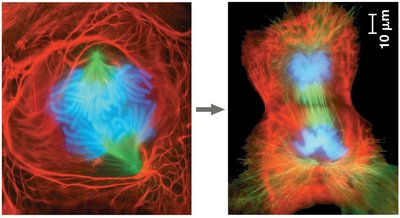
Information is central to life’s processes. Genetic information, stored in DNA, provides the instructions for building and maintaining an organism. During cell division, this information is faithfully copied and passed to new cells, ensuring continuity of life.
DNA: The molecule that stores genetic instructions.
Inheritance: Transmission of genetic information from one generation to the next.
Energy and Matter
Energy Flow
All living organisms require energy to power processes such as growth, repair, and movement. Energy enters ecosystems as sunlight, is captured by producers (plants), and flows through food chains. Eventually, energy is lost as heat and cannot be recycled.
Producers: Organisms (like plants) that capture energy from sunlight.
Consumers: Organisms that obtain energy by eating other organisms.
Decomposers: Organisms that break down dead material, returning nutrients to the environment.

Matter Cycling
Matter, such as carbon, nitrogen, and oxygen, cycles between living organisms and the environment. Unlike energy, matter is reused and recycled through processes like the carbon and nitrogen cycles.
Biogeochemical cycles: Pathways by which elements move through ecosystems.

Interactions in Biology
Interactions at All Levels
Life involves interactions at every level of organization. Molecules interact within cells, cells communicate, organs depend on each other, and organisms interact with both living and non-living components of their environment.
Mutualism: Both species benefit from the interaction.
Parasitism: One species benefits, the other is harmed.
Predation: One organism kills and eats another.
Competition: Both species are negatively affected by sharing a limited resource.
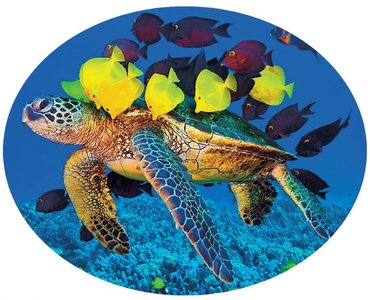
Evolution
Evolution and Common Ancestry
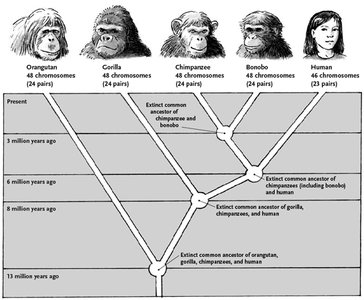
Evolution is the process by which populations change over generations through heritable traits. Over long periods, evolution produces both similarities and differences among organisms. All living organisms are connected through common ancestry, and species with a more recent common ancestor are more closely related.
Descent with modification: Species change over time, giving rise to new species.
Phylogeny: The evolutionary history and relationships among species.

Evolution and Divergence
Populations can accumulate changes independently, leading to divergence and the formation of new species. This process contributes to the vast diversity of life observed on Earth.
Divergence: The accumulation of differences between populations, often leading to speciation.