 Indietro
Introduction to Carbohydrates: Structure, Function, and Biological Roles
Guida di studio - Note intelligenti
 Appunti personalizzati basati sui tuoi materiali, ampliati con definizioni chiave, esempi e contesto.
Introduction to Carbohydrates
Overview of Carbohydrates
Carbohydrates are essential biomolecules that play critical roles in energy storage, cell structure, and cell recognition. Their diverse functions are determined by their molecular structure and the way their monomers are linked together.
Monosaccharides: Simple sugars, the basic monomer units of carbohydrates.
Oligosaccharides: Short chains of monosaccharide units.
Polysaccharides: Long chains (polymers) of monosaccharide units.
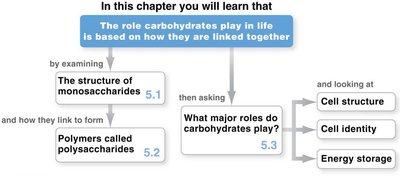
Structure of Monosaccharides
Monosaccharide Structure and Variability
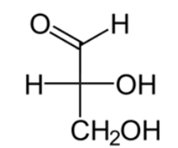
Monosaccharides are the simplest carbohydrates and serve as building blocks for more complex carbohydrates. Their structure varies in four main ways:
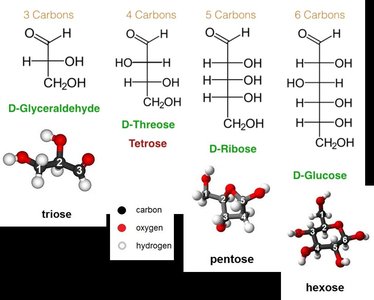
Number of carbon atoms: Trioses (3C), tetroses (4C), pentoses (5C), hexoses (6C).
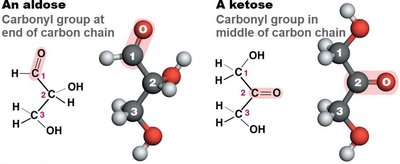
Location of the carbonyl group: Aldoses (carbonyl at the end), ketoses (carbonyl in the middle).
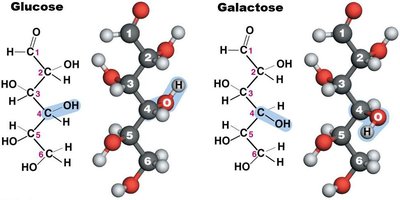
Arrangement of hydroxyl groups: Different spatial arrangements create distinct sugars.
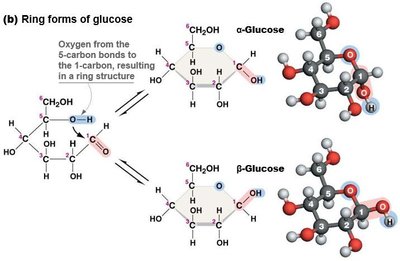
Linear vs. ring forms: In aqueous solutions, most monosaccharides form rings.
Chemical Formula and Functional Groups
The general formula for carbohydrates is . Key functional groups include:
Carbonyl group (C=O)
Hydroxyl groups (C–OH)
Multiple C–H bonds
These groups make carbohydrates polar and hydrophilic.
Ring Formation and Isomerism
Monosaccharides with five or more carbons typically form ring structures in aqueous solutions. The ring can form in different orientations, leading to alpha (α) and beta (β) isomers.
Biological and Prebiotic Synthesis
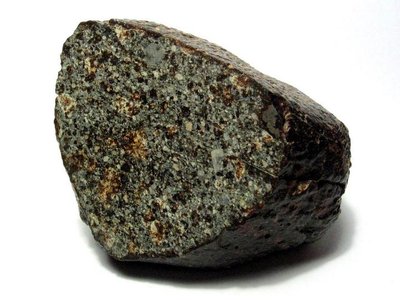
Monosaccharides can be synthesized under prebiotic conditions, and simple sugars have been found on meteorites, suggesting a possible extraterrestrial origin for some biomolecules.
Polysaccharides: Structure and Formation
Glycosidic Linkages
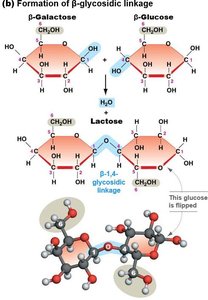
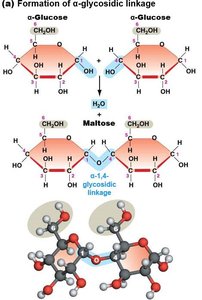
Polysaccharides are formed by linking monosaccharides through condensation reactions, creating covalent bonds known as glycosidic linkages. The type of linkage (α or β) and the carbons involved determine the structure and function of the polysaccharide.
α-1,4-glycosidic linkage: Both monomers oriented the same way; common in energy storage polysaccharides.
β-1,4-glycosidic linkage: Monomers alternate orientation; common in structural polysaccharides.
Major Functions of Polysaccharides
Polysaccharides serve three primary biological roles:
Energy storage: Starch (plants) and glycogen (animals) are polymers of α-glucose, easily hydrolyzed for energy.
Structural support: Cellulose (plants), chitin (fungi and arthropods), and peptidoglycan (bacteria) are polymers with β-linkages, forming strong fibers or sheets.
Cell identity and signaling: Oligosaccharides attached to proteins (glycoproteins) or lipids (glycolipids) on cell surfaces are critical for cell recognition and communication.

Energy Storage Polysaccharides
Starch and Glycogen
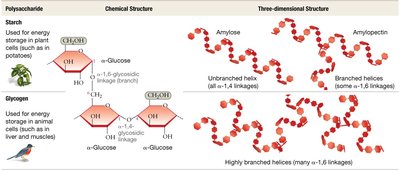
Starch and glycogen are energy storage polysaccharides composed of α-glucose units. Their helical structure and branching (in glycogen and amylopectin) allow rapid mobilization of glucose when energy is needed.
Starch: Main storage form in plants; can be unbranched (amylose) or branched (amylopectin).
Glycogen: Main storage form in animals; highly branched for quick energy release.
Hydrolysis and Energy Release
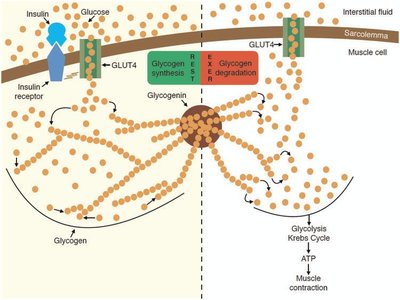
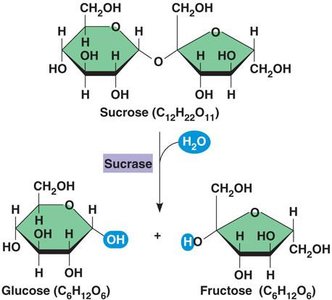
Enzymes such as amylase (for starch) and phosphorylase (for glycogen) hydrolyze α-glycosidic linkages, releasing glucose for cellular respiration and ATP production.
Structural Polysaccharides
Cellulose, Chitin, and Peptidoglycan
Structural polysaccharides are composed of β-linked monosaccharides, forming rigid fibers or sheets that provide support and protection.
Cellulose: Found in plant cell walls; made of β-glucose units.
Chitin: Found in fungal cell walls and arthropod exoskeletons; contains N-acetylglucosamine.
Peptidoglycan: Found in bacterial cell walls; contains sugars and short peptide chains.
These polysaccharides are resistant to hydrolysis due to their β-linkages, and most animals lack the enzymes to digest them (e.g., humans cannot digest cellulose, which acts as dietary fiber).
Carbohydrates in Cell Recognition and Signaling
Glycoproteins and Glycolipids
Carbohydrates attached to proteins (glycoproteins) and lipids (glycolipids) on the cell surface play crucial roles in cell-cell recognition and signaling. These molecules act as identification badges, allowing cells to distinguish self from non-self and to communicate with each other.
Case Study: Fertilization
During fertilization, sperm recognize and bind to specific glycoproteins on the surface of egg cells, ensuring species-specific fertilization. Experimental evidence shows that blocking these glycoproteins prevents sperm from binding to eggs.
Summary Table: Macromolecule Comparison
Macromolecule | Monomers | Bonds | Structural Levels | Examples/Types | Functional Groups |
|---|---|---|---|---|---|
Proteins | Amino acids | Peptide bonds | Primary, secondary, tertiary, quaternary | Enzymes, antibodies | Amino, carboxyl |
Nucleic Acids | Nucleotides | Phosphodiester bonds | Primary, secondary, tertiary | DNA, RNA | Phosphate, hydroxyl |
Carbohydrates | Monosaccharides | Glycosidic linkages | Primary, secondary (branching) | Starch, cellulose, glycogen | Carbonyl, hydroxyl |
