Indietro
Introduction to Metabolism: Energy, Enzymes, and Cellular Processes
Guida di studio - Note intelligenti
 Appunti personalizzati basati sui tuoi materiali, ampliati con definizioni chiave, esempi e contesto.
Introduction to Metabolism
Energy and Enzymes
Metabolism encompasses all chemical reactions occurring within cells, managing both material and energy resources. Understanding energy forms and enzyme function is fundamental to cellular biology.
Kinetic Energy: The energy of motion, such as mechanical and thermal energy.
Potential Energy: Stored energy, including chemical energy found in molecules.
Enzymes: Protein molecules acting as catalysts to lower activation energy and facilitate reactions.
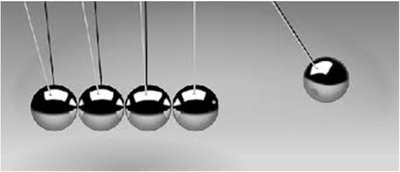
Laws of Thermodynamics
First and Second Laws
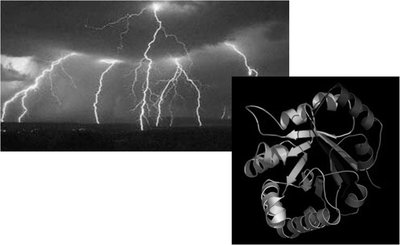
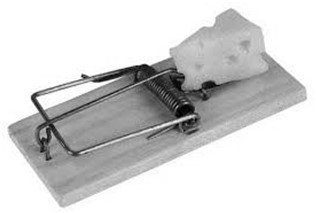
The laws of thermodynamics govern energy transformations in biological systems.
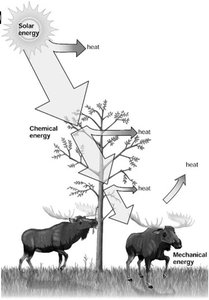
First Law (Law of Conservation of Energy): Energy can be transferred and transformed, but it cannot be created or destroyed.
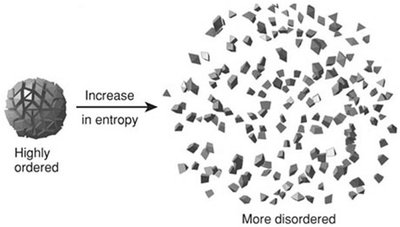
Second Law: Every energy transfer or transformation increases the entropy (disorder) of the universe.
Entropy: A measure of disorder or randomness in a system.
Metabolic Reactions
Types of Reactions and Free Energy
Metabolic reactions are classified based on energy changes and the direction of free energy flow.
Metabolism: The sum of all cellular chemical reactions.
Free Energy (G): The amount of energy available to perform work.
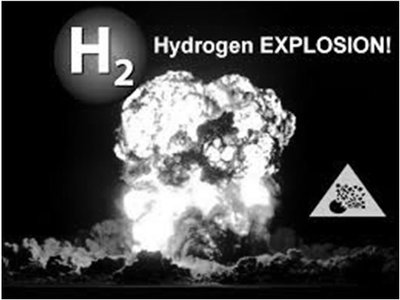
Exergonic Reactions: Reactants have more free energy than products; energy is released. ()
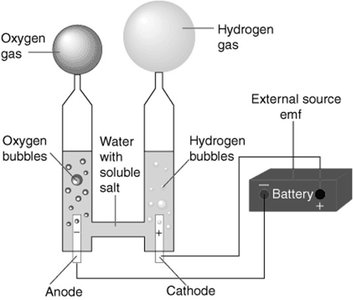
Endergonic Reactions: Products have more free energy than reactants; energy is absorbed. ()
Example:
Exergonic:
Endergonic:
Photosynthesis and Cellular Respiration
Energy Transformations in Cells
Cells transform energy through photosynthesis and cellular respiration, fundamental processes for life.
Photosynthesis:
Cellular Respiration:

ATP: The Energy Currency of the Cell
Structure and Function of ATP
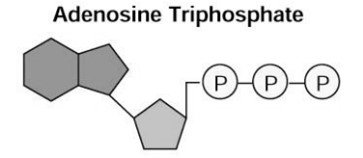
Adenosine triphosphate (ATP) is the primary energy carrier in cells, constantly regenerated from adenosine diphosphate (ADP).
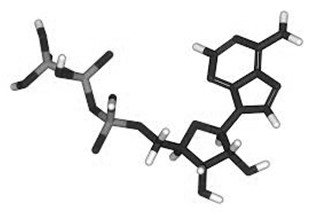
Structure: ATP consists of adenosine (adenine + ribose) and three phosphate groups.
Function: ATP provides energy for cellular work, including synthesis, transport, and movement.
The ATP Cycle
Coupled Reactions and Energy Transfer
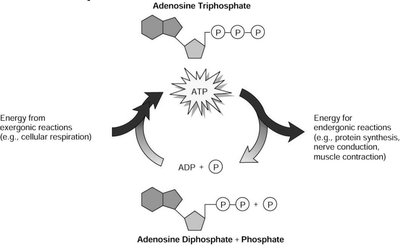
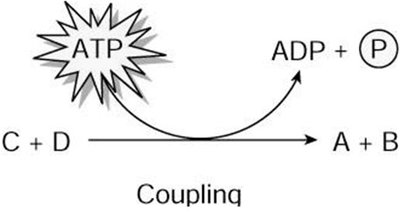
ATP is regenerated through coupled reactions, linking exergonic and endergonic processes.
ATP Cycle: Energy from exergonic reactions (e.g., cellular respiration) is used to form ATP from ADP and phosphate. ATP hydrolysis then powers endergonic reactions.
Coupled Reactions: The energy released by an exergonic reaction drives an endergonic reaction.
Functions of ATP
Cellular Work
ATP is essential for various cellular activities.
Chemical Work: Synthesis of macromolecules.
Transport Work: Pumping substances across membranes.
Mechanical Work: Muscle contraction, flagella movement, etc.
Metabolic Pathways
Organization of Cellular Reactions
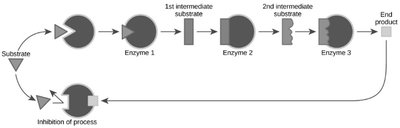
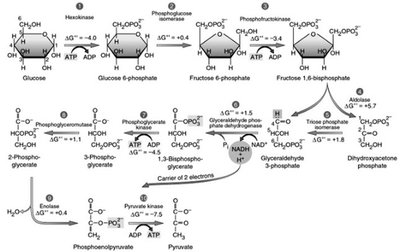
Cellular reactions are organized into metabolic pathways, a series of linked reactions requiring multiple steps to produce a final product.
Metabolic Pathway: A sequence of enzyme-catalyzed reactions.
Enzymes: Each step is catalyzed by a specific enzyme.
Enzymes
Structure and Function
Enzymes are protein catalysts that lower the activation energy required for reactions, increasing reaction rates.
Substrate: The reactant that binds to the enzyme's active site.
Naming: Enzymes are named after their substrate, ending in -ase.
Energy of Activation
Role of Enzymes in Lowering Activation Energy
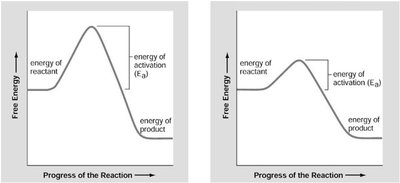
The energy required to start a reaction is called the energy of activation. Enzymes lower this energy by bringing substrates into contact.
Activation Energy (): The minimum energy needed to initiate a reaction.
Enzyme Action: Enzymes facilitate substrate interaction, reducing .
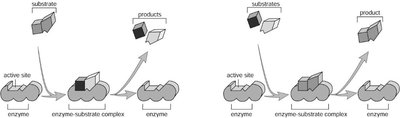
Enzyme-Substrate Complex
Mechanism of Enzyme Action
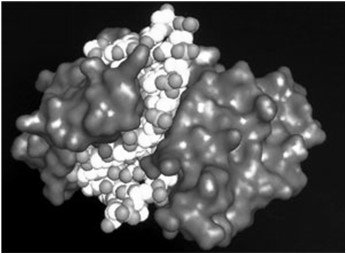
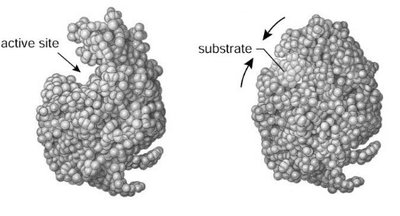
Enzymes form complexes with substrates, often undergoing a change in shape to accommodate them (induced fit model).
Active Site: The region of the enzyme where the substrate binds.
Induced Fit: The enzyme changes shape to better fit the substrate.
Enzyme Activity
Factors Affecting Enzyme Rates
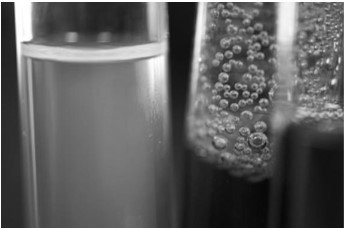
Enzyme activity is influenced by temperature, pH, and enzyme concentration.
Temperature: Activity increases with temperature up to a point, after which the enzyme denatures.
pH: Each enzyme has an optimal pH.
Concentration: Cells regulate enzyme presence and activity.
Enzyme Inhibition
Types of Inhibition
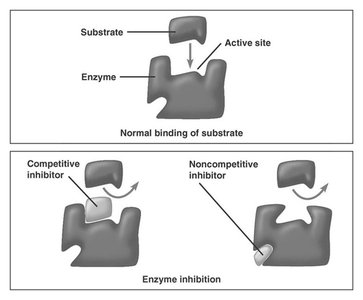
Enzyme inhibitors prevent substrate binding, either by occupying the active site (competitive) or binding elsewhere (noncompetitive).
Competitive Inhibition: Inhibitor binds to the active site, blocking substrate.
Noncompetitive Inhibition: Inhibitor binds to another site, altering enzyme shape.
Allosteric Regulation
Activation and Inhibition
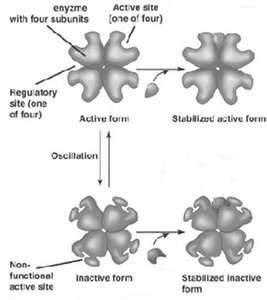
Allosteric regulation involves binding of molecules at sites other than the active site, stabilizing either the active or inactive form of the enzyme.
Allosteric Activator: Stabilizes the active form.
Allosteric Inhibitor: Stabilizes the inactive form.
Feedback Inhibition
Regulation of Metabolic Pathways
Feedback inhibition is a common regulatory mechanism where the end product of a pathway inhibits an earlier step, preventing overproduction.
Mechanism: End product binds to an allosteric site, shutting down the pathway.