 Indietro
Invertebrate Diversity: Structure, Function, and Evolution
Guida di studio - Note intelligenti
 Appunti personalizzati basati sui tuoi materiali, ampliati con definizioni chiave, esempi e contesto.
Invertebrate Diversity
Overview of Invertebrates
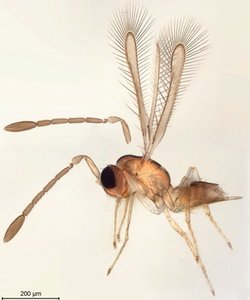
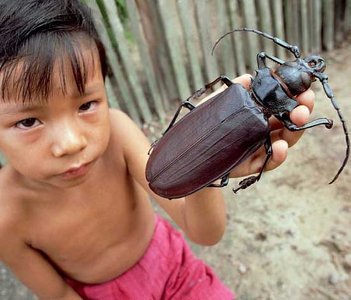
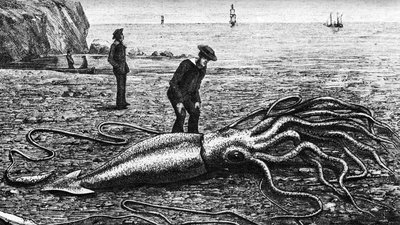
Invertebrates are animals that lack a backbone and account for over 95% of known animal species. They display remarkable diversity in form, function, and habitat, ranging from microscopic wasps to giant squids. Invertebrates are classified into several major phyla, each with unique characteristics and evolutionary significance.
Key Point 1: Invertebrates include phyla such as Porifera, Ctenophora, Cnidaria, Mollusca, Nematoda, and Arthropoda.
Key Point 2: They occupy nearly every ecological niche, from marine to terrestrial environments.
Example: The giant squid (Architeuthis dux) and fairy wasps (Mymaridae) represent extremes in invertebrate size.
Major Clades of Bilaterians
Lophotrochozoa
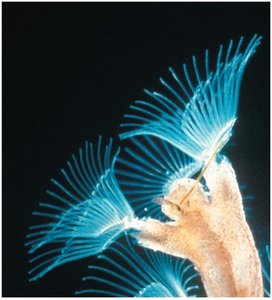
Lophotrochozoa is a diverse clade of bilaterian invertebrates characterized by either a feeding structure called a lophophore or a distinct developmental stage known as the trochophore larva. Members exhibit bilateral symmetry and triploblastic development.
Key Point 1: Includes phyla such as Mollusca, Annelida, and others.
Key Point 2: Lophophores are specialized for filter feeding.
Example: Brachiopods and ectoprocts possess lophophores.
Ecdysozoa
Ecdysozoa is a clade of invertebrates that shed their exoskeletons through a process called ecdysis. The two largest phyla in this group are Nematoda and Arthropoda.
Key Point 1: Ecdysozoans possess a cuticle made of chitin.
Key Point 2: Ecdysis allows growth by molting the exoskeleton.
Example: Arthropods such as insects and crustaceans, and nematodes like Caenorhabditis elegans.
Deuterostomia
Deuterostomia includes both invertebrate and vertebrate species, such as hemichordates, echinoderms, and chordates. Members share developmental characteristics like radial cleavage and formation of the anus from the blastopore.
Key Point 1: Echinoderms and chordates are major groups within Deuterostomia.
Key Point 2: Echinoderms exhibit unique water vascular systems and radial symmetry in adults.
Phylum Porifera (Sponges)
Main Features
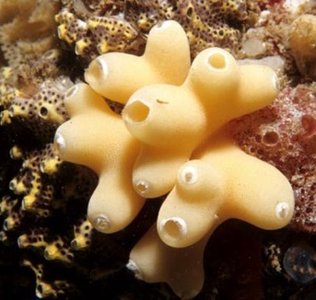
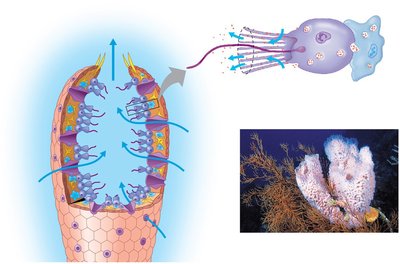
Sponges are sedentary, mostly marine animals that lack true tissues. They are filter feeders, capturing particles suspended in water as it passes through their bodies. Most are hermaphrodites and have flagellated larvae.
Key Point 1: Sponges have a porous body and a central cavity called the spongocoel.
Key Point 2: Choanocytes (collar cells) drive water flow and capture food.
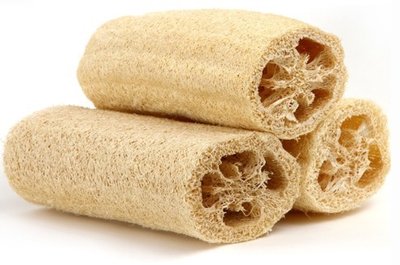
Example: Commercial bath sponges are derived from certain marine species.
Phylum Ctenophora (Comb Jellies)
Main Features
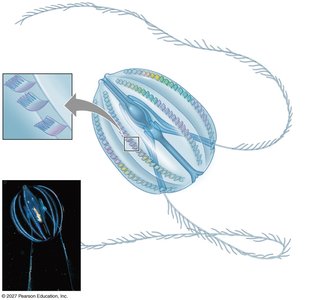
Comb jellies are planktonic, diploblastic animals with radial symmetry. They possess eight rows of cilia, called combs, used for locomotion. Their body plan includes simple muscles and a diffuse nerve net.
Key Point 1: Comb plates (ctenes) are unique to ctenophores.
Key Point 2: They are mostly marine and can be bioluminescent.
Phylum Cnidaria
Main Features
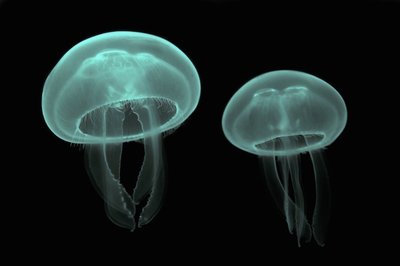
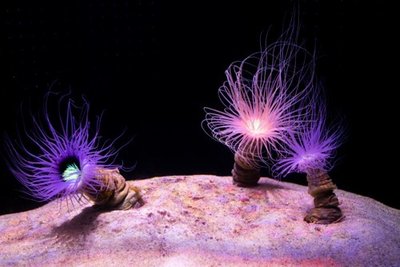
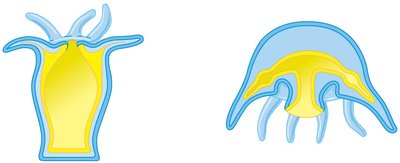
Cnidarians are diverse, including corals, hydras, and jellies. They are diploblastic with radial symmetry and possess specialized stinging cells called cnidocytes. Cnidarians exhibit two main body forms: polyp and medusa.
Key Point 1: Polyp form is sessile, medusa form is motile.
Key Point 2: Cnidocytes contain nematocysts for prey capture and defense.
Example: Jellyfish and sea anemones are well-known cnidarians.
Lophotrochozoa: Focus on Phylum Mollusca
Main Features
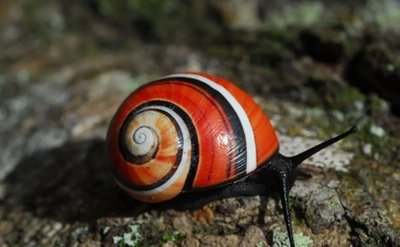
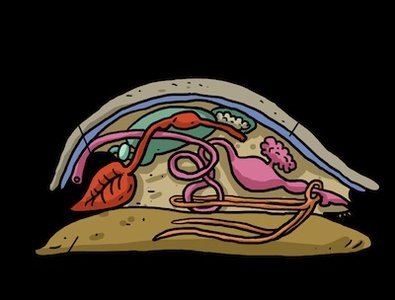
Molluscs are soft-bodied animals, most protected by a calcium carbonate shell. They have a similar body plan consisting of a muscular foot, visceral mass, and mantle. Molluscs include gastropods, bivalves, and cephalopods.
Key Point 1: Gastropods (snails, slugs) make up about 75% of mollusc species.
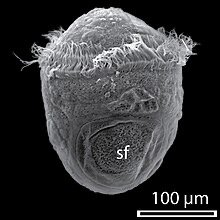
Key Point 2: Many molluscs have a trochophore larval stage.
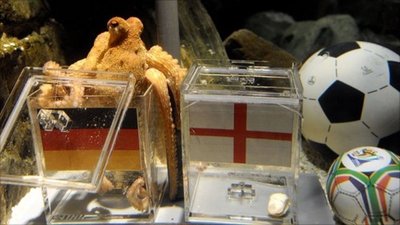
Example: Octopuses and squids are cephalopods with complex nervous systems.
Cephalopods
Cephalopods are carnivorous molluscs with beak-like jaws and tentacles. They possess a closed circulatory system, advanced sense organs, and a complex brain.
Key Point 1: Includes squids, octopuses, cuttlefish, and nautiluses.
Key Point 2: Cephalopods are highly intelligent and capable of complex behaviors.
Ecdysozoa: Focus on Phylum Nematoda
Main Features
Nematodes, or roundworms, are found in diverse habitats including soil, aquatic environments, and within other organisms. They have a complete alimentary canal but lack a circulatory system.
Key Point 1: Nematodes are ecologically dominant and include many parasitic species.
Key Point 2: Caenorhabditis elegans is a model organism in biological research.
Ecdysozoa: Focus on Phylum Arthropoda
Main Features
Arthropods are the most species-rich animal group, characterized by a segmented body, hard exoskeleton, and jointed appendages. Their exoskeleton provides protection and prevents desiccation.
Key Point 1: Arthropods have an open circulatory system with hemolymph.
Key Point 2: Major lineages include chelicerates, myriapods, and pancrustaceans.
Example: Insects, crustaceans, spiders, and millipedes.
Insect Body Plan
Insects have a body divided into three regions: head, thorax, and abdomen. Their appendages are specialized for various functions such as walking, feeding, sensing, reproduction, and defense.
Key Point 1: Insects undergo metamorphosis, either incomplete or complete.
Key Point 2: Complete metamorphosis includes a pupal stage.
Deuterostomia: Focus on Echinoderms
Main Features
Echinoderms are slow-moving or sessile marine animals with a unique water vascular system. Adults exhibit radial symmetry, while larvae are bilaterally symmetrical. Sexual reproduction is usually external.
Key Point 1: Five major clades: Asteroidea, Ophiuroidea, Echinoidea, Crinoidea, Holothuroidea.
Key Point 2: Tube feet function in locomotion and feeding.
Example: Sea stars, sea urchins, and sea cucumbers.
Summary Table: Major Invertebrate Phyla
Phylum | Main Features | Example Organisms |
|---|---|---|
Porifera | No true tissues, filter feeders | Sponges |
Ctenophora | Eight combs of cilia, diploblastic | Comb jellies |
Cnidaria | Stinging cells, radial symmetry | Jellyfish, corals |
Mollusca | Soft body, calcium carbonate shell | Snails, octopuses |
Nematoda | Roundworms, complete gut | Caenorhabditis elegans |
Arthropoda | Segmented body, exoskeleton | Insects, crustaceans |
Echinodermata | Water vascular system, radial symmetry | Sea stars, sea urchins |
Additional info: Academic context was added to clarify phylum characteristics, evolutionary relationships, and examples for completeness.
