 Indietro
Macromolecules: Structure and Function of Carbohydrates, Lipids, Proteins, and Nucleic Acids
Guida di studio - Note intelligenti
 Appunti personalizzati basati sui tuoi materiali, ampliati con definizioni chiave, esempi e contesto.
Macromolecules
Introduction to Macromolecules
Macromolecules are large, complex molecules essential for life, including carbohydrates, lipids, proteins, and nucleic acids. Most macromolecules are polymers, which are long chains of repeating units called monomers, linked by covalent bonds.
Polymer: A long molecule consisting of many similar or identical building blocks (monomers) joined by covalent bonds.
Monomer: The small, repeating unit that serves as the building block of a polymer.
Polymerization and Depolymerization
Dehydration Reaction (Condensation Reaction): Monomers are joined together by removing a water molecule, forming a covalent bond.
Hydrolysis: Polymers are broken down into monomers by the addition of water, reversing the dehydration reaction.
Example: Glucose monomers join to form starch via dehydration; starch is broken down into glucose via hydrolysis.
Carbohydrates
Types and Structure
Carbohydrates are sugars and their polymers, serving as fuel and structural materials. They are classified as monosaccharides, disaccharides, and polysaccharides.
Monosaccharides: Single sugar units with the empirical formula CH2O. Examples: Glucose and Fructose (C6H12O6), Ribose (C5H10O5).
Disaccharides: Two monosaccharides joined by a glycosidic linkage (dehydration reaction). Examples: maltose (glucose + glucose), sucrose (glucose + fructose), lactose (glucose + galactose).
Polysaccharides: Polymers of many monosaccharides. Examples: starch (plants), glycogen (animals), cellulose (plant cell walls), chitin (fungal cell walls and arthropod exoskeletons).
Functions of Carbohydrates
Fuel (energy source)
Energy storage (e.g., starch, glycogen)
Structural support (e.g., cellulose, chitin)
Lipids
Properties and Types
Lipids are hydrophobic molecules, mainly composed of hydrocarbons. Unlike other macromolecules, lipids are not polymers. Major types include fats, phospholipids, and steroids.
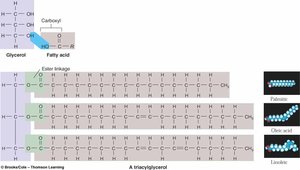
Fats (Triacylglycerols): Constructed from glycerol and three fatty acids. Main function is energy storage.
Fatty Acids: Can be saturated (no double bonds, solid at room temperature, animal fats) or unsaturated (one or more double bonds, liquid at room temperature, plant and fish fats).
Trans Fats: Produced by hydrogenating unsaturated fats, making them solid at room temperature.
Functions of Fats
Energy storage (provides twice as much energy as carbohydrates)
Cushioning of vital organs
Insulation of the body
Phospholipids
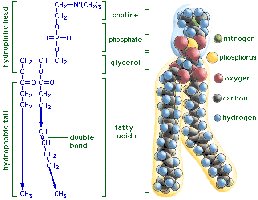
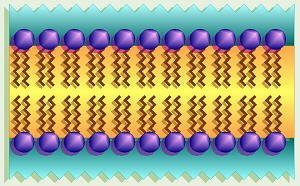
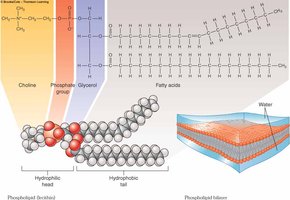
Phospholipids are similar to fats but have only two fatty acid tails and a phosphate group attached to glycerol. The phosphate group is hydrophilic, while the fatty acid tails are hydrophobic. This amphipathic nature allows phospholipids to form bilayers, which are the main component of cell membranes.
Steroids
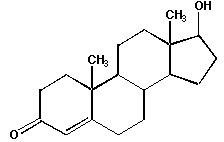
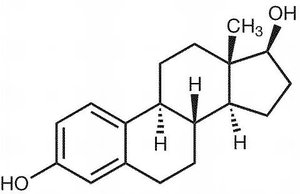
Steroids are lipids with a structure of four fused carbon rings. Examples include cholesterol, testosterone, and estrogen. Steroids function as components of cell membranes and as hormones.
Proteins
Structure and Function
Proteins are polymers of amino acids, called polypeptides. The sequence and structure of amino acids determine a protein's function. Proteins perform a wide range of functions, including structural support, storage, transport, signaling, movement, and defense.
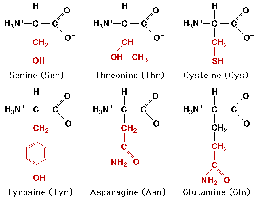
Amino Acids: Organic molecules with a carboxyl group, amino group, and a variable R group.
Peptide Bonds
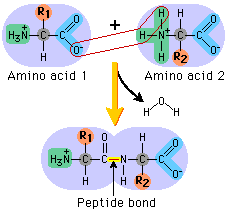
Peptide bonds form between the carboxyl group of one amino acid and the amino group of another via a dehydration reaction.
Levels of Protein Structure
Primary Structure: Unique sequence of amino acids in a polypeptide.
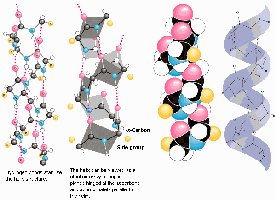
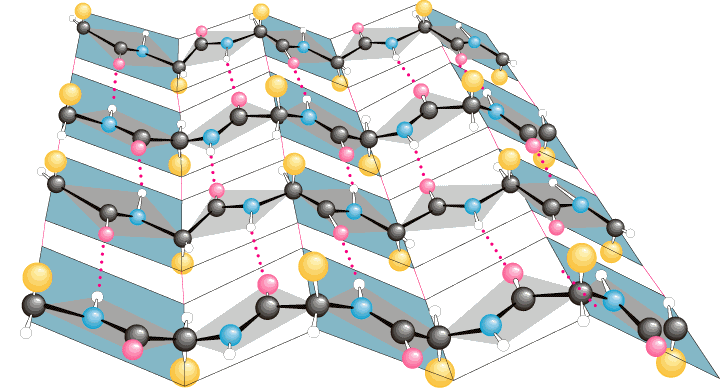
Secondary Structure: Coiling or folding of the polypeptide chain, stabilized by hydrogen bonds. Main types: α-helix and β-pleated sheet.
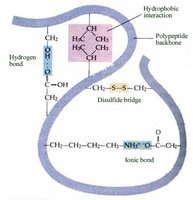
Tertiary Structure: Overall 3D shape of a polypeptide, resulting from interactions among R groups.
Quaternary Structure: Association of multiple polypeptide chains into a functional protein.
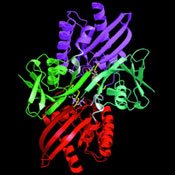
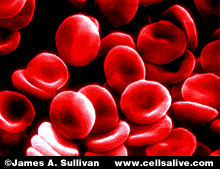
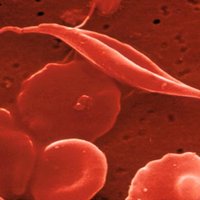
Primary Structure Example: Sickle-Cell Hemoglobin
A single amino acid change in the primary structure can alter protein function, as seen in sickle-cell disease.
Secondary Structure
Tertiary Structure
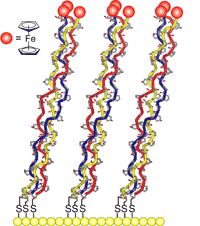
Quaternary Structure
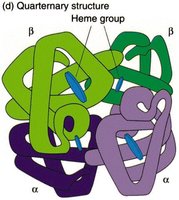
Protein Denaturation
Denaturation is the loss of a protein's native structure due to changes in pH, salt concentration, temperature, or other environmental factors, resulting in loss of function.
Prions
Prions are infectious proteins that cause normal proteins to misfold, leading to disease.
Nucleic Acids
Structure and Types
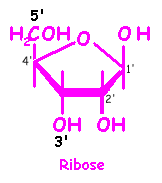
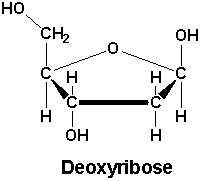
Nucleic acids, including DNA and RNA, are polymers of nucleotides. Each nucleotide consists of a nitrogenous base, a pentose sugar (ribose or deoxyribose), and a phosphate group.
Nitrogenous Bases
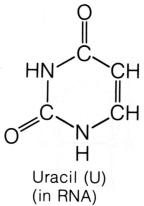
Pyrimidines: Six-membered rings (cytosine, thymine, uracil)
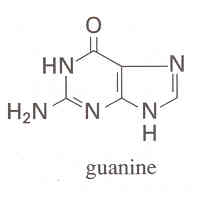
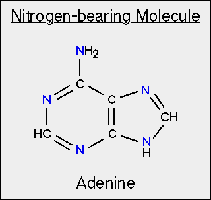
Purines: Six-membered ring fused to a five-membered ring (adenine, guanine)
Base Pairing Rules
In DNA: Adenine (A) pairs with Thymine (T); Guanine (G) pairs with Cytosine (C).
In RNA: Adenine (A) pairs with Uracil (U).
Functions of Nucleic Acids
Store and transmit hereditary information
Determine the primary structure of proteins
