 Indietro
Meiosis and Inheritance: Mechanisms and Sources of Genetic Variation
Guida di studio - Note intelligenti
 Appunti personalizzati basati sui tuoi materiali, ampliati con definizioni chiave, esempi e contesto.
Meiosis and Inheritance
Definitions and Key Concepts
Meiosis is a fundamental process in sexually reproducing organisms that ensures genetic diversity and the proper transmission of hereditary information. It is central to the study of genetics and inheritance.
Genetics: The study of heredity and variation in organisms.
Heredity: The transmission of traits from one generation to the next.
Variation: Offspring produced by sexual reproduction are not identical to their parents or each other, due to unique combinations of parental genes.
Asexual Reproduction: Offspring arise from a single organism and are genetically identical (clones).
Clone: Genetically identical individuals produced by asexual reproduction.
Life Cycle: The generation-to-generation sequence of genetic stages in the reproductive process.
Organization of Chromosomes and Cell Types
Chromosomes carry genetic information and are organized differently in somatic and germ cells.
Somatic Cells: Diploid (2n), containing two copies of each chromosome.
Gametes: Haploid (1n), containing one copy of each chromosome; produced by meiosis.
Homologous Chromosomes: Chromosome pairs with the same genes but possibly different versions (alleles); one from each parent.
Karyotype: The arrangement of a person's chromosomes by length, with sex chromosomes last.
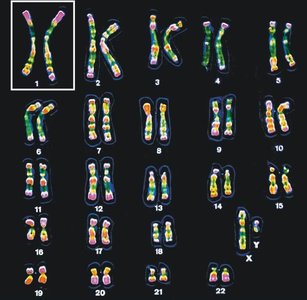
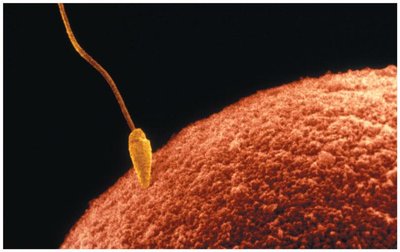
Human Life Cycle and Chromosome Numbers
Humans have 23 pairs of chromosomes (n = 23), for a total of 46 (2n = 46). Fusion of two gametes (egg and sperm) restores the diploid state in the zygote.
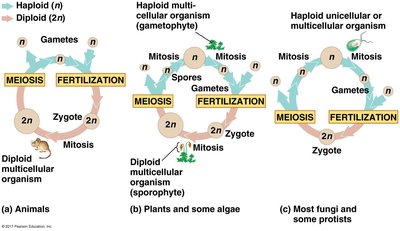
Alternation of Life Cycles in Eukaryotes
Sexually reproducing species alternate between haploid and diploid stages to exchange genetic information. The duration and complexity of these stages vary among animals, fungi, and plants.
Animals: Haploid stage is limited to gametes.
Fungi: Adults are haploid, zygotes are diploid.
Plants: Both haploid and diploid stages can be multicellular and long-lived.
Meiosis: The Process and Its Stages
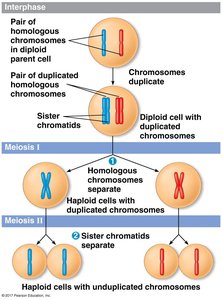
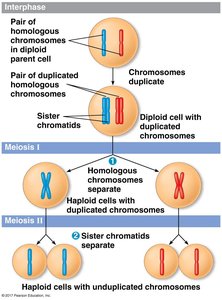
Meiosis reduces chromosome number from diploid (2n) to haploid (1n) and involves two consecutive cell divisions without an intervening S phase.
Meiosis I: Homologous chromosomes are separated, reducing chromosome number.
Meiosis II: Sister chromatids are separated, similar to mitosis.
Result: Four genetically distinct haploid daughter cells.
Meiosis I: Prophase I and Crossing Over
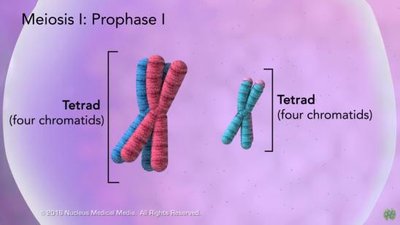
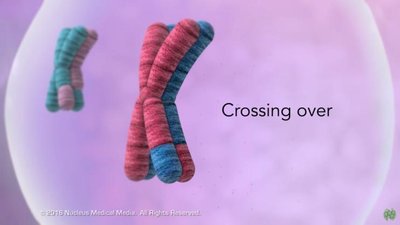
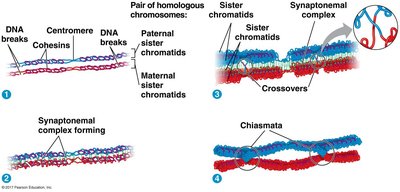
During Prophase I, homologous chromosomes pair up (synapsis) and form tetrads. Segments between non-sister chromatids are exchanged in a process called crossing over, which increases genetic diversity.
Tetrad: Structure formed by paired homologous chromosomes, consisting of four chromatids.
Chiasma: The point where crossing over occurs.
Crossing Over: Occurs 1-3 times per chromosome pair, reshuffling genes between maternal and paternal chromosomes.
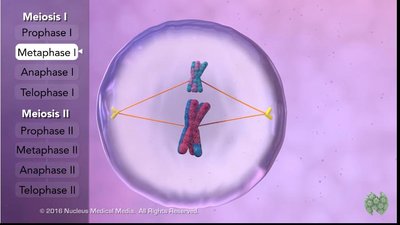
Meiosis I: Metaphase I and Independent Assortment
Tetrads align randomly on the metaphase plate, and each chromosome pair is oriented independently. This leads to independent assortment, a major source of genetic variation.
Independent Assortment: Each daughter cell has a 50/50 chance of receiving the maternal or paternal version of each chromosome.

Meiosis I: Anaphase I and Telophase I
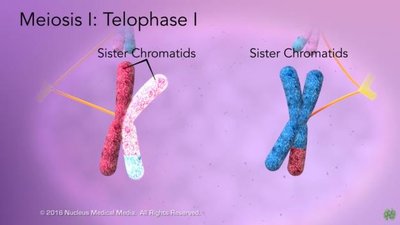
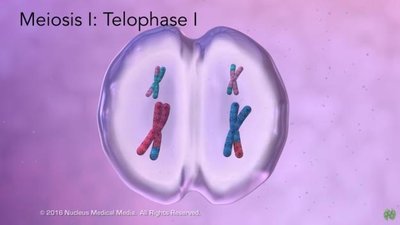
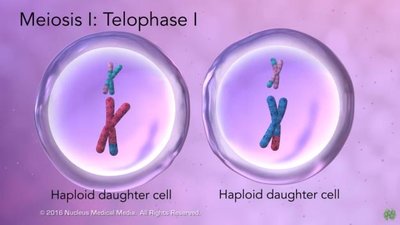
Homologous chromosomes separate and migrate to opposite poles during Anaphase I. At Telophase I, cells are haploid but chromosomes are still duplicated.
Chromosome number is halved.
Sister chromatids are no longer identical due to crossing over.
Meiosis II: Separation of Sister Chromatids
Meiosis II is similar to mitosis but occurs in haploid cells. Sister chromatids are separated, resulting in four distinct haploid daughter cells.
No preceding S phase.
Each daughter cell contains unduplicated chromosomes.
Comparison: Mitosis vs. Meiosis
Mitosis and meiosis are distinct processes with different outcomes for chromosome number and genetic diversity.
Mitosis: Produces two genetically identical diploid cells; preserves chromosome number.
Meiosis: Produces four genetically distinct haploid cells; reduces chromosome number and increases genetic diversity.
Process | Chromosome Number | Genetic Diversity |
|---|---|---|
Mitosis | 2n (diploid) | No new combinations |
Meiosis | 1n (haploid) | New combinations via crossing over and independent assortment |
Sources of Genetic Variation
Meiosis generates genetic variation through three main mechanisms:
Crossing Over: Exchange of genetic material between homologous chromosomes during Prophase I.
Independent Assortment: Random orientation of chromosome pairs during Metaphase I.
Random Fertilization: Any sperm can fertilize any egg, multiplying possible combinations.
For humans, with 23 chromosome pairs, the number of possible combinations is for each gamete. Random fertilization further increases the number of possible zygotes to approximately 70 trillion.
Aneuploidy and Chromosomal Disorders
Errors in meiosis can lead to aneuploidy, where cells have abnormal numbers of chromosomes. Common examples include:
Turner’s Syndrome (XO): Missing one sex chromosome.
Klinefelter’s Syndrome (XXY): Extra sex chromosome.
Trisomy 21 (Down’s Syndrome): Extra chromosome 21.
Trisomy 18 and 13: Extra chromosomes 18 or 13.
Disorder | Chromosomal Abnormality | Phenotype |
|---|---|---|
Turner’s Syndrome | XO | Female, short stature, infertility |
Klinefelter’s Syndrome | XXY | Male, tall, reduced fertility |
Down’s Syndrome | Trisomy 21 | Intellectual disability, characteristic facial features |
Trisomy 18 | Extra chromosome 18 | Severe developmental issues |
Trisomy 13 | Extra chromosome 13 | Severe developmental issues |
Summary
Meiosis is essential for sexual reproduction, genetic diversity, and proper chromosome number in offspring. It involves two rounds of cell division, crossing over, and independent assortment, resulting in four genetically unique haploid gametes. Errors in meiosis can lead to chromosomal disorders, highlighting its importance in inheritance and development.
