 Indietro
Meiosis and Sexual Life Cycles: Mechanisms of Heredity and Genetic Variation
Guida di studio - Note intelligenti
 Appunti personalizzati basati sui tuoi materiali, ampliati con definizioni chiave, esempi e contesto.
Meiosis and Sexual Life Cycles
Introduction to Heredity and Variation
Heredity is the transmission of traits from one generation to the next, while variation refers to the differences in appearance that offspring show from parents and siblings. Genetics is the scientific study of heredity and variation, providing the foundation for understanding how traits are inherited and how genetic diversity arises in populations.
Inheritance of Genes
Genes are the units of heredity, composed of DNA segments located on chromosomes.
Genes are transmitted to the next generation via gametes (sperm and eggs).
Most DNA is packaged into chromosomes; humans have 46 chromosomes in somatic cells (all cells except gametes and their precursors).
A gene’s specific location on a chromosome is called its locus.
Comparison of Asexual and Sexual Reproduction
Asexual reproduction: A single individual passes all its genes to offspring without gamete fusion, producing genetically identical clones.
Sexual reproduction: Two parents contribute genes, resulting in offspring with unique genetic combinations.
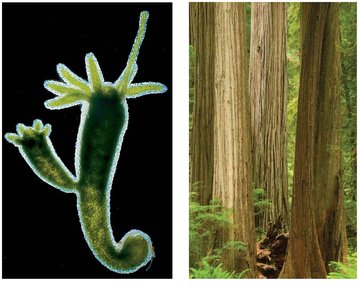
Sexual Life Cycles and Chromosome Behavior
Fertilization and Meiosis in Life Cycles
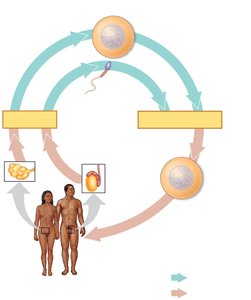
A life cycle is the sequence of stages in the reproductive history of an organism. All sexually reproducing organisms alternate between meiosis and fertilization, but the timing varies among animals, plants, fungi, and protists.
Fertilization: Union of gametes (sperm and egg) to form a zygote (fertilized egg).
The zygote divides by mitosis to produce a multicellular organism.
At sexual maturity, specialized cells in the ovaries and testes undergo meiosis to produce haploid gametes.
Chromosome Sets in Human Cells
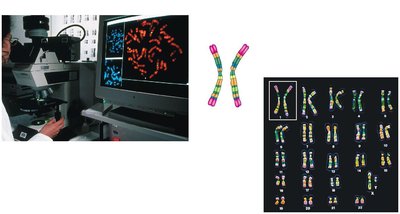
Humans have 23 pairs of chromosomes in somatic cells (total 46).
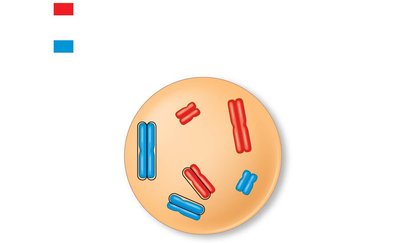
Each pair consists of one chromosome from each parent (homologous chromosomes).
Diploid (2n): Two sets of chromosomes (humans: 2n = 46).
Haploid (n): One set of chromosomes (gametes: n = 23).
Sex chromosomes (X and Y) determine biological sex; autosomes are the remaining 22 pairs.
Chromosome Replication and Structure
After DNA synthesis, each chromosome consists of two identical sister chromatids joined at the centromere.
Homologous chromosomes carry genes for the same traits but may have different alleles.
Meiosis: Reducing Chromosome Number
Overview of Meiosis
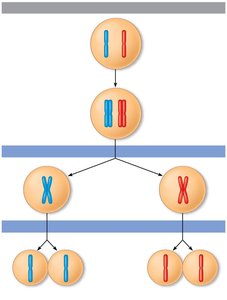
Meiosis is a two-division process that reduces the chromosome number by half, producing four genetically distinct haploid cells from one diploid cell. It consists of meiosis I and meiosis II.
Meiosis I: Homologous chromosomes separate.
Meiosis II: Sister chromatids separate (similar to mitosis).
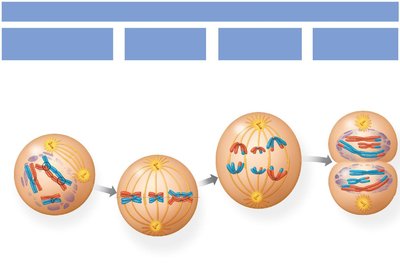
Meiosis I: Separation of Homologous Chromosomes
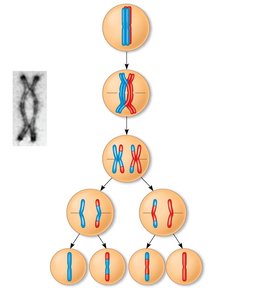
Prophase I: Homologous chromosomes pair up and exchange genetic material through crossing over at structures called chiasmata.
Metaphase I: Homologous pairs align at the metaphase plate.
Anaphase I: Homologous chromosomes move to opposite poles; sister chromatids remain together.
Telophase I and Cytokinesis: Two haploid cells form, each with duplicated chromosomes.
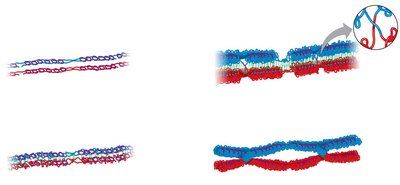
Crossing Over and Synapsis
During synapsis, homologous chromosomes are held together by the synaptonemal complex.
Crossing over exchanges DNA between nonsister chromatids, increasing genetic diversity.
Meiosis II: Separation of Sister Chromatids
Prophase II: Spindle apparatus forms; chromosomes move toward the metaphase plate.
Metaphase II: Chromosomes align at the metaphase plate; sister chromatids are no longer genetically identical due to crossing over.
Anaphase II: Sister chromatids separate and move to opposite poles.
Telophase II and Cytokinesis: Four haploid daughter cells form, each genetically distinct.
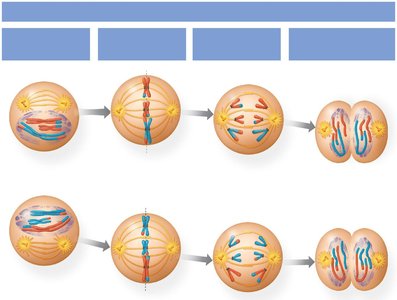
Comparison of Mitosis and Meiosis
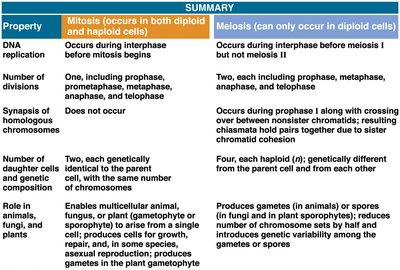
Mitosis produces genetically identical cells, while meiosis generates genetically diverse gametes or spores. Three events are unique to meiosis I: synapsis and crossing over, homologous pairs at the metaphase plate, and separation of homologs.
Property | Mitosis | Meiosis |
|---|---|---|
DNA Replication | Occurs during interphase before mitosis begins | Occurs during interphase before meiosis I but not meiosis II |
Number of Divisions | One | Two |
Synapsis of Homologous Chromosomes | Does not occur | Occurs during prophase I with crossing over |
Number of Daughter Cells and Genetic Composition | Two, genetically identical | Four, genetically distinct |
Role in Organism | Growth, repair, asexual reproduction | Gamete or spore production, genetic variability |
Genetic Variation in Offspring
Sources of Genetic Variation
Mutations: Changes in DNA sequence, creating new alleles.
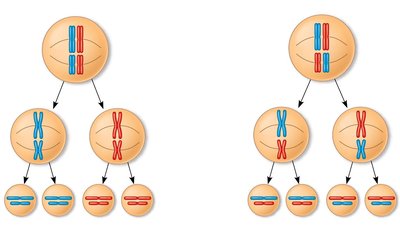
Independent Assortment: Random orientation of homologous pairs during metaphase I leads to many possible combinations of chromosomes in gametes. For humans, this number is (over 8 million combinations).
Crossing Over: Produces recombinant chromosomes, further increasing genetic diversity.
Random Fertilization: Any sperm can fertilize any egg, resulting in about 70 trillion possible diploid combinations in humans.
Significance of Genetic Variation
Genetic variation is essential for evolution and adaptation in populations.
Sexual reproduction shuffles alleles, producing unique genetic combinations in each generation.
