 Indietro
Meiosis and Sexual Life Cycles: Study Notes for BIO-101
Guida di studio - Note intelligenti
 Appunti personalizzati basati sui tuoi materiali, ampliati con definizioni chiave, esempi e contesto.
Meiosis and Sexual Life Cycles
Overview of Sexual Life Cycles
The sexual life cycle in eukaryotes involves the processes of fertilization, mitosis, and meiosis. These processes ensure genetic diversity and the continuity of species. Fertilization restores the diploid state, while meiosis reduces chromosome number, and mitosis enables growth and development.
Fertilization: Fusion of haploid gametes (egg and sperm) to form a diploid zygote.
Mitosis: Cell division for growth and repair; maintains chromosome number.
Meiosis: Cell division that produces haploid gametes; reduces chromosome number by half.
Haploid (n) vs. Diploid (2n) Cells
Organisms alternate between haploid and diploid stages in their life cycles. The chromosome number distinguishes these stages:
Haploid (n): One set of chromosomes; 23 in humans. Produced by meiosis.
Diploid (2n): Two sets of chromosomes; 46 in humans. Produced by mitosis and fertilization.
Homologous Chromosomes
Humans have 23 types of chromosomes, each present in pairs in somatic cells. These pairs are called homologous chromosomes, one inherited from each parent. Homologs carry genes for the same traits at corresponding loci, and their banding patterns reflect this similarity.
Maternal and Paternal: Each homologous pair consists of one chromosome from the mother and one from the father.
Sister Chromatids: Identical copies formed by DNA replication.
Non-sister Chromatids: Chromatids from different homologs within a tetrad.
Describing Chromosomes
Chromosomes can be described based on their ploidy (n vs 2n), origin (maternal vs paternal), and relationship (sister vs non-sister chromatids). These distinctions are crucial for understanding genetic inheritance and cell division.
Mitosis vs. Meiosis
Mitosis and meiosis are two distinct types of cell division. Mitosis results in two genetically identical diploid cells, while meiosis produces four genetically unique haploid cells.
Mitosis: Maintains chromosome number; used for growth and repair.
Meiosis: Reduces chromosome number; creates genetic diversity in gametes.
Tracking a Homologous Pair Through Meiosis
During meiosis, homologous chromosomes are separated, and their chromatids are distributed into gametes. The stages include:
G1: Chromosomes are single.
Metaphase I: Homologous pairs align at the metaphase plate.
Metaphase II: Chromatids align for separation.
Gametes: Each gamete receives one chromatid from each homologous pair.
Genetic Variation in Sexual Life Cycles
Genetic variation is essential for the survival and adaptability of species. Sexual reproduction introduces variation through several mechanisms:
Crossing Over: Exchange of genetic material between non-sister chromatids during prophase I of meiosis.
Independent Assortment: Random alignment of tetrads at metaphase I leads to varied combinations of chromosomes.
Random Fertilization: Any sperm can fertilize any egg, resulting in numerous possible genetic combinations.
Crossing Over
Crossing over occurs during synapsis, forming a tetrad. Chromatids break at the chiasma and rejoin, creating new gene combinations. This results in four unique chromatids per homologous pair.
Synapsis: Homologs pair up.
Chiasma: Site of crossing over.
Rejoining: Chromatids exchange segments.
Independent Assortment
During metaphase I, each tetrad aligns independently, leading to a vast number of possible chromosome combinations in gametes. For humans (2n = 46), there are over 8 million possible combinations.
Fertilization
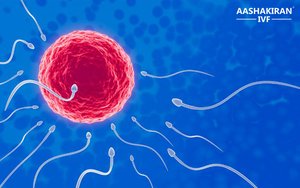
Fertilization is the fusion of two unique gametes (egg and sperm), each with its own genetic makeup. The combination of independent assortment and random fertilization results in over 70 trillion possible zygote genotypes between two parents.
Egg Selection: Only one unique egg is available for fertilization.
Sperm Selection: Only one unique sperm fuses with the egg.
Genetic Diversity: The process maximizes genetic variation in offspring.
Phases of Meiosis
Meiosis consists of two sequential divisions: Meiosis I and Meiosis II. Each division has distinct stages:
Meiosis I: Homologous chromosomes separate.
Meiosis II: Sister chromatids separate.
Each stage ensures the reduction of chromosome number and the generation of genetically unique gametes.
Activity: Modeling Meiosis
Students can model meiosis using 3D chromosome representations, sketching and analyzing each of the eight stages. This hands-on activity reinforces understanding of chromosome behavior during meiosis.
Mitosis vs. Meiosis: Comparison Table
The following table summarizes the key differences between mitosis and meiosis:
Feature | Mitosis | Meiosis |
|---|---|---|
Number of Divisions | One | Two |
Number of Daughter Cells | Two | Four |
Chromosome Number in Daughter Cells | Diploid (2n) | Haploid (n) |
Genetic Identity | Identical to parent | Genetically unique |
Function | Growth, repair | Gamete production |
Additional info: The table above is inferred from standard biology textbooks to provide a clear comparison for exam preparation.
