Indietro
Meiosis: Mechanisms, Phases, and Genetic Consequences
Guida di studio - Note intelligenti
 Appunti personalizzati basati sui tuoi materiali, ampliati con definizioni chiave, esempi e contesto.
Meiosis: Overview and Significance
Introduction to Meiosis
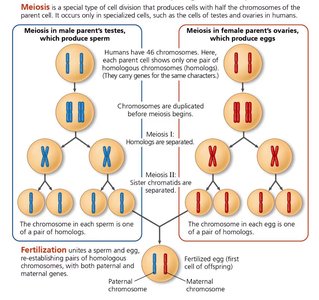
Meiosis is a specialized type of cell division that reduces the chromosome number by half, producing genetically unique haploid cells (gametes) for sexual reproduction. This process is essential for maintaining ploidy across generations and increasing genetic variation within populations.
Meiosis reduces genetic information by half (from diploid to haploid).
Genetic variation is increased through mechanisms such as crossing over and independent assortment.
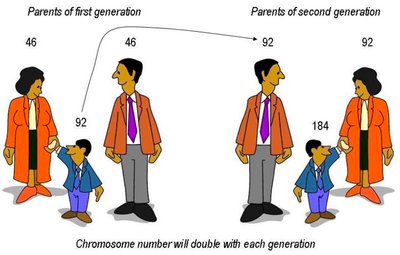
Meiosis alternates with fertilization in sexual life cycles, ensuring chromosome number remains constant in populations.
Chromosome Structure and Terminology
Homologous Chromosomes vs. Sister Chromatids
Understanding chromosome structure is fundamental to meiosis.
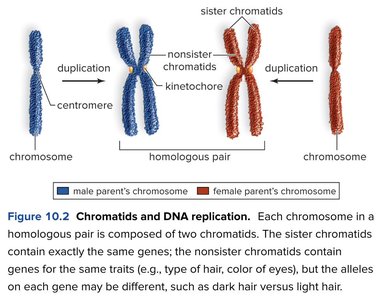
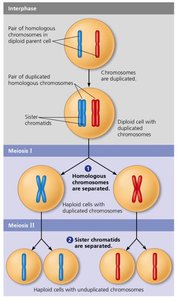
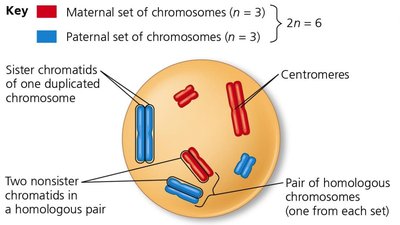
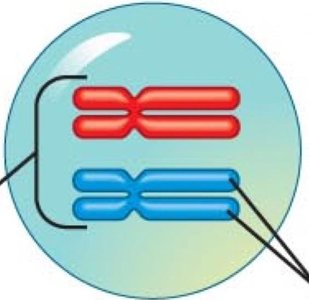
Homologous chromosomes are pairs of chromosomes (one from each parent) that carry the same genes but may have different alleles.
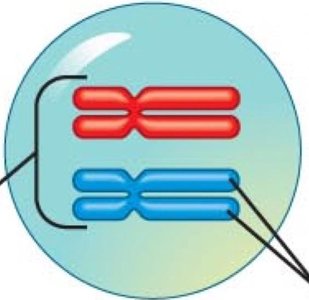
Sister chromatids are identical copies of a single chromosome, formed after DNA replication.
Each chromosome in a homologous pair is composed of two chromatids.

Ploidy: Haploid and Diploid States
Determining Ploidy
Ploidy refers to the number of sets of chromosomes in a cell.
Haploid (n): One set of chromosomes (e.g., gametes).
Diploid (2n): Two sets of chromosomes (e.g., somatic cells).
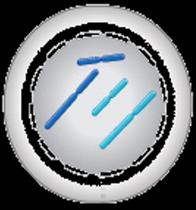
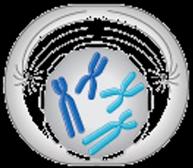
To determine ploidy: count the number of unique chromosome types (size and shape) and the total number of chromosomes (centromeres).
Phases of Meiosis
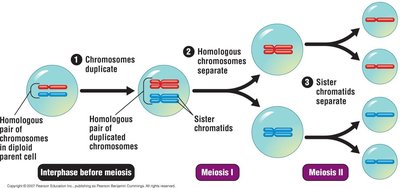
Meiosis I: Reductional Division
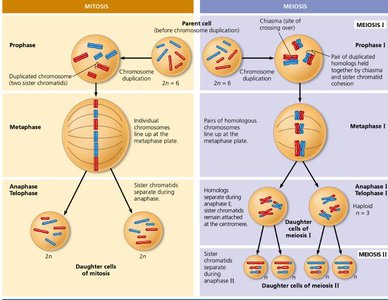
Meiosis I separates homologous chromosomes, reducing the chromosome number from diploid to haploid.
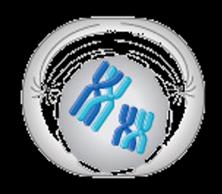
Prophase I: Chromosomes condense, homologs pair up, and crossing over (homologous recombination) occurs.
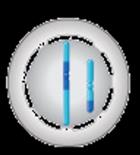
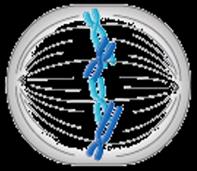
Metaphase I: Homologous pairs (tetrads) align at the cell center, oriented randomly.
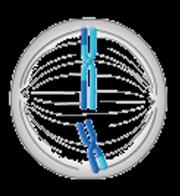
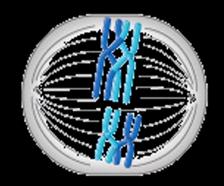
Anaphase I: Homologous chromosomes separate; sister chromatids remain together.
Telophase I and Cytokinesis: Two haploid daughter cells are formed.

Meiosis II: Equational Division
Meiosis II is similar to mitosis, separating sister chromatids in each haploid cell.
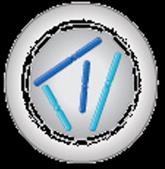
Prophase II: Chromosomes condense in each haploid cell.
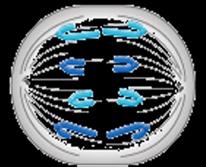
Metaphase II: Chromosomes align at the center.
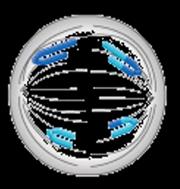
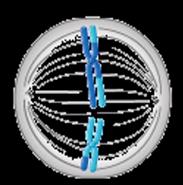
Anaphase II: Sister chromatids separate.
Telophase II and Cytokinesis: Four genetically unique haploid cells are produced.

Comparison: Mitosis vs. Meiosis
Key Differences and Similarities
Mitosis and meiosis are both forms of cell division, but they serve different purposes and have distinct outcomes.
Mitosis: Produces two genetically identical diploid cells for growth and repair.
Meiosis: Produces four genetically unique haploid cells for sexual reproduction.
Meiosis I is unique due to homologous chromosome pairing and crossing over; Meiosis II resembles mitosis.

Genetic Variation in Meiosis
Mechanisms Increasing Genetic Diversity
Meiosis introduces genetic variation through several mechanisms:
Crossing Over: Exchange of genetic material between homologous chromosomes during Prophase I.
Independent Assortment: Random orientation of homologous pairs during Metaphase I.
Random Fertilization: Any sperm can fertilize any egg, further increasing variation.
Consequences of Errors in Meiosis
Aneuploidy and Its Effects
Errors during meiosis can lead to aneuploidy, where gametes have abnormal chromosome numbers.
Aneuploidy: Presence of an abnormal number of chromosomes in a cell (e.g., trisomy 21, Down syndrome).
Errors can occur in Meiosis I (homologs fail to separate) or Meiosis II (sister chromatids fail to separate).
Fertilization involving aneuploid gametes results in zygotes with extra or missing chromosomes, leading to miscarriages, birth defects, or syndromes.
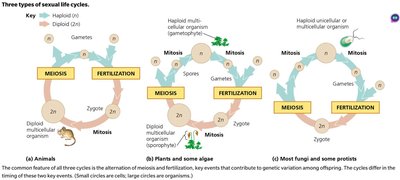
Sexual Life Cycles and Meiosis
Alternation of Generations
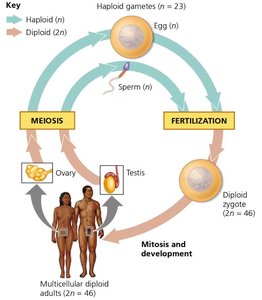
Meiosis and fertilization alternate in sexual life cycles, maintaining chromosome number and generating genetic diversity.
Three main types of sexual life cycles: animals, plants/algae, fungi/protists.
Meiosis produces gametes or spores; fertilization restores diploidy.
Checklist for Studying Meiosis
Differentiate sister chromatids and homologous chromosomes.
Understand haploid (n) and diploid (2n) states.
Know where meiosis and mitosis occur and their products.
Explain the importance and advantages of meiosis.
Describe the phases and chromosome movements in meiosis I and II.
Compare mitosis and meiosis.
Define aneuploidy and its consequences.
Distinguish somatic cells vs. gametes; haploid vs. diploid.
Relate chromosome number to DNA content during meiosis.
Discuss how meiosis reduces ploidy and increases genetic variation.
Summary Table: Mitosis vs. Meiosis
Feature | Mitosis | Meiosis |
|---|---|---|
Number of divisions | 1 | 2 |
Number of daughter cells | 2 | 4 |
Chromosome number in daughter cells | Diploid (2n) | Haploid (n) |
Genetic identity | Identical | Unique |
Function | Growth, repair | Sexual reproduction |
Crossing over | No | Yes (Prophase I) |