Indietro

Membrane Structure and Function: Study Guide

Guida di studio - Note intelligenti

Appunti personalizzati basati sui tuoi materiali, ampliati con definizioni chiave, esempi e contesto.

The Membrane

Fluid Mosaic Model of Membrane Structure

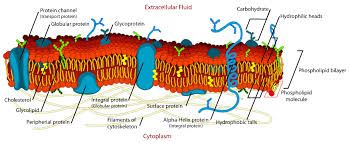
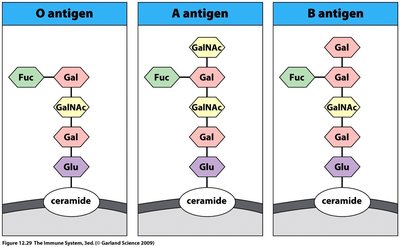
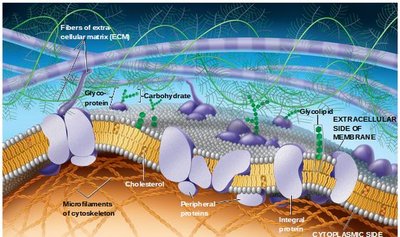
The plasma membrane is a dynamic structure composed of lipids, proteins, and carbohydrates, forming a 'fluid mosaic' that allows for flexibility and selective permeability. - Lipids: Primarily phospholipids, which are amphipathic (having both hydrophobic and hydrophilic regions). - Proteins: Integral and peripheral proteins embedded or associated with the lipid bilayer. - Carbohydrates: Present in small amounts, often attached to proteins (glycoproteins) or lipids (glycolipids) for cell recognition. Diagram of cell membrane showing phospholipid bilayer, proteins, cholesterol, and carbohydrates Detailed diagram of membrane structure with labeled components
Phospholipid Bilayer

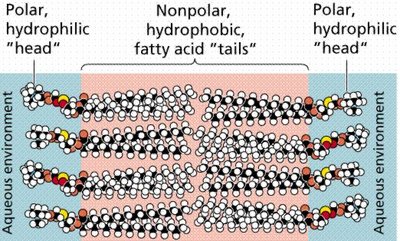
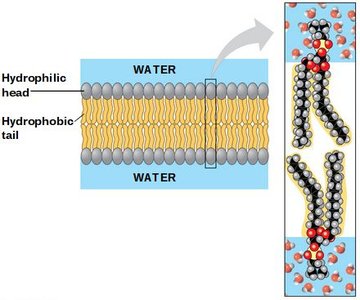
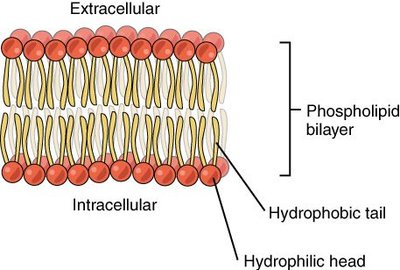
The phospholipid bilayer forms the fundamental structure of the membrane, separating two aqueous environments. - Hydrophilic heads face outward toward water. - Hydrophobic tails face inward, away from water. - Amphipathic nature allows for self-assembly in water. Phospholipid bilayer with hydrophilic heads and hydrophobic tails Phospholipid bilayer showing polar heads and nonpolar tails Phospholipid bilayer labeled with hydrophilic head and hydrophobic tail
Membrane Proteins

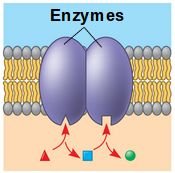
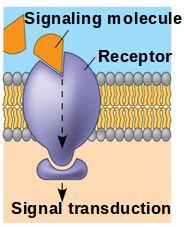
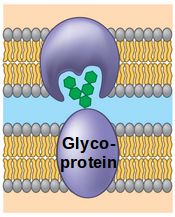
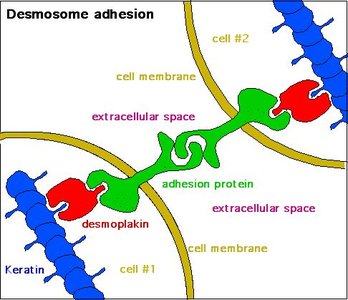
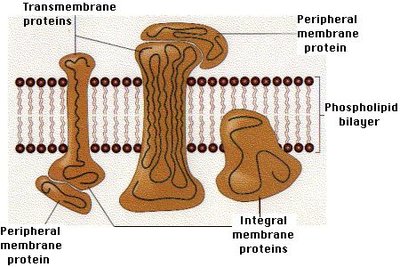
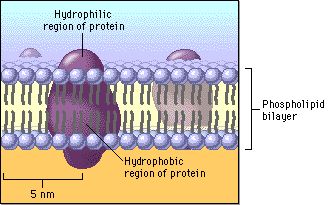
Membrane proteins are essential for the diverse functions of the cell membrane. - Integral proteins: Penetrate the hydrophobic core; often transmembrane. - Peripheral proteins: Loosely bound to the membrane surface or to integral proteins. - Functions: Transport, enzymatic activity, signal transduction, cell-cell recognition, intercellular joining, and attachment to cytoskeleton/ECM. Diagram showing hydrophilic and hydrophobic regions of membrane protein Membrane protein functions: transport, enzymatic activity, signal transduction, cell-cell recognition, intercellular joining, attachment Membrane protein functions: transport, enzymatic activity, signal transduction, cell-cell recognition, intercellular joining, attachment Membrane protein functions: transport, enzymatic activity, signal transduction, cell-cell recognition, intercellular joining, attachment Membrane protein functions: transport, enzymatic activity, signal transduction, cell-cell recognition, intercellular joining, attachment Membrane protein functions: transport, enzymatic activity, signal transduction, cell-cell recognition, intercellular joining, attachment Membrane protein functions: transport, enzymatic activity, signal transduction, cell-cell recognition, intercellular joining, attachment Types of membrane proteins: integral, peripheral, transmembrane Membrane protein functions: transport, enzymatic activity, signal transduction, cell-cell recognition, intercellular joining, attachment Membrane protein functions: transport, enzymatic activity, signal transduction, cell-cell recognition, intercellular joining, attachment Membrane protein functions: transport, enzymatic activity, signal transduction, cell-cell recognition, intercellular joining, attachment Membrane protein functions: transport, enzymatic activity, signal transduction, cell-cell recognition, intercellular joining, attachment Membrane protein functions: transport, enzymatic activity, signal transduction, cell-cell recognition, intercellular joining, attachment Membrane protein functions: transport, enzymatic activity, signal transduction, cell-cell recognition, intercellular joining, attachment Membrane protein functions: transport, enzymatic activity, signal transduction, cell-cell recognition, intercellular joining, attachment Membrane protein functions: transport, enzymatic activity, signal transduction, cell-cell recognition, intercellular joining, attachment Membrane protein functions: transport, enzymatic activity, signal transduction, cell-cell recognition, intercellular joining, attachment Membrane protein functions: transport, enzymatic activity, signal transduction, cell-cell recognition, intercellular joining, attachment Membrane protein functions: transport, enzymatic activity, signal transduction, cell-cell recognition, intercellular joining, attachment Membrane protein functions: transport, enzymatic activity, signal transduction, cell-cell recognition, intercellular joining, attachment Membrane protein functions: transport, enzymatic activity, signal transduction, cell-cell recognition, intercellular joining, attachment Membrane protein functions: transport, enzymatic activity, signal transduction, cell-cell recognition, intercellular joining, attachment Membrane protein functions: transport, enzymatic activity, signal transduction, cell-cell recognition, intercellular joining, attachment Membrane protein functions: transport, enzymatic activity, signal transduction, cell-cell recognition, intercellular joining, attachment Membrane protein functions: transport, enzymatic activity, signal transduction, cell-cell recognition, intercellular joining, attachment Membrane protein functions: transport, enzymatic activity, signal transduction, cell-cell recognition, intercellular joining, attachment Membrane protein functions: transport, enzymatic activity, signal transduction, cell-cell recognition, intercellular joining, attachment Membrane protein functions: transport, enzymatic activity, signal transduction, cell-cell recognition, intercellular joining, attachment Membrane protein functions: transport, enzymatic activity, signal transduction, cell-cell recognition, intercellular joining, attachment Membrane protein functions: transport, enzymatic activity, signal transduction, cell-cell recognition, intercellular joining, attachment Membrane protein functions: transport, enzymatic activity, signal transduction, cell-cell recognition, intercellular joining, attachment Membrane protein functions: transport, enzymatic activity, signal transduction, cell-cell recognition, intercellular joining, attachment Membrane protein functions: transport, enzymatic activity, signal transduction, cell-cell recognition, intercellular joining, attachment Membrane protein functions: transport, enzymatic activity, signal transduction, cell-cell recognition, intercellular joining, attachment Membrane protein functions: transport, enzymatic activity, signal transduction, cell-cell recognition, intercellular joining, attachment Membrane protein functions: transport, enzymatic activity, signal transduction, cell-cell recognition, intercellular joining, attachment Membrane protein functions: transport, enzymatic activity, signal transduction, cell-cell recognition, intercellular joining, attachment Membrane protein functions: transport, enzymatic activity, signal transduction, cell-cell recognition, intercellular joining, attachment Membrane protein functions: transport, enzymatic activity, signal transduction, cell-cell recognition, intercellular joining, attachment Membrane protein functions: transport, enzymatic activity, signal transduction, cell-cell recognition, intercellular joining, attachment Membrane protein functions: transport, enzymatic activity, signal transduction, cell-cell recognition, intercellular joining, attachment Membrane protein functions: transport, enzymatic activity, signal transduction, cell-cell recognition, intercellular joining, attachment Membrane protein functions: transport, enzymatic activity, signal transduction, cell-cell recognition, intercellular joining, attachment Membrane protein functions: transport, enzymatic activity, signal transduction, cell-cell recognition, intercellular joining, attachment Membrane protein functions: transport, enzymatic activity, signal transduction, cell-cell recognition, intercellular joining, attachment Membrane protein functions: transport, enzymatic activity, signal transduction, cell-cell recognition, intercellular joining, attachment Membrane protein functions: transport, enzymatic activity, signal transduction, cell-cell recognition, intercellular joining, attachment Membrane protein functions: transport, enzymatic activity, signal transduction, cell-cell recognition, intercellular joining, attachment Membrane protein functions: transport, enzymatic activity, signal transduction, cell-cell recognition, intercellular joining, attachment Membrane protein functions: transport, enzymatic activity, signal transduction, cell-cell recognition, intercellular joining, attachment Membrane protein functions: transport, enzymatic activity, signal transduction, cell-cell recognition, intercellular joining, attachment Membrane protein functions: transport, enzymatic activity, signal transduction, cell-cell recognition, intercellular joining, attachment Membrane protein functions: transport, enzymatic activity, signal transduction, cell-cell recognition, intercellular joining, attachment Membrane protein functions: transport, enzymatic activity, signal transduction, cell-cell recognition, intercellular joining, attachment Membrane protein functions: transport, enzymatic activity, signal transduction, cell-cell recognition, intercellular joining, attachment Membrane protein functions: transport, enzymatic activity, signal transduction, cell-cell recognition, intercellular joining, attachment Membrane protein functions: transport, enzymatic activity, signal transduction, cell-cell recognition, intercellular joining, attachment Membrane protein functions: transport, enzymatic activity, signal transduction, cell-cell recognition, intercellular joining, attachment Membrane protein functions: transport, enzymatic activity, signal transduction, cell-cell recognition, intercellular joining, attachment Membrane protein functions: transport, enzymatic activity, signal transduction, cell-cell recognition, intercellular joining, attachment Membrane protein functions: transport, enzymatic activity, signal transduction, cell-cell recognition, intercellular joining, attachment Membrane protein functions: transport, enzymatic activity, signal transduction, cell-cell recognition, intercellular joining, attachment Membrane protein functions: transport, enzymatic activity, signal transduction, cell-cell recognition, intercellular joining, attachment Membrane protein functions: transport, enzymatic activity, signal transduction, cell-cell recognition, intercellular joining, attachment Membrane protein functions: transport, enzymatic activity, signal transduction, cell-cell recognition, intercellular joining, attachment Membrane protein functions: transport, enzymatic activity, signal transduction, cell-cell recognition, intercellular joining, attachment Membrane protein functions: transport, enzymatic activity, signal transduction, cell-cell recognition, intercellular joining, attachment Membrane protein functions: transport, enzymatic activity, signal transduction, cell-cell recognition, intercellular joining, attachment Membrane protein functions: transport, enzymatic activity, signal transduction, cell-cell recognition, intercellular joining, attachment Membrane protein functions: transport, enzymatic activity, signal transduction, cell-cell recognition, intercellular joining, attachment Membrane protein functions: transport, enzymatic activity, signal transduction, cell-cell recognition, intercellular joining, attachment Membrane protein functions: transport, enzymatic activity, signal transduction, cell-cell recognition, intercellular joining, attachment Membrane protein functions: transport, enzymatic activity, signal transduction, cell-cell recognition, intercellular joining, attachment Membrane protein functions: transport, enzymatic activity, signal transduction, cell-cell recognition, intercellular joining, attachment Membrane protein functions: transport, enzymatic activity, signal transduction, cell-cell recognition, intercellular joining, attachment Membrane protein functions: transport, enzymatic activity, signal transduction, cell-cell recognition, intercellular joining, attachment Membrane protein functions: transport, enzymatic activity, signal transduction, cell-cell recognition, intercellular joining, attachment Membrane protein functions: transport, enzymatic activity, signal transduction, cell-cell recognition, intercellular joining, attachment Membrane protein functions: transport, enzymatic activity, signal transduction, cell-cell recognition, intercellular joining, attachment Membrane protein functions: transport, enzymatic activity, signal transduction, cell-cell recognition, intercellular joining, attachment Membrane protein functions: transport, enzymatic activity, signal transduction, cell-cell recognition, intercellular joining, attachment Membrane protein functions: transport, enzymatic activity, signal transduction, cell-cell recognition, intercellular joining, attachment Membrane protein functions: transport, enzymatic activity, signal transduction, cell-cell recognition, intercellular joining, attachment Membrane protein functions: transport, enzymatic activity, signal transduction, cell-cell recognition, intercellular joining, attachment Membrane protein functions: transport, enzymatic activity, signal transduction, cell-cell recognition, intercellular joining, attachment Membrane protein functions: transport, enzymatic activity, signal transduction, cell-cell recognition, intercellular joining, attachment
Membrane Fluidity

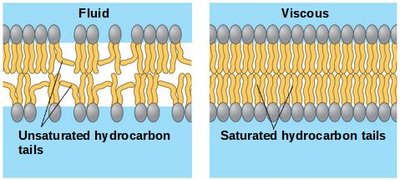
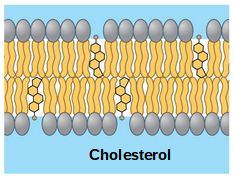
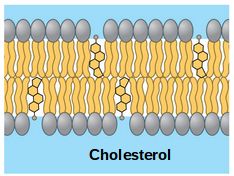
Membrane fluidity is influenced by temperature, lipid composition, and cholesterol. - Hydrophobic interactions hold the membrane together, but are not covalent bonds. - Lateral movement of lipids and proteins is common; flip-flopping is rare. - Temperature: Lower temperature decreases fluidity, causing membranes to solidify. - Saturation: Unsaturated fatty acids increase fluidity; saturated fatty acids increase viscosity. - Cholesterol: Acts as a temperature buffer, stabilizing the membrane. Bacon grease (fluid) vs lard (solid) as analogy for membrane fluidity Saturated vs unsaturated fatty acids in membrane Fluid vs viscous membrane: unsaturated vs saturated hydrocarbon tails Cholesterol in membrane

Selective Permeability

Principles of Selective Permeability

The plasma membrane allows certain molecules to pass while restricting others, maintaining cellular homeostasis. - Can pass easily: Small, nonpolar molecules (e.g., O2, CO2, small hydrocarbons). - Need help to pass: Large, polar molecules (e.g., sugars, water), and ions (due to hydration shell). Diagram showing selective permeability of membrane
Transport Proteins

Transport proteins facilitate the movement of molecules across the membrane. - Channel proteins: Provide hydrophilic channels for specific molecules or ions. - Carrier proteins: Change shape to move substances across the membrane. - Aquaporins: Specialized channels for water transport. - Ion channels: Transport ions; gated channels open/close in response to stimuli.

Passive Transport

Diffusion

Diffusion is the movement of molecules from areas of high concentration to low concentration, driven by the concentration gradient. - No energy required. - Example: CO2 produced in cells diffuses out due to higher internal concentration.

Facilitated Diffusion

Facilitated diffusion is the passive movement of molecules or ions down their concentration gradient with the help of transport proteins. - No energy required.

Osmosis

Osmosis is the diffusion of water across a selectively permeable membrane. - Water moves toward higher solute concentration (lower water concentration). - Tonicity: Describes the effect of a solution on cell water balance (isotonic, hypotonic, hypertonic).

Osmosis in Cells

- Isotonic: Equal solute concentration inside and outside; no net water movement. - Hypertonic: Higher solute concentration outside; water leaves cell. - Hypotonic: Higher solute concentration inside; water enters cell.

Active Transport

Mechanisms of Active Transport

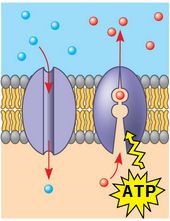
Active transport moves solutes against their concentration gradient, requiring energy (usually ATP). - Always involves carrier proteins, not channels. - Example: Sodium-potassium pump (Na+ out, K+ in; 3 Na+ out/2 K+ in). Diagram of active transport with ATP

Electrogenic Pumps and Membrane Potential

- Electrogenic pump: Generates voltage across membrane (e.g., sodium-potassium pump, proton pump). - Membrane potential: Electrical potential difference across membrane (negative inside, positive outside).

Cotransport

Cotransport couples the downhill diffusion of one substance to the uphill transport of another.

Bulk Transport

Exocytosis

Exocytosis is the secretion of molecules by the fusion of vesicles with the plasma membrane. - Example: Budding from Golgi, fusion with membrane, release of contents.

Endocytosis

Endocytosis is the cellular uptake of molecules and particulate matter via vesicle formation. - Phagocytosis: "Cellular eating"; pseudopodia engulf particles, forming food vacuole. - Pinocytosis: "Cellular drinking"; non-specific uptake of extracellular fluid. - Receptor-mediated endocytosis: Specific ligands bind to receptors, triggering vesicle formation (e.g., cholesterol uptake via LDL receptors).

Summary Table: Membrane Transport Types

Transport Type

Energy Required?

Direction

Example

Simple Diffusion

No

High to Low

O2, CO2

Facilitated Diffusion

No

High to Low

Glucose, ions via channels

Osmosis

No

Water moves to higher solute

Water balance in cells

Active Transport

Yes (ATP)

Low to High

Sodium-potassium pump

Bulk Transport (Exocytosis/Endocytosis)

Yes

Varies

Secretion, phagocytosis

Additional info: Academic context was added to clarify the functions of membrane proteins, the role of cholesterol, and the mechanisms of transport. This guide covers all major aspects of membrane structure and function relevant to General Biology.

Pearson Logo

Study Prep