 Indietro
Mendelian Genetics and Beyond: Study Notes for General Biology
Guida di studio - Note intelligenti
 Appunti personalizzati basati sui tuoi materiali, ampliati con definizioni chiave, esempi e contesto.
Mendelian Genetics
Genetics Terminology
Genetics is the study of heredity and variation in organisms. Understanding basic terminology is essential for grasping Mendelian principles.
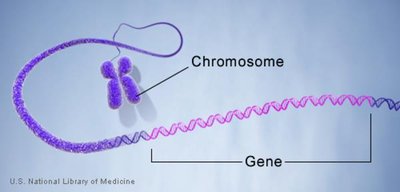
Gene: A segment of DNA that often codes for a protein and determines a specific trait.
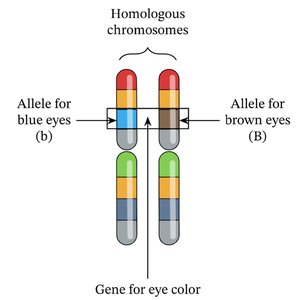
Trait: A genetically determined characteristic, such as eye color or height.
Allele: Alternate forms of a gene, found at the same locus on homologous chromosomes.
Expression: The process by which proteins are produced from genes, resulting in observable traits.
Phenotype and Genotype
The distinction between phenotype and genotype is fundamental in genetics.
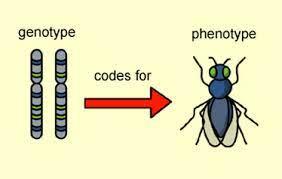
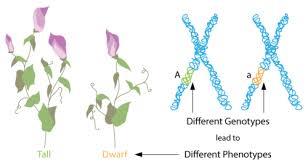
Phenotype: The physical appearance or observable expression of a trait (e.g., brown eyes).
Genotype: The genetic makeup of a trait, represented by the combination of alleles (e.g., Aa, BB).
Dominant and Recessive Alleles
Alleles can be classified as dominant or recessive based on their expression in the phenotype.
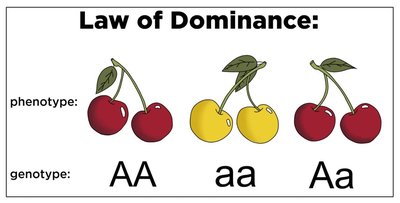
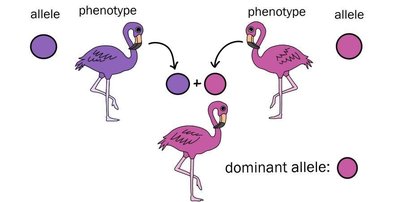
Dominant allele: Always expressed if present; denoted by a capital letter (e.g., B).
Recessive allele: Only expressed if no dominant allele is present; denoted by a lowercase letter (e.g., b).
Dominance does not correlate with allele frequency or parental origin.
Homozygous and Heterozygous
The combination of alleles determines whether an individual is homozygous or heterozygous for a trait.
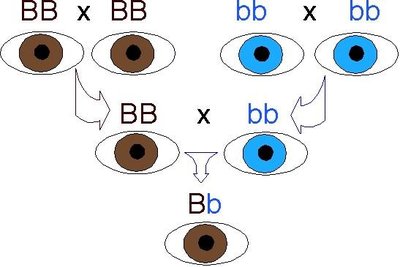
Homozygous: Two identical alleles (e.g., BB or bb).
Heterozygous: Two different alleles (e.g., Bb).
Generations in Genetic Crosses
Mendelian experiments use specific terminology for generations.
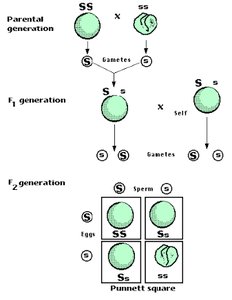
P generation: Parental generation, true-breeding and homozygous for the trait.
F1 generation: First filial generation, offspring of the P generation.
F2 generation: Second filial generation, offspring of the F1 generation.
Fx generation: Offspring from the previous generation (Fx-1).
Mendel’s Laws
Law of Dominance (Law #1)
This law states that the dominant allele will mask the expression of the recessive allele in the phenotype.
If an organism has at least one dominant allele, the dominant trait is expressed.
The recessive trait is only expressed if both alleles are recessive.
Law of Segregation (Law #2)
Each individual has two alleles for each trait, one from each parent. These alleles segregate during gamete formation, so each gamete receives only one allele.
Alleles are found on homologous chromosomes.
Segregation occurs during meiosis, resulting in gametes with one allele per trait.
Fertilization restores the pair of alleles in the offspring.
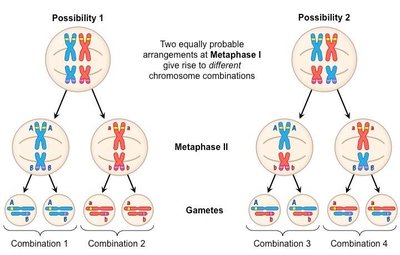
Law of Independent Assortment (Law #3)
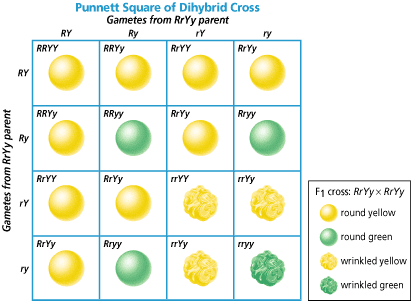
Alleles for different traits assort independently during meiosis, leading to genetic variation.
The inheritance of one trait does not affect the inheritance of another.
For humans, there are possible combinations of chromosomes in a gamete.
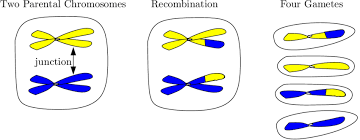
Crossing over during meiosis further increases genetic variation.

Test Cross
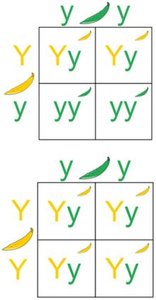
A test cross is used to determine the genotype of an individual with a dominant phenotype by crossing it with a homozygous recessive individual.
If any offspring display the recessive phenotype, the unknown parent must be heterozygous.
Autosomal Patterns of Inheritance
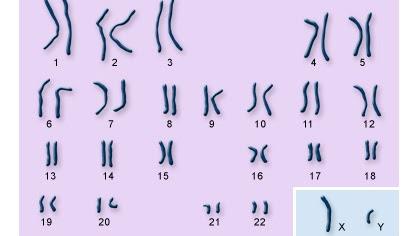
Autosomes and Sex Chromosomes
Autosomes are chromosomes that are not sex chromosomes. Humans have 22 pairs of autosomes and one pair of sex chromosomes (XX or XY).
Autosomal traits are inherited regardless of sex.
Sex-linked traits are found on the X or Y chromosome.
Pedigree Analysis
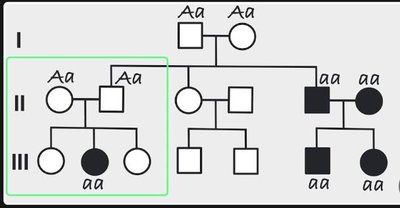
Pedigrees are used to trace inheritance patterns in families.
Squares represent males, circles represent females.
Shaded symbols indicate individuals expressing the trait.
Autosomal dominant: All affected individuals have an affected parent.
Autosomal recessive: Affected individuals can arise from two unaffected parents.
Beyond Mendel: Special Cases in Genetics
Multiple Alleles and Codominance
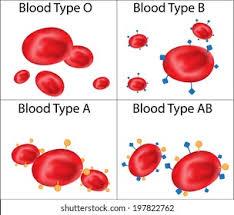
Some traits are controlled by more than two alleles, and sometimes more than one allele can be dominant.
Codominance: Both dominant alleles are fully expressed (e.g., blood type AB).
Multiple alleles: More than two possible alleles exist for a gene (e.g., ABO blood group).
Incomplete Dominance
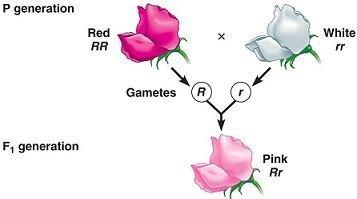
Occurs when one allele is not completely dominant over another, resulting in a blending of traits.
Example: Red and white flowers produce pink offspring.
Incomplete Penetrance
Sometimes, a dominant allele does not always determine the phenotype due to environmental or other genetic factors.
Example: Polydactyly (extra fingers or toes) is autosomal dominant, but not all carriers express the trait.
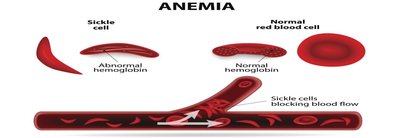
Pleiotropy
A single gene can affect multiple, seemingly unrelated traits.
Example: Sickle cell disease affects blood cells, immunity, and resistance to malaria.

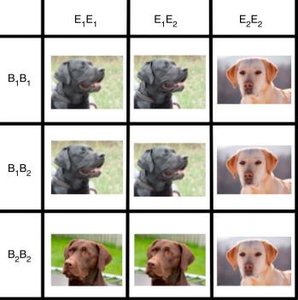
Epistasis
One gene can override or mask the effects of another gene.
Example: Coat color in dogs is determined by two genes, where one gene can mask the expression of the other.
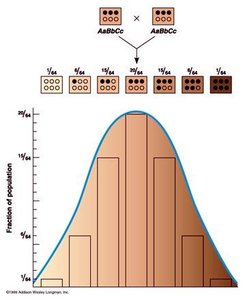
Polygenic Inheritance
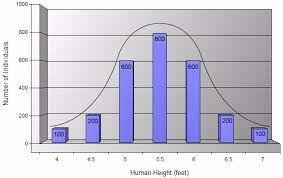
Most human traits are determined by multiple genes, resulting in continuous variation.
Examples: Skin color, height.
Polygenic traits often show a bell-shaped distribution in populations.
X-linked Inheritance
Traits located on the X chromosome are inherited differently in males and females.
Males are more frequently affected by X-linked recessive traits because they have only one X chromosome.
Females must inherit two copies of the recessive allele to express the trait; one copy makes them carriers.
Examples: Color blindness, hemophilia, Duchenne muscular dystrophy.
Autosomal vs. X-linked Inheritance
Autosomal traits are inherited equally by both sexes, while X-linked traits show distinct patterns based on sex.
X-linked recessive traits are more common in males.
Pedigrees for X-linked traits show most affected individuals as males.
Summary Table: Mendelian vs. Non-Mendelian Inheritance
Inheritance Type | Key Features | Example |
|---|---|---|
Mendelian (Simple) | One gene, two alleles, dominant/recessive | Pea plant height |
Codominance | Both alleles fully expressed | AB blood type |
Incomplete Dominance | Blending of traits | Pink flowers |
Polygenic | Multiple genes, continuous variation | Skin color, height |
X-linked | Sex chromosome inheritance | Color blindness |
Pleiotropy | One gene, multiple traits | Sickle cell disease |
Epistasis | One gene masks another | Dog coat color |
Additional info: These notes expand on the original content by providing definitions, examples, and visual aids for each concept, ensuring a comprehensive and self-contained study guide for exam preparation.
