 Indietro
Metabolism and Energy: Foundations of Bioenergetics
Guida di studio - Note intelligenti
 Appunti personalizzati basati sui tuoi materiali, ampliati con definizioni chiave, esempi e contesto.
Metabolism: The Chemical Processes of Life
Definition and Overview
Metabolism is the sum of all chemical reactions that occur within a living organism, enabling it to maintain life, grow, and reproduce. These reactions transform energy and matter, following the laws of thermodynamics. Organisms use energy to drive processes essential for survival, such as movement, synthesis of molecules, and cellular maintenance.
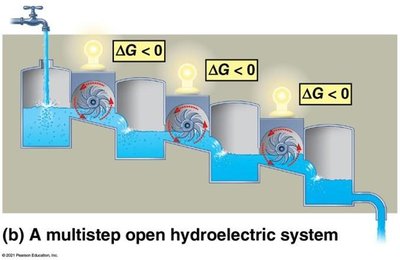
Metabolic pathways are sequences of chemical reactions, each catalyzed by a specific enzyme, that convert a starting molecule into a final product through several intermediate steps.
Energy and matter are not created or destroyed but are transformed through these pathways.
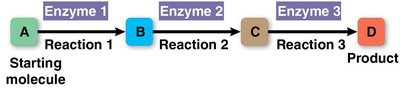
Types of Metabolic Pathways
Catabolic pathways break down complex molecules into simpler ones, releasing energy (e.g., cellular respiration).
Anabolic pathways build complex molecules from simpler ones, consuming energy (e.g., protein synthesis).
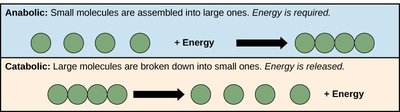
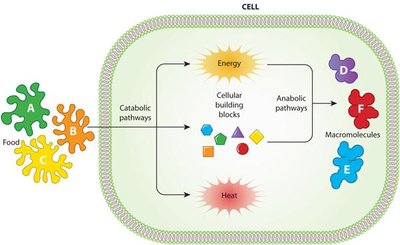
Energy: Forms and Transformations
What is Energy?
Energy is the capacity to cause change or do work. In biological systems, energy is required to move matter against opposing forces and to drive chemical reactions. The study of energy flow and transformation in living organisms is called bioenergetics.
Forms of Energy
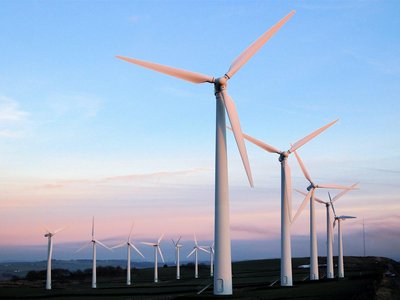
Kinetic energy: Energy of motion. Examples include moving water or wind.
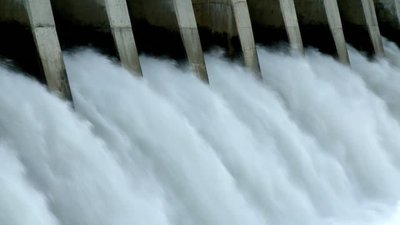
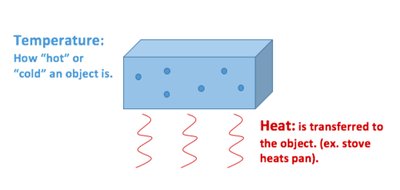
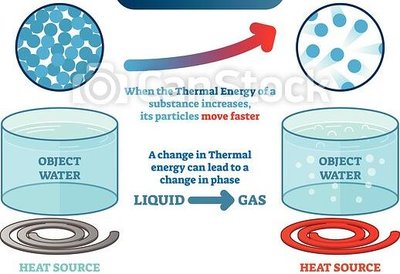
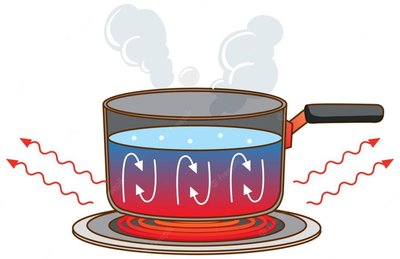
Thermal energy: Kinetic energy at the molecular level; when transferred, it is called heat.
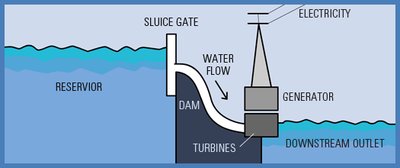
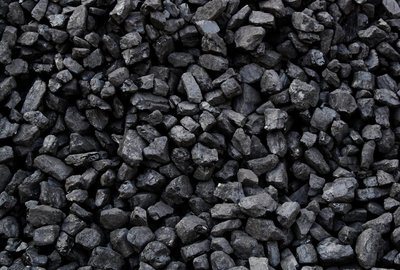
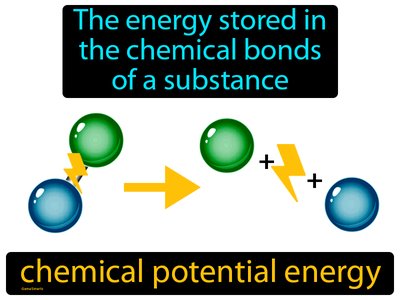
Potential energy: Stored energy due to position or structure. Water held behind a dam or energy stored in chemical bonds are examples.
Chemical energy: A form of potential energy stored in chemical bonds, released during chemical reactions.
Energy Transformation
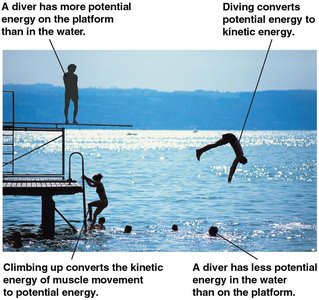
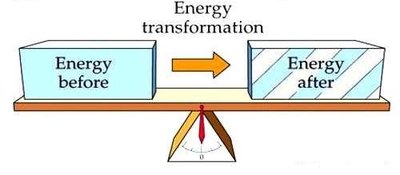
Energy can be converted from one form to another, such as potential energy to kinetic energy or chemical energy to heat. These transformations are fundamental to metabolism and cellular processes.
Thermodynamics in Biology
Systems and Surroundings
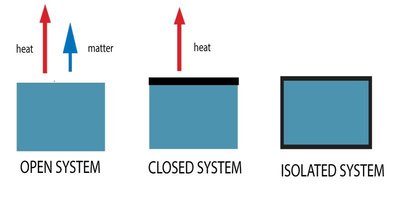
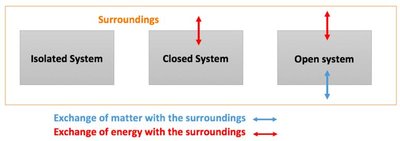
Thermodynamics is the study of energy transformations. Biological systems are typically open systems, exchanging energy and matter with their surroundings.
Isolated system: No exchange of energy or matter with surroundings.
Closed system: Exchanges energy but not matter.
Open system: Exchanges both energy and matter (e.g., living cells).
The Laws of Thermodynamics
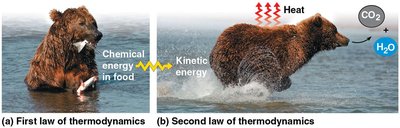
First Law (Conservation of Energy): Energy can be transferred or transformed, but not created or destroyed.
Second Law: Every energy transfer increases the entropy (disorder) of the universe. Some energy is always lost as heat, which cannot be used to do work.
Entropy and Spontaneity
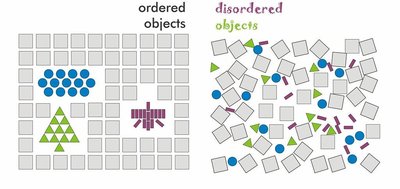
Entropy (S) is a measure of disorder. Spontaneous processes increase entropy and do not require energy input, while nonspontaneous processes decrease entropy and require energy input.
Free Energy and Spontaneous Reactions
Gibbs Free Energy (G)
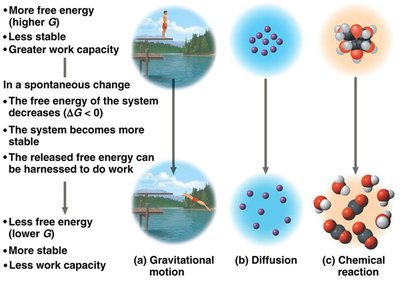
Free energy (G) is the portion of a system's energy that can perform work. The change in free energy () determines whether a reaction is spontaneous.
Formula:
= change in free energy
= change in enthalpy (total energy)
= temperature in Kelvin
= change in entropy
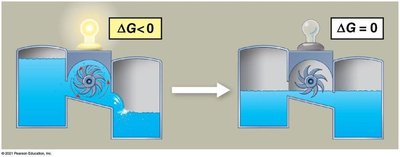
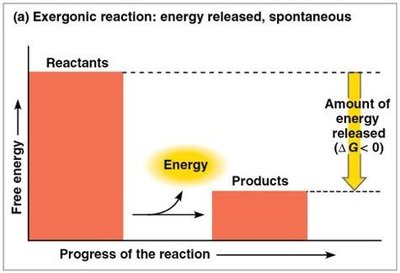
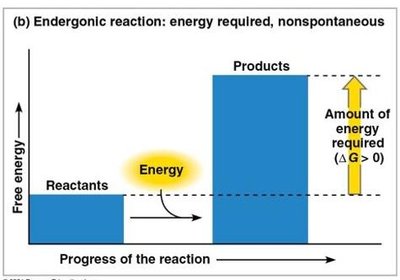
If is negative, the reaction is spontaneous; if zero or positive, the reaction is nonspontaneous.
Stability and Equilibrium
Systems move toward lower free energy (higher stability).
Equilibrium is the state of maximum stability, where no net change occurs.
Open systems (like cells) never reach equilibrium, allowing continuous work.
Exergonic and Endergonic Reactions
Definitions and Characteristics
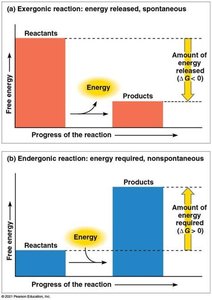
Exergonic reactions: Release free energy (), are spontaneous, and increase system stability.
Endergonic reactions: Absorb free energy (), are nonspontaneous, and decrease system stability.
Summary Table: Key Concepts in Metabolism and Energy
Concept | Definition | Example |
|---|---|---|
Metabolism | All chemical reactions in a living organism | Cellular respiration, photosynthesis |
Catabolic Pathway | Breakdown of complex molecules, releases energy | Glucose breakdown |
Anabolic Pathway | Synthesis of complex molecules, requires energy | Protein synthesis |
Exergonic Reaction | Releases free energy, spontaneous | ATP hydrolysis |
Endergonic Reaction | Requires free energy, nonspontaneous | Photosynthesis |
Entropy (S) | Measure of disorder | Heat loss increases entropy |
Gibbs Free Energy (G) | Energy available to do work | Determines spontaneity of reactions |
Summary
Living organisms rely on energy transformations to sustain life, which are governed by the laws of thermodynamics.
Metabolic pathways enable the stepwise transformation of energy and matter, with enzymes catalyzing each reaction.
Energy exists in various forms—kinetic, thermal, potential, and chemical—and can be transformed from one form to another.
Spontaneity of reactions is determined by changes in free energy (), with exergonic reactions releasing energy and endergonic reactions requiring energy input.
Cells maintain order and avoid equilibrium through continuous energy flow, enabling life processes to persist.
