 Indietro
Metabolism, Biological Molecules, and Disorders: Study Notes for General Biology
Guida di studio - Note intelligenti
 Appunti personalizzati basati sui tuoi materiali, ampliati con definizioni chiave, esempi e contesto.
Metabolism and Disorders
Course Overview and Objectives
This section introduces the study of metabolism and its related disorders, focusing on the molecules essential for life, the characteristics of living organisms, and methods for studying metabolic processes and their dysfunctions.
Metabolism: The sum total of all chemical reactions occurring within an organism, enabling growth, reproduction, and maintenance of cellular functions.
Disorders: Conditions arising from defects in metabolic pathways, often due to enzyme deficiencies.
Scientific Literature: Competence in reading and evaluating scientific studies is a key course objective.
The Characteristics of Life
Properties Shared by All Living Things
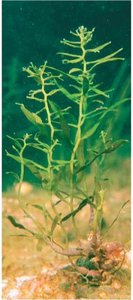
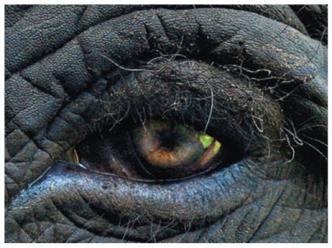
Biologists define life by a set of properties that must all be present for an organism to be considered alive.
Order: Living things have complex, well-ordered structures.
Energy and Matter Processing: Organisms take in energy, convert it to useful forms, and expel waste.
Reproduction: All organisms reproduce their own kind.
Growth and Development: Genetic information controls growth patterns.
Response to Environment: Organisms respond to environmental changes to maintain internal balance.
Evolutionary Adaptations: Traits evolve over generations, enhancing survival and reproduction.
Metabolism: The chemical processes that sustain life.
Homeostasis: Maintenance of stable internal conditions.




Are Viruses Alive?
Viruses possess some but not all properties of life. They are highly ordered and can evolve, but cannot reproduce independently. Most biologists consider viruses to be non-living, existing in a state between living organisms and nonliving chemicals.
Virus Replication: Viruses must infect host cells to reproduce.
Evolution: Viruses are active agents of evolution, often exchanging genetic material with hosts.
The Chemistry of Life
Biological Molecules Important for Life
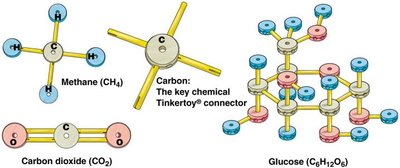
Life is based on a common set of biological molecules, primarily built around carbon, which can form four bonds with other elements, enabling complex molecular structures.
Carbon: Forms the backbone of organic molecules; can bond with up to four different elements.
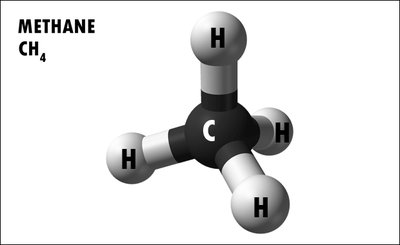
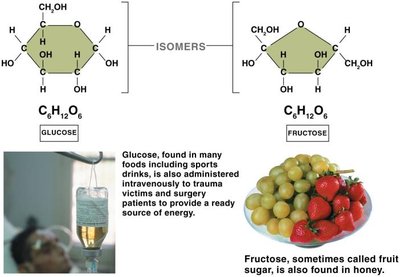
Examples: Methane (CH4), carbon dioxide (CO2), glucose (C6H12O6).
The Properties of Water
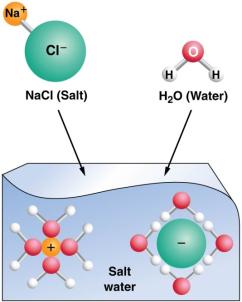
Water is essential for life due to its polar structure, making it an excellent solvent for salts and other polar molecules. It does not dissolve nonpolar molecules, which are hydrophobic.
Solvent: Water dissolves hydrophilic substances (e.g., alcohol) but not hydrophobic substances (e.g., oil).
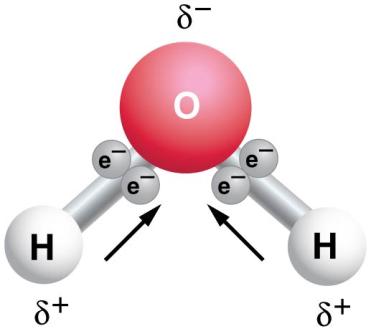
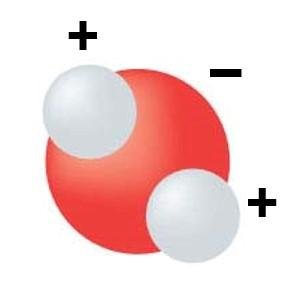
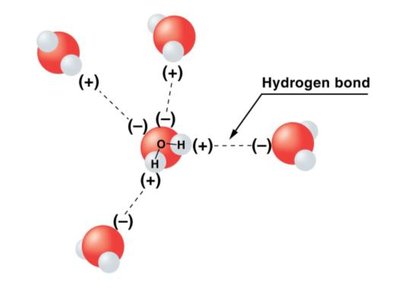
Polarity: Water molecules have regions of partial positive and negative charge due to differences in electronegativity between oxygen and hydrogen.
Organic Molecules Essential for Life
Four Classes of Organic Molecules
Living organisms are composed of four main classes of organic molecules: carbohydrates, lipids, proteins, and nucleic acids. Each class has distinct structures and functions.
Carbohydrates: Energy source and structural component.
Lipids: Energy storage, cell membrane structure, and signaling.
Proteins: Enzymes, structural support, transport, and signaling.
Nucleic Acids: Genetic information storage and transfer.
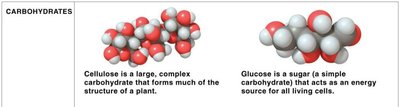
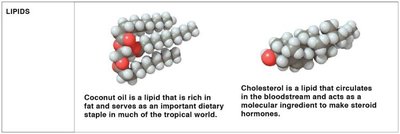
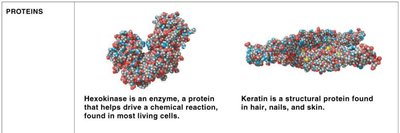
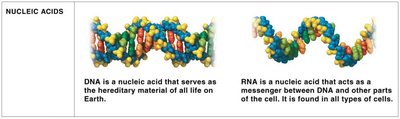
Carbohydrates
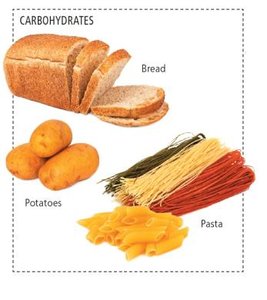
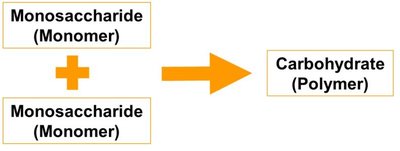
Carbohydrates are a primary source of dietary energy and structural material in plants. They include simple sugars (monosaccharides) and larger molecules formed from sugars.
Monosaccharides: Simple sugars such as glucose and fructose.
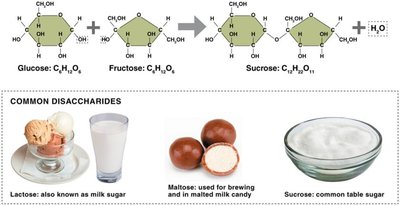
Disaccharides: Formed by joining two monosaccharides (e.g., sucrose).
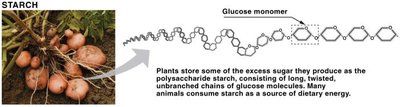
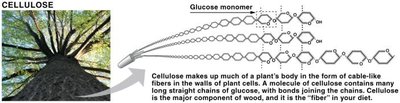
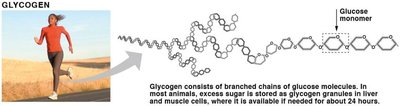
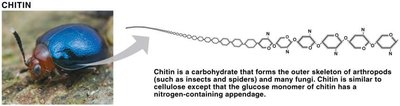
Polysaccharides: Long chains of monosaccharides (e.g., starch, cellulose, glycogen, chitin).
Lipids
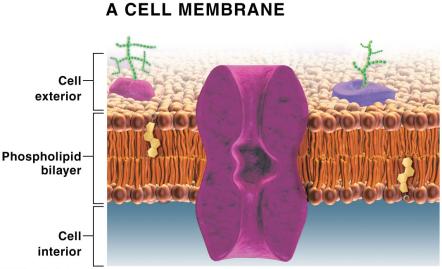
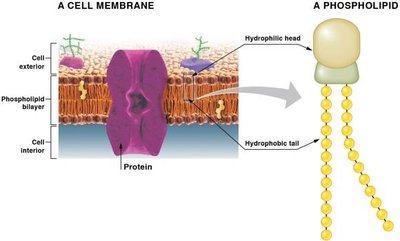
Lipids are hydrophobic molecules that play critical roles in energy storage, cell membrane structure, and hormone synthesis.
Hydrophobicity: Lipids do not mix with water, enabling membrane formation.
Phospholipids: Major component of cell membranes, with hydrophilic heads and hydrophobic tails.
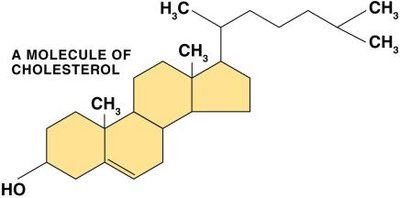
Cholesterol: Maintains membrane fluidity and is a precursor for steroid hormones.

Proteins
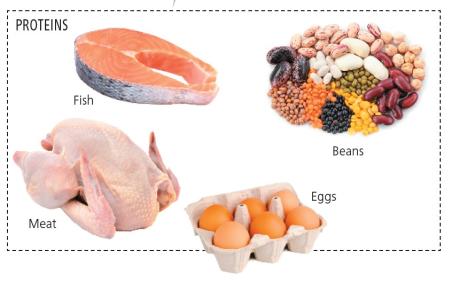
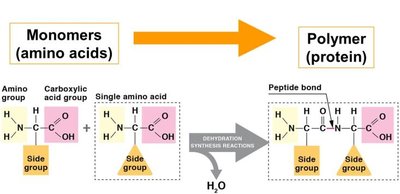
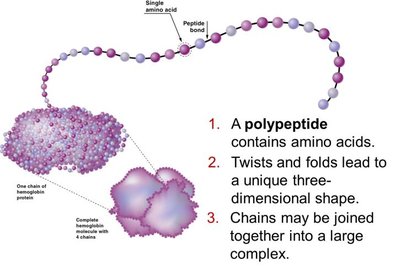
Proteins are polymers made from amino acid monomers. They perform diverse functions, including catalyzing reactions (enzymes), providing structural support, and facilitating transport.
Amino Acids: 20 types, joined by peptide bonds to form polypeptides.
Polypeptides: Chains of amino acids that fold into unique three-dimensional shapes.
Enzymes: Proteins that speed up chemical reactions without being consumed.
Enzymes and Metabolism
Metabolism encompasses all chemical reactions in an organism. Enzymes are proteins that catalyze these reactions, ensuring they occur efficiently and at appropriate rates.
Enzyme Function: Lower activation energy for reactions, enabling life-sustaining processes.
Metabolic Pathways: Series of enzyme-catalyzed reactions that convert substrates into products.
The Cell: The Fundamental Unit of Life
Cell Types and Structure
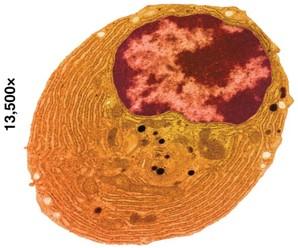
All living organisms are composed of cells, which are the basic units of life. Cells can be classified as prokaryotic or eukaryotic.
Prokaryotic Cells: Small, simple, lack organelles; found in Bacteria and Archaea.
Eukaryotic Cells: Larger, complex, contain membrane-bound organelles; found in plants, animals, fungi, and protists.
Human Body Systems: Digestive System and Metabolism
The Human Digestive System
The digestive system is a long tube (alimentary canal) with specialized organs for processing food. Each section performs specific functions in digestion and absorption.
Mouth: Site of ingestion and mechanical digestion.
Pharynx and Esophagus: Direct food to the stomach via peristalsis.
Stomach: Secretes gastric juice containing enzymes (e.g., pepsin).
Small Intestine: Completes chemical digestion and absorbs nutrients.
Large Intestine (Colon): Absorbs water and forms feces.
Rectum and Anus: Store and expel waste.
Accessory Organs: Salivary glands, liver, gallbladder, and pancreas secrete digestive chemicals.
Stages of Food Processing
Food processing occurs in four stages: ingestion, digestion, absorption, and elimination.
Ingestion: Eating food.
Digestion: Mechanical and chemical breakdown of food.
Absorption: Uptake of nutrients by cells lining the small intestine.
Elimination: Disposal of undigested matter.
Inborn Errors of Metabolism
Metabolic disorders often result from enzyme deficiencies, leading to the accumulation of intermediate substances.
Alkaptonuria (AKU): Deficiency of HGD enzyme; accumulation of homogentisic acid (HGA); affects urine, connective tissue, and causes arthritis.
Phenylketonuria (PKU): Deficiency of PAH enzyme; accumulation of phenylalanine (Phe); treatable by dietary restriction of Phe.
Scientific Evidence and Nutrition
Canada Food Guide and Evidence-Based Nutrition
Nutrition recommendations are based on scientific evidence. For example, studies on the effects of reducing sugary drinks require careful experimental design and data analysis.
Research: Use controlled studies to assess health outcomes.
Evidence: Data-driven conclusions guide public health recommendations.
Summary Table: Classes of Biological Molecules
Class | Monomer | Polymer | Main Functions |
|---|---|---|---|
Carbohydrates | Monosaccharide | Polysaccharide | Energy, structure |
Lipids | Fatty acid, glycerol | Triglyceride, phospholipid | Energy storage, membranes, hormones |
Proteins | Amino acid | Polypeptide | Enzymes, structure, transport |
Nucleic Acids | Nucleotide | DNA, RNA | Genetic information |
Key Equations and Concepts
General formula for monosaccharides:
Formation of disaccharides:
Peptide bond formation:
Additional info: Academic context was added to clarify definitions, examples, and the scientific basis for metabolic disorders and nutrition recommendations.
