 Indietro
Mitosis and Meiosis: The Cell Cycle and Chromosome Dynamics
Guida di studio - Note intelligenti
 Appunti personalizzati basati sui tuoi materiali, ampliati con definizioni chiave, esempi e contesto.
The Cell Cycle
Overview of the Cell Cycle
The cell cycle is the series of events that cells undergo as they grow and divide. It consists of interphase, where the cell prepares for division, and the M phase, where division occurs. - Interphase: The cell spends most of its time here, growing and replicating DNA. - M phase: Includes mitosis or meiosis (nuclear division) and cytokinesis (cytoplasmic division). 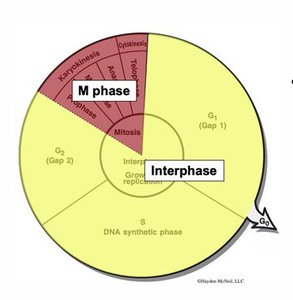
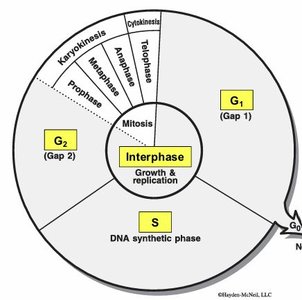
Phases of Interphase
Interphase is divided into three main stages: G1, S, and G2. - G1 (Gap 1): Cell growth and normal metabolic activities. - S (Synthesis): DNA replication; chromosomes are duplicated. - G2 (Gap 2): Preparation for cell division; quality control checks. 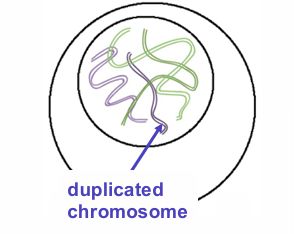
Chromosome Structure and Organization
Eukaryotic Chromosomes
Eukaryotic cells have a defined nucleus containing DNA organized into chromosomes. - Chromosome: A single strand of DNA; each cell contains pairs of chromosomes. - Homologous Pair: Two chromosomes of similar length and gene content, one from each parent. 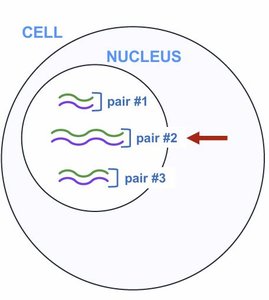
Genes, Alleles, and Loci
- Gene: A segment of DNA encoding a protein product. - Allele: Different versions of a gene. - Locus: Specific location of a gene on a chromosome.
Ploidy
Ploidy refers to the number of complete sets of chromosomes in a cell. - Diploid (2n): Two sets of chromosomes (somatic cells). - Haploid (n): One set of chromosomes (gametes).
Somatic and Reproductive Cells
Somatic Cells
Somatic cells are non-reproductive cells that perform daily functions. - All human somatic cells are diploid (2n).
Reproductive Cells (Gametes)
Gametes are reproductive cells (egg and sperm) and are haploid (n). - Fertilization restores diploidy in the zygote. 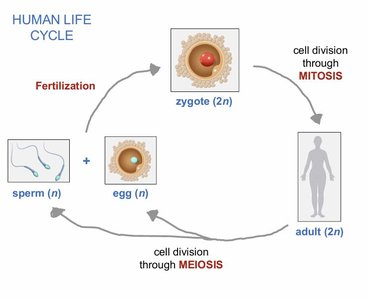
Mitosis
Purpose and Outcome of Mitosis
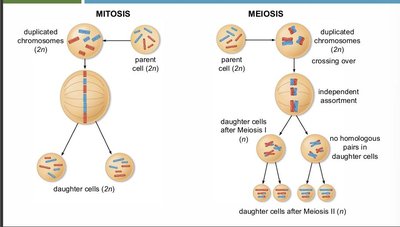
Mitosis is the process by which somatic cells divide, producing two genetically identical daughter cells. - Ensures even distribution of chromosomes. - Maintains diploid chromosome number. 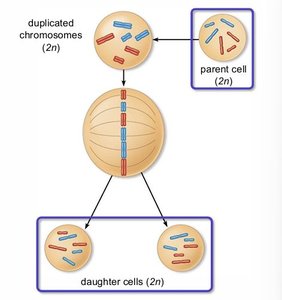
Phases of Mitosis (PMAT)
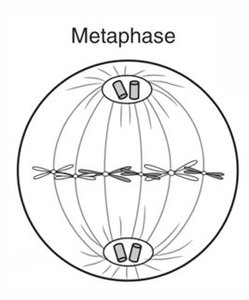
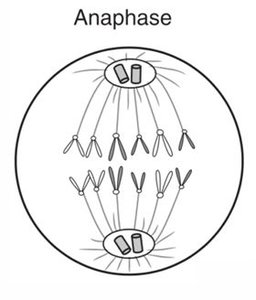
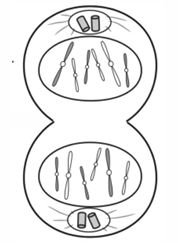
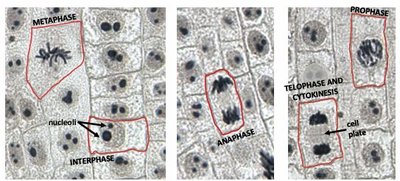
Mitosis consists of four main phases: Prophase, Metaphase, Anaphase, and Telophase. 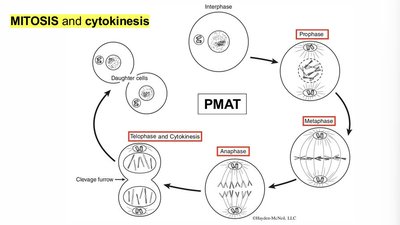
Phase | Description |
|---|---|
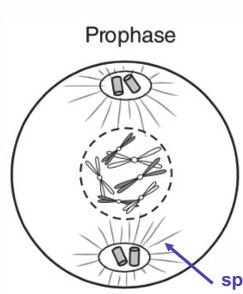
Prophase | Chromosomes condense; spindle apparatus forms. |
Metaphase | Chromosomes align at the cell's equator. |
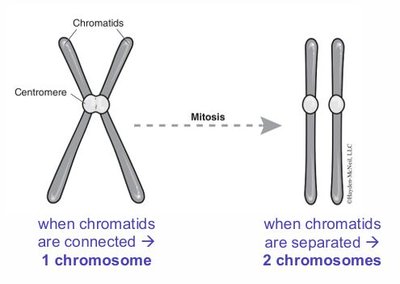
Anaphase | Sister chromatids are pulled apart to opposite poles. |
Telophase | Nucleus reforms; chromosomes decondense. |
Cytokinesis
Cytokinesis is the division of the cytoplasm, resulting in two separate cells. - In animal cells, a cleavage furrow forms. - In plant cells, a cell plate forms, becoming the new cell wall. 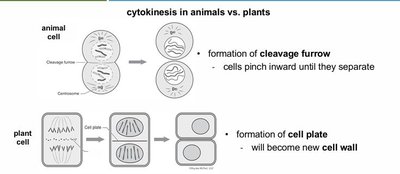
Meiosis
Purpose and Outcome of Meiosis
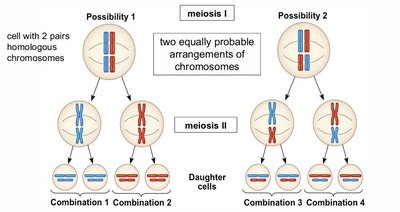
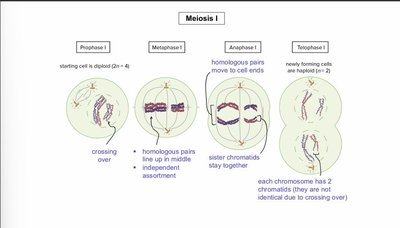
Meiosis is the process by which germ cells divide to produce gametes, resulting in four genetically unique haploid cells. - Reduces chromosome number by half. - Introduces genetic variation through crossing over and independent assortment. 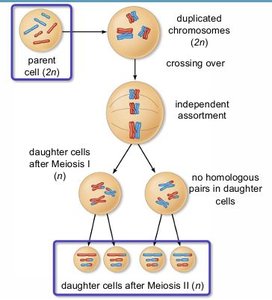
Phases of Meiosis
Meiosis consists of two sequential divisions: Meiosis I and Meiosis II.
Meiosis I | Meiosis II |
|---|---|
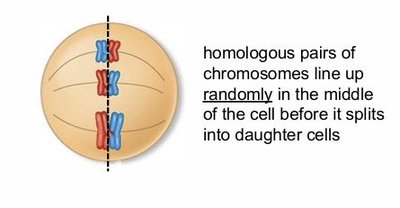
Homologous chromosomes separate; crossing over and independent assortment occur. | Sister chromatids separate; four haploid cells produced. |
Comparison of Mitosis and Meiosis
Mitosis and meiosis are both forms of cell division but differ in their outcomes and purposes.
Feature | Mitosis | Meiosis |
|---|---|---|
Number of divisions | 1 | 2 |
Number of daughter cells | 2 | 4 |
Chromosome number | Diploid (2n) | Haploid (n) |
Genetic identity | Identical to parent | Unique |
Key Terms and Concepts
Chromatid: One of two identical halves of a duplicated chromosome.
Centromere: Region where sister chromatids are joined.
Crossing Over: Exchange of genetic material between homologous chromosomes during meiosis.
Independent Assortment: Random distribution of homologous chromosomes during meiosis.
Equations and Formulas
Diploid chromosome number:
Haploid chromosome number:
Summary Table: Mitosis vs. Meiosis
Process | Purpose | Result |
|---|---|---|
Mitosis | Growth, repair, asexual reproduction | 2 identical diploid cells |
Meiosis | Sexual reproduction | 4 unique haploid cells |
Additional info:
Some details about the cell cycle checkpoints and cancer were inferred for completeness. The diagrams and tables were recreated to clarify the sequence and outcomes of mitosis and meiosis, as well as the differences between plant and animal cytokinesis.
