 Indietro
Molecules of Cells: Structure and Function of Biomolecules
Guida di studio - Note intelligenti
 Appunti personalizzati basati sui tuoi materiali, ampliati con definizioni chiave, esempi e contesto.
Introduction to Organic Compounds
Macromolecules and Biomolecules
All living organisms are composed of four major types of large molecules known as macromolecules or biomolecules. These include carbohydrates, lipids, nucleic acids, and proteins. These molecules are primarily obtained through diet and are essential for cellular structure and function.
Carbohydrates: Energy and structural roles
Lipids: Energy storage, membrane structure
Nucleic acids: Genetic information storage and transfer
Proteins: Enzymatic, structural, transport, and regulatory functions
Carbon Bonding and Isomers
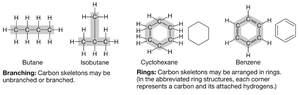
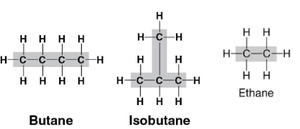
Carbon atoms can form covalent bonds with up to four other atoms, including other carbon atoms. This allows for a wide variety of molecular shapes and properties. Some compounds with the same formula but different structural arrangements are called isomers.
Isomers: Molecules with the same chemical formula but different structures.
Example: Butane and isobutane are isomers; ethane is not.
Organic Molecules and Hydrocarbons
Organic molecules are defined by the presence of covalently bonded carbon (C) and hydrogen (H) atoms. Hydrocarbons are organic molecules containing only carbon and hydrogen.
Hydrocarbon: Only C and H atoms (e.g., methane, gasoline)
Organic: Must contain C and H (e.g., glucose, albumin)
Functional Groups
The unique properties of organic molecules are determined not only by the carbon skeleton but also by the functional groups attached. Functional groups are specific groups of atoms that confer distinct chemical properties.
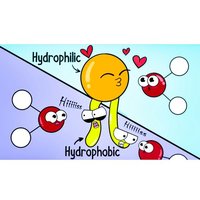
Hydrophilic functional groups: Dissolve in water (e.g., hydroxyl, carboxyl, phosphate)
Hydrophobic functional groups: Do not dissolve in water (e.g., methyl)
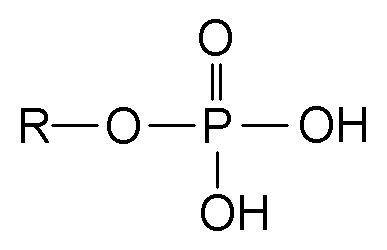
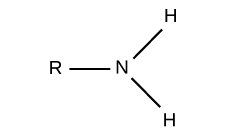
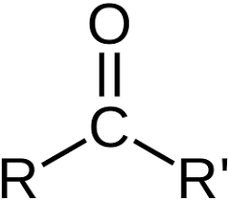
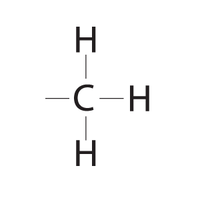
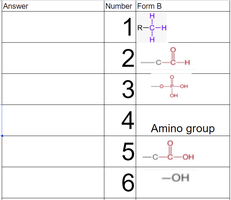
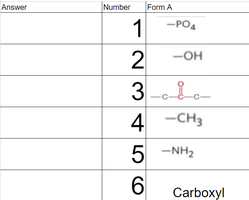
Functional Group Classification Table
Functional groups can be classified based on their chemical properties and presence in biomolecules.
Group | Structure | Property | Found in |
|---|---|---|---|
Hydroxyl | —OH | Hydrophilic | Carbohydrates |
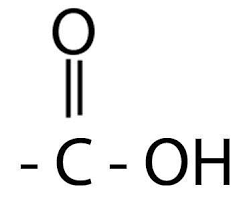
Carboxyl | —COOH | Hydrophilic | Proteins, fatty acids |
Amino | —NH2 | Hydrophilic | Proteins |
Phosphate | —PO4 | Hydrophilic | Nucleic acids |
Methyl | —CH3 | Hydrophobic | Lipids |
Macromolecules: Monomers and Polymers
Monomers and Polymers
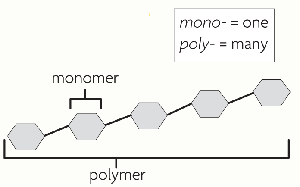
Macromolecules are formed by joining smaller units called monomers into larger structures called polymers. This process is fundamental to the complexity of life.
Monomer: Single subunit (e.g., glucose, amino acid)
Polymer: Chain of monomers (e.g., starch, protein)
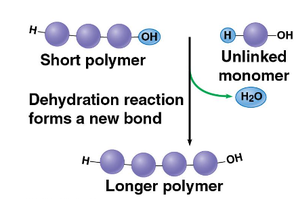
Polymer Formation: Dehydration Reaction
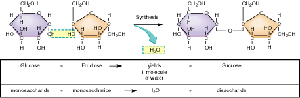
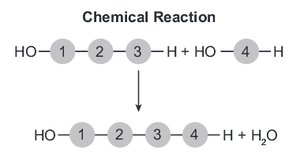
Polymers are synthesized by dehydration reactions (also called condensation reactions), which remove a molecule of water as two monomers bond together. Enzymes catalyze these reactions.
Dehydration reaction: Monomer + Monomer → Polymer + H2O
Enzyme: Protein that facilitates the reaction
Polymer Breakdown: Hydrolysis
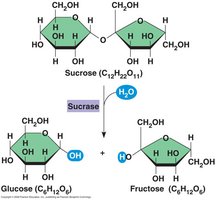
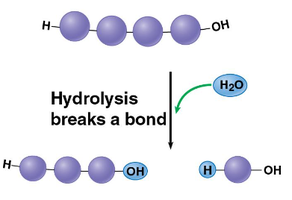
Polymers are broken down into monomers by hydrolysis, a reaction in which water is added to split the bond. Enzymes also catalyze hydrolysis.
Hydrolysis: Polymer + H2O → Monomer + Monomer
Enzyme: Protein that facilitates the reaction
Metabolism: Anabolism and Catabolism
Metabolic Pathways
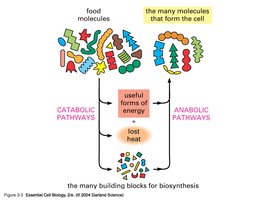
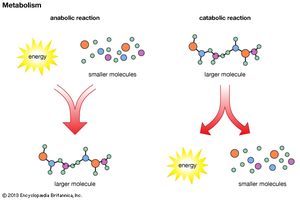
Metabolism encompasses all chemical reactions in living organisms, including those that build up (anabolism) and break down (catabolism) molecules.
Anabolism: Building larger molecules from smaller ones (e.g., dehydration reaction)
Catabolism: Breaking down larger molecules into smaller ones (e.g., hydrolysis)
Carbohydrates
Structure and Function
Carbohydrates are organic molecules composed of carbon, hydrogen, and oxygen in a 1:2:1 ratio. They serve as energy sources and structural components.
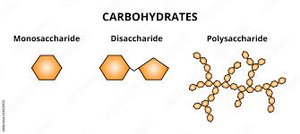
Monomer: Monosaccharide (e.g., glucose)
Dimer: Disaccharide (e.g., sucrose, maltose, lactose)
Polymer: Polysaccharide (e.g., starch, glycogen, cellulose)

Monosaccharides
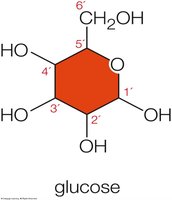
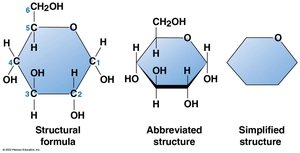
Monosaccharides are simple sugars and the basic units of carbohydrates. Examples include glucose, fructose, galactose, ribose, and deoxyribose.
Glucose: Main energy source
Fructose: Found in fruits
Galactose: Component of lactose
Ribose: Sugar in RNA
Deoxyribose: Sugar in DNA
Disaccharides
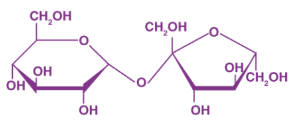
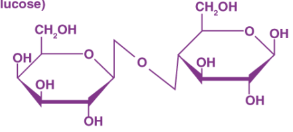
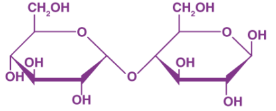
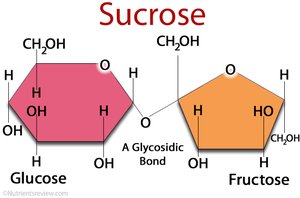
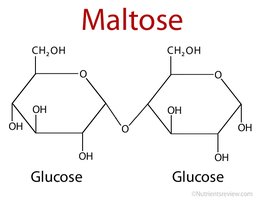
Disaccharides are formed by joining two monosaccharides via dehydration reaction. Examples include sucrose, maltose, and lactose.
Sucrose: Glucose + Fructose
Maltose: Glucose + Glucose
Lactose: Glucose + Galactose
Polysaccharides
Polysaccharides are polymers of monosaccharides and serve as energy storage or structural molecules.
Starch: Energy storage in plants
Glycogen: Energy storage in animals
Cellulose: Structural component in plant cell walls

Lipids
Structure and Function
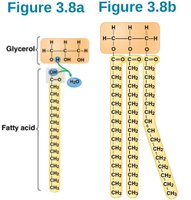
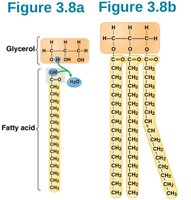
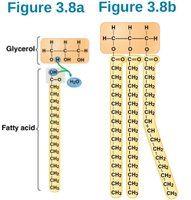
Lipids are hydrophobic organic molecules composed mainly of carbon and hydrogen, with little oxygen. They do not form true polymers and are important for energy storage, membrane structure, and signaling.
Monomers: Glycerol and fatty acids
Polymers: Triglycerides (fats), phospholipids, steroids
Saturated, Unsaturated, and Trans Fats
Fatty acids can be classified based on the presence of double bonds.
Saturated fatty acids: Only single bonds, solid at room temperature
Unsaturated fatty acids: One or more double bonds, liquid at room temperature
Trans fats: Chemically altered unsaturated fats
Phospholipids
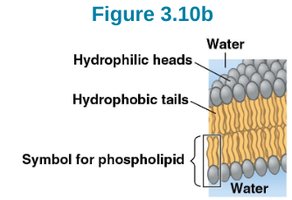
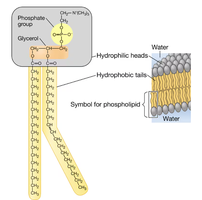
Phospholipids are major components of cell membranes, consisting of a polar phosphate head and nonpolar fatty acid tails. They spontaneously form bilayers in aqueous environments.
Phosphate group: Polar, hydrophilic
Fatty acid tails: Nonpolar, hydrophobic

Steroids
Steroids are lipids with a carbon skeleton of four fused rings. Examples include cholesterol and sex hormones. Anabolic steroids are synthetic variants of testosterone.
Cholesterol: Membrane component, precursor to hormones
Anabolic steroids: Muscle growth, negative health effects
Proteins
Structure and Function
Proteins are polymers of amino acids and perform diverse roles in cells, including enzymatic, structural, transport, and regulatory functions. The structure of a protein determines its function.
Enzymes: Catalyze chemical reactions
Transport proteins: Move substances across membranes
Defensive proteins: Immune response (antibodies)
Receptor proteins: Signal transmission
Contractile proteins: Muscle contraction
Storage proteins: Amino acid supply
Amino Acids
Amino acids are the monomers of proteins, each containing an amine group, a carboxyl group, and a variable R group. There are 20 different amino acids.
Amine group: —NH2
Carboxyl group: —COOH
R group: Variable side chain
Protein Structure Levels
Proteins have four levels of structure:
Primary: Sequence of amino acids
Secondary: Folding into alpha helices or beta sheets
Tertiary: Further folding due to R group interactions
Quaternary: Multiple polypeptides forming a functional protein
Nucleic Acids
Structure and Function
Nucleic acids are polymers of nucleotides and are responsible for storing and transmitting genetic information. The two main types are DNA and RNA.
DNA: Deoxyribonucleic acid, stores genetic information
RNA: Ribonucleic acid, involved in protein synthesis
Nucleotide Structure
Nucleotides consist of three parts: a nitrogenous base, a phosphate group, and a 5-carbon sugar (ribose or deoxyribose).
Nitrogenous base: Adenine (A), Guanine (G), Cytosine (C), Thymine (T) in DNA; Uracil (U) replaces T in RNA
Phosphate group: Provides negative charge and backbone structure
5-carbon sugar: Ribose in RNA, deoxyribose in DNA
DNA Structure and Gene Expression
DNA forms a double helix with two polynucleotide chains. The sugars and phosphates form the backbone, while the nitrogenous bases pair in the center. DNA directs protein synthesis through gene expression.
Double helix: Two strands held together by hydrogen bonds
Gene expression: DNA → RNA → Protein
Summary Table: Biomolecule Categories
Category | Monomer | Polymer | Main Elements | Main Function |
|---|---|---|---|---|
Carbohydrate | Monosaccharide | Polysaccharide | C, H, O | Energy, structure |
Lipid | Glycerol, Fatty acid | Triglyceride, Phospholipid, Steroid | C, H, O | Energy storage, membrane |
Protein | Amino acid | Polypeptide | C, H, O, N, S | Enzymes, structure, transport |
Nucleic acid | Nucleotide | DNA, RNA | C, H, O, N, P | Genetic information |
