 Indietro
Nutrition and Digestion: Essential Concepts for General Biology
Guida di studio - Note intelligenti
 Appunti personalizzati basati sui tuoi materiali, ampliati con definizioni chiave, esempi e contesto.
Nutrition and Digestion
Essential Animal Nutrients
Animals require a variety of nutrients to maintain health, support growth, and power metabolic activities. These nutrients are obtained from food and are classified into several major categories.
Carbohydrates: Provide quick energy. Includes sugars (e.g., glucose, sucrose) and polysaccharides (e.g., cellulose, starch, glycogen). - Cellulose is the most abundant carbohydrate, forming plant cell walls, but only a few organisms can digest it. - Starch is the main energy-storage material in plants and a major energy source for humans. - Glycogen is synthesized and stored in the liver and muscles of animals for quick energy.
Lipids (Fats and Oils): Most concentrated energy source, storing more than twice as many Calories per unit weight as carbohydrates or proteins. - Excess energy is stored as body fat, which also provides insulation and does not attract water. - Essential fatty acids must be obtained from the diet and are important for cell division, fetal development, and immune response.
Proteins: Composed of amino acids, essential for muscle, connective tissue, enzymes, receptors, and antibodies. - Humans cannot synthesize 9 (adults) or 10 (infants) of the 20 amino acids; these must be obtained from protein-rich foods.
Minerals: Elements required for bone and teeth formation, muscle contraction, nerve conduction, and hormone production. - Examples: calcium, magnesium, phosphorus, sodium, potassium, iron, iodine, zinc, fluorine, chlorine, chromium.
Vitamins: Organic molecules necessary for metabolism, cell function, growth, and development. - Water-soluble: Vitamin C and B-vitamin complex. - Fat-soluble: Vitamins A, D, E, K.
Water: Makes up about 60% of the human body and is essential for metabolic reactions, temperature regulation, and waste elimination.
Energy and Caloric Needs
Energy from food powers metabolic activities. The average U.S. diet consists of approximately 50% carbohydrates, 35% fats, and 15% proteins. A Calorie is the energy required to raise the temperature of 1 gram of water by 1ºC. Resting metabolic rate varies based on muscle mass and activity level.
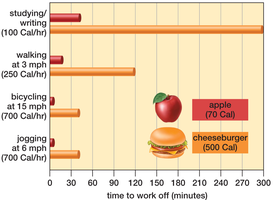
Fat Storage and Insulation
Fat is hydrophobic and does not cause extra water accumulation. Fat deposits provide insulation, often stored beneath the skin. An evolved tendency to store fat can lead to obesity when food is abundant. Body mass index (BMI) is used to estimate healthy weight, though it does not account for muscle mass.
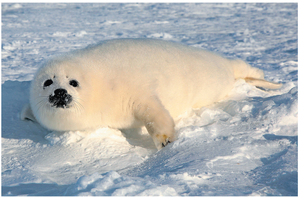
Essential Nutrients
Some nutrients cannot be synthesized by the body and must be obtained from the diet. These include certain fatty acids, amino acids, minerals, vitamins, and water.
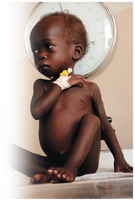
Protein Deficiency
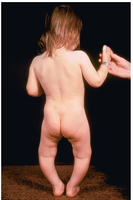
Protein deficiency can lead to diseases such as kwashiorkor, characterized by swelling and malnutrition.
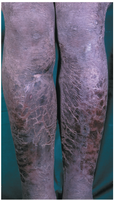
Vitamin Deficiencies
Deficiencies in vitamins can cause various health issues. For example, niacin (vitamin B3) deficiency leads to pellagra, which manifests as skin lesions and nervous disorders.
Vitamin D deficiency can cause rickets, affecting bone formation and immune function. Sunlight stimulates vitamin D synthesis in the skin.
Dietary Recommendations
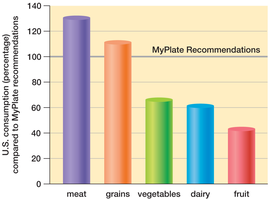
Comparisons between average U.S. diets and MyPlate recommendations highlight discrepancies in meat, grains, vegetables, dairy, and fruit consumption.
The Digestive Process
Digestion is the process of physically and chemically breaking down food. The animal digestive system consists of compartments and organs that process food and produce secretions to aid digestion.
Five tasks of digestion: Ingestion, mechanical digestion, chemical digestion, absorption, elimination.
Intracellular Digestion
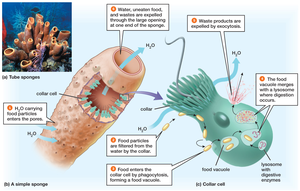
Sponges lack a digestive system and rely on intracellular digestion, where food is digested within individual cells.
Extracellular Digestion
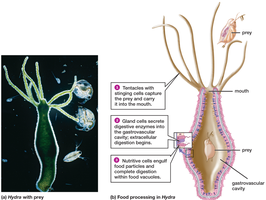
Most animals have evolved chambers for extracellular digestion. Cnidarians have a gastrovascular cavity with a single opening for ingestion and waste ejection.
Tubular Digestive Systems
Most animals, including invertebrates and vertebrates, have tubular digestive systems with specialized compartments for sequential food processing.
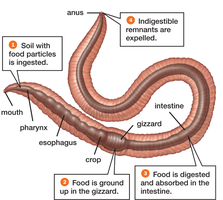
Digestive System Specialization
Vertebrate digestive systems are specialized according to diet (carnivores, herbivores, omnivores). Major organs include the mouth, esophagus, small intestine, and large intestine. Teeth are adapted to different diets:
Humans: thin incisors for shearing, small canines, large molars for grinding.
Carnivores: enlarged canines for tearing, sharp molars for shearing.
Herbivores: well-developed incisors for snipping plants, dental pads in ruminants.
Small Intestine Length and Diet
Herbivores have longer small intestines to extract nutrients from plant material, while carnivores have shorter intestines due to easier protein digestion.
Digestion of Food in Humans
Oral Digestion
Digestion begins in the mouth with mechanical breakdown by teeth and chemical breakdown by saliva. Saliva contains amylase, which breaks down starch into disaccharides.
Swallowing and Esophagus
The tongue forms a bolus and pushes it into the pharynx. The esophagus conducts food to the stomach via peristalsis.
Stomach Function
The stomach churns food, begins protein breakdown, and regulates the release of partially digested food into the small intestine. Gastric glands secrete mucus, hydrochloric acid, and pepsinogen.
Small Intestine
The small intestine completes chemical digestion and absorbs nutrients. It consists of the duodenum, jejunum, and ileum. The duodenum receives digestive secretions from the gallbladder and pancreas.
Absorption and Large Intestine
Nutrients are absorbed through the intestinal lining, which has a large surface area due to folds. Water is absorbed in the large intestine, and feces are formed and expelled. The large intestine hosts the microbiome, which aids in immune response and disease prevention.
Regulation of Digestion
Digestion is controlled by the nervous system and hormones. The hypothalamus prepares the digestive system, and hormones such as gastrin, secretin, and cholecystokinin regulate digestive activity. Appetite is regulated by leptin and ghrelin.
Leptin: Secreted by fat cells, helps regulate fat storage. Ghrelin: Secreted by gastric gland cells, stimulates hunger before meals and decreases after eating.
Summary Table: Essential Nutrients and Their Functions
Nutrient | Main Function | Sources |
|---|---|---|
Carbohydrates | Quick energy | Grains, fruits, vegetables |
Lipids | Energy storage, insulation | Oils, nuts, animal fats |
Proteins | Structure, enzymes, antibodies | Meat, eggs, beans |
Minerals | Bone, nerve, muscle function | Dairy, vegetables, meat |
Vitamins | Metabolism, growth | Fruits, vegetables, dairy |
Water | Metabolic reactions, temperature regulation | Drinking water, food |
Key Equations
BMI Calculation:
Calorie Definition:
Additional info: Academic context was added to clarify the functions and sources of nutrients, the role of hormones in digestion, and the structure of digestive systems in various animal groups.
