 Indietro
One Health: Integrating Human, Animal, and Environmental Health
Guida di studio - Note intelligenti
 Appunti personalizzati basati sui tuoi materiali, ampliati con definizioni chiave, esempi e contesto.
One Health: Concept and Relevance
Definition and Scope of One Health
One Health is a collaborative, multisectoral, and transdisciplinary approach that works at local, regional, national, and global levels to achieve optimal health outcomes. It recognizes the interconnection between people, animals, plants, and their shared environment. The approach is essential for addressing complex health challenges that cross the boundaries of human, animal, and environmental health.
Key Principle: The health of humans, animals, and ecosystems are closely linked and interdependent.
Application: Used to address zoonotic diseases, antimicrobial resistance, food safety, and environmental pollution.
Example: The eradication of rinderpest, a deadly cattle disease, required cooperation between veterinarians, physicians, ecologists, and policymakers.
Historical Example: Rinderpest and Global Cooperation
Rinderpest: The Cattle Plague
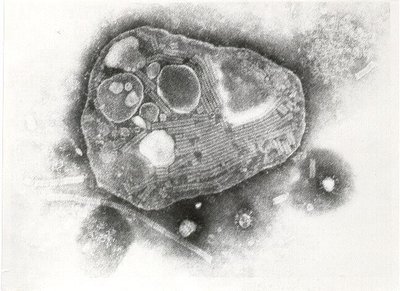
Rinderpest was a highly contagious viral disease affecting cattle and other ungulates, caused by a morbillivirus related to human measles and canine distemper. It was one of the deadliest animal diseases in history, leading to massive economic and social disruption.
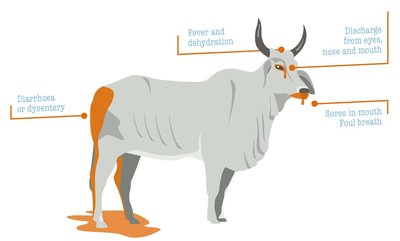
Symptoms: Fever, dehydration, discharge from eyes, nose, and mouth, diarrhea, and death.
Historical Impact: Rinderpest outbreaks led to famine, economic collapse, and political upheaval, such as the "Evil Days" in Ethiopian history.
Control Strategies: Early disease control strategies were developed by Dr. Lancisi, physician to Pope Clement XI, and are still considered best practices today.
Global Eradication Efforts
The eradication of rinderpest was achieved through international cooperation, vaccination campaigns, and surveillance. The World Organisation for Animal Health (OIE) was founded in response to rinderpest epizootics, highlighting the need for global coordination in animal disease control.
Economic Cost: Eradication efforts cost approximately $5 billion USD.
Outcome: Rinderpest was declared eradicated in 2011, making it the second infectious disease (after smallpox) to be eradicated globally.
Key Figure: Walter Plowright received the World Food Prize for developing the rinderpest vaccine.

One Health in Action: Modern Challenges
Food Safety
Foodborne illnesses, such as those caused by Escherichia coli in romaine lettuce, illustrate the interconnectedness of human, animal, and environmental health. Contamination can occur at any point from farm to table, requiring multidisciplinary approaches for prevention and control.
Antimicrobial Resistance (AMR)
AMR arises when bacteria, viruses, fungi, and parasites evolve to resist antimicrobial drugs. The use of antibiotics in livestock can contribute to resistance that affects both animal and human health, emphasizing the need for integrated surveillance and stewardship.
Pollution
Environmental pollution, such as water contamination and air pollution, impacts the health of humans, animals, and ecosystems. Addressing pollution requires collaboration among environmental scientists, public health officials, and policymakers.
One Health Practitioners
Multidisciplinary Collaboration
One Health is a framework for thinking, not a single discipline. Practitioners come from diverse backgrounds, including:
Physicians: Study the impact of vector-borne diseases and climate change on human health.
Veterinarians: Investigate animal diseases and their implications for human health, such as antibiotic resistance.
Ecologists: Examine how biodiversity loss and human interaction with nature affect health outcomes.
Other Professionals: Policymakers, farmers, economists, food scientists, nurses, epidemiologists, animal welfare advocates, and public health workers.
Zoonotic Diseases and Spillover
Understanding Spillover Events
Zoonotic diseases are infections that are transmitted from animals to humans. Spillover events occur when a pathogen jumps from its natural animal reservoir to humans, often facilitated by environmental changes, agricultural practices, or increased human-animal contact.
Examples of Zoonotic Viruses: Influenza viruses (avian and swine), SARS-CoV-1, SARS-CoV-2, West Nile virus, Marburg virus, Ebola virus, and others.
Reservoir Hosts: Species in which the pathogen naturally resides (e.g., wild birds for influenza A).
Incidental Hosts: Species that become infected but are not the primary reservoir (e.g., humans, livestock).
Case Study: Influenza A Virus
Classification and Reservoirs
Influenza A viruses are classified based on their surface proteins, hemagglutinin (H1-H18) and neuraminidase (N1-N11). The primary reservoir for influenza A is wild birds, but the virus can spill over into humans, poultry, swine, and other animals.
Common Human Strains: H1N1 and H3N2.
Spillover Impact: Influenza A affects global health, food systems, veterinary medicine, and wildlife conservation.
Recent Outbreaks and Surveillance
Recent outbreaks of highly pathogenic avian influenza (HPAI) have affected wild birds, poultry, cattle, and humans. Surveillance and rapid response are critical for controlling outbreaks and preventing further spillover.
Data Example: In a recent year, 19,711 wild bird cases, 1,173 cattle cases, and 72 human cases were reported in the United States.
Geographic Spread: Outbreaks have been detected in all 50 states for wild birds and in 20 states for cattle.
One Health Response to Outbreaks
Integrated Outbreak Response
Effective response to zoonotic outbreaks, such as avian influenza, requires input from multiple sectors:
Animal Health: Veterinarians, farmers, and animal health officials monitor and control disease in livestock and wildlife.
Human Health: Physicians, public health workers, and epidemiologists track and treat human cases.
Environmental Health: Conservation officers and ecologists assess the impact on ecosystems and biodiversity.
Stakeholder Engagement: Local restaurant owners, backyard farmers, and policymakers must be involved in decision-making.
Summary and Broader Implications
Beyond Zoonoses
One Health extends beyond zoonotic diseases to include issues such as antimicrobial resistance, food safety, and environmental pollution. By recognizing the interconnectedness of human, animal, and environmental health, the One Health approach enables more effective prevention, detection, and response to a wide range of health threats.
Key Takeaway: Protecting the health of one domain (human, animal, or environment) directly influences the others.
Future Directions: Continued interdisciplinary collaboration is essential for addressing emerging health challenges in a changing world.
