 Indietro
Organic Chemistry and Biomolecules: Structure and Function in Biology
Guida di studio - Note intelligenti
 Appunti personalizzati basati sui tuoi materiali, ampliati con definizioni chiave, esempi e contesto.
Organic Chemistry and Biomolecules
Introduction to Organic and Biochemistry
Organic chemistry is the study of compounds containing carbon, while biochemistry focuses on the molecules that make up living organisms. Understanding these fields is essential for grasping cellular structures, physiology, nutrition, and health. Four main categories of organic biomolecules are carbohydrates, lipids, proteins, and nucleic acids.
Organic chemistry: Study of carbon-containing compounds.
Biochemistry: Study of molecules in living organisms.
Biomolecule categories: Carbohydrates, lipids, proteins, nucleic acids.
Carbon Chemistry
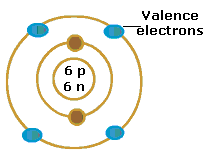
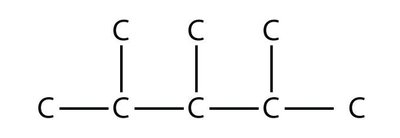
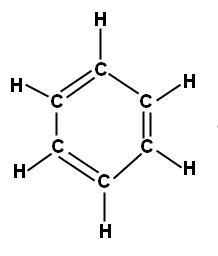
Carbon is a versatile atom with four valence electrons, allowing it to form a wide variety of structures. It readily binds with other atoms to fill its valence shell and forms carbon-carbon backbones, which can be long chains, branched, or rings. Carbon forms covalent bonds with elements such as hydrogen, oxygen, nitrogen, and sulfur, and carries functional groups that determine the properties of organic molecules.
Valence electrons: Carbon has four, enabling diverse bonding.
Backbone types: Chains, branches, rings.
Functional groups: Hydroxyl, methyl, carboxyl, amino, phosphate.

Functional Groups in Carbon Compounds
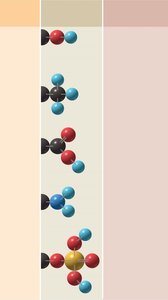
Functional groups are small clusters of atoms attached to the carbon backbone, determining many properties of organic molecules. Examples include hydroxyl (—OH), methyl (—CH3), carboxyl (—COOH), amino (—NH2), and phosphate (—H2PO4).
Hydroxyl: Found in sugars and alcohols.
Methyl: Found in fats, oils, steroids, amino acids.
Carboxyl: Found in amino acids, fatty acids.
Amino: Found in amino acids, proteins.
Phosphate: Found in nucleic acids, ATP.
Isomers
Types of Isomers
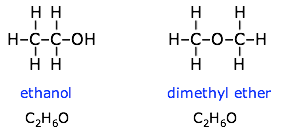
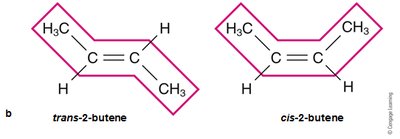
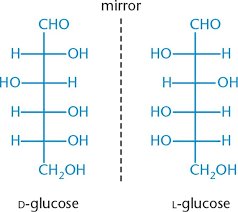
Isomers are molecules with the same molecular formula but different arrangements of atoms. There are three major types:
Structural isomers: Atoms have different neighbors.
Geometric (cis–trans) isomers: Identical covalent bonds but different spatial arrangement.
Enantiomers: Mirror images of each other.
Macromolecules: Monomers and Polymers
Polymerization and Depolymerization
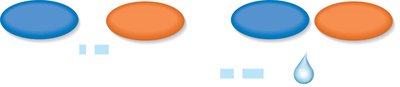
Macromolecules are large organic molecules with high molecular weights. Polymers are made of repetitive series of identical or similar subunits called monomers. Polymerization is the process of joining monomers to form a polymer, typically via dehydration synthesis (removal of water). Hydrolysis is the reverse process, splitting a polymer by adding water.
Dehydration synthesis: Joins monomers, removes water.
Hydrolysis: Splits polymers, adds water.

Carbohydrates
Structure and Types
Carbohydrates are hydrophilic organic molecules, including sugars and starches. Their general formula is , where is the number of carbon atoms. They often have a 2:1 ratio of hydrogen to oxygen. Carbohydrates are named using the root "sacchar-" and the suffix "-ose".
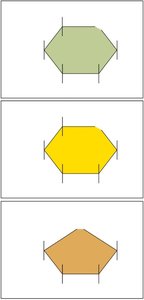
Monosaccharides: Simple sugars (e.g., glucose, galactose, fructose), all isomers of each other.
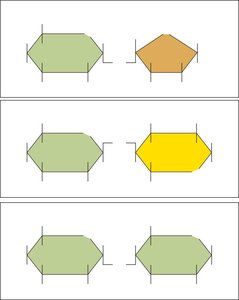
Disaccharides: Two monosaccharides joined (e.g., sucrose, lactose, maltose).
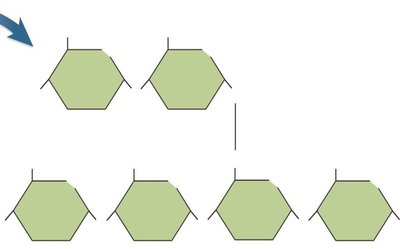
Oligosaccharides: Short chains of 3–20 monosaccharides.
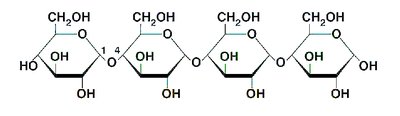
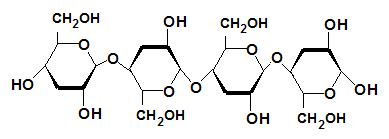
Polysaccharides: Long chains (at least 50) of monosaccharides (e.g., glycogen, starch, cellulose).
Major Roles of Carbohydrates
Carbohydrates are a quickly mobilized source of energy. All digested carbohydrates are converted to glucose, which is oxidized to make ATP, the energy currency of the cell.
Conjugated Carbohydrates
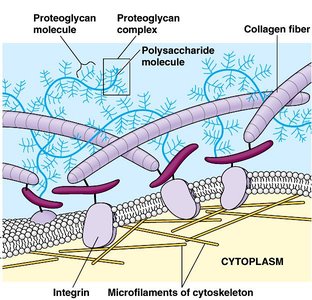
Conjugated carbohydrates are covalently bound to lipid or protein moieties. Examples include glycolipids and glycoproteins (external cell membrane), and proteoglycans (gel-like fillers in tissues, joint lubrication). 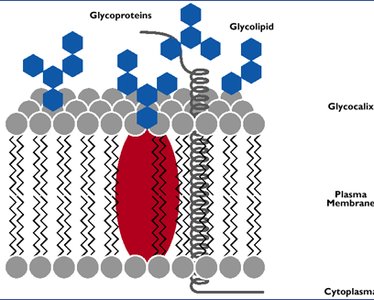
Lipids
Structure and Types
Lipids are hydrophobic organic molecules, usually composed of carbon, hydrogen, and oxygen with a high ratio of hydrogen to oxygen. They have more calories per gram than carbohydrates. Primary classes include fatty acids, triglycerides, phospholipids, waxes, and steroids.
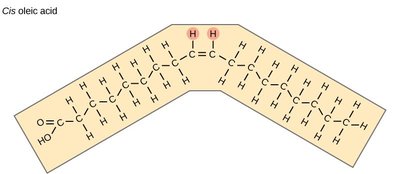
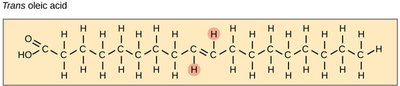
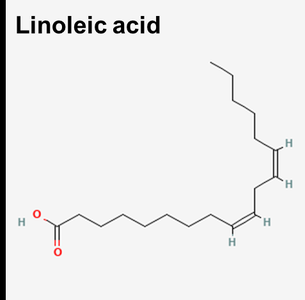
Fatty acids: Chains of 4–24 carbon atoms with carboxyl and methyl groups. Saturated fatty acids have only single bonds; unsaturated have at least one double bond; polyunsaturated have multiple double bonds.
Essential fatty acids: Polyunsaturated fatty acids not synthesized by the body, must be obtained from diet (e.g., Omega-3, Omega-6).
Triglycerides: Three fatty acids linked to glycerol, formed by dehydration synthesis, broken down by hydrolysis. Oils are liquid at room temperature (plant origin, polyunsaturated); fats are solid (animal origin, saturated).
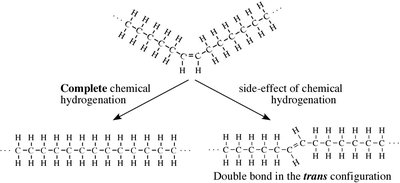
Trans fats: Artificially hydrogenated oils, increase LDL cholesterol.
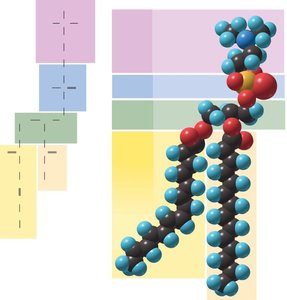
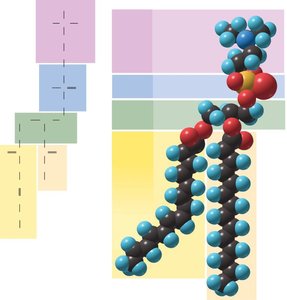
Phospholipids: Similar to triglycerides, but one fatty acid replaced by a phosphate group. Amphipathic, forming cell membrane structure.
Waxes: Long fatty acid chains esterified to alcohols, hydrophobic, prevent water sticking.
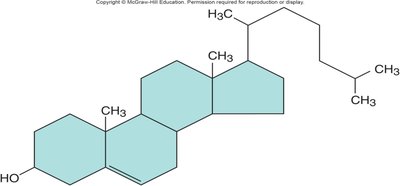
Steroids: Lipids with four rings, e.g., cholesterol, hormones.

Proteins
Structure and Types
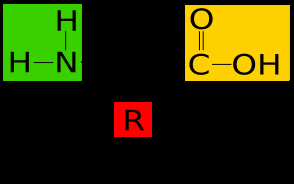
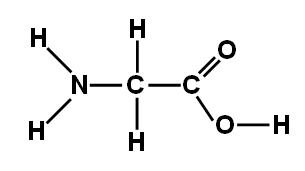
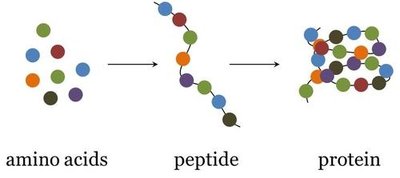
Proteins are polymers of amino acids. Each amino acid has a central carbon with an amino group, carboxyl group, and a variable R group. The properties of an amino acid are determined by its R group, which can be hydrophilic or hydrophobic. There are 20 amino acids, all identical except for the R group.
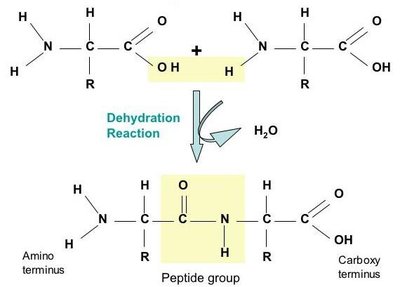
Peptide: Two or more amino acids joined by peptide bonds (dehydration synthesis).
Peptide bond: Joins amino group of one amino acid to carboxyl group of another.
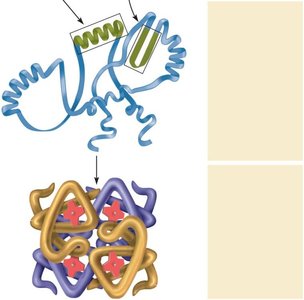
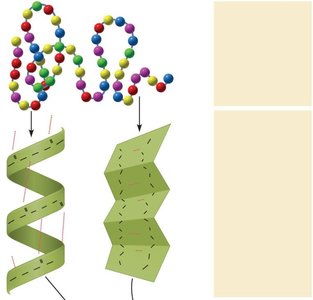
Protein structure: Primary (sequence), secondary (alpha helix, beta sheet), tertiary (folding/coiling), quaternary (association of polypeptide chains).
Denaturation: Extreme conformational change affecting function (e.g., heat, pH).
Protein Functions
Proteins serve diverse functions:
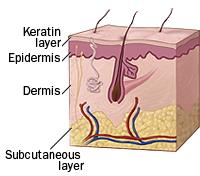
Structure: Keratin (hair, nails, skin), collagen (skin, bones, cartilage).
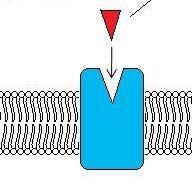
Communication: Hormones, cell signaling molecules (ligands, receptors).
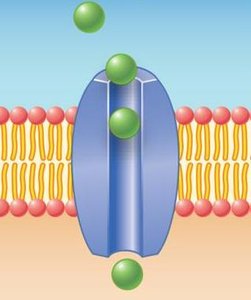
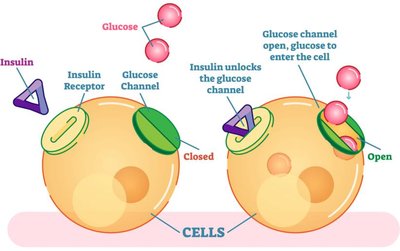
Membrane transport: Channel and carrier proteins.
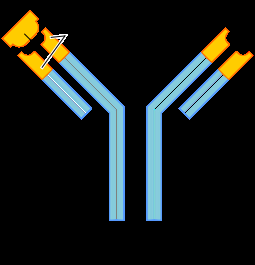
Immunity: Glycoproteins, antibodies (immunoglobulins).
Movement: Motor proteins (actin, myosin).
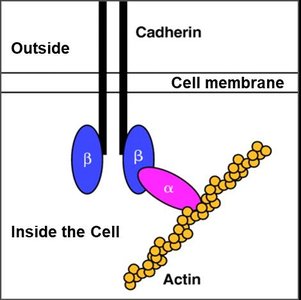
Cell adhesion: Proteins bind cells together (cadherin).
Cell signaling: Hormones (insulin, pepsin).
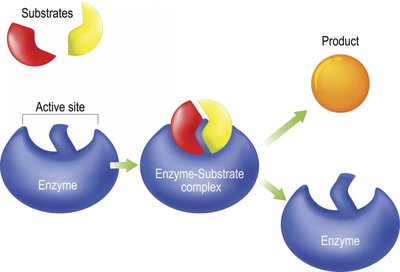
Enzymes: Catalyze biochemical reactions.
Nucleotides and Nucleic Acids
Structure and Function
Nucleotides consist of a nitrogenous base, a sugar, and one or more phosphate groups. Examples include ATP and GTP. ATP is the most important energy-transfer molecule, holding energy in covalent bonds, especially involving the third phosphate.
Nucleic Acids: DNA and RNA
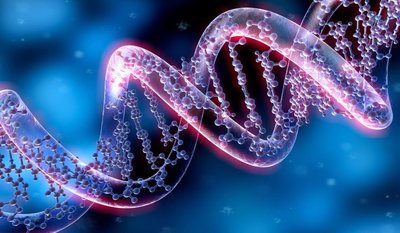
Nucleic acids are polymers of nucleotides and serve as genetic material. DNA is usually double-stranded, joined by hydrogen bonds, forming a double helix. There are two types of nitrogenous bases:
Purines: Double ring (adenine, guanine).
Pyrimidines: Single ring (cytosine, thymine, uracil).
Bases in DNA: A, T, C, G.
Bases in RNA: A, U, C, G.
Review Questions
Name the biological macromolecules.
What makes carbon the basis of life on planet earth?
Name some functional groups. What is their significance?
What are the three types of isomers. What's their biological significance?
What is dehydration synthesis and hydrolysis?
Name the three types of carbohydrates with examples.
What is common about glycogen, starch and cellulose. How are they different in terms of structure and function?
Name the amphipathic lipid. Why is it so?
What’s the difference between fat and oils?
What are proteins made of? What's a peptide bond?
What are the different protein structures?
What are enzymes? What’s their significance in biology?
Name the components of a nucleotide. What macromolecules do they form?
Name the nitrogenous bases found in: (a) DNA (b) RNA?
