 Indietro
Organic Compounds: Structure, Nomenclature, and Functional Groups
Guida di studio - Note intelligenti
 Appunti personalizzati basati sui tuoi materiali, ampliati con definizioni chiave, esempi e contesto.
Structures of Organic Compounds
Introduction to Organic Compounds
Organic compounds are molecules primarily composed of carbon and hydrogen, often containing other elements such as oxygen, nitrogen, sulfur, and phosphorus. Their diversity arises from the ability of carbon atoms to form stable covalent bonds with each other, resulting in a variety of structures including chains, branches, and rings.
Alkanes
Properties and Nomenclature of Alkanes
Alkanes are saturated hydrocarbons, meaning all carbon-carbon bonds are single bonds. They follow the general formula , where n is the number of carbon atoms. The names of alkanes are based on the number of carbon atoms in the longest continuous chain.
Methane (C1H4): Simplest alkane, one carbon atom.
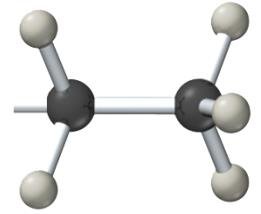
Ethane (C2H6): Two carbon atoms.
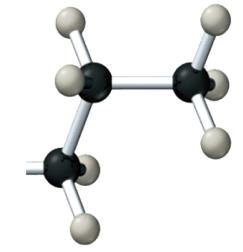
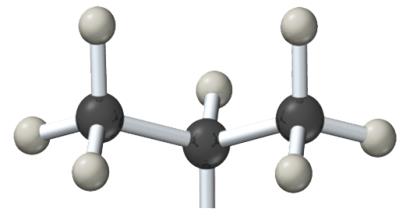
Propane (C3H8): Three carbon atoms.
Butane (C4H10): Four carbon atoms.
...and so on up to Decane (C10H22).
Number of Carbon Atoms | Prefix | Name | Molecular Formula | Condensed Structure |
|---|---|---|---|---|
1 | Meth- | Methane | CH4 | CH4 |
2 | Eth- | Ethane | C2H6 | CH3CH3 |
3 | Prop- | Propane | C3H8 | CH3CH2CH3 |
4 | But- | Butane | C4H10 | CH3CH2CH2CH3 |
5 | Pent- | Pentane | C5H12 | CH3CH2CH2CH2CH3 |
6 | Hex- | Hexane | C6H14 | CH3CH2CH2CH2CH2CH3 |
7 | Hept- | Heptane | C7H16 | CH3CH2CH2CH2CH2CH2CH3 |
8 | Oct- | Octane | C8H18 | CH3CH2CH2CH2CH2CH2CH2CH3 |
9 | Non- | Nonane | C9H20 | CH3CH2CH2CH2CH2CH2CH2CH2CH3 |
10 | Dec- | Decane | C10H22 | CH3CH2CH2CH2CH2CH2CH2CH2CH2CH3 |
Example: The zigzag line structure is a common way to represent alkane chains in organic chemistry.
Branched-Chain Alkanes and Alkyl Groups
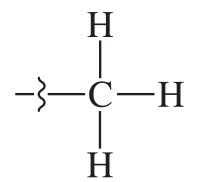
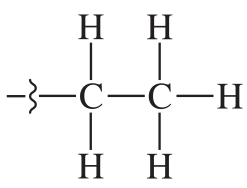
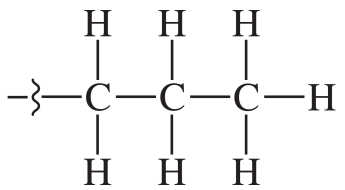
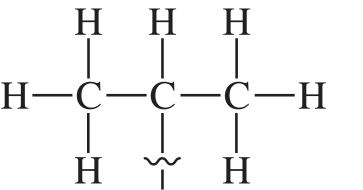
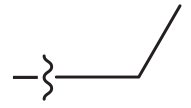
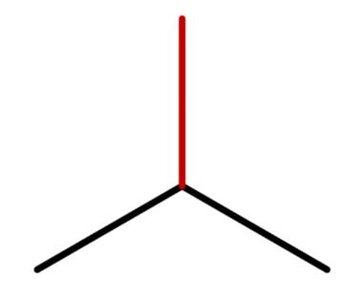
Alkanes can have branches, called alkyl groups, which are groups of carbon and hydrogen atoms attached to the main chain. The naming of branched alkanes involves identifying the longest chain, naming the branches, and assigning numbers to indicate their positions.
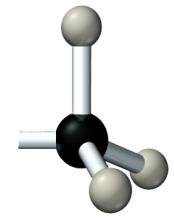
Methyl group: –CH3
Ethyl group: –CH2CH3
Propyl group: –CH2CH2CH3
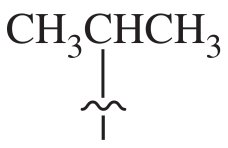
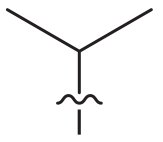
Isopropyl group: (CH3)2CH–
Alkenes
Structure and Reactivity of Alkenes
Alkenes are unsaturated hydrocarbons containing at least one carbon–carbon double bond. The double bond makes alkenes more reactive than alkanes. The general formula for alkenes is .
Double bond: Shorter and stronger than a single bond.
Reactivity: Alkenes readily undergo addition reactions due to the presence of the double bond.
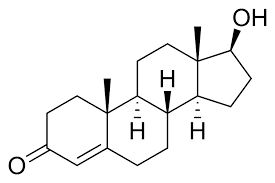
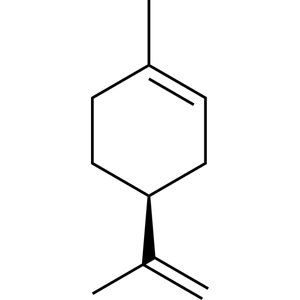
Example: Testosterone and Limonene are biologically important molecules containing alkene groups.
Alkynes
Structure and Reactivity of Alkynes
Alkynes are unsaturated hydrocarbons with at least one carbon–carbon triple bond. The triple bond is even shorter and stronger than a double bond, making alkynes very reactive. Their general formula is .
Triple bond: Shortest and strongest among carbon–carbon bonds.
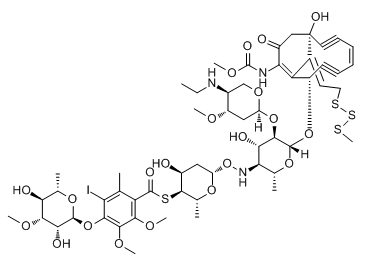
Reactivity: Alkynes are rare in nature but important in medicine (e.g., Efavirenz, Calicheamicin).

Aromatic Compounds
Structure and Properties of Aromatics
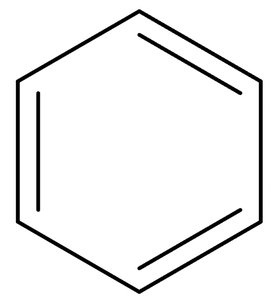
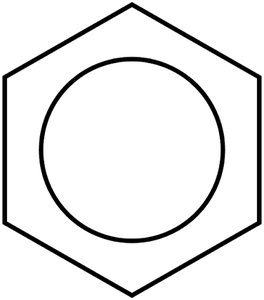
Aromatic compounds are unsaturated hydrocarbons with cyclic structures, most commonly six-membered rings such as benzene. Aromatics are characterized by resonance, where electrons are delocalized over the ring, providing extra stability.
Benzene: The simplest aromatic compound, with the formula C6H6.
Resonance: Delocalized electrons create a resonance hybrid, making the ring more stable than expected for a molecule with alternating double bonds.
Functional Groups
Common Functional Groups in Organic Molecules
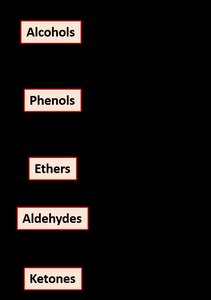
Functional groups are specific groups of atoms within molecules that determine the chemical properties and reactions of those molecules. Recognizing functional groups is essential for understanding organic chemistry and biochemistry.
Functional Group | Structure | Example |
|---|---|---|
Alcohol | –OH | Ethanol |
Phenol | Aromatic ring–OH | Phenol |
Ether | R–O–R' | Diethyl ether |
Aldehyde | –CHO | Formaldehyde |
Ketone | R–CO–R' | Acetone |
Carboxylic Acid | –COOH | Acetic acid |
Ester | R–COO–R' | Methyl acetate |
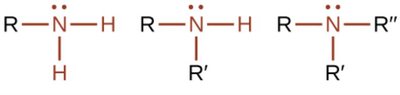
Amine | –NH2, –NHR, –NR2 | Methylamine |
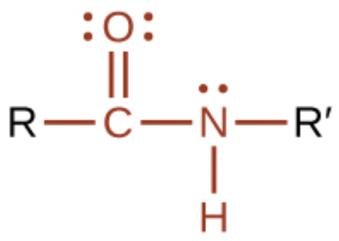
Amide | –CONH2 | Acetamide |
Thiol | –SH | Ethanethiol |
Sulfide | R–S–R' | Dimethyl sulfide |

Practice: Identifying Functional Groups
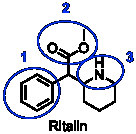
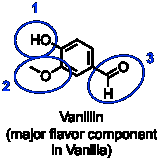
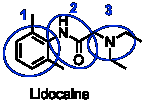
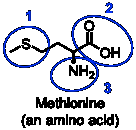
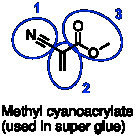
Many biologically important molecules contain multiple functional groups. Practice identifying these groups in complex molecules such as Novocaine, Ritalin, Vanillin, Lidocaine, Methionine, and Methyl cyanoacrylate.

Isomerism
Introduction to Isomers
Isomers are compounds with the same molecular formula but different arrangements of atoms. This can result in different physical and chemical properties.
Structural isomers: Molecules with the same molecular formula but different connectivity of atoms.
Example: Butane and isobutane are structural isomers of C4H10.
Additional info: Understanding the structure and function of organic molecules is foundational for topics such as biomolecules, metabolism, and genetics in biology.
