 Indietro
Overview of Animal Diversity: Structure, Development, and Evolution
Guida di studio - Note intelligenti
 Appunti personalizzati basati sui tuoi materiali, ampliati con definizioni chiave, esempi e contesto.
Overview of Animal Diversity
Characteristics of Animals
Animals are a diverse group of multicellular eukaryotic organisms distinguished by their heterotrophic mode of nutrition, lack of cell walls, and unique developmental processes. Understanding these characteristics is fundamental to identifying and classifying animals within the broader context of life.
Multicellularity: Animals consist of multiple cells that work together, allowing for division of labor and specialization.
Eukaryotic: Animal cells contain membrane-bound organelles, including a nucleus.
Heterotrophy: Animals obtain organic material by ingesting other organisms or their products.
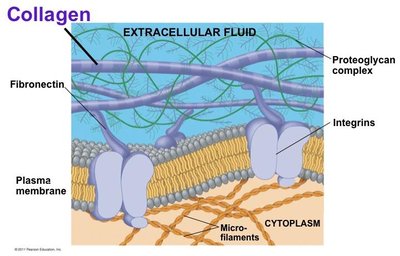
Lack of Cell Walls: Unlike plants and fungi, animal cells are held together by an extracellular matrix, primarily composed of collagen.
Tissues: Most animals possess tissues—groups of similar cells performing specific functions.
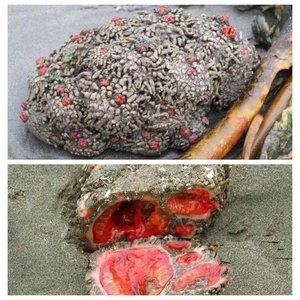
Example: Pyura chilensis is a colonial tunicate, an animal closely related to vertebrates. It can be distinguished from plants and fungi by its lack of cell walls and its mode of nutrient acquisition.
Animal Life History and Development
Animal life cycles are characterized by sexual reproduction, dominance of the diploid stage, and complex embryonic development. The process includes fertilization, cleavage, blastula formation, and gastrulation, leading to the establishment of germ layers.
Sexual Reproduction: Most animals reproduce sexually, with meiosis producing haploid gametes and fertilization restoring diploidy.
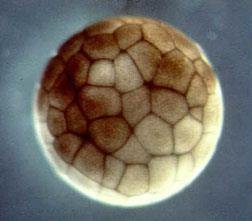
Embryonic Development: The zygote undergoes cleavage to form a blastula, followed by gastrulation, which establishes embryonic germ layers.
Larval Stage: Many animals have a larval stage that is morphologically distinct from the adult, often undergoing metamorphosis.
Embryonic Germ Layers
Germ layers are fundamental to animal development, giving rise to tissues and organs. Animals are classified based on the number of germ layers present.
Diploblastic: Animals with two germ layers (ectoderm and endoderm), typically exhibiting radial symmetry.
Triploblastic: Animals with three germ layers (ectoderm, mesoderm, endoderm), usually with bilateral symmetry.
Ectoderm: Forms the outer covering and, in some animals, the nervous system.
Endoderm: Lines the digestive tract.
Mesoderm: Gives rise to muscles and most internal organs (only in triploblastic animals).
Body Symmetry
Body symmetry is a key feature in animal classification, influencing movement and lifestyle.
Asymmetry: No definable symmetry (e.g., sponges).
Radial Symmetry: Any plane through the central axis divides the animal into equal halves; common in sessile animals (e.g., sea anemones).
Bilateral Symmetry: Only one plane divides the animal into equal halves; associated with motile animals and cephalization (e.g., crawfish).
Body Cavities
Body cavities are internal spaces that house organs and provide structural support. They are important for classifying triploblastic animals.
Coelomate: Animals with a true coelom, a fluid-filled cavity lined by mesoderm.
Haemocoelomate: Animals with a hemocoel, a cavity between mesoderm and endoderm for nutrient and waste transport.
Acoelomate: Animals lacking fluid-filled cavities, with tissues filling the space between gut and body wall.
Early Animal Development: Protostomes vs. Deuterostomes
Animals are categorized based on early developmental events, including cleavage patterns, coelom formation, and the fate of the blastopore.
Protostomes: Spiral and determinate cleavage; coelom forms from solid masses of mesoderm; mouth develops from the blastopore.
Deuterostomes: Radial and indeterminate cleavage; coelom forms from folds of the archenteron; anus develops from the blastopore.
Animal Phylogeny & Evolution
Animal evolution is traced through phylogenetic relationships, with key milestones including the emergence of multicellularity, true tissues, and bilateral symmetry.
Common Ancestor: All animals share a common ancestor, making Animalia monophyletic.
Sponges: Sister group to all other animals.
Eumetazoa: Clade of animals with true tissues.
Bilateria: Most animals belong to this clade, characterized by bilateral symmetry and three germ layers.
Major Clades: Bilaterian animals are divided into Deuterostomia, Lophotrochozoa, and Ecdysozoa. Most are invertebrates, except Chordata (vertebrates).
Example: The Cambrian Explosion (~535-525 million years ago) marks the rapid diversification of animal body plans, with most major clades appearing in the fossil record.
Choanoflagellates: Sister Taxa to Animals
Choanoflagellates are unicellular or colonial protists considered the closest relatives to animals. Their structure resembles the collar cells (choanocytes) found in sponges, supporting the evolutionary link.
Heterotrophic Filter Feeders: Use a collar of microvilli surrounding a flagellum to filter food particles from water.
Evolutionary Significance: Structural similarity to sponge choanocytes suggests a common ancestry.
Summary Table: Animal Classification Features
Feature | Diploblastic | Triploblastic |
|---|---|---|
Germ Layers | 2 (ectoderm, endoderm) | 3 (ectoderm, mesoderm, endoderm) |
Symmetry | Radial | Bilateral |
Body Cavity | None or simple | Coelomate, haemocoelomate, or acoelomate |
Additional info: The notes expand on the developmental and evolutionary context of animal diversity, including inferred details about the Cambrian Explosion and phylogenetic relationships.
