 Indietro
Lecture 17
Guida di studio - Note intelligenti
 Appunti personalizzati basati sui tuoi materiali, ampliati con definizioni chiave, esempi e contesto.
Photorespiration and Stomatal Function
Stomata: Structure and Role in Photosynthesis
Stomata are microscopic pores found on the surface of leaves that play a crucial role in gas exchange during photosynthesis. They allow carbon dioxide (CO2) to enter the leaf and oxygen (O2) to exit, while also permitting water vapor to escape. The opening and closing of stomata are regulated by guard cells, which respond to environmental conditions such as light, humidity, and temperature.
Key Point 1: Stomata facilitate the uptake of CO2 necessary for the Calvin cycle in photosynthesis.
Key Point 2: Stomata also regulate water loss through transpiration, balancing the plant's need for CO2 with water conservation.
Example: On hot, dry days, stomata often close to prevent excessive water loss, impacting photosynthetic efficiency.
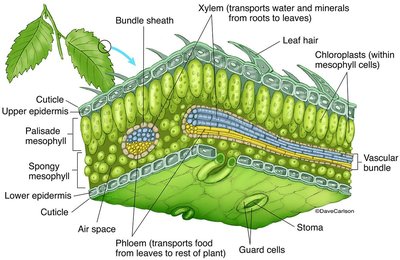
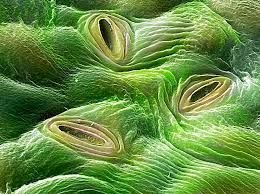
Effects of Stomatal Closure on Photosynthesis
When stomata close, the concentration of oxygen increases and the concentration of carbon dioxide decreases inside the leaf. This shift affects the plant's ability to produce sugars via photosynthesis, especially in C3 plants.
Key Point 1: Closed stomata reduce CO2 availability, limiting sugar production.
Key Point 2: Increased O2 concentration can lead to photorespiration, a process that consumes energy and releases CO2.
Example: C3 plants are particularly susceptible to photorespiration under these conditions.
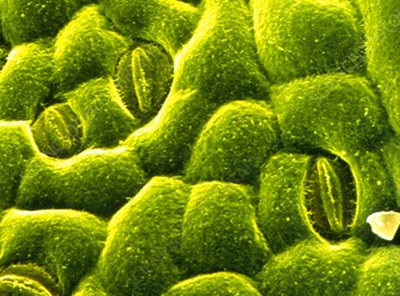
Photorespiration: Mechanism and Impact
Definition and Process of Photorespiration
Photorespiration is a process that occurs when the enzyme Rubisco binds oxygen instead of carbon dioxide, leading to the incorporation of O2 into the Calvin cycle. This results in the production of a 2-carbon compound that is subsequently broken down, consuming ATP and releasing CO2. Photorespiration is energetically wasteful and reduces the efficiency of photosynthesis.
Key Point 1: Photorespiration occurs primarily in C3 plants when CO2 levels are low and O2 levels are high.
Key Point 2: The process decreases sugar production and overall plant productivity.
Example: During hot, dry weather, C3 plants experience increased photorespiration due to stomatal closure.
Adaptations to Minimize Photorespiration
C4 and CAM Plants: Alternate Modes of CO2 Fixation
Some plants have evolved mechanisms to minimize photorespiration and optimize the Calvin cycle, even in hot, arid climates. These adaptations include spatial and temporal separation of carbon fixation and the Calvin cycle.
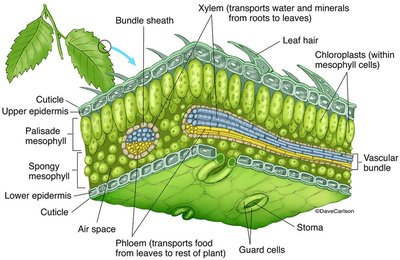
Key Point 1: C4 plants use spatial separation, fixing CO2 in mesophyll cells and running the Calvin cycle in bundle sheath cells.
Key Point 2: CAM plants use temporal separation, fixing CO2 at night and performing the Calvin cycle during the day.
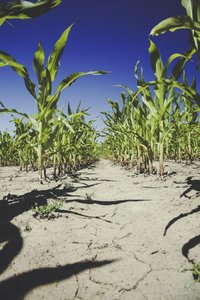
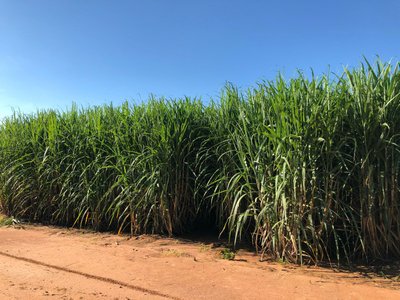
Example: Corn and sugar cane are C4 plants; pineapple is a CAM plant.
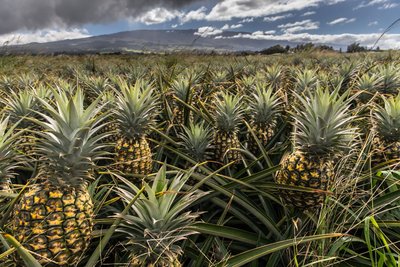
How C4 Plants Avoid Photorespiration
C4 plants minimize photorespiration by separating carbon fixation and the Calvin cycle into different cell types. Carbon fixation occurs in the mesophyll cells, producing a 4-carbon compound that is transported to bundle sheath cells, where the Calvin cycle takes place in a CO2-rich environment.
Key Point 1: Spatial separation ensures high CO2 concentration for Rubisco, reducing photorespiration.
Key Point 2: C4 plants are more efficient in hot, dry climates.
How CAM Plants Avoid Photorespiration
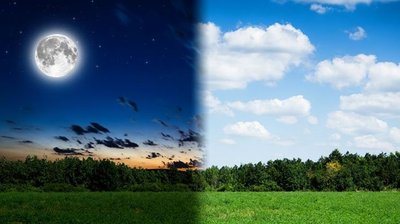
CAM plants fix carbon dioxide at night when stomata are open, storing it as organic acids. During the day, stomata close to conserve water, and the stored CO2 is released for use in the Calvin cycle.
Key Point 1: Temporal separation allows CAM plants to thrive in arid environments.
Key Point 2: CAM plants include species such as pineapple and some cacti.
Photosynthesis: Ecological and Chemical Context
Autotrophs vs. Heterotrophs
Organisms acquire organic compounds for energy and building carbon skeletons through autotrophic or heterotrophic nutrition. Autotrophs produce their own food from inorganic sources, while heterotrophs consume other organisms.
Key Point 1: Autotrophs are considered producers; they make organic compounds from CO2 and other inorganic molecules.
Key Point 2: Heterotrophs are consumers; they depend on autotrophs for food and oxygen.
Example: Photoautotrophs use light energy to synthesize organic compounds; chemoautotrophs use chemical energy.
Van Niel’s Hypothesis and the Oxygen Gas Debate
Early scientists believed that oxygen released during photosynthesis came from the splitting of CO2. Van Niel hypothesized that the oxygen actually originated from water molecules. This was confirmed by experiments using labeled oxygen isotopes, which showed that only water contributed to the oxygen gas produced.
Key Point 1: Van Niel’s hypothesis revolutionized understanding of photosynthesis.
Key Point 2: Experiments labeling oxygen in water and CO2 confirmed that water is the source of oxygen gas.
Example: The overall photosynthesis equation:
Summary Table: Comparison of C3, C4, and CAM Plants
Plant Type | CO2 Fixation | Photorespiration | Adaptation | Examples |
|---|---|---|---|---|
C3 | Directly in Calvin cycle | High (under hot, dry conditions) | None | Wheat, rice |
C4 | Spatial separation (mesophyll & bundle sheath cells) | Low | Hot, sunny climates | Corn, sugar cane |
CAM | Temporal separation (night & day) | Very low | Arid climates | Pineapple, cacti |
Additional info: C4 and CAM adaptations are evolutionary responses to environmental stress, allowing plants to maintain photosynthetic efficiency and minimize water loss.
