 Indietro
Photosynthesis and Cellular Respiration: Energy Flow in Living Systems
Guida di studio - Note intelligenti
 Appunti personalizzati basati sui tuoi materiali, ampliati con definizioni chiave, esempi e contesto.
Photosynthesis and Cellular Respiration
Overview of Energy in Biological Systems
Energy is essential for all living organisms to perform work, grow, and reproduce. In biological systems, energy is primarily obtained from food and is stored and transferred in the form of ATP (adenosine triphosphate). The processes of photosynthesis and cellular respiration are central to the flow of energy in cells.
Energy and ATP
What is Energy?
Energy is defined as the ability to do work. In cells, energy is stored in the form of ATP, which is a molecule composed of adenine, ribose, and three phosphate groups. ATP acts as the cell's energy currency, providing energy for various cellular functions.
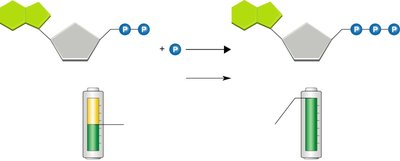
ATP Structure: ATP consists of adenine (a nitrogenous base), ribose (a five-carbon sugar), and three phosphate groups.
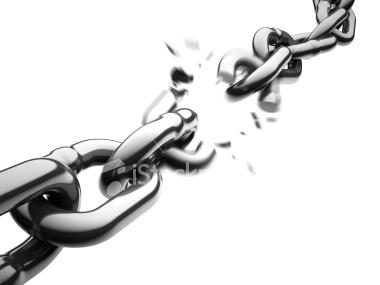
Energy Release: When ATP breaks apart, it releases energy and loses a phosphate group, becoming ADP (adenosine diphosphate).
Recharge Cycle: ADP can be recharged back to ATP by gaining an extra phosphate group, using energy from food or sunlight.
Photosynthesis
Introduction to Photosynthesis
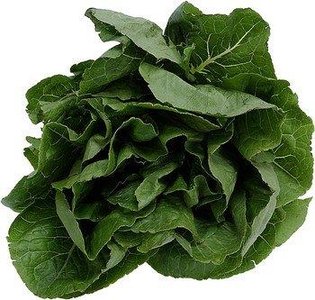
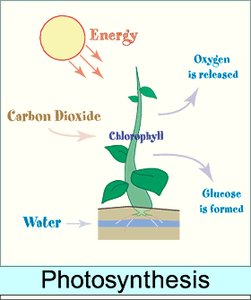
Photosynthesis is the process by which plants, algae, and some bacteria convert light energy from the sun into chemical energy stored in glucose. This process occurs in the chloroplasts of plant cells and is fundamental to life on Earth, as it provides the primary source of energy for most organisms.
Producers: Organisms that make their own food using sunlight (e.g., plants, algae).
Consumers: Organisms that obtain energy by eating other organisms.
Source of Energy: The sun is the ultimate source of energy for most life forms.
The Photosynthesis Reaction
The chemical reaction for photosynthesis is:
Reactants: Water (H2O), carbon dioxide (CO2), and light energy
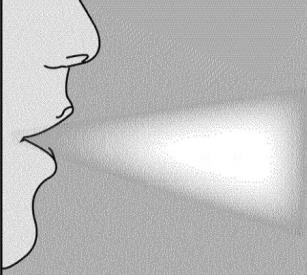
Products: Glucose (C6H12O6) and oxygen (O2)
Where Does Photosynthesis Occur?
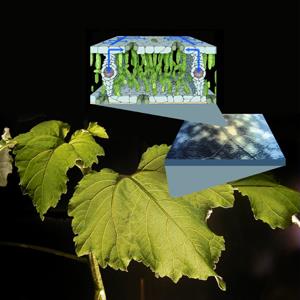
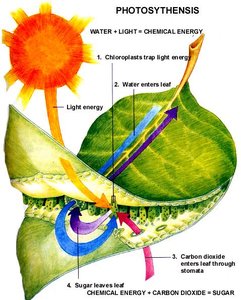
Photosynthesis takes place in the leaves of plants, specifically within specialized organelles called chloroplasts. Carbon dioxide enters the leaves through small openings called stomata.
Stomata: Small pores in the leaf surface that allow gas exchange.
Chloroplasts: Organelles containing chlorophyll, the pigment responsible for absorbing sunlight.
Chlorophyll and Light Absorption
Chlorophyll is a pigment found in chloroplasts that absorbs light energy, primarily in the blue and red wavelengths, and reflects green, giving leaves their color. Pigments are molecules that absorb specific wavelengths of light.
Function: Chlorophyll enables plants to capture energy from sunlight for photosynthesis.
Stages of Photosynthesis
Photosynthesis consists of two main stages: the light reactions and the Calvin cycle (dark reactions).
Light Reactions: Occur in the presence of light; convert solar energy to chemical energy (ATP and NADPH); produce oxygen as a byproduct.
Calvin Cycle: Occurs in the absence of light; uses ATP and NADPH to convert carbon dioxide into glucose.
Chemosynthesis
Some producers, such as bacteria in deep sea vents, use chemosynthesis to make food using chemical energy instead of light. This process is important in environments where sunlight is unavailable.
Example: Bacteria near hydrothermal vents use hydrogen sulfide to produce organic molecules.
Microscopy and Cell Structure
Microscopes in Biology
Microscopes are essential tools for studying cells and organelles involved in photosynthesis and cellular respiration. There are several types of microscopes:
Simple Light Microscope: Uses light and a single lens; low magnification.
Compound Light Microscope: Uses light and multiple lenses; higher magnification.
Electron Microscope: Uses electron beams; very high magnification; includes SEM (scanning electron microscope) and TEM (transmission electron microscope).
Cellular Respiration
Introduction to Cellular Respiration
Cellular respiration is the process by which cells break down glucose molecules to release energy in the form of ATP. This process occurs in all living cells and is essential for cellular functions.
Purpose: To convert chemical energy in food into usable energy (ATP).
Equation:
Types of Cellular Respiration
Cellular respiration can be divided into two main types: anaerobic and aerobic respiration.
Anaerobic Respiration: Does not require oxygen; occurs in the cytoplasm; includes glycolysis and fermentation.
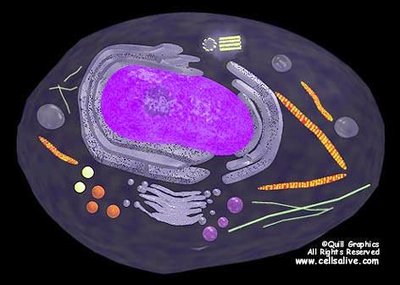
Aerobic Respiration: Requires oxygen; occurs in the mitochondria; includes glycolysis, Krebs cycle, and electron transport chain.
Steps of Cellular Respiration
The process of cellular respiration involves several steps:
Glycolysis: Occurs in the cytoplasm; breaks down glucose into two pyruvate molecules; net gain of 2 ATP.
Krebs Cycle: Occurs in the mitochondria; further breaks down pyruvate; produces CO2, ATP, and high-energy electrons.
Electron Transport Chain: Occurs in the mitochondria; uses high-energy electrons to produce ATP and water; generates most of the ATP (up to 34 ATP).
Anaerobic Respiration and Fermentation
When oxygen is not available, cells undergo anaerobic respiration, which includes two types of fermentation:
Lactic Acid Fermentation: Occurs in animal cells; produces lactic acid; responsible for muscle fatigue during intense exercise.
Alcoholic Fermentation: Occurs in yeast and plant cells; produces alcohol and carbon dioxide; used in bread making.
Both types of fermentation produce ATP, but much less than aerobic respiration.
Summary Table: Photosynthesis vs. Cellular Respiration
Process | Location | Reactants | Products | Purpose |
|---|---|---|---|---|
Photosynthesis | Chloroplasts (plants) | CO2, H2O, light | Glucose, O2 | Store energy in glucose |
Cellular Respiration | Mitochondria (all cells) | Glucose, O2 | CO2, H2O, ATP | Release energy from glucose |
Key Terms and Concepts
ATP (Adenosine Triphosphate): Main energy carrier in cells.
Photosynthesis: Process by which producers convert sunlight into chemical energy.
Cellular Respiration: Process by which cells extract energy from glucose.
Chlorophyll: Pigment that absorbs light for photosynthesis.
Stomata: Leaf pores for gas exchange.
Fermentation: Anaerobic process producing ATP without oxygen.
