 Indietro
Photosynthesis: Historical Experiments, Mechanisms, and Cellular Context
Guida di studio - Note intelligenti
 Appunti personalizzati basati sui tuoi materiali, ampliati con definizioni chiave, esempi e contesto.
Photosynthesis Overview
History of Photosynthesis Research
The study of photosynthesis has evolved through key experiments and discoveries that revealed the roles of water, air, sunlight, and carbon dioxide in plant growth and oxygen production.
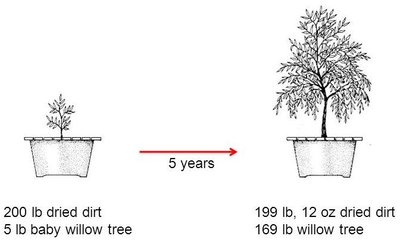
Van Helmont's Experiment: Demonstrated that the mass of a growing plant does not primarily come from the soil, but from water and other sources.
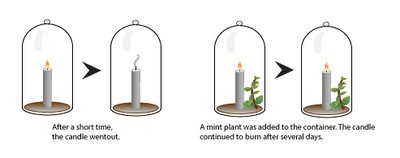
Role of Air: Joseph Priestley showed that plants refresh the air, allowing a candle to burn longer in a closed container with a plant.
Discovery of Oxygen: Priestley discovered oxygen in 1774, linking plant activity to atmospheric changes.
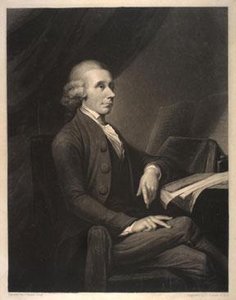
Role of Sunlight: Jan Ingenhousz demonstrated that plants produce oxygen only when exposed to sunlight, establishing the importance of light in photosynthesis.
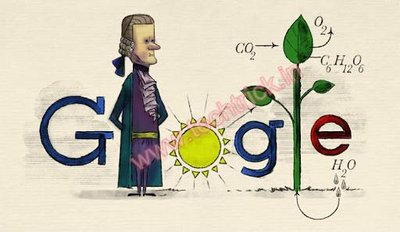
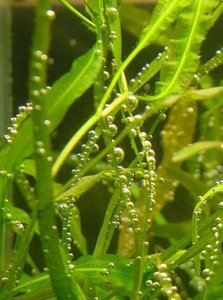
Role of CO2: Jean Senebier found that leaves submerged in water without dissolved CO2 do not release O2, highlighting the necessity of carbon dioxide.
Photosynthesis: What, Who, Where, How?
Photosynthesis is the process by which photoautotrophs convert light energy into chemical energy, producing sugars and oxygen from carbon dioxide and water. It is fundamental to life on Earth, providing energy and organic molecules for heterotrophs.
Definition: Photosynthesis is the conversion of light energy, CO2, and H2O into glucose and O2.
Who Performs Photosynthesis: Plants, algae, cyanobacteria, and certain photosynthetic bacteria.
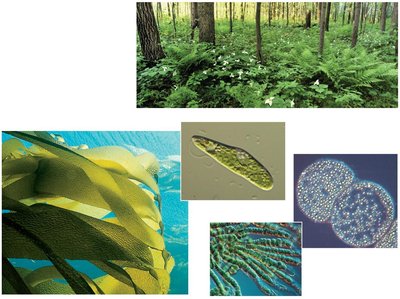
Where: In eukaryotes, photosynthesis occurs in chloroplasts; in prokaryotes, it occurs in specialized membranes.
How: Through a series of redox reactions, electrons are transferred from water (or other electron donors) to CO2, forming carbohydrates.
Photosynthesis and Cellular Respiration: The Energy Cycle
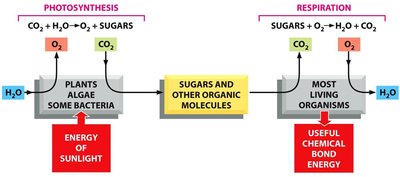
Photosynthesis and cellular respiration are complementary processes that cycle carbon and energy through the biosphere. Photosynthesis stores energy in organic molecules, while respiration releases it for cellular work.
Photosynthesis Equation:
Cellular Respiration Equation:
Energy Cycle: The products of photosynthesis (sugars and O2) are used in cellular respiration, and the products of respiration (CO2 and H2O) are used in photosynthesis.
Oxygenic vs. Anoxygenic Photosynthesis
Photosynthesis can be classified based on whether oxygen is produced. Oxygenic photosynthesis releases O2, while anoxygenic photosynthesis does not.
Oxygenic Photosynthesis: Performed by plants, algae, and cyanobacteria; uses water as the electron donor.
Anoxygenic Photosynthesis: Performed by certain bacteria; uses other electron donors (e.g., H2S).
Comparison Table:
Type
Electron Donor
Product
Organisms
Oxygenic
H2O
O2
Plants, algae, cyanobacteria
Anoxygenic
H2S, H2
S, H2
Certain bacteria
Cellular Structures Involved in Photosynthesis
The Chloroplast
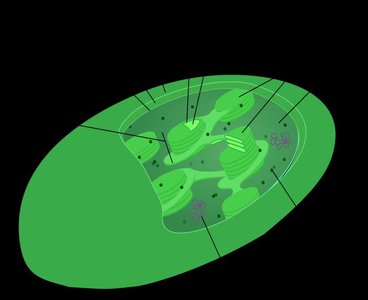
Chloroplasts are the organelles where photosynthesis occurs in plants and algae. They contain three membranes and specialized compartments for light absorption and sugar synthesis.
Structure: Outer membrane, inner membrane, thylakoid membrane (forms thylakoid lumen), grana (stacks of thylakoids), and stroma (fluid outside thylakoids).
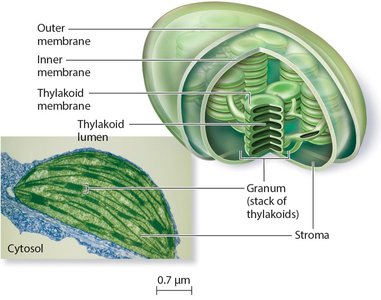
Function: Capture light energy and convert it to chemical energy via photosynthesis.
Genetic Material: Chloroplasts contain their own DNA and ribosomes, resembling bacterial chromosomes.
Leaf Organization and Mesophyll Cells
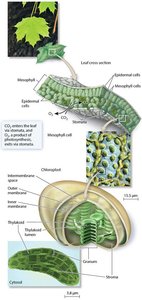
Photosynthesis primarily occurs in the mesophyll cells of leaves, which contain numerous chloroplasts. These cells obtain water from roots, CO2 from stomata, and light via chlorophyll.
Mesophyll: Internal tissue of the leaf rich in chloroplasts.
Stomata: Pores that allow CO2 entry and O2 exit.
Chlorophyll: Pigment in thylakoid membranes that absorbs light.
Stages of Photosynthesis
Light Reactions
The first stage of photosynthesis, the light reactions, occurs in the thylakoid membranes. These reactions convert light energy into chemical energy in the form of ATP and NADPH, and produce O2 as a byproduct.
Location: Thylakoid membrane
Products: ATP, NADPH, O2
The Calvin Cycle
The second stage, the Calvin Cycle, occurs in the stroma. It uses ATP and NADPH from the light reactions to fix CO2 and synthesize sugars.
Location: Stroma
Products: Sugars (e.g., glucose), H2O
Cellular Respiration and the Mitochondrion
Mitochondrion Structure and Function
Mitochondria are the site of cellular respiration in both plant and animal cells. They generate ATP by oxidizing glucose and other organic molecules.
Structure: Outer membrane, inner membrane (with cristae), matrix, mitochondrial DNA, and ribosomes.
Function: Primary role is to make ATP for cellular functions.
Summary Table: Photosynthesis vs. Cellular Respiration
Process | Equation | ΔG (kcal/mol) | Type of Reaction |
|---|---|---|---|
Photosynthesis | Light Energy + 6CO2 + 12H2O → C6H12O6 + 6O2 + 6H2O | +685 | Endergonic |
Cellular Respiration | C6H12O6 + 6O2 → 6CO2 + 6H2O + Energy (ATP) | -686 | Exergonic |
Example: Plants use photosynthesis to produce glucose, which is then used in cellular respiration to generate ATP for growth and metabolism.
Additional info: The notes expand on brief points by providing definitions, equations, and context for each topic, ensuring completeness and academic quality for exam preparation.
