 Indietro
Photosynthesis: Mechanisms, Structure, and Adaptations
Guida di studio - Note intelligenti
 Appunti personalizzati basati sui tuoi materiali, ampliati con definizioni chiave, esempi e contesto.
Photosynthesis
Overview of Photosynthesis
Photosynthesis is the process by which autotrophic organisms, such as plants, convert light energy into chemical energy, producing glucose and oxygen from carbon dioxide and water. This process is fundamental for life on Earth, supporting both autotrophs and heterotrophs. - Autotrophs: Organisms that produce their own food using light energy (e.g., plants). - Heterotrophs: Organisms that obtain energy by consuming organic molecules. - General Equation:
Plant Structure and Raw Material Acquisition
Plants are structured to efficiently acquire the raw materials needed for photosynthesis. - Leaves: Act as solar collectors, capturing sunlight. - Stomates: Openings in leaves for gas exchange (CO2 in, O2 out). - Roots: Absorb water and essential nutrients (N, P, K, S, Mg, Fe). 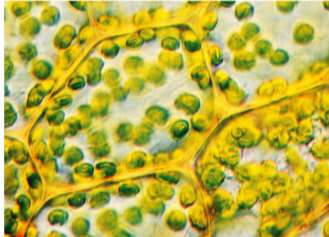
Stomata and Gas Exchange
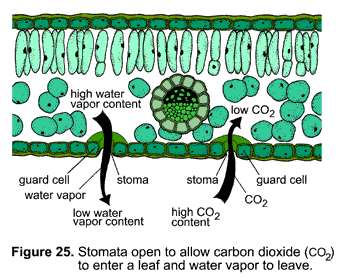
Stomata are specialized structures that regulate gas exchange and water loss in plants. - Stomata: Pores on leaf surfaces controlled by guard cells. - Transpiration: Loss of water vapor through stomata. - Gas Exchange: Allows CO2 to enter and O2 to exit. 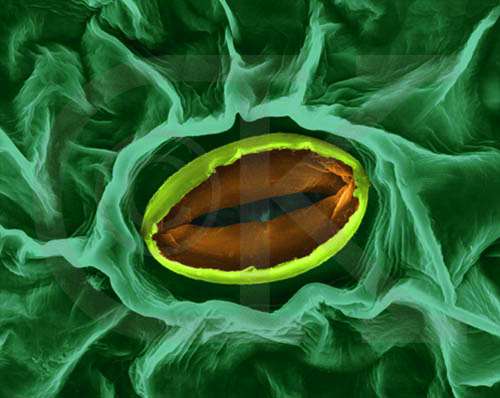
Chloroplast Structure and Function
Chloroplast Anatomy
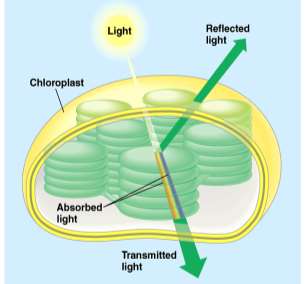
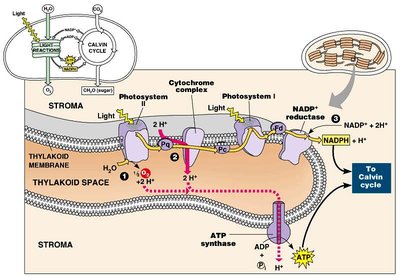
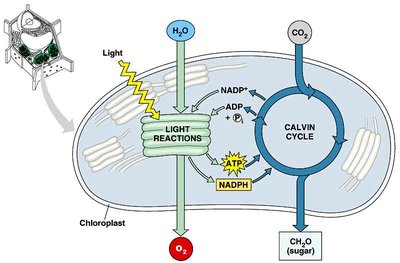
Chloroplasts are the organelles where photosynthesis occurs. They have a complex internal structure optimized for capturing light and facilitating chemical reactions. - Double Membrane: Outer and inner membranes enclose the chloroplast. - Stroma: Fluid-filled interior where the Calvin cycle occurs. - Thylakoid Sacs: Membranous sacs stacked into grana; site of light reactions. - Thylakoid Membrane: Contains chlorophyll, electron transport chain, and ATP synthase. 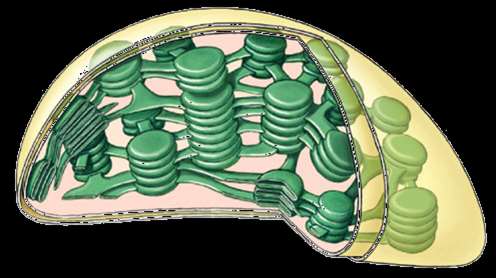
Chlorophyll and Pigments
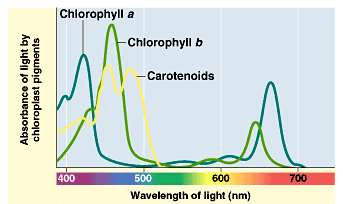
Chlorophyll and accessory pigments are embedded in the thylakoid membrane and are essential for absorbing light energy. - Chlorophyll a: Main pigment, absorbs red and blue light. - Accessory Pigments: Chlorophyll b, carotenoids, xanthophylls absorb other wavelengths. - Photosystem: Cluster of pigment molecules that capture light energy. 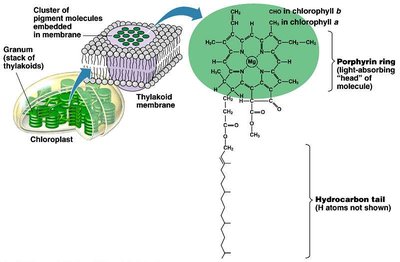
Light Reactions
Absorption of Light Energy
Light reactions convert solar energy into chemical energy (ATP and NADPH). - Absorption Spectrum: Chlorophyll absorbs best in red and blue wavelengths, least in green. - Accessory Pigments: Expand the range of light absorption. 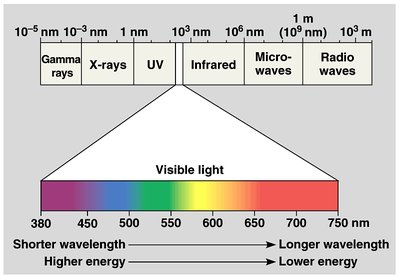
Electron Transport Chain (ETC) and ATP Synthesis
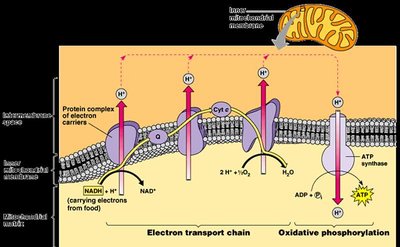
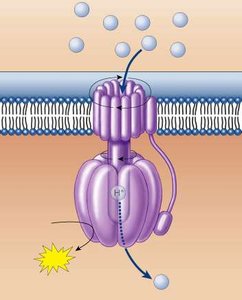
The ETC in the thylakoid membrane generates a proton gradient, driving ATP synthesis. - Electron Transport Chain: Transfers electrons, builds H+ gradient. - ATP Synthase: Enzyme that synthesizes ATP as protons flow through it. - NADPH: Electron carrier produced in light reactions. 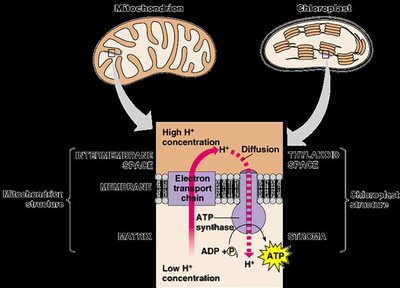

Calvin Cycle (Light-Independent Reactions)
Carbon Fixation and Sugar Synthesis
The Calvin cycle uses ATP and NADPH to reduce CO2 and synthesize glucose. - Location: Stroma of chloroplast. - Key Steps: Carbon fixation, reduction, regeneration of RuBP. - RuBisCo: Enzyme that fixes carbon from air; most abundant enzyme. - G3P: Glyceraldehyde-3-phosphate, energy-rich 3-carbon sugar, end product of Calvin cycle. 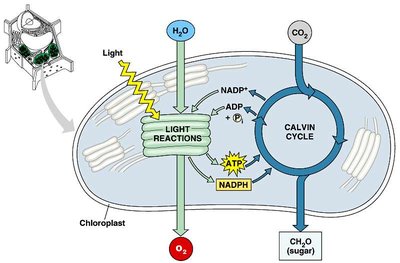
Accounting of Photosynthesis
- 3 turns of Calvin cycle produce 1 G3P (3C). - 6 turns produce 1 glucose (C6H12O6). - Energy Requirement: 18 ATP + 12 NADPH per glucose.
Summary Table: Photosynthesis Reactions
Process | Inputs | Outputs | Location |
|---|---|---|---|
Light Reactions | H2O, Light | ATP, NADPH, O2 | Thylakoid membrane |
Calvin Cycle | CO2, ATP, NADPH | G3P (sugar), ADP, NADP+ | Stroma |
Adaptations in Photosynthesis
Photorespiration and RuBisCo Inefficiency
Photorespiration occurs when RuBisCo binds O2 instead of CO2, leading to loss of fixed carbon and reduced efficiency. - Photorespiration: Oxidation of RuBP, loss of carbon, no ATP or glucose produced. - Evolutionary Baggage: RuBisCo evolved in high CO2 atmosphere; now O2 is more abundant.
C4 and CAM Plant Adaptations
Plants in hot, dry climates have evolved mechanisms to reduce photorespiration. - C4 Plants: Physically separate carbon fixation (PEP carboxylase) from Calvin cycle in different cells; store carbon in 4C compounds. - CAM Plants: Temporally separate carbon fixation (night) from Calvin cycle (day); store carbon in 4C acids.
Plant Type | Adaptation | Example |
|---|---|---|
C3 | Standard Calvin cycle | Most plants |
C4 | Physical separation of steps | Sugar cane, corn |
CAM | Temporal separation of steps | Succulents, cacti, pineapple |
Global Importance of Photosynthesis
Supporting the Biosphere
Photosynthesis is the most important process for sustaining life on Earth. - Captures CO2: Removes 121 billion tons of CO2 annually. - Synthesizes Carbohydrates: Produces 160 billion tons of carbohydrates per year. - Heterotroph Dependence: All animals depend on plants for food and raw materials.
Key Terms and Concepts
Autotroph: Organism that produces its own food from inorganic substances.
Heterotroph: Organism that consumes organic molecules for energy.
Chloroplast: Organelle where photosynthesis occurs.
Stomata: Leaf pores for gas exchange.
RuBisCo: Enzyme for carbon fixation.
Photorespiration: Inefficient process when RuBisCo binds O2.
C4/CAM Plants: Adaptations to reduce photorespiration.
Example: Corn (C4 plant) uses PEP carboxylase to fix CO2 efficiently in hot climates, while cacti (CAM plant) fix CO2 at night to conserve water. Additional info: The notes expand on the original slides by providing definitions, context, and comparative tables for plant adaptations, as well as a summary of the global impact of photosynthesis.
