 Indietro
Photosynthesis: Mechanisms, Structures, and Energy Transformations
Guida di studio - Note intelligenti
 Appunti personalizzati basati sui tuoi materiali, ampliati con definizioni chiave, esempi e contesto.
Photosynthesis: The Basis of Life in Photoautotrophs
Energy Transformations in Ecosystems
Photosynthesis is the process by which photoautotrophs convert light energy into chemical energy, forming the foundation of most ecosystems. Organisms are classified based on how they obtain energy and carbon:
Heterotrophs: Consume organic molecules to synthesize their own biological compounds.
Autotrophs: Produce organic compounds from inorganic sources (CO2, H2O).
Photoautotrophs: Use light energy to convert inorganic compounds into organic molecules.
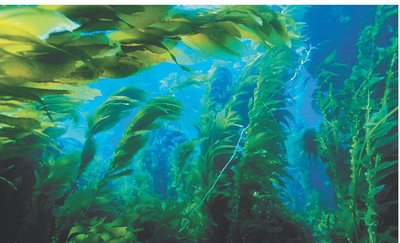
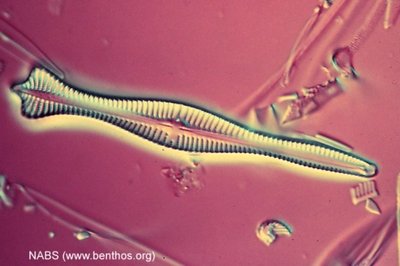
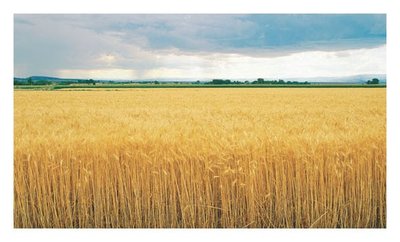
Photoautotrophs include plants, algae, and cyanobacteria, which are essential producers in ecosystems.
Overview of Photosynthesis
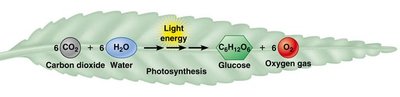
Photosynthesis involves specialized pigment molecules that capture sunlight and enzymes that use this energy to build glucose from carbon dioxide. Water is used in the process, and oxygen is released as a byproduct.
Key Points:
Sunlight energy is converted to chemical energy.
Glucose is produced for cellular respiration, storage, structure, and synthesis of other biomolecules.
Chemical Reactions and Redox Processes in Photosynthesis
Tracking Atoms Through Photosynthesis
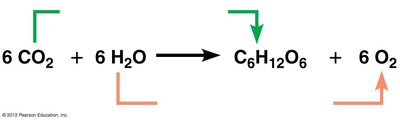
The overall chemical equation for photosynthesis is:
Reactants: 6 CO2 + 12 H2O
Products: C6H12O6 + 6 H2O + 6 O2
This process is a redox reaction, where carbon dioxide is reduced and water is oxidized.
Light: The Energy Source for Photosynthesis
Electromagnetic Spectrum and Visible Light
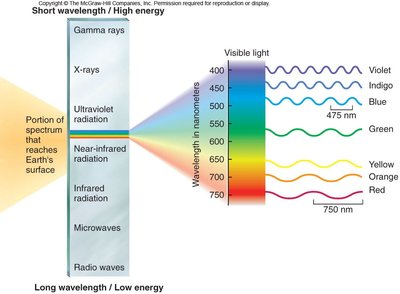
Photosynthesis utilizes visible light, a small portion of the electromagnetic spectrum. Light energy is carried by photons, and only certain wavelengths are suitable for photosynthesis.
Shorter wavelengths: Too much energy, can damage organic molecules (e.g., UV rays).
Longer wavelengths: Not enough energy for photosynthesis.
Pigments: Light Absorbing Molecules
Types and Functions of Pigments
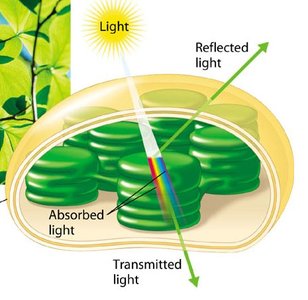
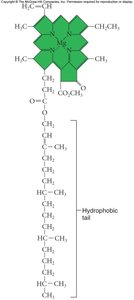
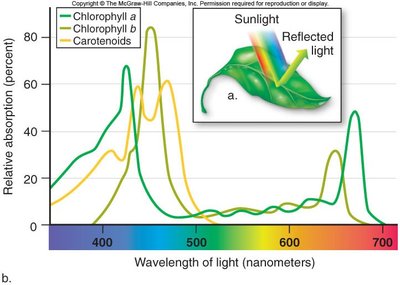
Pigments absorb specific wavelengths of light, enabling photosynthesis. The main pigments are:
Chlorophyll a: Absorbs blue-green light, appears green.
Chlorophyll b: Absorbs yellow-green light.
Accessory pigments (carotenoids): Absorb red, yellow, orange; transfer energy to chlorophyll and protect from UV damage.
How Pigments Absorb Light
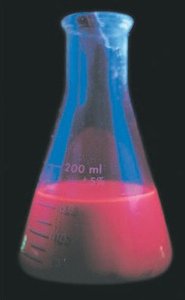
When pigments absorb light, electrons are excited to higher energy levels. The energy can be:
Dissipated as heat
Re-emitted as light (fluorescence)
Used to drive chemical reactions (photosynthesis)
Chloroplasts: The Site of Photosynthesis
Structure and Function
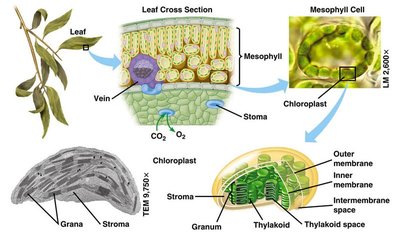
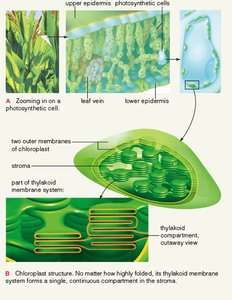
Chloroplasts are organelles found in plants and algae, containing chlorophyll. Their structure includes:
Outer and inner membranes
Stroma: Fluid where sugars are produced
Thylakoids: Membrane sacs containing chlorophyll
Grana: Stacks of thylakoids
Stages of Photosynthesis
Light Reactions
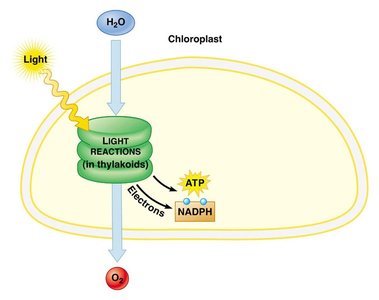
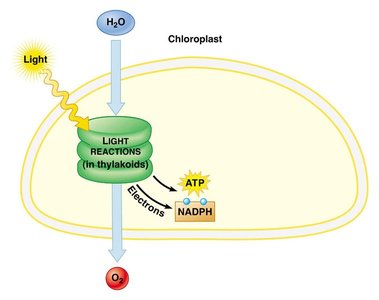
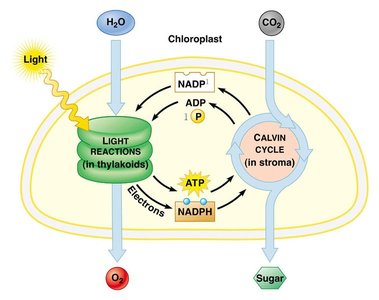
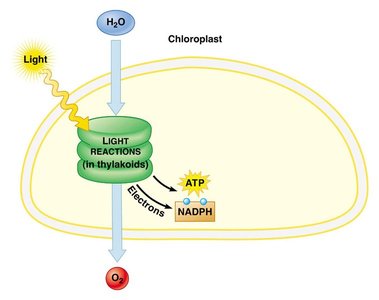
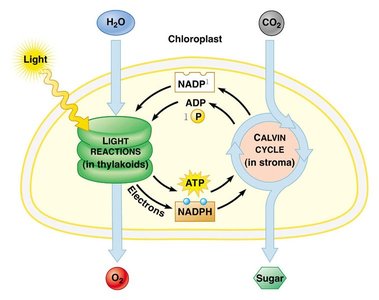
Light reactions occur in the thylakoid membranes and convert light energy to chemical energy, producing O2. Chlorophyll absorbs light, leading to:
ATP synthesis (ADP + P → ATP)
Electron transfer from H2O to NADP+ (forming NADPH)
NADPH acts as an electron carrier
Calvin Cycle (Light-Independent Reactions)
The Calvin cycle occurs in the stroma, using ATP and NADPH from the light reactions to fix carbon and produce glucose. It transforms inorganic carbon (CO2) into organic molecules.
Photosystems and Electron Transport Chains
Photosystems: Light Energy Capture
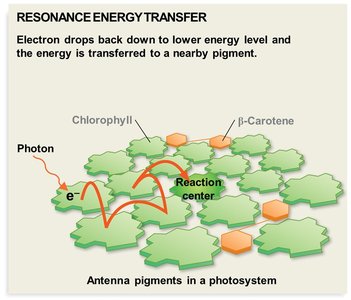
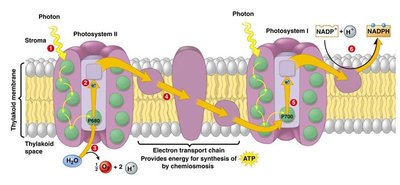
Photosystems are complexes of pigments and proteins that capture light energy and transfer it to a reaction center. There are two types:
Photosystem II (PSII): Produces ATP, contains P680 chlorophyll (absorbs 680 nm light)
Photosystem I (PSI): Produces NADPH, contains P700 chlorophyll (absorbs 700 nm light)
Electron Transport Chains
Two electron transport chains shuttle electrons and release energy:
The first connects PSII and PSI
The second ends in NADPH production
Light Reactions: Stepwise Mechanism
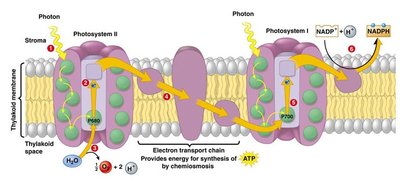
Step 1: Photon Absorption and Electron Excitation
Pigment molecules absorb photons, passing energy to the reaction center and exciting electrons in P680.
Step 2: Electron Capture
Excited electrons are captured by the primary electron acceptor of the electron transport chain.
Step 3: Water Splitting
Water is split, donating electrons to P680 and releasing oxygen as a byproduct.
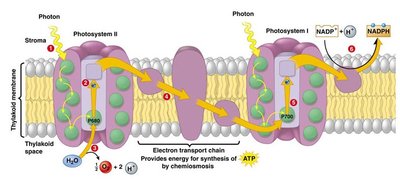
Step 4: Electron Transport and ATP Formation
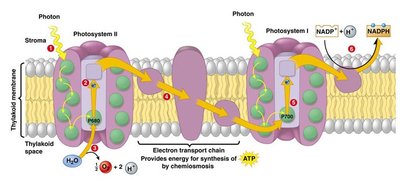
Electrons pass down the electron transport chain, and energy is used for photophosphorylation (ADP + P → ATP).
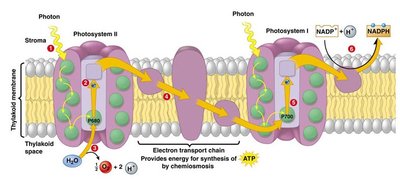
Step 5: Photon Absorption in Photosystem I
Pigment molecules absorb photons, exciting electrons in P700. Electrons from the transport chain replace those lost in P700.
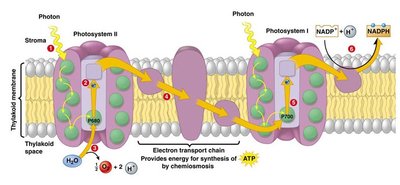
Step 6: NADPH Formation
Excited electrons are passed through a short chain to reduce NADP+ to NADPH.
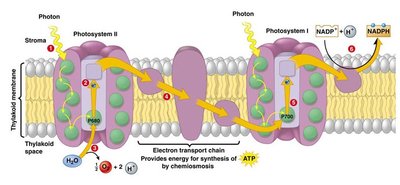
Light Reactions: Chemiosmosis
Proton Gradient and ATP Synthesis
The electron transport chain pumps protons (H+) into the thylakoid space, creating a concentration gradient. Protons move down the gradient through ATP synthase, driving the conversion of ADP + P to ATP.
Calvin Cycle: Light-Independent Reactions
Phases of the Calvin Cycle
The Calvin cycle assembles CO2 into glucose through three phases:
Carbon Fixation: CO2 combines with RuBP (ribulose bisphosphate), catalyzed by rubisco, forming 3-phosphoglycerate (PGA).
Reduction: PGA is reduced to G3P (glyceraldehyde-3-phosphate), consuming ATP and NADPH.
Regeneration: RuBP is regenerated, requiring more ATP.
Inputs: CO2, ATP, NADPH Outputs: G3P (used to form glucose and other organic compounds)
Summary Table: Photosynthesis Stages
Stage | Location | Main Inputs | Main Outputs | Key Enzymes/Structures |
|---|---|---|---|---|
Light Reactions | Thylakoid Membrane | Light, H2O, NADP+, ADP | O2, ATP, NADPH | Photosystem II, Photosystem I, ATP Synthase |
Calvin Cycle | Stroma | CO2, ATP, NADPH | G3P (glucose precursor), ADP, NADP+ | Rubisco, RuBP |
Review Questions
What organisms photosynthesize?
Explain the reactants and products of photosynthesis.
Describe chloroplast structure and the function of each part.
Explain the role of pigments in photosynthesis.
Describe the inputs and outputs for the light-dependent and light-independent reactions.
Describe the functions of Photosystem II and I, and the electron transport chains.
What goes into and is produced by the Calvin cycle?
What are the three phases of the Calvin cycle and their functions?
Additional info: Academic context was added to clarify pigment functions, Calvin cycle steps, and electron transport chain mechanisms.
