 Indietro
Photosynthesis: The Process that Feeds the Biosphere
Guida di studio - Note intelligenti
 Appunti personalizzati basati sui tuoi materiali, ampliati con definizioni chiave, esempi e contesto.
Photosynthesis: The Process that Feeds the Biosphere
Autotrophic and Heterotrophic Nutrition
Photosynthesis is the fundamental process by which solar energy is converted into chemical energy, sustaining nearly all life on Earth. Organisms are classified based on how they obtain their nutrition:
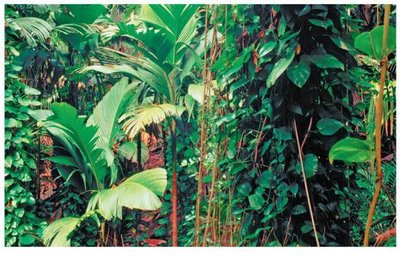
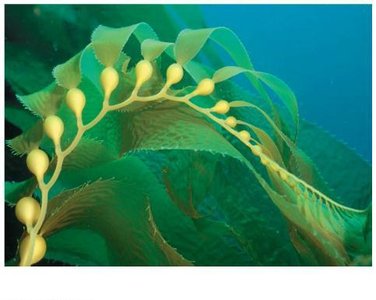
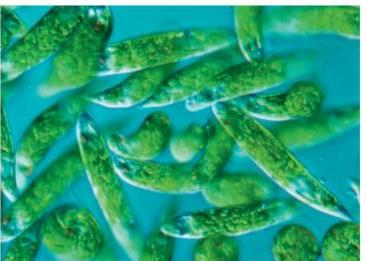
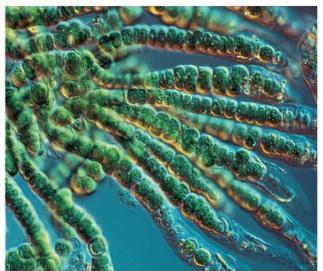
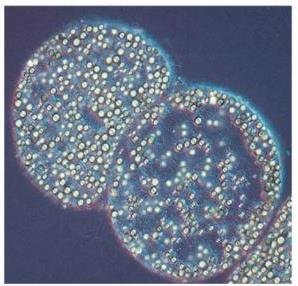
Autotrophs: Organisms that produce their own organic molecules from CO2 and other inorganic substances. Most plants, algae, and some prokaryotes are autotrophs, specifically photoautotrophs that use sunlight for energy.
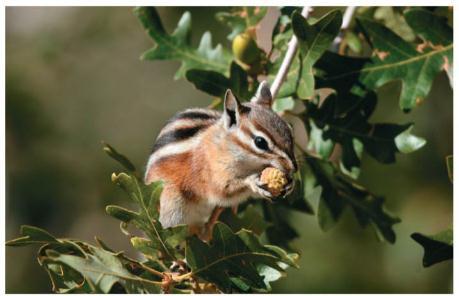
Heterotrophs: Organisms that obtain organic molecules by consuming other organisms. They are the consumers of the biosphere and depend on autotrophs for food and oxygen.
Example: Plants, multicellular algae, unicellular eukaryotes, cyanobacteria, and purple sulfur bacteria are all autotrophs, while animals are heterotrophs.
Photosynthesis and Fossil Fuels
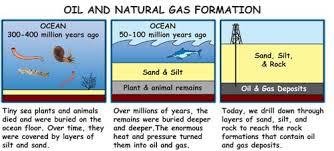
Earth’s supply of fossil fuels was formed from the remains of ancient organisms, representing stores of solar energy from the distant past. Photosynthesis is the original source of this energy.
Chloroplasts: The Sites of Photosynthesis
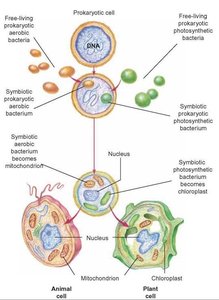
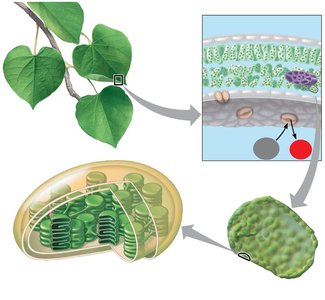
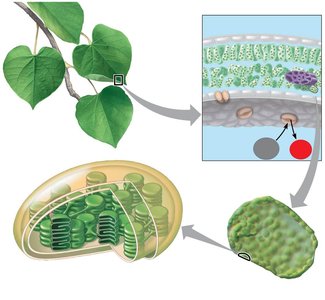
Chloroplasts are organelles found mainly in the mesophyll cells of leaves. They are structurally similar to photosynthetic bacteria and likely evolved from them. The organization of chloroplasts enables the chemical reactions of photosynthesis.
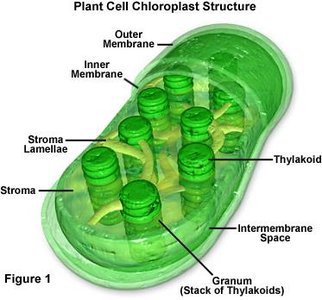
Structure: Chloroplasts have an envelope of two membranes surrounding a dense fluid called the stroma.
Thylakoids: Connected sacs forming a third membrane system, often stacked in columns called grana.
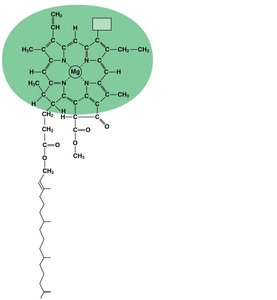
Chlorophyll: The pigment responsible for the green color of leaves, located in the thylakoid membranes.
Summary Equation for Photosynthesis
The overall chemical equation for photosynthesis is:
Reactants: 6 CO2 + 6 H2O + Energy
Products: C6H12O6 + 6 O2
In LaTeX format:

The Pathways of Photosynthesis
The Two Main Stages: Light Reactions and Calvin Cycle
Photosynthesis consists of two main stages:
Light Reactions: Occur in the thylakoid membranes. Split water, release O2, reduce NADP+ to NADPH, and generate ATP by photophosphorylation.
Calvin Cycle: Occurs in the stroma. Forms sugar from CO2 using ATP and NADPH. Begins with carbon fixation, incorporating CO2 into organic molecules.
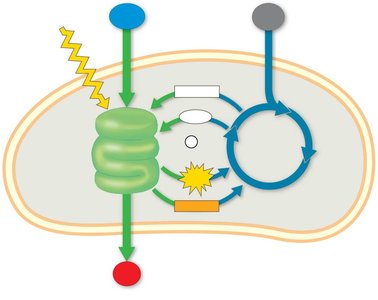
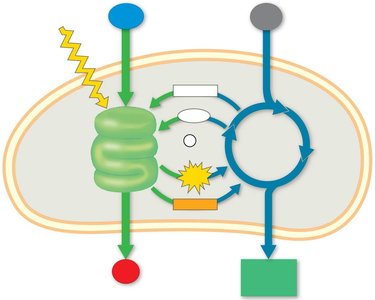
Light Reactions: Conversion of Solar Energy
Thylakoids transform light energy into the chemical energy of ATP and NADPH. Light is a form of electromagnetic energy, and its wavelength determines its energy and type.
Visible light: The range of wavelengths used in photosynthesis.
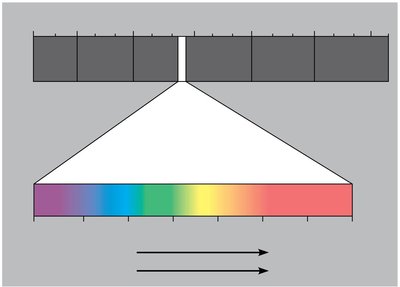
Photosynthetic Pigments: Light Receptors
Pigments absorb visible light. Different pigments absorb different wavelengths, and those not absorbed are reflected or transmitted. Chlorophyll reflects green light, making leaves appear green.
Chlorophyll a: Main photosynthetic pigment.
Chlorophyll b: Accessory pigment broadening the spectrum.
Carotenoids: Accessory pigments that absorb excessive light.
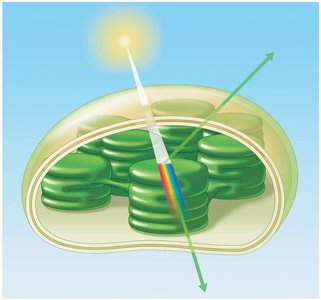
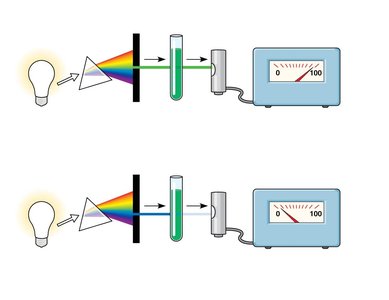
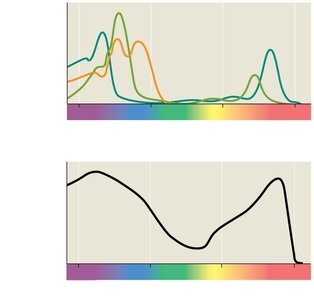
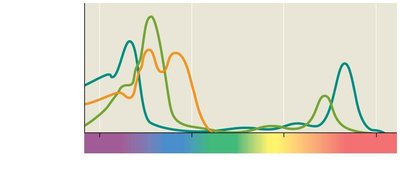
Excitation of Chlorophyll by Light
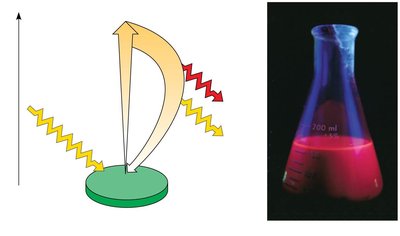
When a pigment absorbs light, it transitions from a ground state to an excited state. Excited electrons return to the ground state, emitting photons as fluorescence.
Photosystems: Harvesting Light
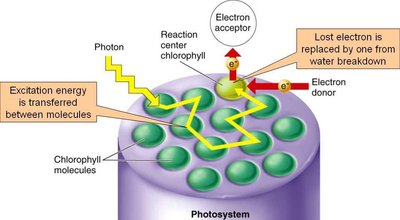
A photosystem consists of a reaction-center complex surrounded by light-harvesting complexes. The primary electron acceptor in the reaction center accepts excited electrons, initiating the light reactions.
Linear Electron Flow in Light Reactions
Linear electron flow is the primary pathway, involving both photosystems and producing ATP and NADPH using light energy. The process includes eight steps, from photon absorption to NADPH formation.
Cyclic Electron Flow
Cyclic electron flow uses only photosystem I and produces ATP but not NADPH. No oxygen is released. This pathway may protect cells from light-induced damage and is thought to have evolved before linear electron flow.
Chemiosmosis in Chloroplasts and Mitochondria
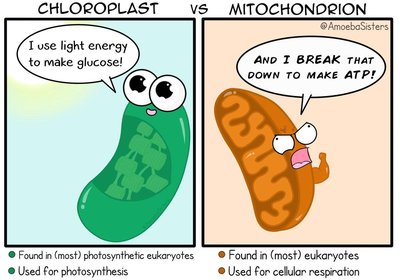
Both organelles generate ATP by chemiosmosis, but chloroplasts use light energy while mitochondria use chemical energy from food. The spatial organization of chemiosmosis differs but shows similarities.
The Calvin Cycle: Using ATP and NADPH to Reduce CO2 to Sugar
Overview of the Calvin Cycle
The Calvin cycle regenerates its starting material after molecules enter and leave the cycle. It builds sugar from smaller molecules using ATP and the reducing power of electrons carried by NADPH.
Carbon enters: As CO2, leaves as glyceraldehyde 3-phosphate (G3P).
Three phases: Carbon fixation (catalyzed by rubisco), reduction, and regeneration of the CO2 acceptor (RuBP).
Alternative Pathways to Photosynthesis
Photorespiration and C3 Plants
Photorespiration occurs when rubisco adds O2 instead of CO2 in the Calvin cycle, producing a two-carbon compound. This process consumes O2 and organic fuel, releases CO2, and does not produce ATP or sugar. It is favored under hot, dry conditions when stomata close to conserve water.
C4 Photosynthesis
C4 plants minimize photorespiration by incorporating CO2 into four-carbon compounds. They have two distinct cell types: bundle-sheath cells and mesophyll cells. Sugar production occurs in a three-step process involving PEP carboxylase, transport of four-carbon compounds, and release of CO2 for the Calvin cycle.
PEP carboxylase: Enzyme with higher affinity for CO2 than rubisco.
Bundle-sheath cells: Site of Calvin cycle in C4 plants.
CAM Photosynthesis
CAM plants, such as succulents, open their stomata at night to fix CO2 into organic acids. During the day, stomata close, and CO2 is released from organic acids for use in the Calvin cycle. This adaptation allows plants to survive in arid environments.
The Importance of Photosynthesis
Photosynthesis and Life on Earth
The energy entering chloroplasts as sunlight is stored as chemical energy in organic compounds. Sugar produced in chloroplasts supplies energy and carbon skeletons for cellular synthesis. Excess sugar is stored as starch, and photosynthesis produces the O2 in our atmosphere.
Light reactions: Convert light energy to ATP and NADPH, split water, and release O2.
Calvin cycle: Uses ATP and NADPH to convert CO2 to sugar, returning ADP, inorganic phosphate, and NADP+ to the light reactions.
Process | Location | Main Function |
|---|---|---|
Light Reactions | Thylakoid Membrane | Produce ATP, NADPH, O2 |
Calvin Cycle | Stroma | Produce G3P (sugar) from CO2 |
