 Indietro
Photosynthesis: The Process that Feeds the Biosphere
Guida di studio - Note intelligenti
 Appunti personalizzati basati sui tuoi materiali, ampliati con definizioni chiave, esempi e contesto.
Photosynthesis: The Process that Feeds the Biosphere
Introduction to Photosynthesis
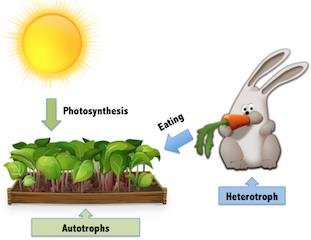
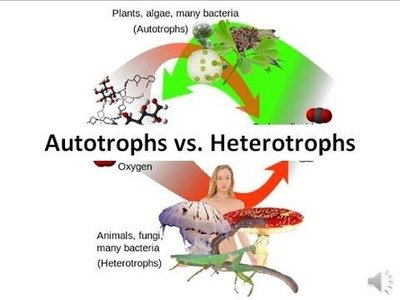
Photosynthesis is a fundamental biological process that converts solar energy into chemical energy, sustaining almost all life on Earth. It occurs in specialized organelles called chloroplasts found in plants and other photosynthetic organisms. Autotrophs, or "self-feeders," produce organic molecules from inorganic sources, forming the base of the biosphere's food web.
Autotrophs: Organisms that produce their own food using sunlight (photoautotrophs) or inorganic chemicals (chemoautotrophs).
Photoautotrophs: Use sunlight to synthesize organic compounds; includes most plants, algae, and some bacteria.
Heterotrophs: Organisms that obtain organic material by consuming other organisms; includes animals, fungi, and many bacteria.
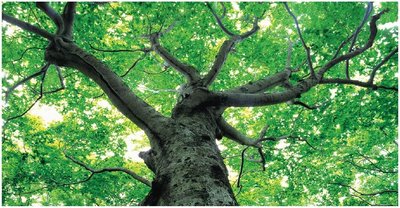
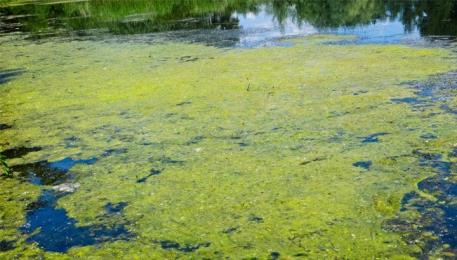
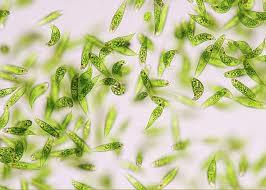
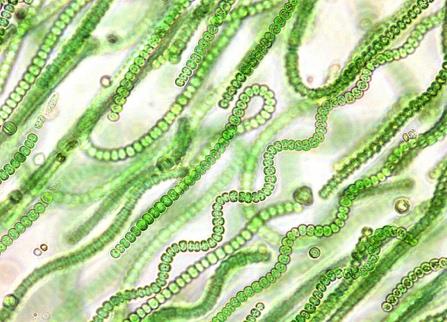
Photosynthesis in Plants and Other Organisms
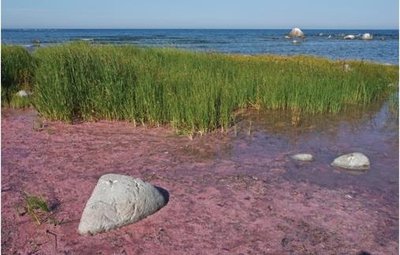
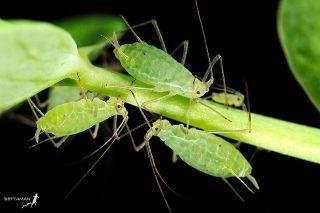
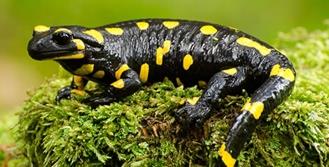
Photosynthesis is not limited to plants; it also occurs in algae, unicellular eukaryotes, and certain prokaryotes. Recent evidence suggests some animals, such as aphids, sea slugs, and salamanders, may also utilize photosynthetic processes.
Oxygenic photosynthesis: Produces oxygen as a byproduct (e.g., plants, cyanobacteria).
Anoxygenic photosynthesis: Produces sulfur instead of oxygen (e.g., purple sulfur bacteria).
Heterotrophs and the Importance of Photosynthesis
Heterotrophs rely on autotrophs for food and energy. Decomposers consume dead organic material, recycling nutrients. Fossil fuels, formed from ancient photosynthetic organisms, are being depleted faster than they are replenished, prompting research into alternative fuels derived from photosynthesis (e.g., algae fuel).
Historical Experiments in Photosynthesis
Early Evidence and Experiments
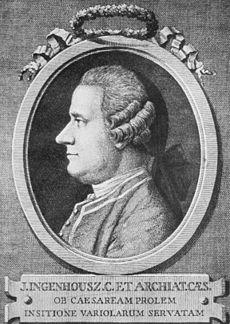
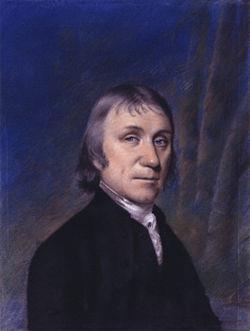
Key experiments in the 17th-19th centuries established the role of water, air, and light in photosynthesis. Jan van Helmont showed plant mass comes from water, Joseph Priestley discovered plants restore air for candle burning, and Jan Ingenhousz demonstrated the necessity of sunlight for oxygen production.
Jan van Helmont: Mass gain in plants is primarily from water.
Joseph Priestley: Plants release a gas (oxygen) that supports combustion.
Jan Ingenhousz: Sunlight enables plants to produce oxygen.
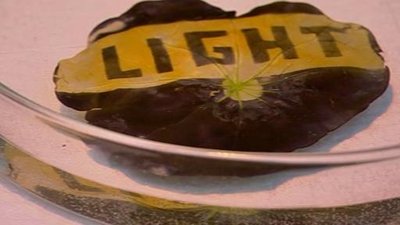
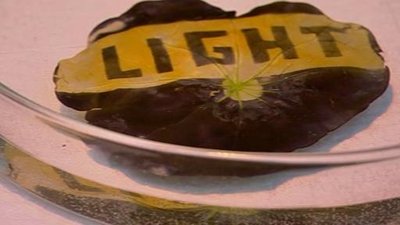
Julius Von Sachs: Used iodine to detect starch in leaves, showing starch is produced only in light.
Photosynthesis: Chemical Overview
Photosynthesis as a Redox Reaction
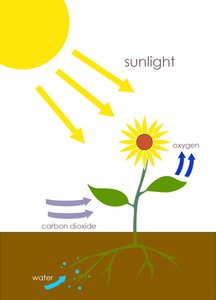
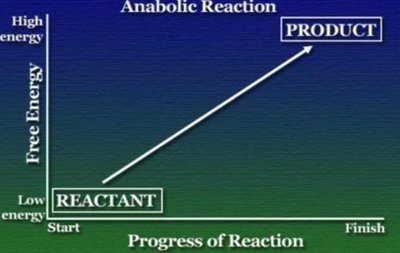
Photosynthesis is an anabolic, endergonic redox reaction. It reduces carbon dioxide to glucose and oxidizes water to oxygen, the reverse of cellular respiration.
Photosynthesis equation:
Cellular respiration equation:
Redox process: CO2 is reduced, H2O is oxidized.
Chloroplasts: The Sites of Photosynthesis
Chloroplast Structure and Function
Photosynthesis occurs in chloroplasts, which are structurally similar to cyanobacteria and likely evolved via endosymbiosis. Chloroplasts are mainly found in mesophyll cells of leaves, with each cell containing 30-40 chloroplasts. Gas exchange occurs through stomata.
Chloroplast envelope: Two membranes surrounding the stroma.
Stroma: Dense fluid where the Calvin cycle occurs.
Thylakoids: Membranous sacs stacked as grana; site of light reactions.
Chlorophyll: Pigment in thylakoid membranes responsible for light absorption.

Chloroplast Ultrastructure
Outer membrane
Inter-membrane space
Inner membrane (envelope)
Stroma (CO2 conversion)
Thylakoid lumen
Thylakoid membrane (chlorophyll)
Granum (stack of thylakoids)
Starch, ribosomes, DNA, lipids
Tracking Atoms Through Photosynthesis
Photosynthesis Equation and Process
Photosynthesis splits water into hydrogen and oxygen, incorporating hydrogen electrons into sugar molecules and releasing oxygen as a byproduct. It is divided into two stages: light reactions and the Calvin cycle (dark reactions).
Light reactions: Occur in thylakoids; use solar energy to split water, release oxygen, and produce ATP and NADPH.
Calvin cycle: Occurs in stroma; uses ATP and NADPH to reduce CO2 into sugars.
The Process of Photosynthesis
Steps of Photosynthesis
The process involves several steps, beginning with the absorption of light energy, splitting of water, production of ATP and NADPH, and culminating in carbon fixation and sugar production.
Light energy splits water.
Oxygen is released; ATP and NADPH are produced.
ATP and NADPH are used in the Calvin cycle for carbon fixation.
Sugar is produced.
The Nature of Sunlight
Electromagnetic Energy and Photosynthesis
Light is electromagnetic energy, traveling in waves. The wavelength determines the type of electromagnetic energy. The visible spectrum (400-750 nm) includes wavelengths that drive photosynthesis.
Electromagnetic spectrum: Range of all electromagnetic radiation.
Visible light: Drives photosynthesis; includes blue and red wavelengths.
Photosynthetic Pigments: The Light Receptors
Pigments and Light Absorption
Pigments absorb visible light; different pigments absorb different wavelengths. Chlorophyll reflects green light, making leaves appear green. Chromatography and spectrophotometry are used to analyze pigment absorption.
Chlorophyll a: Main light-capturing pigment.
Chlorophyll b: Accessory pigment.
Carotenoids: Accessory pigments.
Photosystems and Light Reactions
Structure and Function of Photosystems
Photosystems are complexes in thylakoid membranes, consisting of a reaction-center surrounded by light-harvesting complexes. There are two types: Photosystem II (PS-II) and Photosystem I (PS-I), each absorbing different wavelengths.
PS-II: Absorbs at 680 nm (P680).
PS-I: Absorbs at 700 nm (P700).
Linear and Cyclic Electron Flow
Light reactions involve linear and cyclic electron flow. Linear flow uses both photosystems, producing ATP and NADPH, and releasing oxygen. Cyclic flow uses only PS-I, producing ATP but not NADPH, and does not release oxygen.
Linear electron flow: Primary pathway; involves both PS-II and PS-I.
Cyclic electron flow: Primitive pathway; involves only PS-I.
The Calvin Cycle
Steps of the Calvin Cycle
The Calvin cycle uses ATP and NADPH to reduce CO2 to sugar. It consists of three main steps: carbon fixation, reduction, and regeneration of the CO2 acceptor (RuBP).
Carbon fixation: CO2 is fixed by Rubisco, forming 3-phosphoglycerate (3PG).
Reduction: 3PG is reduced to G3P using ATP and NADPH.
Regeneration: Some G3P regenerates RuBP; the rest forms glucose and other organic products.
Photorespiration
Photorespiration is a limitation in C3 plants, occurring when stomata close in dry weather, causing oxygen to compete with CO2 for Rubisco, reducing photosynthetic efficiency.
Photosynthesis in Bacteria
Oxygenic vs. Anoxygenic Photosynthesis
Oxygenic bacteria (cyanobacteria) use water and produce oxygen. Anoxygenic bacteria (purple sulfur bacteria) use hydrogen sulfide and produce sulfur.
Type | Reactants | Products |
|---|---|---|
Oxygenic | H2O + CO2 + light | Glucose + O2 |
Anoxygenic | H2S + CO2 + light | Glucose + S |
The Importance of Photosynthesis
Photosynthesis and Life
Photosynthesis stores solar energy as chemical energy in organic compounds. Plants store excess sugar as starch, and produce lipids, proteins, vitamins, and other phytochemicals. Ancient photosynthetic organisms are the source of fossil fuels, while modern photosynthetic organisms provide food, paper, wood, and sustainable energy.
Glucose: Used in cellular respiration, fermentation, and as a precursor for sucrose, starch, cellulose.
Starch: Energy storage in chloroplasts, amyloplasts, and leucoplasts.
Cellulose: Structural support in plants.
Special Cases and Recent Discoveries
Some organisms, such as Acaryochloris marina, use chlorophyll d to capture energy from near-infrared light. Non-photosynthetic plants, like the ghost plant (Monotropa uniflora), depend on other plants for food.
Summary Table: Photosynthesis vs. Cellular Respiration
Process | Reactants | Products | Energy Flow |
|---|---|---|---|
Photosynthesis | CO2, H2O, light | Glucose, O2 | Endergonic (stores energy) |
Cellular Respiration | Glucose, O2 | CO2, H2O | Exergonic (releases energy) |
Review of Photosynthesis
Light reactions: Occur in thylakoid membranes; convert light energy to ATP and NADPH; split water and release oxygen.
Calvin cycle: Occurs in stroma; uses ATP and NADPH to convert CO2 to G3P; returns ADP and NADP+ to light reactions.
