 Indietro
Phylum Mollusca: Structure, Diversity, and Evolutionary Traits
Guida di studio - Note intelligenti
 Appunti personalizzati basati sui tuoi materiali, ampliati con definizioni chiave, esempi e contesto.
Phylum Mollusca: Overview
Introduction to Mollusca
The phylum Mollusca is one of the most diverse groups within the animal kingdom, encompassing organisms such as snails, slugs, oysters, clams, octopuses, and squids. Mollusks are characterized by their soft bodies, which are often protected by a hard shell, and they exhibit a wide range of adaptations for aquatic and terrestrial environments.
Multicellularity: Mollusks are multicellular eukaryotes.
Collagen: Structural protein present in connective tissues.
Blastula and Gastrula: Mollusks undergo embryonic development stages including blastula and gastrula.
Triploblastic: Possess three germ layers: ectoderm, mesoderm, and endoderm.
Bilateral Symmetry: Most mollusks exhibit bilateral symmetry.
Coelom: True body cavity present.
Complete Gut: Digestive tract with separate mouth and anus.
Protostomes vs. Deuterostomes
Mollusks are classified as protostomes, which distinguishes them from deuterostomes based on embryonic development.
Spiral Cleavage: Early cell division is spiral.
Determinate Development: Fate of embryonic cells is fixed early.
Blastopore Forms Mouth: The blastopore becomes the mouth.
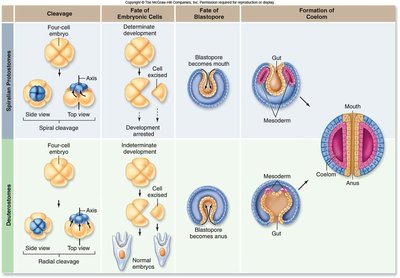
Deuterostomes exhibit radial cleavage, indeterminate development, and the blastopore forms the anus.
Synapomorphies and Anatomy of Mollusca
Key Traits and Structures
Mollusks share several synapomorphies (shared derived traits) that define the phylum:
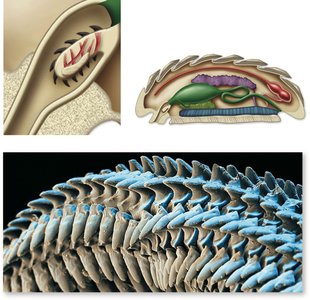
Shell: Protective structure, secreted by the mantle; lost or reduced in some groups.
Mantle: Dorsal epidermal sheet responsible for shell secretion.
Muscular Foot: Used for movement and attachment.
Radula: Rasping feeding appendage unique to mollusks (absent in bivalves).
Gill: Respiratory organ, especially in aquatic species.
Gut: Complete digestive system.
Other Physiological Traits
Gills: Used for respiration and filter feeding.
Open Circulatory System: Hemolymph pumped by heart into hemocoel.
Nervous System: Varies in complexity; cephalopods have highly developed systems.
Nephridia: Excretory organs for waste management.
Major Clades of Mollusca
Classification and Diversity
Mollusca is divided into four major clades, each with distinct anatomical and ecological features:
Polyplacophora (Chitons)
Bivalvia (Clams, Mussels, Scallops, Oysters)
Gastropoda (Snails, Slugs, Nudibranchs)
Cephalopoda (Squid, Octopus, Cuttlefish, Nautilus)
Class Polyplacophora (Chitons)
Characteristics and Adaptations
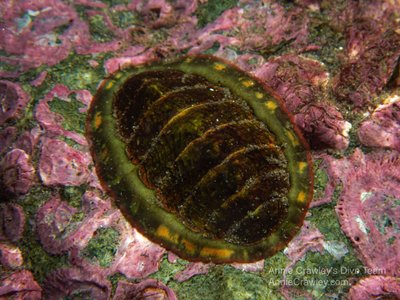
Chitons are exclusively marine mollusks with unique adaptations for life on rocky substrates.
Shell: Composed of 7 or 8 dorsal plates.
Habitat: All marine, often found scraping algae off rocks.
Adaptation: Suction to rocks prevents desiccation.
Vision in Chitons
Some chitons possess eyes made of calcium carbonate, functioning as compound eyes to form low-resolution images.
Class Bivalvia
Structure and Feeding
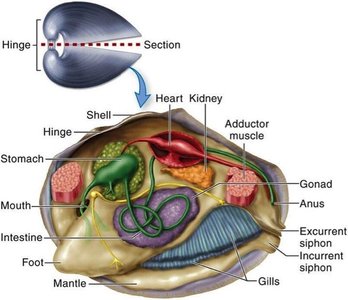
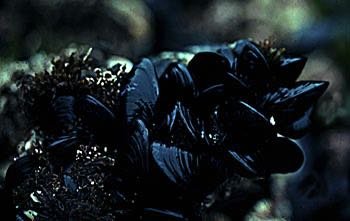
Bivalves are aquatic mollusks characterized by two shells and a lack of head and radula.
Shell: Two-part shell joined by a hinge.
Feeding: Primarily filter feeders using gills.
Sessile Lifestyle: Attach to substrates with foot; limited movement.
Cephalization: Not cephalized; lack a distinct head.
Specialized Structures
Siphons: Inhalant and exhalant siphons for water flow.
Complex Eyes and Tentacles: Present in some species for sensory functions.
Class Gastropoda
Diversity and Adaptations
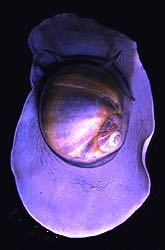
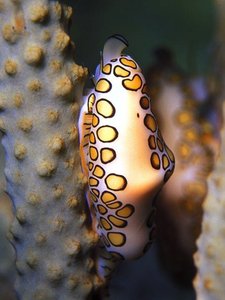
Gastropods are the most diverse molluscan class, inhabiting marine, freshwater, and terrestrial environments.
Shell: Typically one-piece; many have reduced or lost shells.
Lungs: Terrestrial species possess lungs for respiration.
Chemosensing Antennae and Eyes: Used for environmental sensing.
Predatory Adaptations
Active Predators: Many gastropods hunt prey.
Toxins/Venoms: Some produce and sequester toxins.
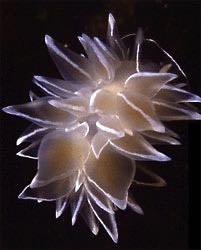
Nudibranchs: Some can store cnidocytes from prey for defense.
Shell Development and Torsion
Mosaic Cleavage: Shells develop directionally, most are dextral (right-handed).
Torsion: Developmental process resulting in twisted body plan.
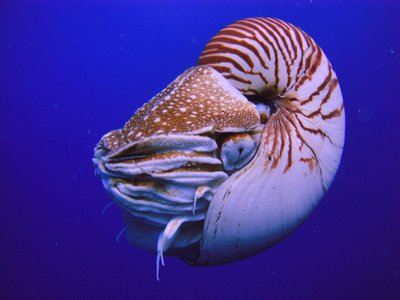
Class Cephalopoda
Intelligence and Body Plan
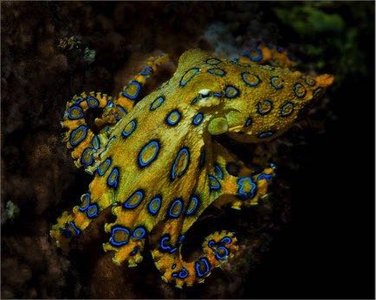
Cephalopods are highly intelligent marine predators with complex body plans and advanced adaptations.
Radula: Modified into a beak for eating prey.
Tentacles: Equipped with suckers; derived from the foot.
Shell: Reduced or absent in most species.
Mantle: Contains siphon for rapid propulsion.
Closed Circulatory System: Efficient oxygen transport.
Large Brain and Complex Nervous System: Enables problem-solving and tool use.
Well-developed Eyes: Convergent evolution with vertebrate eyes.
Predation and Defense Mechanisms
Ink Expulsion: Used to deter predators.
Chromatophores: Cells that change color and texture for camouflage.
Photophores: Bioluminescent spots for defense.
Summary Table: Molluscan Classes
Class | Shell | Habitat | Feeding | Special Features |
|---|---|---|---|---|
Polyplacophora | 7-8 plates | Marine | Scrape algae | Compound eyes (in some) |
Bivalvia | Two shells | Aquatic | Filter feeding | Siphons, sensory tentacles |
Gastropoda | One-piece or reduced | Marine, freshwater, terrestrial | Varied (herbivores, predators) | Torsion, chemosensing antennae |
Cephalopoda | Reduced/absent (except Nautilus) | Marine | Predatory | Beak, tentacles, ink, chromatophores |
Evolutionary Context
Lophotrochozoa and Larval Forms
Mollusks belong to the superphylum Lophotrochozoa, characterized by either a lophophore feeding structure or trochophore larvae. This evolutionary grouping includes other phyla such as annelids and platyhelminthes.
Additional info:
Some chitons have evolved unique vision systems using calcium carbonate lenses, a rare adaptation among invertebrates.
Cephalopods demonstrate convergent evolution in their eye structure, closely resembling vertebrate eyes despite their distant relationship.
