 Indietro
Plant Diversity I: How Plants Colonized Land
Guida di studio - Note intelligenti
 Appunti personalizzati basati sui tuoi materiali, ampliati con definizioni chiave, esempi e contesto.
Plant Diversity I: How Plants Colonized Land
The Greening of Earth
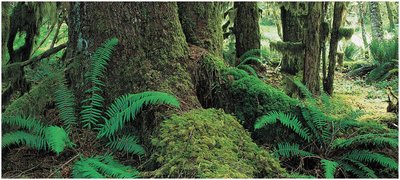
For much of Earth's history, terrestrial environments were largely lifeless. The colonization of land by plants, fungi, and animals began around 500 million years ago, with the first forests appearing by 385 million years ago. This transition fundamentally changed Earth's ecosystems, enabling the development of complex terrestrial life.
Adaptations Enabling the Move to Land
The move from aquatic to terrestrial habitats provided plants with new opportunities, such as access to unfiltered sunlight, abundant carbon dioxide, and nutrient-rich soils. However, it also posed challenges, including water scarcity, lack of structural support, and the need for new reproductive strategies. Key adaptations that enabled plants to thrive on land include:
Alternation of generations
Walled sporangia for spore protection
Apical meristems for growth
Cuticle and stomata for waterproofing and gas exchange
Alternation of Generations
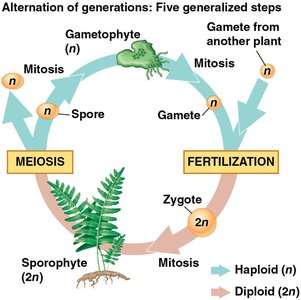
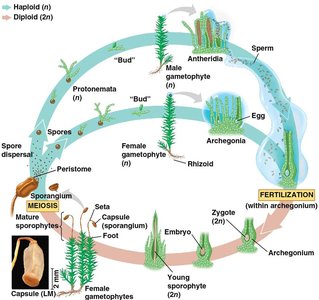
Alternation of generations is a reproductive cycle in which plants alternate between two multicellular stages: the haploid gametophyte and the diploid sporophyte. The gametophyte produces gametes (sperm and eggs) by mitosis, while the sporophyte produces haploid spores by meiosis. This adaptation allows plants to reproduce efficiently in terrestrial environments.
Key Definitions
Haploid (n): Cells with a single set of chromosomes, forming the gametophyte generation.
Diploid (2n): Cells with two sets of chromosomes, forming the sporophyte generation.

Mitosis and Meiosis in Plants
Mitosis: Produces two genetically identical diploid cells for growth, repair, and asexual reproduction. Occurs in meristematic regions.
Meiosis: Produces four genetically unique haploid spores for sexual reproduction. Occurs in reproductive organs.
Traits of Terrestrial Plants
Walled Spores Produced in Sporangia
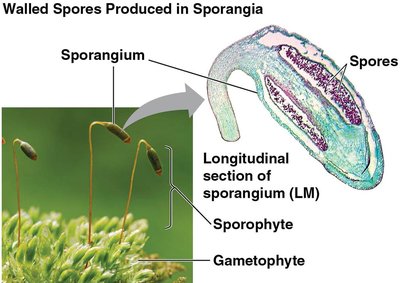
Sporophytes produce spores in multicellular organs called sporangia. The walls of these spores contain sporopollenin, a durable polymer that prevents desiccation, allowing spores to survive in dry environments.
Apical Meristems
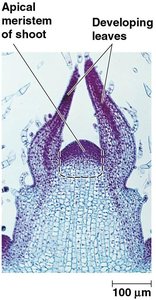
Apical meristems are regions of actively dividing cells at the tips of roots and shoots. They enable plants to grow in length and explore new resources above and below ground.
Roots and Mycorrhizae
Early land plants lacked true roots, making nutrient absorption challenging. Fossil evidence suggests that symbiotic associations with fungi (mycorrhizae) helped early plants colonize land. The evolution of roots provided a major advantage for water and nutrient uptake.
Major Events in Plant Evolution
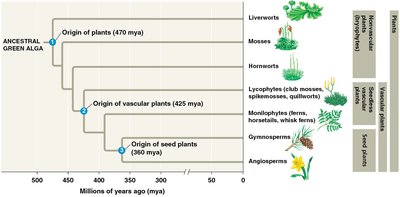
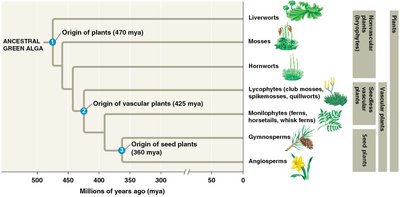
Plant evolution is marked by the origin of key adaptations, including vascular tissue and seeds. The following timeline summarizes major events:
Event | Approximate Time (mya) |
|---|---|
Origin of plants | 470 |
Origin of vascular plants | 425 |
Origin of seed plants | 360 |
Classification of Land Plants
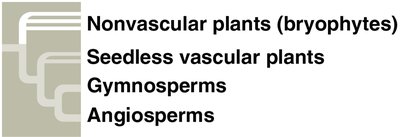
Nonvascular Plants (Bryophytes)
Bryophytes are nonvascular plants that lack specialized transport tissues. They are small, herbaceous plants that include three main groups: liverworts, mosses, and hornworts. All bryophytes are seedless and reproduce via spores.
Liverworts (Phylum Hepatophyta)
Mosses (Phylum Bryophyta)
Hornworts (Phylum Anthocerophyta)
Vascular Plants
Vascular plants possess specialized tissues (xylem and phloem) for transporting water, minerals, and nutrients. They are divided into seedless and seed plants.
Seedless vascular plants: Lycophytes (club mosses) and monilophytes (ferns and relatives)
Seed plants: Gymnosperms and angiosperms
Seed Plants
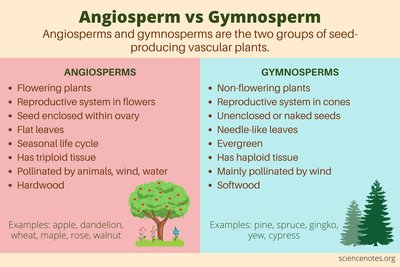
Seed plants are the dominant group of living plants. A seed consists of an embryo, a nutrient supply, and a protective coat. Seed plants are divided into:
Gymnosperms: Produce "naked" seeds not enclosed in chambers (e.g., pines, spruces).
Angiosperms: Produce flowers and seeds enclosed within fruits. Nearly 90% of living plant species are angiosperms.
Bryophyte Life Cycle and Structure
Dominance of Gametophytes
In bryophytes, the gametophyte is the dominant, longer-living stage. Sporophytes are smaller and nutritionally dependent on the gametophyte. Bryophyte reproduction is limited by the need for water for sperm motility, but many also reproduce asexually.
Bryophyte Structure
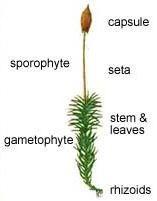
Rhizoids: Root-like structures that anchor the plant but do not absorb water or nutrients.
Sporophyte: Consists of a foot (nutrient absorption), seta (stalk), and sporangium (capsule for spore production).
Three Bryophyte Phyla
Phylum | Common Name | Key Features |
|---|---|---|
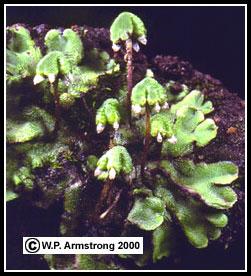
Hepatophyta | Liverworts | Liver-shaped gametophytes, flattened thalli |
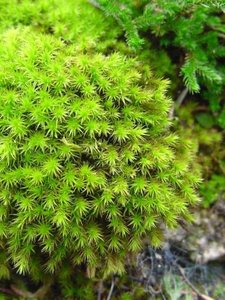
Bryophyta | Mosses | Leafy gametophytes, common in moist habitats |
Anthocerophyta | Hornworts | Horn-shaped sporophytes, symbiosis with nitrogen-fixing bacteria |
Seedless Vascular Plants
Origins and Traits
Seedless vascular plants were the first to grow tall, thanks to the evolution of vascular tissue. Their life cycles are dominated by the diploid sporophyte stage. They possess true roots and leaves, but still require moist environments for reproduction.
Classification of Seedless Vascular Plants
Clade | Representative Groups |
|---|---|
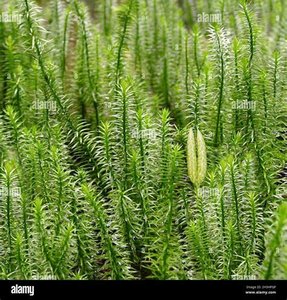
Lycophyta | Club mosses, spike mosses, quillworts |
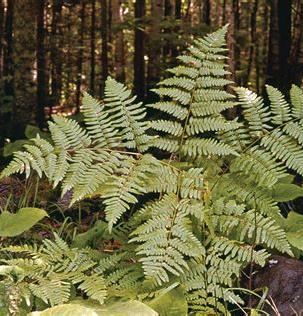
Monilophyta | Ferns, horsetails, whisk ferns |
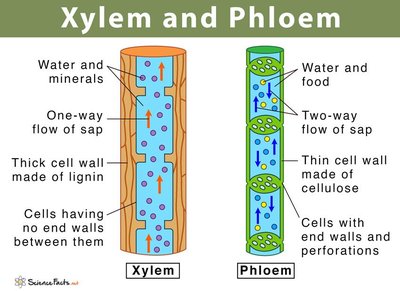
Transport in Xylem and Phloem
Vascular tissue provides structural support and enables long-distance transport of water, minerals, and nutrients. Xylem transports water and minerals upward, while phloem distributes organic nutrients throughout the plant.
Examples of Seedless Vascular Plants
Club Mosses (Lycophyta): Require moist habitats for reproduction.
Ferns (Monilophyta): Have large, divided leaves called fronds; reproduce via spores.
Horsetails: Jointed stems, historically used for scouring.
Whisk Ferns: Dichotomously branching stems, lack true leaves and roots.
Summary Table: Major Plant Groups
Group | Vascular Tissue | Seeds | Dominant Generation |
|---|---|---|---|
Bryophytes | No | No | Gametophyte |
Seedless Vascular Plants | Yes | No | Sporophyte |
Gymnosperms | Yes | Yes | Sporophyte |
Angiosperms | Yes | Yes | Sporophyte |
