 Indietro
Plant Diversity II: The Evolution of Seed Plants
Guida di studio - Note intelligenti
 Appunti personalizzati basati sui tuoi materiali, ampliati con definizioni chiave, esempi e contesto.
Plant Diversity II: The Evolution of Seed Plants
Introduction
This chapter explores the evolutionary innovations of seed plants, focusing on their adaptations, diversity, reproductive strategies, and significance to human welfare. Seed plants include gymnosperms and angiosperms, which dominate terrestrial ecosystems due to their unique reproductive features.
Seeds and Pollen: Key Adaptations for Life on Land
Seed Structure and Function
Seeds revolutionized plant evolution, allowing plants to colonize diverse terrestrial environments.
Seed: Consists of an embryo, nutrient supply, and a protective coat.
Dispersal: Seeds can travel long distances via wind, water, or animals.
Evolutionary Advantage: Seeds can remain dormant until conditions are favorable, contain stored food, and are protected from environmental stress.
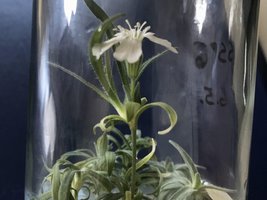
Example: Seeds from Silene stenophylla were successfully germinated after 32,000 years.

Common Features of Seed Plants
Reduced Gametophytes: Seed plant gametophytes are microscopic and develop within the tissues of the parent sporophyte, providing protection and nutrition.
Heterospory: Seed plants produce two types of spores: megaspores (female) and microspores (male).
Ovules: An ovule contains the megasporangium, megaspore, and protective integuments.
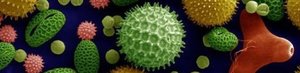
Pollen: Microspores develop into pollen grains, which carry male gametophytes and enable fertilization without water.
Gymnosperms: "Naked" Seeds and Their Life Cycles
Gymnosperm Characteristics
Gymnosperms: Seed plants with exposed seeds, typically on cones.
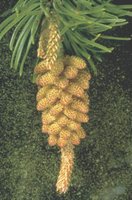
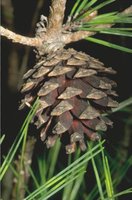
Conifers: The most common gymnosperms, bearing cones and evergreen leaves.
Pine Life Cycle
The pine tree is the sporophyte, producing male and female cones. Male cones produce microspores (pollen), and female cones produce megaspores (ovules).
Miniaturization: Gametophytes are reduced and protected within cones.
Seed Production: Seeds are the dispersal stage.
Pollen Transfer: Sperm is delivered to ovules via pollen tubes.
Gymnosperm Diversity
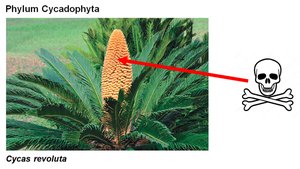
Cycadophyta: Large cones, palm-like leaves, flagellated sperm. Many species are endangered.
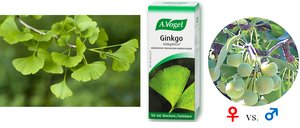
Ginkgophyta: Single species (Ginkgo biloba), tolerant to pollution, used as an ornamental and herbal supplement.
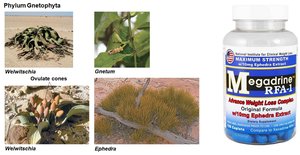
Gnetophyta: Three genera (Gnetum, Ephedra, Welwitschia), diverse habitats.
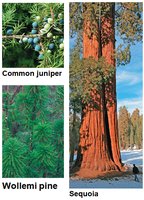
Coniferophyta: Largest phylum, includes pines, firs, redwoods, mostly evergreen.
Angiosperms: Flowers and Fruits
Angiosperm Characteristics
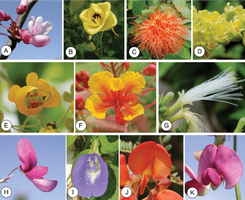
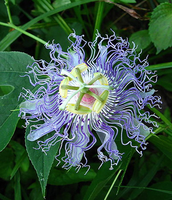
Angiosperms: Seed plants with flowers and fruits, classified in the phylum Anthophyta.
Flowers: Specialized for sexual reproduction, often pollinated by animals or wind.
Fruits: Develop from the ovary, protect seeds, and aid in dispersal.
Flower Structure and Function
Sepals: Enclose the flower.
Petals: Attract pollinators.
Stamens: Male organs (filament and anther).
Carpels: Female organs (ovary, style, stigma).
Pistil: Refers to a single carpel or fused carpels.
Fruit Structure and Seed Dispersal
Fruit Formation: Ovary wall thickens and matures after fertilization.
Types: Fleshy (e.g., berries) or dry (e.g., nuts).
Dispersal Mechanisms: Wind, water, animals, and explosive release.
Angiosperm Life Cycle and Evolution
Life Cycle
Sporophyte: Flower contains both male and female structures.
Male Gametophyte: Pollen grains from anthers.
Female Gametophyte: Embryo sac within ovule.
Cross-Pollination: Mechanisms ensure genetic diversity.
Evolution and Diversity
Origin: Angiosperms originated ~140 million years ago.
Diversity: Over 250,000 species, divided into monocots, eudicots, basal angiosperms, and magnoliids.
Monocots: One cotyledon (e.g., grasses, orchids).
Eudicots: Two cotyledons (e.g., legumes, roses).
Basal Angiosperms: Oldest lineages (e.g., water lilies).
Magnoliids: Woody and herbaceous plants.
Human Interactions and Importance of Seed Plants
Human Welfare and Seed Plants
Food: Most human calories come from angiosperms (wheat, rice, maize, potatoes, cassava, sweet potatoes).
Fuel and Wood: Seed plants provide essential resources.
Medicine: Many drugs are derived from seed plants (e.g., atropine, belladonna).
Genetic Change: Modern crops are products of artificial selection.
Threats to Plant Diversity
Habitat Destruction: Leads to extinction of plant and animal species.
Loss of Forests: Reduces CO2 absorption and threatens biodiversity.
Medicinal Compounds: Many undiscovered compounds may be lost with extinction.
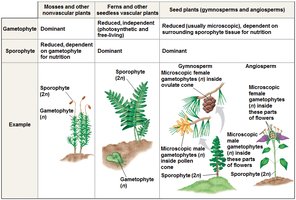
Summary Table: Plant Life Cycle Comparison
Mosses and other nonvascular plants | Ferns and other seedless vascular plants | Seed plants (gymnosperms and angiosperms) | |
|---|---|---|---|
Gametophyte | Dominant | Reduced, independent | Reduced, microscopic, dependent on sporophyte |
Sporophyte | Reduced, dependent | Dominant | Dominant |
Example | Sporophyte (2n), Gametophyte (n) | Sporophyte (2n), Gametophyte (n) | Gymnosperm: Female gametophyte inside ovule cone; Angiosperm: Female gametophyte inside parts of flowers |
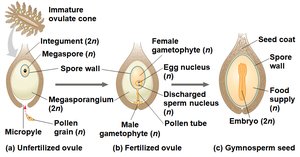
Seed Development in Gymnosperms
Stage | Description |
|---|---|
Unfertilized ovule | Contains integument, megasporangium, megaspore, and micropyle |
Fertilized ovule | Female gametophyte, egg nucleus, pollen tube, discharged sperm nucleus |
Gymnosperm seed | Seed coat, spore wall, food supply, embryo |
Conclusion
Seed plants, through their evolutionary innovations, have become the dominant producers in terrestrial ecosystems. Their adaptations, diversity, and importance to human welfare underscore the need for conservation and further study.
